
Guides
Car Sale Paperwork in Albania: Documents Buyers and Sellers
Car Sale Paperwork in Albania: Documents Buyers and Sellers Need

A car sale in Albania is finished only when three things are done: both sides sign a written sale contract, the buyer changes ownership at the regional road transport directorate (DRSHTRR) within 30 days, and the car is insured and inspected in the new owner’s name. This guide gives you the documents for each side, the order of the steps, and the mistakes that leave a seller still responsible for a car they no longer own.
TL;DR
- The seller brings ID, proof of ownership and the circulation permit (leja e qarkullimit). The buyer brings ID and a clean check of the car’s charges and obligations.
- Put the sale in a written contract and keep proof of payment and handover. In practice this is done at a notary.
- The buyer must change ownership at DRSHTRR within 30 days of acquiring the car, with a valid technical inspection certificate.
- TPL insurance is compulsory and is needed before the inspection. The new owner must update the policy within 15 calendar days of the ownership change.
- A seller who sees the car still registered in their name can declare the sale at DRSHTRR to protect themselves.
Table of Contents
- The paperwork at a glance
- What the seller prepares
- What the buyer checks before paying
- The sale contract, payment and handover
- Changing ownership at DRSHTRR
- Insurance and inspection after the purchase
- Protecting the seller after the sale
- Imported, new and leased cars
- What to do when documents are missing or wrong
- Perspective
- List your car with the paperwork ready
- FAQ
- Sources
The paperwork at a glance
Before the detail, here is who needs what. Treat it as a checklist and confirm the current requirements on the official DPSHTRR pages before you go, because forms and fees are updated.
| Document | Seller | Buyer | Why it matters |
|---|---|---|---|
| Valid ID (ID card or passport) | Yes | Yes | Identifies both parties in the contract and at DPSHTRR |
| Circulation permit (leja e qarkullimit) | Yes, hands over | Checks and receives | Shows the vehicle data and the registered owner |
| Proof of ownership | Yes | Checks | Confirms the seller has the right to sell |
| Confirmation from the Register of Securing Charges | Helpful to provide | Required for the transfer | Shows whether the car is pledged or encumbered |
| Written sale contract | Signs | Signs | Proves the sale, the price and the date |
| Valid technical inspection certificate (kolaudim) | Helpful to provide | Required for the transfer | Needed to complete the ownership change |
| TPL insurance | Cancels or ends their cover | Buys or amends | Required to pass inspection and to drive legally |
What the seller prepares
A smooth sale starts before you meet a buyer. Gather the paperwork first, because a seller who can show clean documents closes faster and at a better price.
Your identification. The name on your ID must match the owner named in the registration documents. If the car belongs to a spouse, a company or a deceased relative, sort out who has the legal right to sign before you list the car. A seller who is not the registered owner will usually need a proper authorization, and the notary will tell you which one applies.
The circulation permit and ownership proof. DPSHTRR lists valid proof of ownership and the vehicle’s circulation permit among the documents for an ownership change. An ownership certificate is also required for an older-model permit. If your permit is old, find out early whether you need the certificate, so it does not hold up the closing.
A clean record of obligations. The buyer needs confirmation from the Register of Securing Charges. If the car was bought on credit or used as security, the charge has to be cleared first. Deal with this before advertising the car, not on the day of signing.
Keys, service history and the inspection certificate. These are not all legal requirements, but buyers who see a service history and a valid inspection certificate negotiate less. The certificate matters legally too, since the buyer needs a valid one to complete the ownership change.
What the buyer checks before paying
Most problems in used-car sales appear because the buyer paid first and checked later. Reverse that order.
- Match the VIN to the papers. Compare the chassis number on the car with the number in the circulation permit and the ownership documents. Any mismatch stops the deal.
- Check the registered owner. The seller’s ID must match the owner in the permit. If it does not, ask why, and do not pay until a notary confirms the seller’s right to sell.
- Ask for the charges confirmation. The Register of Securing Charges confirmation tells you whether the car is pledged. DPSHTRR requires it for the ownership change, so you cannot finish the process without it.
- Check the inspection certificate. The technical control certificate states the date of the next required inspection. The check can be done at any authorized Technical Control Center in Albania, so a car with an expired certificate is fixable, but you should know the cost before you agree on the price.
- Run a history check. A vehicle history report helps you catch hidden damage, mileage questions and past registrations before money changes hands.
If you want to see how a listing can support this, read about how ownership transfer works in Albania and which documents a seller should have ready.
The sale contract, payment and handover
This is the step where informal deals go wrong. A handshake and a photo of an ID are not proof of a sale.
Sign a written contract. In Albania, vehicle sales are normally completed with a contract signed before a notary, with both parties present and identified. Ask the notary which documents they need on the day, and bring the originals. The contract should name the buyer and seller, describe the car (make, model, year, plate, VIN, fuel type), state the agreed price and say that the seller declares the car free of undisclosed charges.
Agree the payment method in writing. For large amounts, prefer a traceable bank transfer to a stack of cash, and keep the receipt or bank confirmation. Whatever method you use, the contract or a signed receipt should record the amount, the date and who paid whom. Both sides should keep a copy.
Use a deposit carefully. If you reserve a car before the final signing, put the deposit (kaparo) in writing too: the amount, what happens if either side withdraws, and the deadline for the final contract. An unwritten deposit is the easiest way to lose money.
Record the handover. Write down the date, time and odometer reading, and list what is handed over: keys, permit, service book, spare parts. Take photos of the car and the odometer. If the buyer is hit by a fine the next day, this record shows the car was already theirs.
Keep everything. Each party keeps the contract, the payment proof and the handover note for as long as the car could be traced back to them. Do not discard them once the buyer drives away.

Changing ownership at DRSHTRR
The buyer carries the legal duty here. DPSHTRR says the buyer is responsible for the ownership change and must appear no later than 30 days after the sale act, bringing identification, an ownership document, the vehicle documents and a valid technical inspection certificate. DPSHTRR then updates the registration certificate in the buyer’s name.
A practical order of work for the buyer:
- Sign the contract and receive the car and documents.
- Buy TPL insurance for the car (see the next section).
- Take the car to a Technical Control Center if the certificate is not valid.
- Get the charges confirmation from the Register of Securing Charges.
- Go to the regional DRSHTRR with all documents before day 30.
For the full walkthrough of the process, see our guides on registering a car in Albania and the step-by-step registration process. Fees change, so check the amount for your case on the DPSHTRR site or at the counter before you go.
Insurance and inspection after the purchase
The order matters: no valid insurance, no inspection.
DPSHTRR states that TPL insurance must be in force before the vehicle is used, and that a vehicle cannot pass technical control without an active, valid TPL policy. The law behind this is Law No. 32/2021 on compulsory insurance in the transport sector, which requires the owner to maintain compulsory third-party liability insurance while the vehicle is in circulation.
Two points catch new owners out:
- The seller’s policy does not transfer. When ownership changes during an insurance period, the existing rights and duties do not pass to the buyer. Under Article 26 of the same law, the new owner must notify the insurer and have the policy amended within 15 calendar days.
- Do not drive uninsured to the inspection. Arrange cover first, and agree with the seller that their policy is ended once the car is handed over.
More on inspection rules is in our guide to vehicle inspection in Albania.
Protecting the seller after the sale
Selling the car does not automatically remove your name from it. DPSHTRR warns that if a sold vehicle stays registered in the seller’s name, obligations connected with it remain in the seller’s name. If the buyer does not complete the ownership change, the seller can, on request and on payment of the fee, file a declaration of sale with DRSHTRR to officially record that the car has been sold.
What a careful seller does:
- Keeps a signed copy of the contract and payment proof.
- Reminds the buyer of the 30-day deadline in writing, for example by message.
- Declares the sale at DRSHTRR if the buyer does not act.
- Ends their own insurance policy once the car is no longer theirs, after confirming how the insurer wants it handled.
Imported, new and leased cars
Some sales carry extra paperwork.
Imported cars. A vehicle imported for registration in Albania must be presented to a regional DRSHTRR. A permanently foreign-registered car may circulate temporarily under customs rules for six months in any 12-month period. If you are buying a car that is still on foreign plates, ask the seller what its customs status is and how long the temporary period has left. Our guide on the six-month trap and confirming the CoC before importing explains the risk, and the homologation guide covers the technical side.
New (0 km) cars. For a first registration in Albania, DPSHTRR lists proof of ownership, vehicle identification and technical data, confirmation of customs procedures and insurance among the required documents. A dealer should supply these with the car.

Electric and leased cars. The same sale and ownership documents apply to an electric car. With a leased car, the lessor is usually the registered owner, so the sale or buyout must be settled with them first. Ask for their written consent and a payoff statement before you sign anything.
What to do when documents are missing or wrong
- A lost circulation permit. Ask the seller to request a replacement from DRSHTRR before the sale. Do not buy against a promise.
- A name that does not match. If the registered owner is not the seller, stop until the seller proves their right to sell.
- An outstanding charge. Ask for the charge to be cleared first and then request a new confirmation.
- A buyer who never changes ownership. The seller declares the sale at DRSHTRR, as described above.
- A buyer who misses day 30. Go to DRSHTRR anyway and ask about the next step. Do not keep driving on old paperwork and hope no one notices.
Perspective
We built CarPulse around a simple observation: most disputes in used-car sales start before anyone signs, with a listing that was vague about the car. When the seller’s details come from the VIN rather than from memory, the buyer starts with accurate data, and the paperwork matches the car.
That is why we offer VIN-based listing, an AI price evaluation and a vehicle history check on one platform, with verified dealers alongside private sellers. Buyers never pay to browse or contact sellers, so you can compare cars, ask for the documents in the chat and decide calmly. Our aim is for the paperwork to be the easy part of the sale.
Henri
List your car with the paperwork ready
Once your documents are in order, the listing is the quick part. On CarPulse you can list a car by VIN and let the vehicle details fill in automatically. Our plans are Basic at €14.99 per month and Premium at €29.99 per month, and buyers can browse and contact sellers for free.
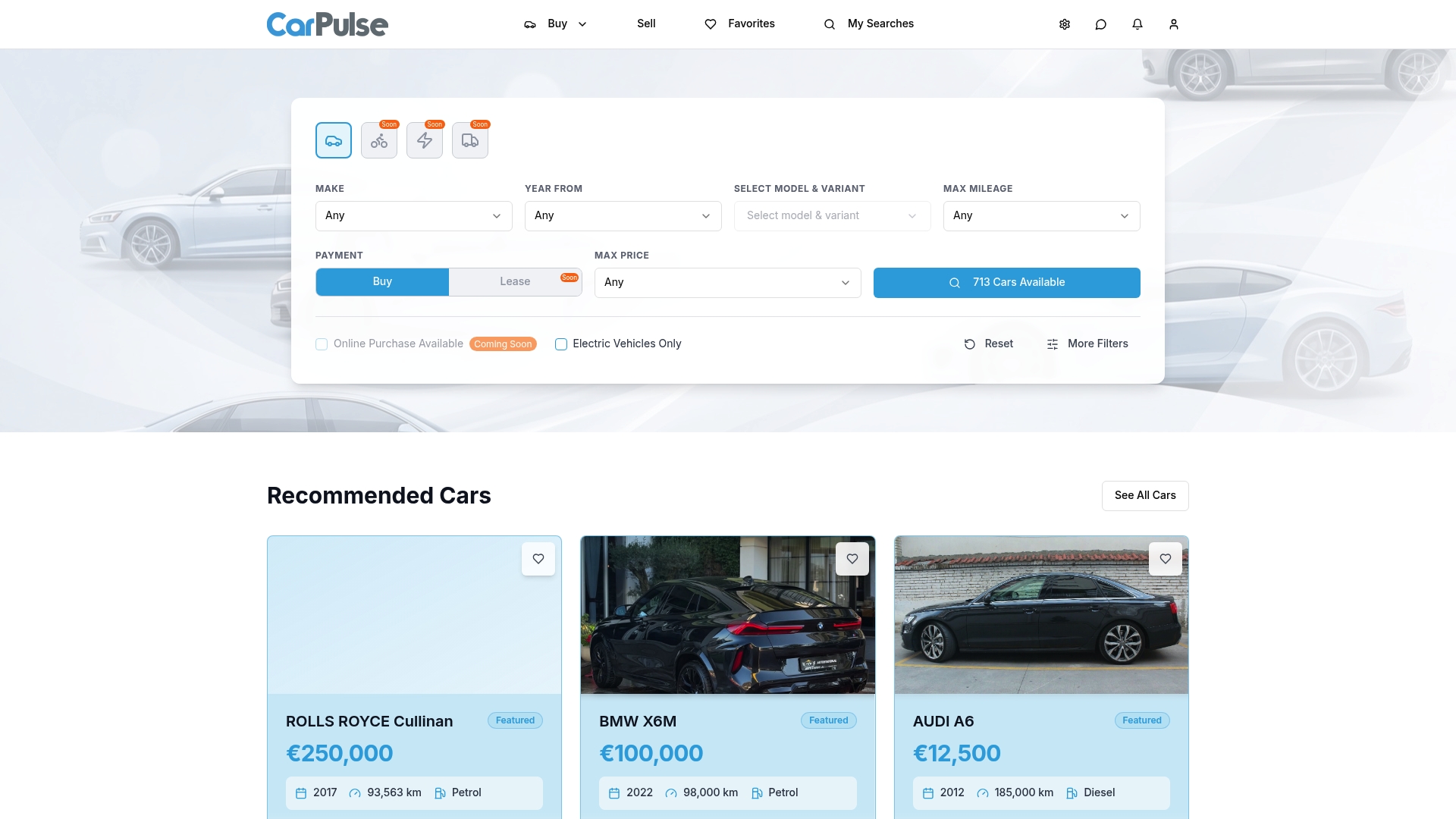
If you are buying, browse new and used cars on CarPulse, filter by make, model, year, mileage, price and fuel type, and ask each seller for the documents in the checklist above before you visit.
FAQ
Do I need a notary to sell a car in Albania?
In practice, vehicle sales are signed before a notary, and that is the safest way to have a contract both sides and DPSHTRR will accept. Ask the notary which documents they need on the day. A private note between two people leaves you with weak proof if a dispute arises.
Who is responsible for changing the ownership?
The buyer. DPSHTRR says the buyer must appear within 30 days of the sale act with identification, an ownership document, the vehicle documents and a valid technical inspection certificate. The seller can protect themselves by declaring the sale if the buyer does not act.
Do I need insurance before the inspection?
Yes. A vehicle cannot pass technical control without an active and valid TPL policy, according to DPSHTRR. If you bought the car during the seller’s insurance period, remember that the new owner must have the policy amended within 15 calendar days under Law No. 32/2021.
What if the car is still on foreign plates?
A permanently foreign-registered vehicle can circulate temporarily under customs rules for six months in any 12-month period. Before you buy, ask for its customs documents and confirm with DRSHTRR what you need to register it in Albania.
Sources
- Ndryshimi i Pronësisë së Mjetit | DPSHTRR
- Deklarimi i Shitjes së Mjetit | DPSHTRR
- Siguracioni i Mjetit & Detyrime të Tjera | DPSHTRR
- Oraret e shërbimit për kryerjen e Kontrollit Teknik të Mjetit | DPSHTRR
- Law No. 32/2021 on compulsory insurance in the transport sector
- Hapat që duhet të ndiqni pas importit të mjetit në Shqipëri | DPSHTRR
- Mjet i Ri / 0 km | DPSHTRR