Guides
Car Ownership Transfer in Albania: Steps and Documents
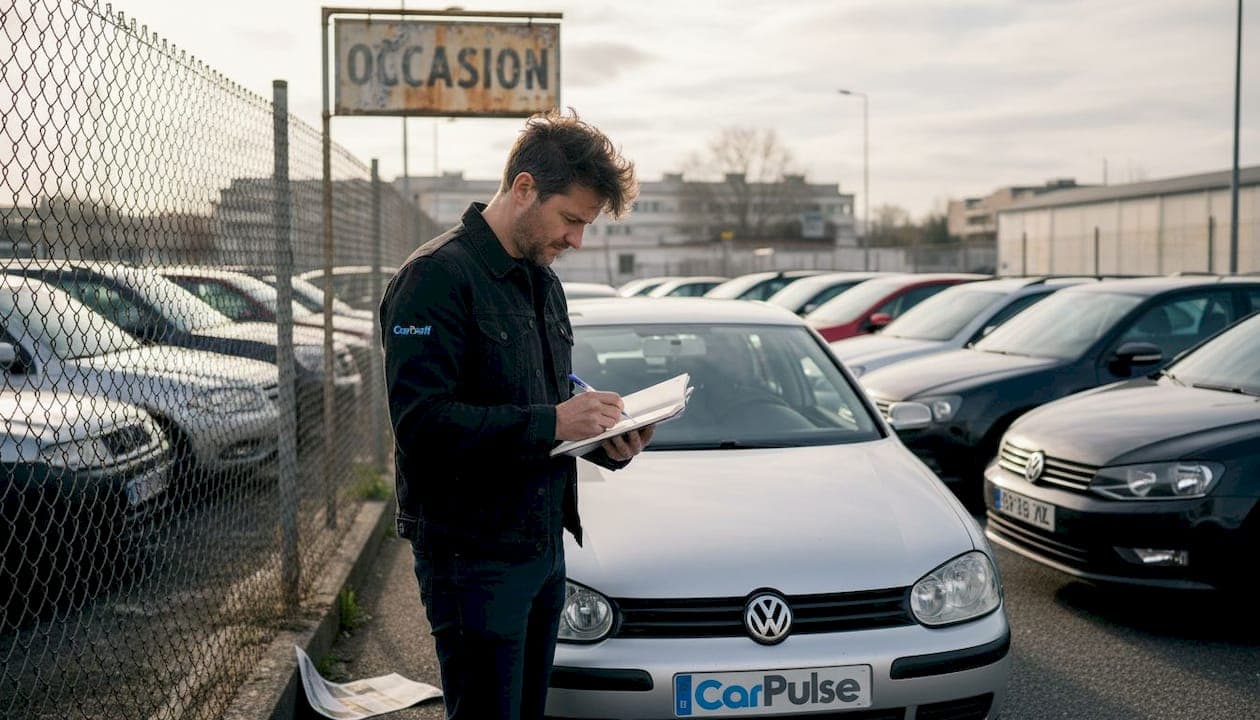
Car Ownership Transfer in Albania: Steps and Documents
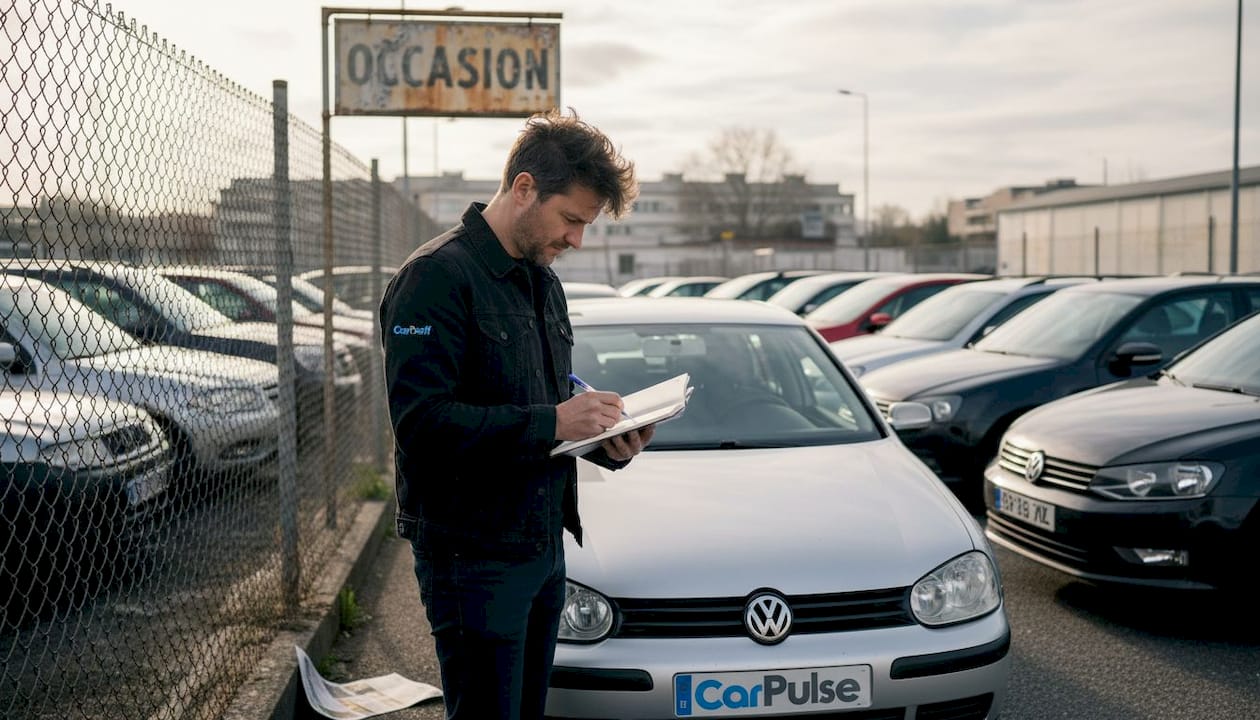
Summary:
- The sale contract must be signed at a notary — a simple signed agreement between parties carries no legal weight for vehicle ownership transfer.
- After the notary, the buyer must register the new ownership at DPSHTRR — until this is done, the seller remains the legal owner and is liable for fines and taxes.
- The process requires relatively few documents, but each step must be done in the correct order — mistakes add cost and delay.
Buying or selling a car may feel straightforward, but the official procedure in Albania has specific steps you cannot skip. Car ownership transfer in Albania is handled through DPSHTRR (the General Directorate of Road Transport Services), but before you get there, a visit to the notary is mandatory. Whether you're in the market for a car or want to understand the fair value of what you're selling, CarPulse gives you everything the Albanian car market has to offer in one place.
How the process works — an overview
Transferring a vehicle's legal ownership in Albania is split into two mandatory phases: the contract phase (at the notary) and the registration phase (at DPSHTRR). Both are required and neither replaces the other. A notarized contract alone does not complete the transfer — you still need to register at DPSHTRR. And you cannot go to DPSHTRR without a notarized contract first.
With all documents in order, the full process typically takes one to two working days. If there are complications — unpaid fines, outstanding customs duties, or a lien on the vehicle — it can take considerably longer. Before any purchase, it is worth running a preliminary check on the vehicle's legal status, either through official systems or by consulting a notary.
Step one: The notary contract
The sale and purchase contract for motor vehicles in Albania must be notarized. A private written agreement signed by both parties, however carefully worded, has no legal validity for ownership transfer purposes. This is one of the most important distinctions from some other countries, and it catches many first-time buyers off guard.
Both parties must be present at the notary, or represented by a legally valid power of attorney. The notary drafts the contract, verifies the identities of both parties and the vehicle's chassis number, and applies the official seal. The contract must include:
- Full details of both the seller and buyer (name, patronymic, address, ID number)
- The chassis number (VIN) and current license plate of the vehicle
- The agreed sale price
- The date of signing and declarations from both parties
The notary fee is calculated based on the declared value in the contract — the higher the declared price, the higher the notary fee. It is standard practice to declare the actual transaction price, as under-declaring to minimize fees carries legal risks for both parties.
Documents required
Having all documents ready before visiting the notary saves time and avoids unpleasant surprises. Here is what each party needs:
The seller must bring:
- The vehicle registration certificate (the car's registration booklet) — original copy
- A valid national ID card or passport
- The vehicle keys (both sets if available)
- If the vehicle has a bank lien or mortgage registered against it, the relevant release documentation
The buyer must bring:
- A valid national ID card or passport
- Current residential address (required for new registration, particularly if a plate change is requested)
For vehicles imported from abroad, the process is different and requires customs documentation, a homologation certificate, and a mandatory technical inspection — followed by a first-time registration at DPSHTRR as a vehicle not previously recorded in the Albanian system.
Registration at DPSHTRR
Once the notary contract is signed, the buyer must present themselves at DPSHTRR to register the new ownership. This step officially records the vehicle under the new owner in the national system.
During this step, the buyer can choose to:
- Keep the existing license plate number — faster and with lower administrative cost
- Request a new plate — if preferred or if there is a technical reason (e.g., changing region)
The DPSHTRR fee for the ownership transfer is set by the state and covers the service of updating the registered owner in the national database. If a plate change is also requested, the corresponding additional fee applies. Check directly with the DPSHTRR office or their official website for current fee schedules, as these can change over time.
If the vehicle's technical inspection (kolaudim) is not current or has expired, renewal may be required either before or after the transfer registration. The technical inspection verifies the vehicle's roadworthiness and is mandatory on a periodic basis for all vehicles in circulation.
Costs and fees
The total cost of an ownership transfer depends on several factors:
- Notary fee: Calculated based on the declared contract value. Higher declared price equals a higher notary fee. Albanian notaries apply fee schedules regulated by the Notary Order and the Ministry of Justice.
- DPSHTRR fee: State-regulated, covers the transfer service. A plate change incurs an additional charge.
- Technical inspection: If renewal is required, this is a separate cost at licensed inspection centres.
A practical tip: factor these costs into your budget before agreeing on a final price. Administrative costs are relatively predictable, but worth knowing upfront. To check whether the price you're being asked to pay is in line with the market, check the fair market value of the car on CarPulse.
Risks of delaying the official transfer
This is the single most common — and most costly — mistake: the buyer takes possession of the car, pays the agreed price, signs the notary contract, and then delays the DPSHTRR registration step. This situation carries serious consequences:
- The seller remains the legal owner — until the buyer completes the DPSHTRR registration, the seller is still the registered owner in the national system.
- Traffic fines go to the seller — if the vehicle is used and incurs speed camera or traffic fines, those are logged against the legal owner (the seller).
- Insurance and road tax — mandatory third-party insurance obligations and vehicle taxes may still be linked to the seller until the official transfer is recorded.
- Police checks — if the vehicle is stopped and owner details don't match, unnecessary bureaucratic complications arise for both parties.
The recommendation is clear: don't wait — complete the DPSHTRR registration as soon as possible after signing the notary contract, ideally on the same day or the following working day.
Frequently Asked Questions
Can a car sale contract be done without a notary, with just signatures from both parties?
No. For a legally valid vehicle ownership transfer in Albania, the contract must be notarized. A privately signed agreement is not accepted by DPSHTRR and carries no legal weight for the purposes of transferring the vehicle title.
How long does the buyer have to go to DPSHTRR after the notary contract?
The law does not specify a fixed deadline, but in practice the recommendation is to act as quickly as possible — within the first few days. The longer the delay, the more the seller is exposed to fines and vehicle-related obligations, which can easily generate disputes between the two parties.
Is the buyer required to change the license plate?
No, changing the plate is optional. The buyer can keep the existing plate number, which is also faster and involves lower administrative cost. A plate change is typically requested by choice or when there is a specific reason such as changing the registration region.
What happens if the car has unpaid fines before the purchase?
Unpaid fines associated with the vehicle can block or complicate the transfer process. Before any purchase, it is strongly recommended that the seller verify and clear all outstanding obligations linked to the vehicle — traffic fines, vehicle taxes, or customs duties if the car was previously imported.
Conclusion
Transferring car ownership in Albania is not complicated, but it has two mandatory steps that cannot be skipped: the notary first, DPSHTRR second — and the sooner both are completed, the better it is for everyone involved. If you're still in the process of finding the right car, browse available cars on CarPulse and find the right vehicle at the right price.