Guides
How to Register a Car in Albania: Steps and Documents
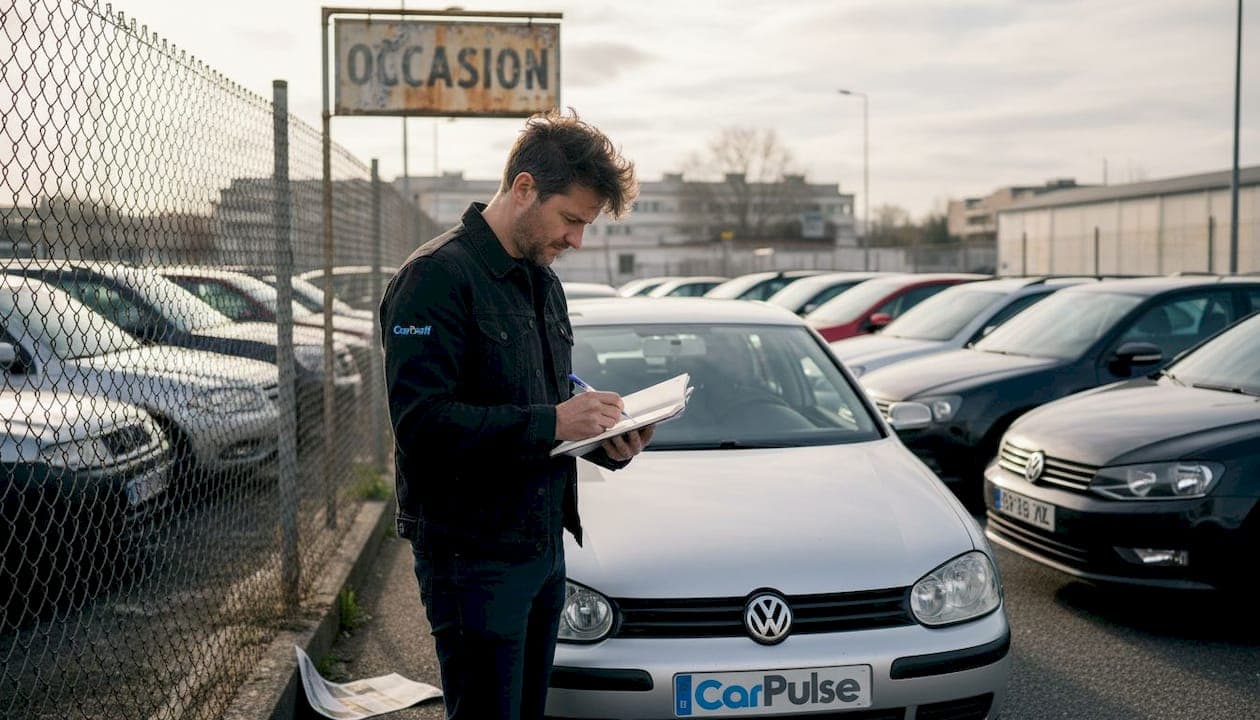
How to Register a Car in Albania: Steps and Documents
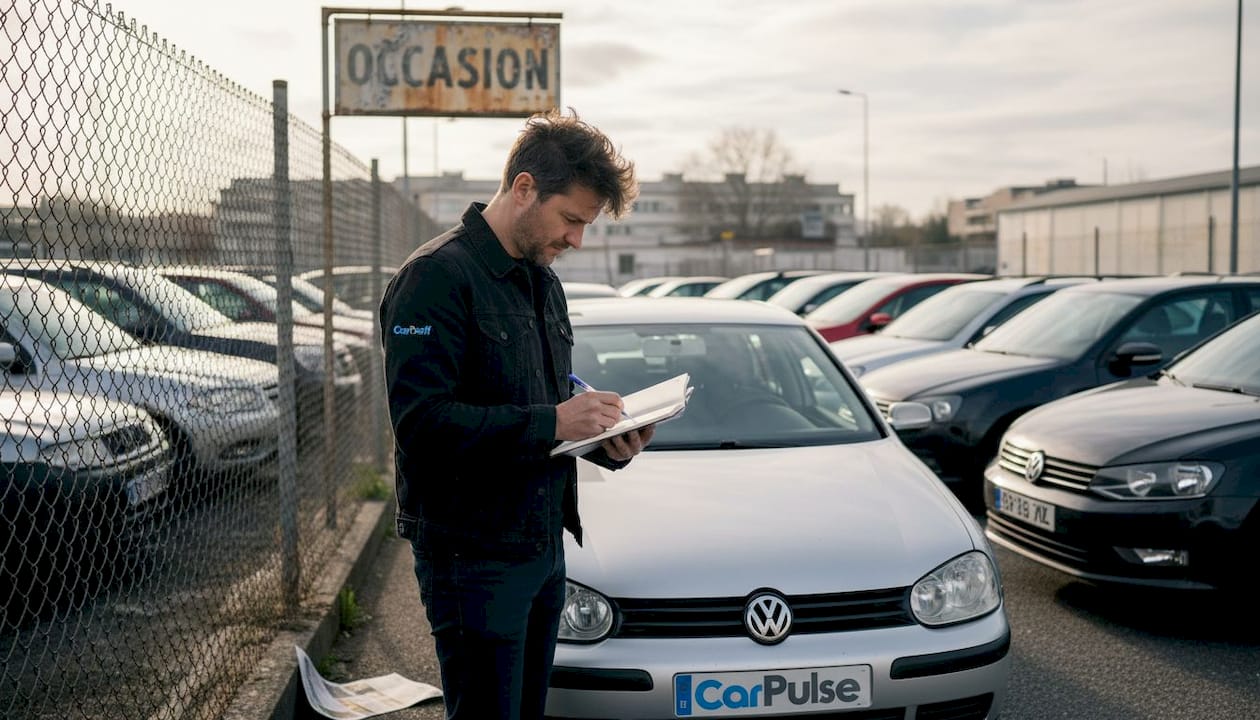
Summary:
- Every motor vehicle must be registered with DPSHTRR after purchase or import, with a valid technical inspection (kolaudim) and active TPL insurance.
- For imported vehicles, customs clearance must be fully completed before starting the registration process.
- Registration is renewed annually — delays lead to traffic fines; plan your inspection and insurance renewal before the expiry date.
Buying a car is exciting, but the administrative steps that follow can feel daunting at first. In practice, if your documents are in order, the process is straightforward and entirely manageable. CarPulse has helped thousands of Albanian buyers find the right vehicle — and this guide is designed to walk you through the next step: getting your car legally registered on the road.
What is DPSHTRR and where does registration happen?
Vehicle registration in Albania is handled by DPSHTRR — the General Directorate of Road Transport Services (Drejtoria e Përgjithshme e Shërbimit të Transportit Rrugor). This institution, operating under the Ministry of Infrastructure and Energy, maintains the national vehicle database, issues registration certificates (librezë), and licenses technical inspection stations across the country.
DPSHTRR offices are present in all major cities: Tirana, Durrës, Shkodër, Vlorë, Korçë, Elbasan, Fier, and others. You can attend the branch closest to your place of residence or the branch where the vehicle was previously registered.
Technical inspection (kolaudim) — the mandatory first step
Before any registration — whether new or annual renewal — the vehicle must pass a technical inspection, locally known as kolaudim. This inspection is legally mandatory and verifies that the vehicle meets road safety standards.
During the inspection, technicians at a licensed station check:
- Brakes — efficiency and balance of the braking system
- Lights — operation and correct alignment of headlamps
- Exhaust emissions — pollutant levels against permitted standards
- Active and passive safety — airbags, seatbelts, steering, shock absorbers
- Undercarriage and chassis — corrosion and structural damage
Inspection frequency varies by vehicle age: newer vehicles may be inspected every two years during their initial period, while older vehicles require an annual inspection. Inspection stations are licensed by DPSHTRR and distributed across all cities — the official list is also available online.
If the vehicle fails the inspection, you will receive a defect report listing the items that need correction. After repairs, the vehicle returns for a re-inspection.
Required documents for registration
Before presenting yourself at DPSHTRR, make sure you have all of the following documentation:
For a domestic purchase (second-hand vehicle)
- Purchase contract — notarized or in the legally required form, with complete details of both buyer and seller
- Technical inspection certificate — valid, issued by a licensed inspection station
- TPL insurance policy (Targa) — active third-party liability insurance
- Identity document of the new owner (national ID card or passport)
- Previous registration certificate (old librezë)
- Payment of fees and annual vehicle tax
For an imported vehicle
- Customs document — the customs declaration confirming full payment of all duties (customs duty, VAT, excise tax where applicable)
- Original purchase invoice from the country of origin
- Albanian technical inspection certificate
- Valid TPL insurance
- Identity document of the owner
Important: Customs clearance must be fully closed before beginning the registration process. If there are any outstanding customs obligations, DPSHTRR will not register the vehicle.
Registration steps — how the process works
Once you have gathered all documents and completed the technical inspection, the procedure at DPSHTRR follows this sequence:
- File submission — present yourself with the complete file at the DPSHTRR counter. The officer checks all documentation and verifies that every document is valid and not expired.
- Vehicle verification — in some cases the physical vehicle may be required for verification of the chassis number (VIN/engine number).
- Payment of fees and annual tax — the service fee and annual vehicle tax are paid according to the vehicle's category and engine displacement. Payment is made at a bank or through electronic channels.
- Issuance of the certificate — after verification and payment, DPSHTRR issues the new registration certificate (librezë) with the new owner's details.
Processing time varies, but if documentation is complete, same-day or next business day turnaround is typical.
License plates and registration certificate
Albanian license plates follow the standard national format. When buying a second-hand vehicle from another person, you have two options:
- Keep the existing plates — if the plates are valid and not linked to any legal encumbrance, they can be transferred with the new ownership. This is the faster option.
- Request new plates — you can apply for new plates if you prefer, or if the old plates have physical damage.
The registration certificate (librezë) is the official ownership document and must always be kept in the vehicle. It contains: vehicle details (make, model, year, VIN), owner details, and the registration expiry date.
If you are looking for vehicles with transparent documentation, browse registered cars on CarPulse — every listing shows the vehicle's history and document status.
Annual renewal — don't leave it to the last minute
Vehicle registration is not a one-time procedure — it must be renewed every year. The expiry date is clearly noted on the librezë. Before renewal, the same conditions must be met:
- A valid new technical inspection (or every two years for newer vehicles within the qualifying period)
- Active TPL insurance
- Payment of the annual vehicle tax
Driving a vehicle with an expired registration is a violation of the Albanian Road Traffic Code and results in a traffic fine issued by the Road Police. The penalty can be substantial, so it is worth planning your renewal a few weeks ahead of the expiry — especially during the hot summer months when queues at inspection stations can be long.
Practical tip: mark the registration expiry date in your calendar and book your technical inspection at least two weeks before it. This gives you time for any necessary repairs if the vehicle fails the inspection on the first attempt.
Frequently Asked Questions
Can I drive the car immediately after buying it, before completing registration?
Not legally. After purchase, the ownership transfer and registration with DPSHTRR should be completed as soon as possible. A temporary transit permit can be issued by DPSHTRR if circumstances require it, but regular driving with incomplete documentation carries the risk of a fine.
How long is a technical inspection certificate valid?
The validity of the technical inspection certificate is tied to your vehicle's inspection cycle — typically one year for older vehicles, or two years for newer vehicles within their initial qualifying period. The expiry date is stated directly on the certificate.
What happens if a car is imported from Italy and already has Italian plates?
Once the vehicle has been fully cleared through Albanian customs, it loses its status as a foreign vehicle and must be registered with Albanian plates. Foreign plates cannot circulate under regular status after customs clearance is closed. DPSHTRR issues Albanian plates during the registration procedure.
Can I get my car valued before selling it and transferring the registration?
Yes — and it is a smart move. If you want to know the market value of your vehicle before selling, you can get a free car valuation on CarPulse and receive a realistic figure based on the Albanian market.
Conclusion
Registering a car in Albania, while it has its steps, is nothing to be intimidated by. With the complete documentation in hand — purchase contract or customs clearance, technical inspection certificate, TPL insurance, identity document, and payment of fees — the process at DPSHTRR moves quickly and without surprises. The key is advance preparation: don't leave the insurance or the technical inspection to the last moment. And if you are still in the buying phase, CarPulse provides the transparency and breadth of listings to find the right vehicle with clean documentation — browse available cars now and start your journey with confidence.