Guides
Vehicle inspection in Albania: what every car owner must kno
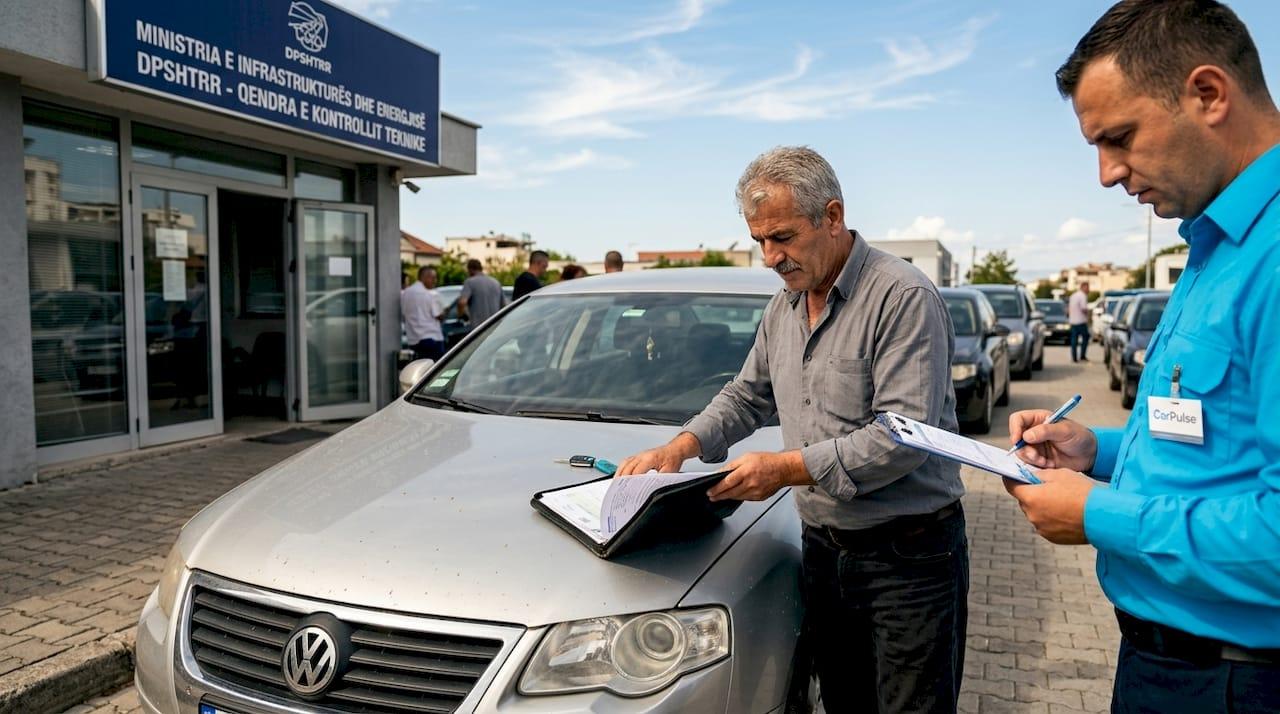
Vehicle inspection in Albania: what every car owner must know
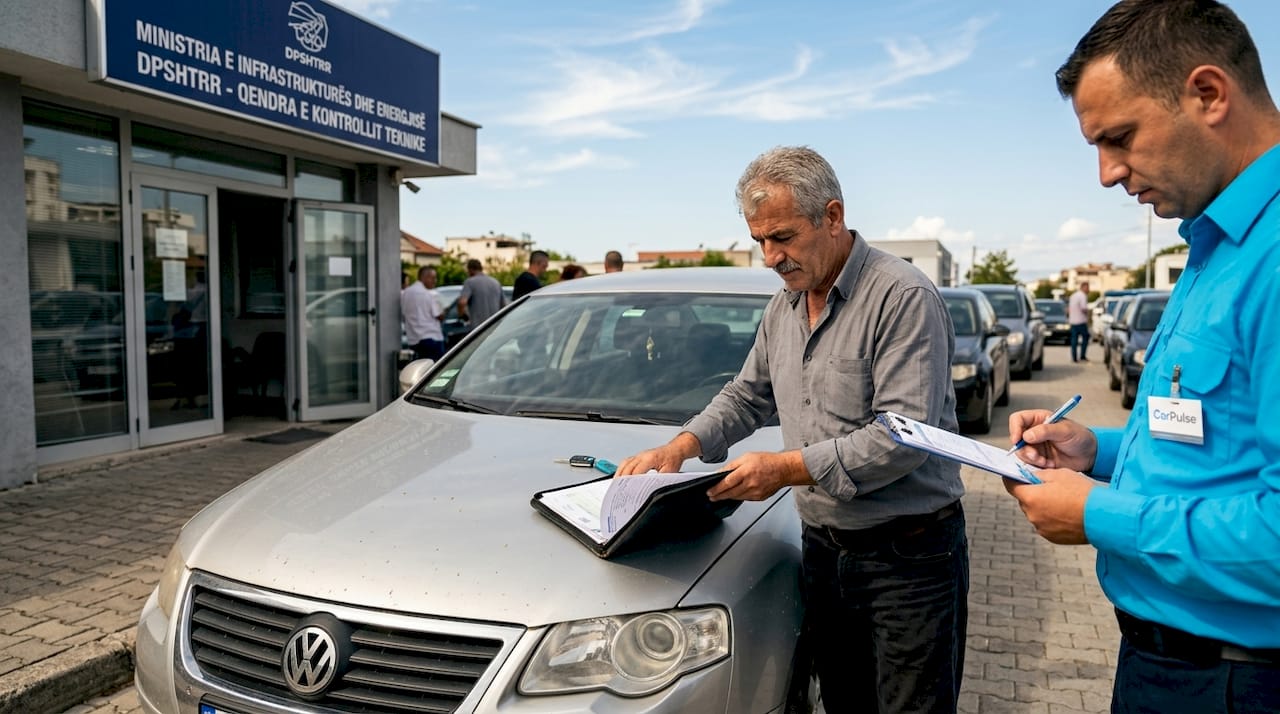
TL;DR:
- Nearly 30% of cars in Albania fail technical inspection due to aging vehicles and neglect. Inspection is mandatory for registration, ownership transfer, and market value, with high failure causes including exhaust and brake issues. Starting December 2026, inspections are required after every ownership change to improve safety and transparency.
Nearly one in three cars on Albanian roads fails technical inspection. That number is not a fluke — 29% of vehicles failed in a recent national inspection cycle, with thousands removed from circulation entirely. If you are buying, selling, or simply renewing registration on a car in Albania, understanding what is vehicle inspection and how it works here is not optional. This guide covers the legal requirements, what inspectors actually check, how to prepare, and what the results mean for your wallet and your safety.
Table of Contents
- What is vehicle inspection and why it matters in Albania
- Vehicle inspection regulations and timing requirements in Albania
- What does the inspection check and common failure causes
- Preparing for inspection and what to expect during the process
- How vehicle inspection supports safer car buying and ownership
- A fresh perspective on vehicle inspection’s role in Albania’s car market
- How CarPulse supports your vehicle inspection and car buying needs
- Frequently asked questions
Key Takeaways
| Point | Details |
|---|---|
| Mandatory inspections | Vehicle inspection is legally required in Albania for registration and ownership change to ensure safety. |
| Inspection frequency | New cars inspected after 3 years, then every 2 years, becoming annual after 8 years or upon ownership transfer. |
| Common failure reasons | Exhaust, brakes, steering, and missing safety equipment are top causes of failed inspections. |
| Preparation needed | Bring all legal documents and ensure your vehicle’s safety features and mechanical systems meet standards. |
| Inspection benefits | Regular inspections protect buyers, improve road safety, and ensure vehicle compliance with Albanian regulations. |
What is vehicle inspection and why it matters in Albania
Vehicle inspection, known locally as kontroll teknik, is a mandatory evaluation of a car’s mechanical condition, safety systems, and emissions output. The goal is simple: confirm that a vehicle meets minimum legal standards before it is allowed on public roads. If it does not, it stays off the road until the owner fixes the problems.
In Albania, the inspection is not just a bureaucratic formality. It sits at the center of the registration and ownership transfer process. You cannot legally register a car or finalize a sale without a valid inspection certificate. That makes it one of the most consequential steps in any vehicle transaction.
Why do failure rates run so high? Albania’s vehicle fleet is old. The average car on Albanian roads is around 22 years old, and older vehicles are far more likely to have degraded exhaust systems, worn brakes, and failing suspension. Those are exactly the components inspectors target.
Here is what vehicle inspection directly affects:
- Road safety: defective brakes and faulty steering contribute directly to accidents
- Environmental compliance: emissions checks catch vehicles burning fuel inefficiently or illegally
- Legal standing: a lapsed or missing inspection certificate puts you at risk of fines and registration issues
- Market value: a car with a clean, valid inspection certificate is worth more and sells faster
“Vehicle inspection is one of the most effective tools a country has to remove dangerous vehicles from public roads. Albania’s high failure rates show why the process exists — and why skipping pre-purchase checks is a serious risk.”
For owners who want to stay ahead of inspection issues, building good maintenance habits is the foundation. Reviewing car maintenance tips specific to Albanian roads can help you avoid the most common failure causes before your appointment.
Vehicle inspection regulations and timing requirements in Albania
Albania’s inspection schedule is structured around vehicle age, and the logic is sound: newer cars get more time between checks, while older cars face annual scrutiny.
| Vehicle age | Inspection frequency |
|---|---|
| 0 to 3 years | No inspection required |
| 3 to 8 years | First at 3 years, then every 2 years |
| 8 to 10 years | Every 2 years |
| Over 10 years | Annually |
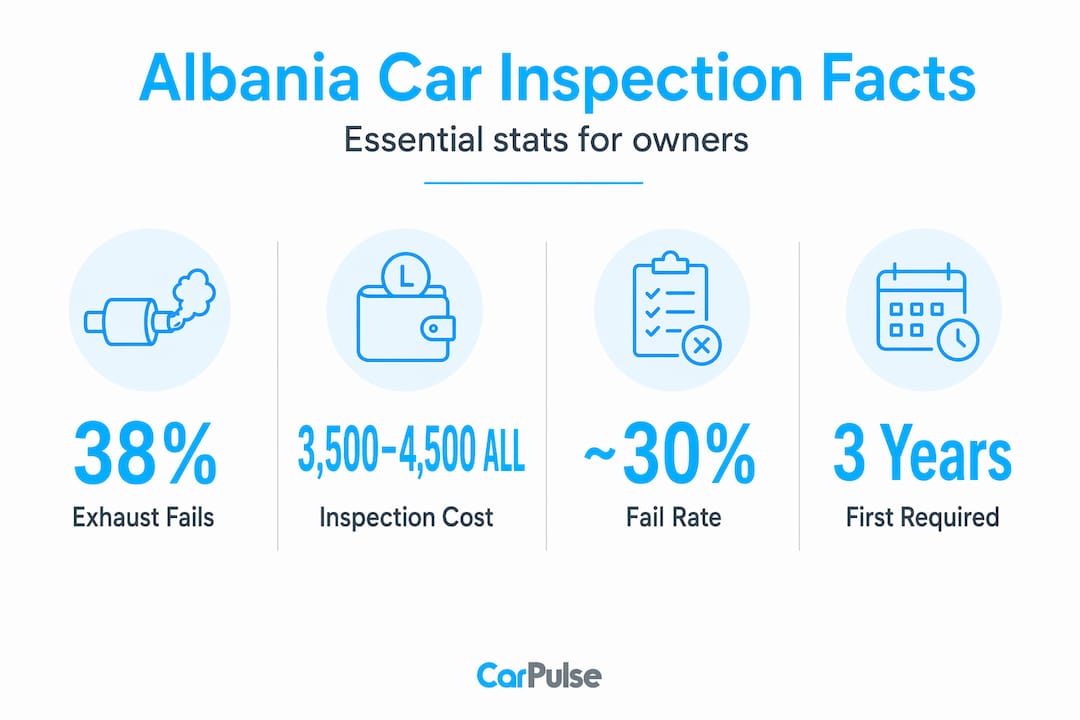
The cost is 3,500 to 4,500 ALL (roughly €28 to €36), payable at authorized DPSHTRR inspection centers. That fee covers the full evaluation and, if you pass, the certificate.
A major rule change is coming. Starting December 1, 2026, inspection is required after every ownership change, regardless of when the last inspection was completed. If a car passed inspection last month and you buy it today, you still need a fresh inspection before you can register it in your name. This eliminates a long-standing loophole where sellers would transfer vehicles with a recent but potentially misleading inspection certificate.
Here is the step-by-step procedure to get your inspection done:
- Gather all required documents before booking your appointment
- Visit an authorized DPSHTRR technical inspection center
- Submit documents and pay the inspection fee
- Wait for the physical inspection, which covers all major systems
- Receive the result: pass, conditional pass, or fail
- If you fail, you have 20 days to repair the issues and retest
Pro Tip: Do not show up at the inspection center without your full document set. Missing paperwork is one of the most common reasons inspections are delayed or rejected before a vehicle even reaches the pit.
For a broader look at staying road-legal in Albania, the car maintenance advice on our blog breaks down what to prioritize season by season.
What does the inspection check and common failure causes
Inspectors run through a fixed checklist. They are not looking for perfection. They are looking for anything that makes a vehicle dangerous to drive or harmful to the environment.
The main systems checked include:
- Brakes: pad thickness, hydraulic pressure, emergency brake function
- Steering and suspension: play in the wheel, shock absorber condition, ball joints
- Lights: headlights, brake lights, turn signals, reflectors
- Emissions: exhaust gas composition, smoke output
- Tires: tread depth, sidewall condition, matching sizes per axle
- Chassis and underbody: rust, structural cracks, fluid leaks
- Safety equipment: fire extinguisher, warning triangle, first-aid kit
That last category surprises a lot of owners. A car can pass every mechanical check and still fail because the fire extinguisher is expired or the first-aid kit is missing. These items are legally required in Albania, and inspectors verify them.
What actually causes most failures? 38% of inspection failures are due to exhaust problems, with braking system defects and steering issues accounting for most of the remainder. Exhaust failures often come down to catalytic converter wear and fuel quality issues, both of which are more common with older vehicles and lower-grade fuel.
| Failure category | Approximate share of failures | Common cause |
|---|---|---|
| Exhaust and emissions | 38% | Worn catalytic converter, poor fuel quality |
| Braking system | ~25% | Worn pads, brake fluid degradation |
| Steering and suspension | ~20% | Ball joint wear, shock absorber failure |
| Lights and electrical | ~10% | Burned bulbs, wiring corrosion |
| Missing safety equipment | ~7% | No fire extinguisher, expired first-aid kit |
Pro Tip: Before your inspection, spend 30 minutes on a quick self-check. Press the brakes hard in a parking lot to feel for pull or sponge. Turn the wheel lock to lock at low speed and listen for clunks. Check every light on the car. These basic checks can tell you a lot about whether your car will pass before you waste a trip to the center.
If you are buying a used car and want to evaluate it before purchase, our used car test drive guide walks through exactly what to look and listen for.
Preparing for inspection and what to expect during the process
Walking into an inspection center unprepared is how people lose time and money. Here is what you need to bring:
- Notarized vehicle purchase contract (if registering after a sale)
- Vehicle registration card (librezë)
- Valid ID or passport
- Third-party liability insurance certificate
- Tax payment receipt
- Previous technical inspection certificate, if available
The inspection itself typically takes one to three business days from the time you submit complete documents, though many centers process vehicles the same day when the queue is short. The physical inspection of the vehicle, once it is in the pit, usually runs 30 to 60 minutes.
What happens if you fail? You are not immediately banned from driving, but you cannot renew registration or complete a sale until the issues are fixed. Owners get 20 days to repair identified problems and return for a retest. That window is enough time to address most issues, but it requires acting quickly rather than waiting until the deadline.
“First-time failure is not unusual and should not panic you. It tells you exactly what to fix. Treat the report as a free diagnostic checklist, not a punishment.”
A few things commonly catch owners off guard during the process:
- Pre-inspection servicing pays off: having a mechanic do a tune-up and replace worn parts before your appointment significantly reduces the chance of failure
- The retest is not free in all cases: confirm the retest fee structure at your specific center before you leave
- Timing matters: if your inspection window expires before you fix the issues, you may need to restart the full process
For anyone navigating the full purchase process, our used car buying guide and car buying checklist cover every step from search to registration.
How vehicle inspection supports safer car buying and ownership
An inspection certificate does more than confirm a car is roadworthy today. It creates a paper trail that benefits both buyers and sellers over time.
Key ways inspection documentation protects you:
- Legal registration: you cannot transfer ownership or register a vehicle without a valid certificate
- Fraud deterrent: mandatory post-sale inspections (starting December 2026) make it harder to hide defects through quick flips
- Negotiation leverage: a car with documented inspection history commands a higher price and inspires more buyer confidence
- Odometer verification: EU platforms support exchanging roadworthiness certificates, odometer readings, and accident history, helping catch rollback fraud on imported vehicles
| Buyer scenario | Inspection benefit |
|---|---|
| Buying a used import | EU data reveals past accident and odometer history |
| Buying privately in Albania | Post-sale inspection requirement from Dec 2026 adds a safety net |
| Selling your car | Valid certificate speeds up transfer and justifies asking price |
| Registering an inherited vehicle | Inspection confirms safety before road use |
Pro Tip: When buying an imported car from EU countries, ask the seller for the last roadworthiness certificate issued abroad. EU data systems record this, and cross-referencing the mileage on that document with the current odometer reading is one of the fastest ways to spot a rollback.
If you are thinking about financing a purchase, understanding the full cost of ownership including inspection and registration fees is important. Our guide on vehicle financing in Albania breaks down the numbers clearly.
A fresh perspective on vehicle inspection’s role in Albania’s car market
Here is an opinion you will not hear often: the mandatory post-ownership inspection rule arriving in December 2026 is one of the most buyer-friendly changes to Albania’s car market in years, and most buyers do not realize it yet.
For too long, Albania’s used car market operated on a trust gap. Sellers knew what was wrong with their cars. Buyers often did not. A valid inspection sticker from six months ago told you nothing about what the previous owner had patched together since then. The requirement to inspect after every ownership transfer directly addresses this asymmetry, forcing every car to prove its condition at the moment of sale rather than borrowing legitimacy from a past certificate.
The high failure rates also tell a story worth reading honestly. When nearly 30% of cars fail inspection, that is not evidence that the system is too strict. It is evidence that a significant portion of the fleet should not be on the road. Exhaust failures in particular have public health implications beyond road safety.
The practical lesson for buyers is this: never skip an independent pre-purchase inspection, even if the seller has a recent certificate. And never assume an older car is fine just because it drives smoothly on a test route. The issues that cause inspection failures are often invisible at highway speed but obvious on a lift. Learning how to buy used cars safely in Albania starts with treating inspection as your ally, not a bureaucratic hurdle.
How CarPulse supports your vehicle inspection and car buying needs
Navigating vehicle inspection requirements on top of the already complex process of buying or selling a car in Albania takes effort. CarPulse is built to reduce that friction.
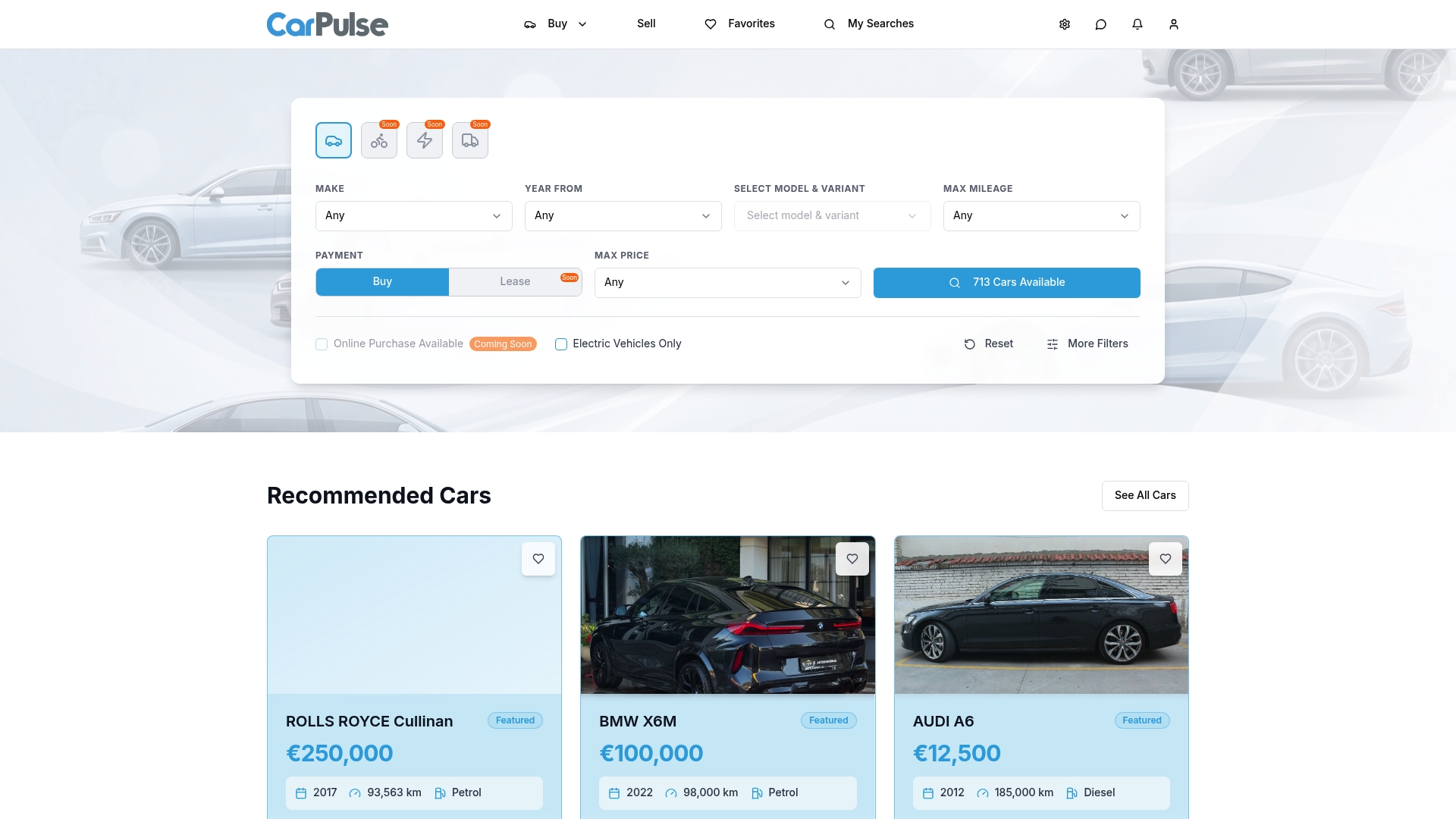
On the CarPulse marketplace, you can browse thousands of verified listings filtered by make, model, year, mileage, fuel type, and price. Our VIN-based listing system ensures that vehicle details are accurate from the moment a car goes live, so you are not starting your research from zero. Whether you are buying your next car or need to sell your car quickly with all the right documentation in place, CarPulse connects you with serious buyers and sellers across Albania. Our blog library also includes practical guides on inspection preparation, registration steps, and maintenance, so you always have the information you need before making a decision that matters.
Frequently asked questions
What exactly is a vehicle inspection in Albania?
Vehicle inspection (kontroll teknik) is a mandatory check of a car’s safety, emissions, and equipment to confirm it meets Albania’s legal standards. Per Albanian registration requirements, the inspection covers brakes, steering, suspension, lights, emissions, tires, chassis, and safety equipment before any registration or ownership change can proceed.
How often must I get my car inspected in Albania?
New cars need their first inspection at 3 years old, then every 2 years until they are 10, and annually after that. Starting December 2026, an inspection is required after each ownership transfer, regardless of when the last check was done.
What are the main reasons cars fail vehicle inspection in Albania?
Most failures come from exhaust system problems, which account for 38% of all failures, followed by braking defects, steering issues, and missing safety items like fire extinguishers.
What should I bring to the vehicle inspection appointment?
Bring your notarized purchase contract, vehicle registration card, valid ID or passport, third-party liability insurance, tax payment receipt, and any previous inspection certificate. Per Albanian registration rules, incomplete documentation can delay the entire process.
Can inspection results affect buying or selling my car in Albania?
Yes. A valid inspection certificate is required for every ownership transfer and registration, and the 2026 rule change means every sale now triggers a fresh inspection, making it harder for sellers to hide vehicle defects from buyers.