
Guides
Odometer Disclosure Laws: What Applies in Albania
Odometer Disclosure Laws: What Applies in Albania

If you are buying or selling a car in Albania, the mileage question is answered by three things: the odometer history printed on the Technical Control Certificate (kolaudim), the seller’s duty to give accurate information about the vehicle, and the penalties for tampering. Most search results for “odometer disclosure laws” describe the United States system of signed disclosure statements on titles. That is not the framework here. Below is how mileage is recorded, checked and protected in Albania, and what a buyer or seller should do on the day of the sale.
TL;DR
- In Albania, the Technical Control Certificate records a vehicle’s mileage history, so a buyer can compare what the seller says with what inspections recorded.
- The odometer must be working and free of tampering, and the road transport authority (DPSHTRR) states that interfering with the odometer is punishable under the legislation in force.
- Traders must give complete and accurate information about the goods they sell, which covers a car’s condition and characteristics.
- Imported cars get extra scrutiny: DPSHTRR can seek the true mileage from foreign counterparts if it differs from the first Albanian inspection.
- Write the mileage into the sale paperwork, keep the certificate, and register the ownership change within 30 days.
Table of Contents
- What “odometer disclosure” means in Albania
- What the law expects from the odometer itself
- Seller duties: accurate information is a legal expectation
- Imported used cars: the higher-risk category
- Electric, leased and older vehicles
- Penalties for tampering and false statements
- How buyers can spot a rolled-back odometer
- What each party should do
- Our perspective: mileage honesty is a listing feature
- List your car with the facts up front
- FAQ
- Sources
What “odometer disclosure” means in Albania
In the US, odometer disclosure is a signed statement of mileage made when a title changes hands. In Albania, the practical equivalent is a record built by inspections. Each time a vehicle passes a technical control, the kilometers travelled are recorded, and the record travels with the vehicle.
DPSHTRR, the General Directorate of Road Transport Services, introduced a new model of the Technical Control Certificate that documents the vehicle’s mileage history to help buyers learn about odometer manipulation and avoid being deceived. The certificate’s own page explains that the new model follows the European format under Directive 2014/45/EU and shows the mileage reading for five technical inspections, covering a period of ten years.
In plain terms: the odometer reading is not only what the seller says or what the dashboard shows. It is also a series of numbers entered by independent inspectors over the years. A reading that sits far below that series is a warning sign.
What the law expects from the odometer itself
The technical control rules say the odometer must be functional and free from tampering, and the kilometers travelled are recorded on the certificate as part of the vehicle’s history, according to DPSHTRR’s technical control page. The same page says drivers are responsible for the technical and functional condition of the vehicle and its systems before each journey, under the Road Code of the Republic of Albania.
Two practical consequences follow:
- A car with a broken or manipulated odometer has a problem that goes beyond a wrong number. It has a compliance problem.
- An owner who replaces a faulty instrument cluster should keep the paperwork, because a sudden drop in the recorded reading will otherwise look like fraud to the next buyer.
Seller duties: accurate information is a legal expectation
Mileage is one of the main characteristics that determine a car’s price. Under the Law on Consumer Protection (Law no. 9902/2008), traders must provide complete and accurate information about the characteristics of goods, including quantity, quality and condition. For a dealership selling to a consumer, that includes the car’s mileage and what it is based on.
Private sellers are not traders in the same sense, but the safest habit is identical: state the mileage you can document, and do not state one you cannot. If you are unsure whether the displayed reading is genuine, say so in the listing and in the sale agreement rather than guessing. A pre-purchase inspection guide shows what a thorough check of a car’s condition looks like, which is useful for sellers who want to present a car honestly and for buyers who want to know what to look at.

What to record in the sale
Whatever the type of seller, these items belong in the paperwork:
- The odometer reading on the day of handover, in kilometers.
- The VIN, matched against the registration documents and the car itself.
- The date and result of the latest technical control, plus the certificate.
- Any known odometer repair or instrument cluster replacement, with the invoice.
- The names and identification details of both parties.
For the general set of papers a seller needs, see our guide to the documents you need to sell a car in Albania.
Imported used cars: the higher-risk category
Many used cars in Albania arrive from abroad, and a rollback done before import is the hardest to spot. DPSHTRR’s position is that, for imported vehicles, it reserves the right to identify the true mileage if it differs from the status at the first technical control in Albania. It can also request real-time odometer information from foreign counterparts. The announcement applies from January 2022.
For a buyer, this means the first Albanian inspection is an anchor point, but not the end of the story. Ask the seller:
- When and where the car was first registered abroad.
- Whether foreign service records, invoices or inspection reports exist.
- What the reading was at the first Albanian technical control.
A seller with a genuine car can usually answer these quickly. Hesitation, vague answers or a story that changes are reasons to slow down.
Electric, leased and older vehicles
We found no Albanian rule that treats electric cars, leased vehicles or older cars differently for mileage purposes, and we will not invent one. What is true in practice is that the same tools apply: the odometer reading and the inspection record. For an electric car, ask for the reading together with the service history and any battery health report. For a leased car coming out of a lease, ask for the lessor’s records and the date of handover.
Older cars deserve extra attention for a simple reason: more years mean more chances for an odometer to have been replaced, repaired or altered. The certificate’s ten-year window will not cover the full life of a very old car, so combine it with service books and invoices.
Penalties for tampering and false statements
DPSHTRR states that intervention in the odometer is punishable under the legislation in force. Beyond that, giving a buyer false information about a car’s characteristics can lead to consumer-protection consequences for traders, and a buyer who was deceived can pursue the seller. For the exact penalty that applies to a specific case, speak to a lawyer licensed in Albania or the competent authority.
There is also a separate, concrete cost that applies to every sale: ownership changes are handled by the regional transport directorates, and failing to register the change within 30 days leads to administrative fines of 10,000 to 40,000 ALL, depending on the length of the delay. DPSHTRR also offers ownership transfer directly at its counters, where seller and buyer can update documents and verify the vehicle in the system. That visit is a natural moment to confirm the data together.

How buyers can spot a rolled-back odometer
No single check is perfect, but several together are strong. Buyers can verify a vehicle’s history and documents before the transaction and ask the seller to guarantee the mileage history or present a new-model Technical Control Certificate with mileage history.
A practical checklist
- Compare the certificate with the dashboard. The readings from past inspections should rise steadily. A drop, or a long flat stretch followed by a lower number, needs an explanation.
- Look at wear. A car showing 90,000 km with a shiny steering wheel, a sagging driver’s seat and worn pedal rubbers tells two stories at once.
- Check the service book and invoices. Dates and kilometers on invoices should match the other records.
- Match the VIN everywhere. Registration papers, the windshield or body plate and the listing must agree.
- Ask about the instrument cluster. Any replacement should have an invoice.
- Read the history report. Our guide on how to check car history before buying in Albania walks through the steps, and the section on reading a vehicle history report is the place to start.
- Have the car inspected by a mechanic you trust before paying a deposit.
Can mileage correction be detected?
Often, yes, but not always from the dashboard alone. Digital odometers are changed through software, so the display looks perfectly normal. That is why records outside the car matter: inspection history, service invoices, import documents and previous listings. When the number on the dashboard disagrees with several independent records, trust the records.
What each party should do
| Party | Before the sale | At the sale | After the sale |
|---|---|---|---|
| Private seller | Gather the certificate, service invoices and registration papers | Write the exact odometer reading and VIN in the agreement | Register the ownership change within 30 days |
| Dealership | Document the origin and mileage evidence for each car | Give accurate, complete information on characteristics and condition | Keep records of what was disclosed to each buyer |
| Buyer | Request the mileage history and compare it with the car | Photograph the odometer and certificate, match the VIN | Confirm the transfer is registered in the system |
Our perspective: mileage honesty is a listing feature
We built CarPulse around a simple idea: a car sale goes better when both sides can see the facts early. Mileage is the fact buyers argue about most, so it should never be an afterthought in a listing.
That is why we pushed for VIN-based listing. When a seller enters a VIN, the vehicle details are filled in automatically, which means fewer typing errors and fewer vague descriptions. Our AI price evaluation helps sellers set a price that reflects the car’s real profile, and the vehicle history check gives buyers a place to compare the story with the record.
Our verified dealer network exists for the same reason. A dealership that lists openly under its own verified account has a reputation to protect, and buyers can contact sellers directly and save searches until the right, well-documented car appears.
Our advice to sellers: put the reading, the date of the last technical control and the service history in the listing. Our advice to buyers: ask for the same things, every time.
Henri
List your car with the facts up front
Buyers use CarPulse free of charge: browsing, saving searches and contacting sellers cost nothing. Sellers, both private individuals and verified dealerships, pay to list. Our Basic plan costs 14.99 € per month and our Premium plan costs 29.99 € per month, and you can compare them on the CarPulse pricing page.
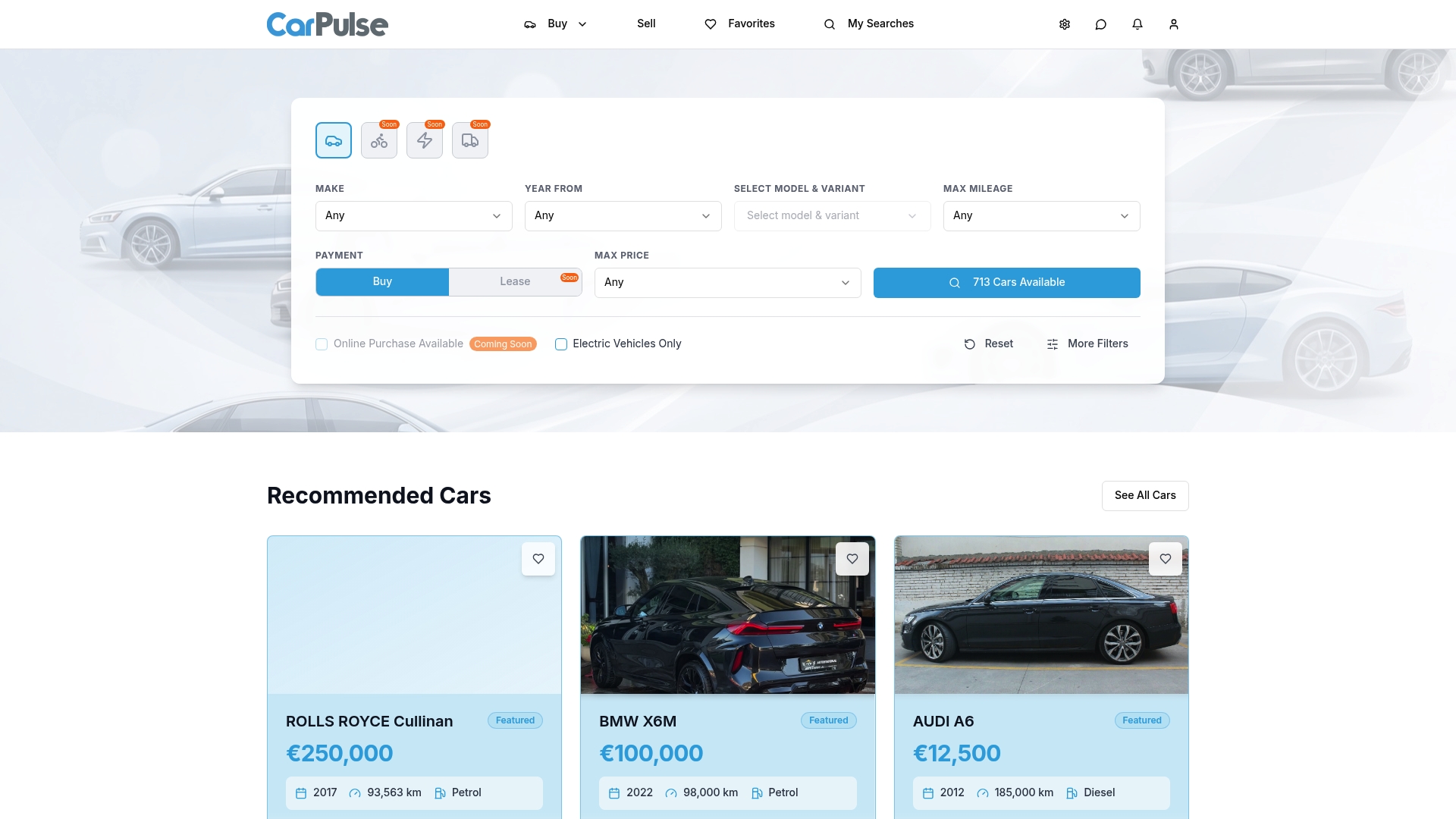
If you are looking for a car, browse new and used listings filtered by make, model, year, mileage, price and fuel type, then use the checklist above on any car you like.
FAQ
Is there an odometer disclosure statement in Albania like the US one?
The tool Albanian buyers rely on is the Technical Control Certificate, which records mileage from each inspection. The new model shows the readings from five inspections over ten years. Put the current reading in your written sale agreement as well.
Can I sell a car if I do not know its true mileage?
Yes, but do not claim a figure you cannot support. Say in the listing and in the agreement that the true mileage is unverified, and attach the certificate and service records you have. Traders are held to a duty of complete and accurate information, so dealerships should be especially careful.
What should I check when buying an imported used car?
Ask for the foreign registration date, service history and the reading from the first Albanian technical control. DPSHTRR can seek real-time odometer data from foreign counterparts when the reading differs. Compare all of it with the dashboard and the car’s wear.
What happens if someone tampers with an odometer?
DPSHTRR states that interfering with the odometer is punishable under the legislation in force. For the exact sanction in a specific case, consult a lawyer licensed in Albania or the competent authority.
When must ownership be registered after a sale?
Within 30 days. After that, administrative fines of 10,000 to 40,000 ALL apply, depending on how long the delay lasts. You can complete the transfer at the regional transport directorate or at DPSHTRR counters.
Sources
- Certifikata e Re e Kontrollit Teknik po Nxjerr në Pah të Gjitha Ndërhyrjet Abuzive me Kilometrazhin, DPSHTRR
- Certifikata e re e Kontrollit Teknik, DPSHTRR
- Kontrolli Teknik i Mjetit, DPSHTRR
- Leximi i odometrit në Certifikatën e Kontrollit Teknik, DPSHTRR
- Law “On Consumer Protection” no. 9902/2008
- Ndryshimi i Pronësisë së Mjetit, DPSHTRR
- DPSHTRR ju ofron kalimin e pronësisë direkt në sportelet tona