
Guides
Vehicle Homologation in Albania: What Owners Must Know
Vehicle Homologation in Albania: What Owners Must Know

Homologation of a vehicle in Albania (homologim automjeti) means confirming that a specific car or its production type meets Albanian technical and emissions standards, so it can legally be registered. Most passenger cars clear this through EU type approval; individual homologation applies to modified or non-EU vehicles.
Your first move should always be the same: find the vehicle’s EU Certificate of Conformity (COC) or the manufacturer’s original technical documents. If that paper exists, most of the process gets simpler fast.
- Check emissions class and age. VKM Nr. 633 sets the baseline: new cars need Euro 5, used passenger cars need at least Euro 4 and can’t be older than 10 years at first registration.
- Know who’s involved. The Ministria e Infrastrukturës oversees homologation policy, while the Drejtoria e Përgjithshme e Doganave (Customs) checks compliance at the border.
- Look into digital options. e-Albania is expanding online vehicle certification services, cutting down on in-person visits for some transport-related paperwork.
The e-Albania portal alone processed 1,565 online applications for intercity vehicle certification between January and September 2025, a sign that digital government services for vehicles are becoming the norm rather than the exception.
Key Takeaways
Homologation in Albania hinges on one document, the EU Certificate of Conformity, and buyers who secure it before purchase avoid most registration delays entirely.
| Point | Details |
|---|---|
| Check the COC first | Ask the seller for the EU Certificate of Conformity before finalizing any purchase. |
| Confirm Euro class and age | Used passenger cars need at least Euro 4 status and must be under 10 years old at registration. |
| Keep maintenance current | Regular upkeep helps homologated vehicles pass periodic technical inspections without delay. |
| Expect extra steps for non-EU cars | Vehicles outside EU/ECE conformity often need modifications before individual homologation is approved. |
| Use verified listings when buying | Carpulse’s VIN-based listings and verified sellers help you spot documentation gaps before customs does. |
Table of Contents
- What Happens After Registration: Ongoing Compliance Duties
- How Do You Handle Missing Documents From a Foreign Seller?
- Does Albania’s Homologation System Match EU Standards?
- What Do Buyers Get Wrong About Homologation?
- How Carpulse Helps You Prepare Before Homologation
- Where to Verify the Rules Yourself
- Frequently Asked Questions
- Sources
What Happens After Registration: Ongoing Compliance Duties
Homologation isn’t a one-time event you can forget about once your plates arrive. Once a vehicle clears customs and gets registered, Albanian rules still expect it to stay within the emissions and safety profile that got it approved in the first place.
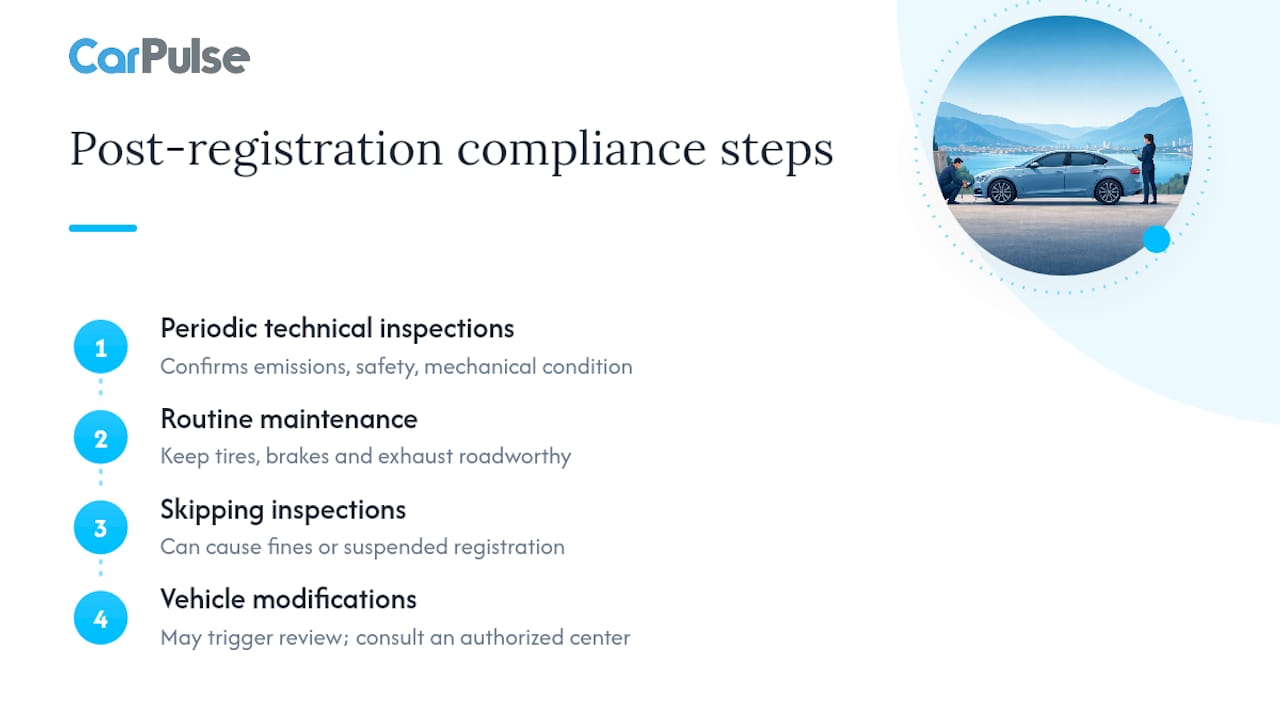
Periodic technical inspections are the main mechanism for this. These checks confirm the car’s emissions system, safety equipment, and general mechanical condition still match what was certified at registration. Skipping a scheduled inspection, or letting a car fall out of roadworthy condition, can create problems down the line, including fines or a suspended registration until the vehicle is brought back into compliance.
If you modify the vehicle after registration, such as swapping an engine, changing the fuel system, or adding aftermarket parts that affect emissions or structural safety, you may trigger a fresh review. That’s effectively a smaller version of individual homologation, and it’s worth checking with an authorized technical center before making changes that could affect your car’s certified status.
Routine maintenance matters here too. A car that’s mechanically sound is far more likely to sail through its periodic inspection without a hitch. Owners who stay ahead of basic upkeep, tires, brakes, exhaust condition, tend to avoid the repeat visits and paperwork delays that come with a failed check. Regular maintenance habits suited to Albanian road conditions can help keep a homologated vehicle in good standing long after the initial registration is done.
How Do You Handle Missing Documents From a Foreign Seller?
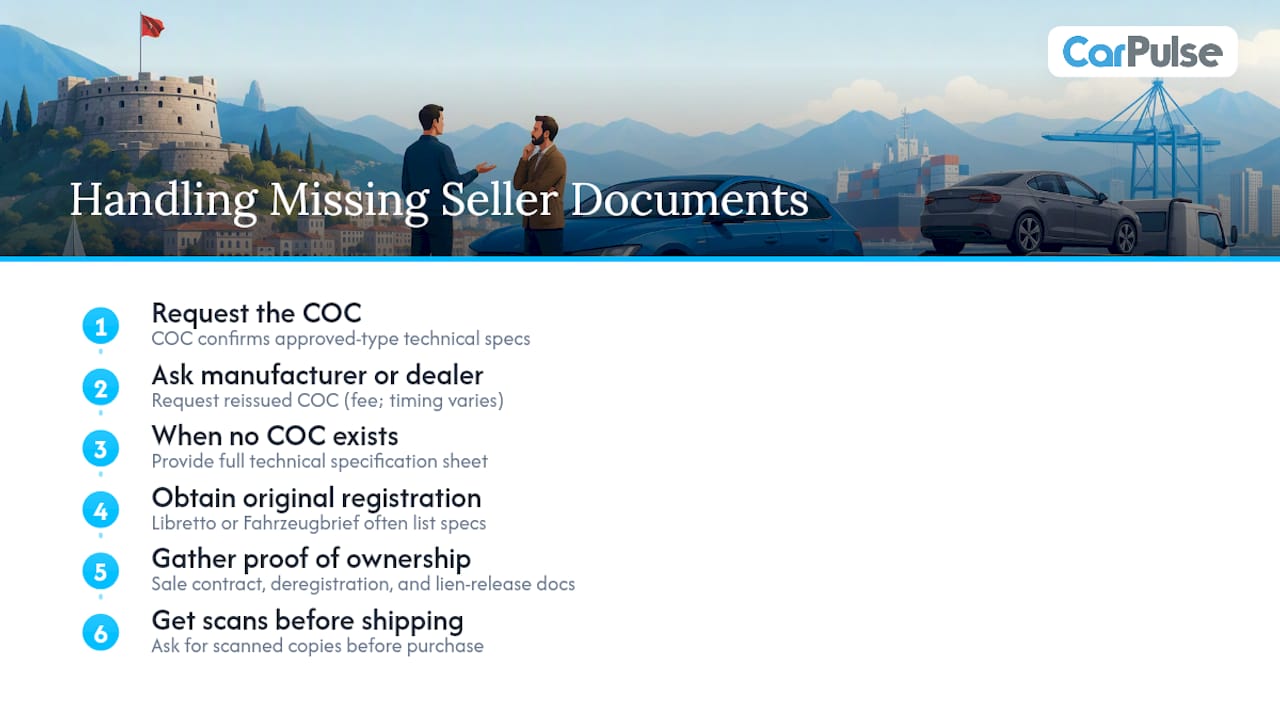
Contact the seller directly and ask for the COC first. This single document, issued by the manufacturer, confirms the vehicle’s technical specifications match an approved type, and its absence is the number one reason homologation stalls at customs.
If the seller can’t produce a COC, ask whether the manufacturer or an authorized dealer in the country of origin can reissue one. Most European manufacturers keep production records for years and can supply a replacement COC for a fee, though turnaround time varies by brand and market.
When no COC exists at all, such as with older vehicles or certain non-EU imports, you’ll need the full technical specification sheet instead: engine details, emissions data, chassis and safety certifications. Ask the seller for the vehicle’s original registration document (often called a libretto in Italy or a Fahrzeugbrief in Germany) since these frequently list the technical data an authorized center needs to start individual homologation.
Proof of ownership matters just as much as technical paperwork. Customs won’t process a vehicle without a clear ownership chain, so get the sale contract, deregistration certificate from the seller’s country, and any lien-release documents before the car ships. Buyers importing from Italy or Germany face slightly different document norms, and guides on importing from Italy or importing from Germany walk through what each country typically provides. When in doubt, ask the seller for scanned copies before you commit to a purchase, not after the car is already en route.
Does Albania’s Homologation System Match EU Standards?
Largely, yes. Albania doesn’t manufacture its own vehicles, so its homologation framework leans almost entirely on manufacturer and EU type approvals rather than domestic certification. That’s precisely why a valid COC carries so much weight here: it’s an EU-recognized document that Albanian authorities accept as evidence the vehicle already meets a recognized standard.
This alignment cuts both ways for owners. On one hand, a car homologated in Albania using EU documentation is generally easier to sell or re-export later, since its paperwork trail already matches European conventions buyers and customs agents elsewhere recognize. On the other hand, vehicles imported from outside the EU/ECE framework, U.S. market cars are the classic example, often need physical modifications before they can pass individual homologation, because their factory specifications were never built against European emissions or safety benchmarks.
Policy analysis on Albania’s homologation framework notes this reliance on manufacturer and EU-based approvals is deliberate: with no domestic vehicle production to regulate, Albanian rules essentially import Europe’s compliance work rather than duplicate it. For buyers thinking about resale value, this matters. A vehicle homologated cleanly under EU-aligned documentation tends to hold clearer paperwork history, which future buyers and dealerships weigh heavily when assessing a used car.
What Do Buyers Get Wrong About Homologation?
Most imported cars with a valid EU COC clear technical checks quickly. The vehicles that get stuck are almost always missing that one document, or they arrived from a market where EU/ECE conformity was never part of the equation to begin with.
I’ve seen the pattern repeat: buyers assume any European-market car will sail through, then discover the previous owner never kept the COC, or it went missing during a private resale years earlier. Before you commit to a purchase, ask the seller directly for it, and check e-Albania for any digital certification services that might apply to your case.
How Carpulse Helps You Prepare Before Homologation
Carpulse helps you check VIN data, spot listings with clear documentation, and connect directly with verified sellers, so the vehicle you buy is closer to homologation-ready before it ever reaches customs.
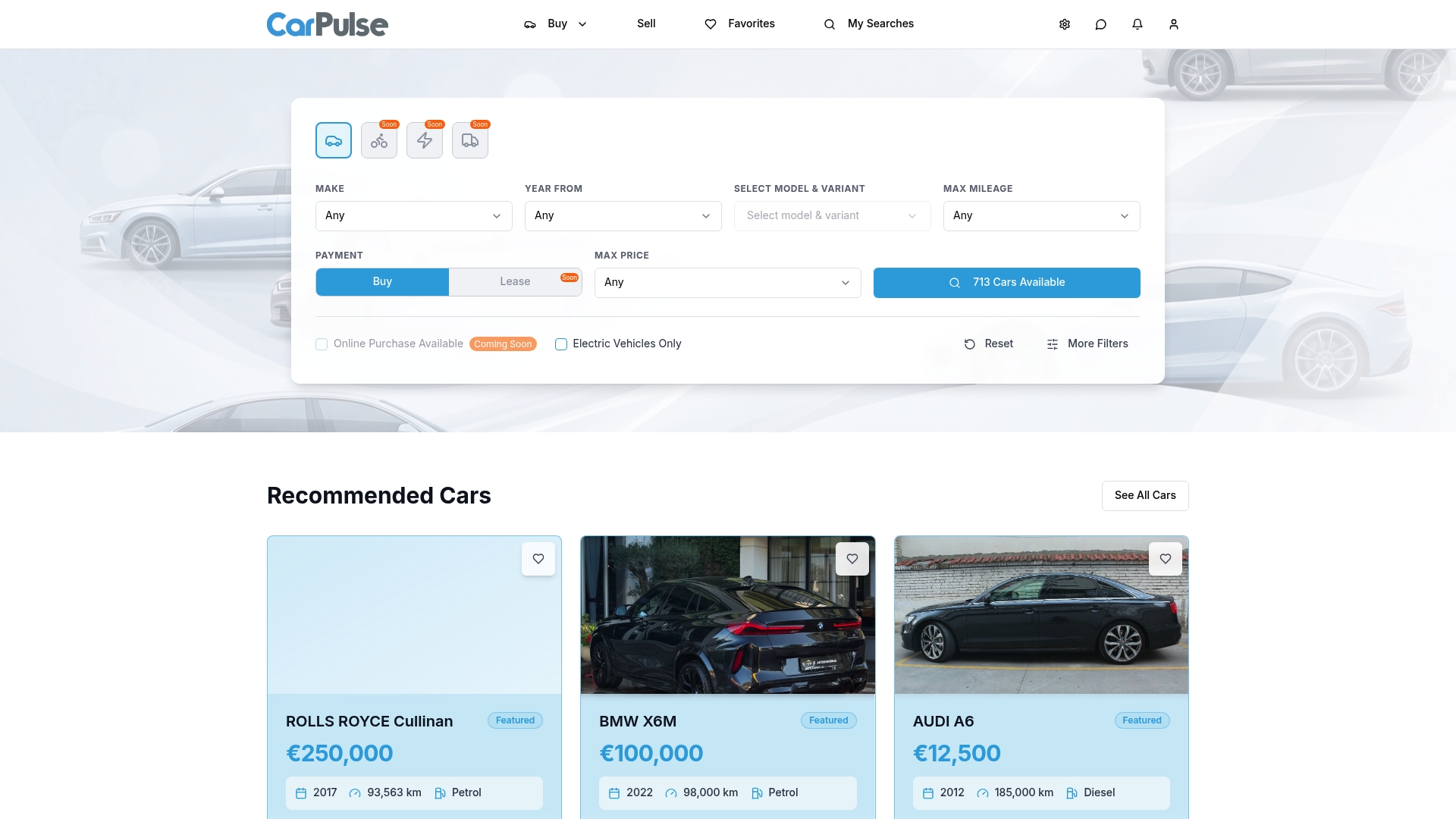
Carpulse isn’t a homologation authority, and it doesn’t replace the Ministria e Infrastrukturës or Dogana in that process. What it does is reduce the guesswork that causes delays in the first place: VIN-based listings populate technical details automatically, cutting down on the vague or incomplete specs that trip up individual homologation cases. Verified dealer listings also tend to come with cleaner paperwork trails, which matters enormously once you’re standing at a customs desk asking where the COC went.
If you’re shopping for an imported car and want to start with better odds, browse listings on the Carpulse marketplace and pair that with a look at the guide to buying a used car in Albania before you make an offer.
Where to Verify the Rules Yourself
- VKM Nr. 633 is the governing legal text on import and emissions eligibility.
- The Dogana entry-into-force notice confirms operational enforcement dates.
- e-Albania and EuroLab’s individual homologation guidance cover online services and inspection procedures respectively.
Frequently Asked Questions
What does “homologim automjeti” mean exactly? It refers to verifying that a vehicle, either through its manufacturer’s type approval or an individual inspection, meets Albania’s technical and emissions requirements before it can be registered.
Can I register a used car without a COC? Yes, but expect a longer process. Without a COC, you’ll typically need full technical specifications and may face individual homologation, which includes inspection and possibly required modifications.
What happens if my vehicle doesn’t meet Euro emissions standards? Customs can refuse import or registration outright. VKM Nr. 633 sets Euro 4 as the minimum for used passenger cars, with a 10-year age cap.
Can I appeal a rejected homologation or registration? Yes. You can request a review through the Ministria e Infrastrukturës or the relevant customs office, typically by providing missing documentation or evidence of a corrected technical issue.
Are U.S.-market cars harder to homologate in Albania? Often, yes. Cars built to U.S. standards usually lack EU/ECE conformity marks, which means they typically require documented modifications and approval through individual homologation before registration.
This article is general information, not a substitute for advice from a qualified lawyer. Consult a qualified legal professional about your own circumstances before acting on anything here.
Sources
- VKM Nr. 633, datë 26.10.2018 (Albanian Council of Ministers decision)
- Njoftim mbi hyrjen në fuqi të VKM Nr. 633, datë 26.10.2018 (Dogana notice)
- Homologimi Individual i mjeteve – QAK (EuroLab)
- HOMOLOGATION MONOPOLY (policy brief)
- Intercity Vehicle Certification Now Available Online via e-Albania | RTSH English