
Guides
Before Driving in Albania Check Test Drive Insurance, VIN &
Before Driving in Albania Check Test Drive Insurance, VIN & Permission

Compulsory motor insurance protects third parties, not the vehicle you are about to drive, so a test drive is never automatically “covered” in the way most people assume. Before you accept the keys, get written permission from the owner or dealer and ask them to confirm the policy details in writing. If you cannot get a straight answer on either point, do not drive the car.
TL;DR:
- Confirm written permission and insurer details before taking the vehicle to ensure the owner’s policy covers you during the test drive.
- Verify the minimum liability limits, deductibles, and exclusions in the owner’s insurance policy to understand potential out-of-pocket costs.
- Understand that liability generally extends to approved drivers, but reckless or unpermitted use shifts liability onto you personally.
- Short-term, vehicle-specific policies are optional and vary by insurer; always ask whether they cover test-drive incidents and confirm terms in writing.
- In case of an accident, quickly document the scene, exchange insurer details, and notify the owner and insurer within 30 days for a proper claim process.
Table of Contents
- What compulsory third-party insurance actually covers
- Who actually carries liability during a test drive
- A checklist to confirm cover before you take the wheel
- Short-term test-drive cover: what it is and its limits
- What to do immediately if something goes wrong
- Using an online car marketplace to cut down on verification guesswork
- A practical take on test-drive risk
- Find verified sellers before you ever need a checklist
- FAQ
- Sources
What compulsory third-party insurance actually covers
Compulsory motor insurance under Law No. 32/2021 exists to protect other people, not the car you are driving. It pays for damage you cause to third parties: their property, their injuries, and in the worst cases, their death. It does not automatically pay to fix the vehicle you are test-driving if you put it into a ditch.

That distinction, third-party liability versus comprehensive or own-damage cover, is the single most important thing to understand before you take a car out. One is required by law. The other is a separate, optional product that many owners simply do not carry.
Before you drive, look for:
- Who is listed as a permitted driver on the policy or the owner’s written permission.
- Any exclusions that might apply to someone other than the registered owner driving.
- The policy’s minimum liability limits, which set the ceiling on what third parties can claim.
- Deductibles or excess amounts that would fall on the owner, and potentially on you, if there is a claim.
Who actually carries liability during a test drive
Liability during a test drive usually tracks the vehicle’s compulsory insurance, not the person behind the wheel at that moment. Under Albania’s compulsory insurance law, an owner’s policy generally extends to cover third-party claims even when someone else is driving with the owner’s approval. That is good news for a test driver acting with permission, but it comes with conditions.
- The owner’s policy typically covers third parties when another driver has clear, approved use of the vehicle.
- A driver can become personally liable if they took the car without permission, drove recklessly, or otherwise acted outside what the owner authorized.
- When a policy is missing, lapsed, or insufficient, an injured third party can still pursue compensation through the insurer or the Compensation Fund, following the documentation rules set out in AMF’s claims-handling regulation.
The practical takeaway: approved use keeps you inside the owner’s coverage. Unapproved or negligent use can push liability back onto you personally, which is exactly why written permission matters so much.
A checklist to confirm cover before you take the wheel
Do this before you touch the ignition, not after you have already agreed to drive. A five-minute conversation now can save weeks of disputes later.
- Ask for proof of current compulsory insurance, including the insurer’s name and policy number.
- Note the VIN and registration number yourself, rather than relying on what you are told verbally.
- Get written permission, by text or e-mail, that names you specifically as an approved driver and states how long the permission lasts.
- Ask directly whether damage to the vehicle itself is covered, or whether you would be responsible for repairs or an excess payment if something goes wrong.
- If a dealer offers test-drive specific cover, ask for the insurer’s name and request the terms in writing rather than a verbal assurance.
Pro Tip: Keep every message about permission and insurance in one thread. If a claim ever comes up, that paper trail does more for you than memory ever will.
Short-term test-drive cover: what it is and its limits
Some insurers offer short-term, vehicle-specific policies meant to cover a single test drive or a short window of use. These are typically tied to the exact VIN of the car, run for a defined start and end time, and are bought specifically for that one drive rather than as an ongoing policy.
To buy one quickly, an insurer will usually need:
- The vehicle’s VIN, not just the make and model.
- The exact start and end time of the planned test drive.
- The driver’s details, including license information.
Availability and terms for this kind of policy vary significantly by insurer, and it is not a product every market or every seller will offer. Never assume a short-term policy exists just because you have heard of the concept. Ask the specific insurer whether they sell it and what it actually covers before you rely on it.
What to do immediately if something goes wrong
An accident during a test drive is stressful, but the order you handle things in affects both your safety and your ability to make a claim later.
- Check for injuries first, then move to safety if the vehicles are blocking traffic.
- Photograph the scene, the vehicles, the VIN, and both license plates before anything is moved.
- Exchange insurer names and policy numbers with everyone involved, and request a police report if the situation calls for one.
- Notify the owner or dealer and the insurer promptly, since delays can complicate how a claim is handled.
Insurers in Albania are required to communicate a claim adjustment or refusal within a 30-day window under AMF’s claims regulation, so keep a record of exactly when you submitted documentation. That 30-day clock is your benchmark for following up if you hear nothing.
Using an online car marketplace to cut down on verification guesswork
Checking a seller’s details before a test drive is easier when the listing itself gives you something to verify against. On CarPulse, VIN-based listings populate vehicle data automatically, which gives you a VIN to cross-check against whatever the seller shows you in person, and verified-dealer badges flag sellers who have already been through a basic review.
- Prioritize listings with verified-dealer status when you are choosing which cars to go see.
- Use the platform’s messaging tools to ask for the insurer’s name, policy number, and written permission before you arrange to collect the keys.
- Keep the message thread saved, since it doubles as written evidence of the permission you were given and when.
A practical take on test-drive risk
Most people skip the verification step because asking feels awkward, not because the risk is low. A seller who hesitates to confirm their insurer’s name or put permission in writing is telling you something, even if they do not say it out loud.
Written confirmation costs you nothing and takes a few minutes. If the answers are vague or slow in coming, wait. A car that is still for sale next week is a better outcome than a dispute you cannot easily resolve.
— Henri
Find verified sellers before you ever need a checklist
Confirming insurance and permission is far easier when you are dealing with a seller who already expects to answer those questions. On CarPulse, VIN autofill means a seller’s listing already states the exact vehicle you would be driving, and verified-dealer listings give you a baseline of trust before you even send a message.
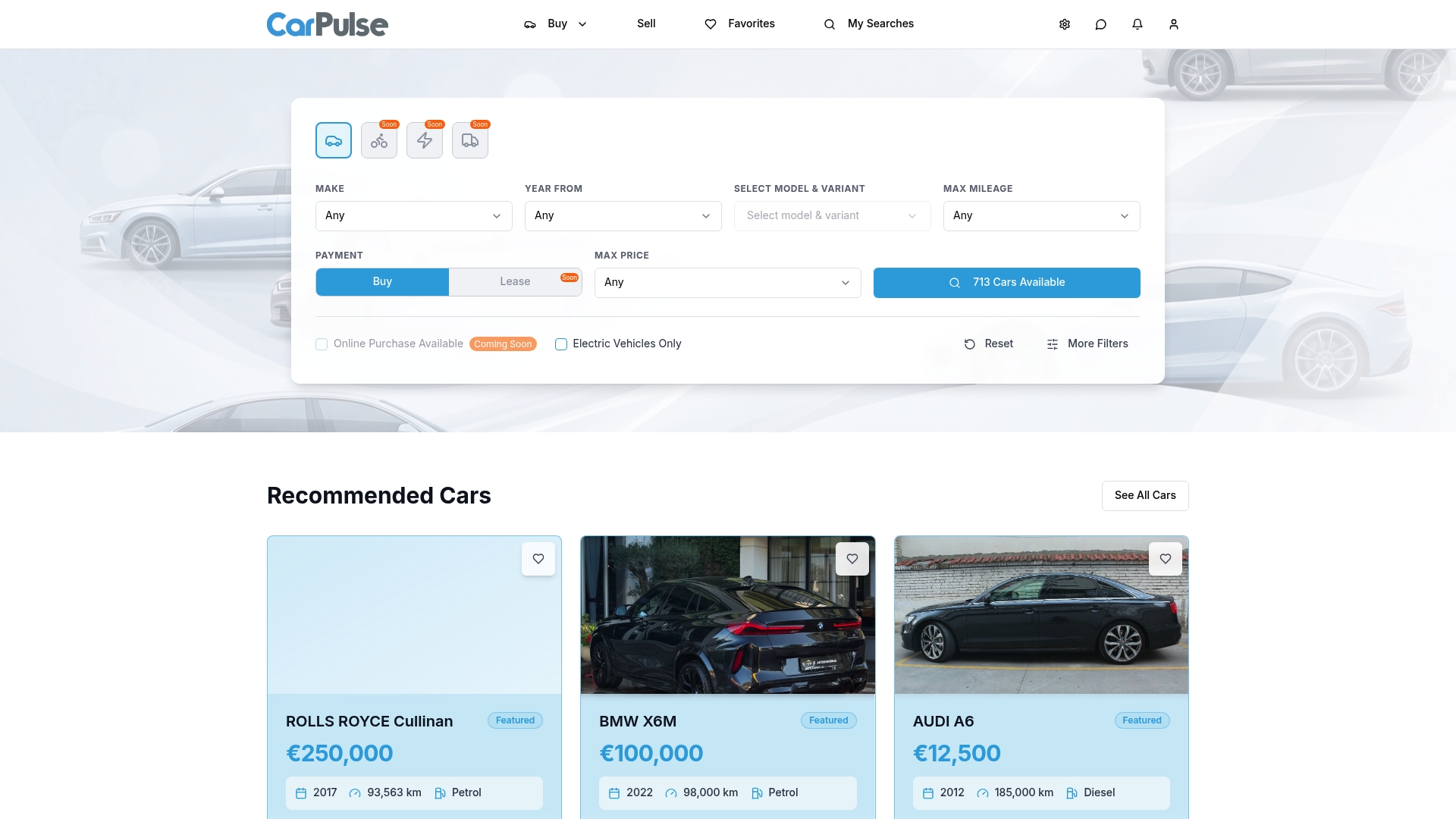
We built messaging into the platform specifically so buyers can ask for an insurer’s name, a policy number, and written permission, and keep that exchange saved in one place rather than scattered across texts and calls. For sellers who want the same accuracy and trust signals working in their favor, our Basic and Premium plans start at €14.99 per month. Browse current listings and start that conversation on CarPulse.
FAQ
Does my personal car insurance cover me on a test drive?
Personal insurance policies vary widely in what they extend to, and many do not automatically cover a vehicle you do not own. Always ask the owner or dealer directly whether their compulsory insurance covers you as a permitted driver, rather than assuming your own policy follows you into someone else’s car.
What happens if I’m in an accident during a test drive?
Check for injuries, photograph the scene and both vehicles’ plates and VINs, then exchange insurer and policy details with everyone involved. Notify the owner or dealer and the relevant insurer promptly, since AMF’s claims regulation requires insurers to respond to claim documentation within 30 days.
Is it worth getting extra insurance for a test drive?
If a short-term, vehicle-specific policy is available from an insurer, it can close the gap between third-party liability and the own-vehicle damage you might otherwise be responsible for; understanding insurance-approved car trackers can also help inform your options for coverage. Availability and terms differ by insurer, so ask directly what is on offer before assuming you are covered either way.
What is an open drive policy?
An open drive policy generally refers to cover that allows a named driver to operate a vehicle that is not registered in their name, often used by dealers for demonstration or test-drive purposes. Terms and availability depend entirely on the insurer offering it, so request written confirmation of what it covers before relying on it.
Do dealerships and private sellers handle test-drive insurance differently?
Dealerships are more likely to have a defined process or dedicated cover for test drives, while private sellers often rely solely on their existing compulsory policy. Either way, ask for the insurer’s name and written permission before driving, since the legal baseline of third-party coverage applies to both.