
Guides
Buy Smart in Albania, What a Salvage Title Means and How to
Buy Smart in Albania, What a Salvage Title Means and How to Verify It

A salvage title is a label an authority or insurer attaches to a vehicle’s record after declaring it a total loss, usually because repair costs would exceed what the car is worth. The brand follows the car permanently, and it changes how the vehicle can be registered, insured, and resold. The exact rules for applying and clearing that brand vary by jurisdiction, so what holds in one state or country may not hold in another.
TL;DR:
- A salvage title indicates a vehicle was declared a total loss due to damage exceeding its value, and this brand permanently affects registration and resale.
- The thresholds for declaring a total loss vary by jurisdiction, and imported vehicles may retain the original foreign salvage brand, complicating registration.
- A salvage vehicle is not roadworthy until repaired, inspected, and often rebranded as rebuilt, with safety and insurance severely restricted if branded as salvage or rebuilt.
- Verifying a vehicle’s full history through VIN reports, repair invoices, and independent inspections is crucial since the salvage label alone does not guarantee repair quality.
- Cross-border and online sales pose risks of title washing, making thorough documentation even more essential before purchase.
Table of Contents
- How insurers and registries decide a vehicle is salvage
- Salvage, rebuilt, and other branded titles compared
- What a salvage brand means for safety, insurance, and resale
- How to verify a vehicle’s title history and roadworthiness
- Should you buy a salvage title car? a checklist and red flags
- How CarPulse supports safer used-car shopping
- What matters most when you’re weighing a salvage title
- Find transparent listings and VIN-checked vehicles
- FAQ
- Sources
How insurers and registries decide a vehicle is salvage
Insurers usually declare a total loss when the estimated repair cost crosses a set percentage of the vehicle’s market value, a threshold that differs by state and insurer. The most common triggers are:
- Collision damage severe enough that repairs cost more than the car is worth.
- Flood or fire damage that compromises the frame, wiring, or interior.
- Theft recovery after the insurer already paid out a claim and the car turns up damaged or stripped.
Once an insurer makes that call, it reports the total loss to the state or national vehicle registry, which stamps the title “salvage.” Thresholds and categories differ widely: some jurisdictions brand any total loss as salvage regardless of cause, while others separate flood or theft losses into their own categories. A car imported from another country carries its own complication, since the origin title brand does not automatically transfer or clear through customs clearance in the destination market, and the buyer has to confirm registrability separately from the import process itself.
Salvage, rebuilt, and other branded titles compared
Buyers often mix up “salvage” and “rebuilt,” but the two describe opposite ends of the same process.
- A salvage title means the vehicle was declared a total loss and has not yet been repaired or reinspected: it generally cannot be driven or insured for normal road use in that state.
- A rebuilt title (sometimes called “salvage rebuilt”) is issued after the car has been repaired and passed a state inspection, allowing it back on the road under its new brand.
- Other common brands include flood title (water damage specifically), junk or non-repairable title (the vehicle cannot legally be returned to the road), and clean title (no reported total loss or major damage).
The gap between these categories creates an opening for title washing, where a salvage-branded car is moved across state or national lines and re-registered somewhere with looser branding rules, sometimes emerging with a clean title that hides its real history. Cross-border resales raise the same risk, which is why a single state’s record is never the full picture.
What a salvage brand means for safety, insurance, and resale
A salvage or even a rebuilt brand changes the math on nearly every part of owning the car.
- Safety: a salvage history signals damage significant enough to total the car, and a rebuilt label only confirms the vehicle passed one state’s inspection standard, not that every repair was done to factory specification.
- Insurance: many insurers cap coverage at liability-only or refuse to write a policy at all, and the ones that do often charge higher premiums to offset the unknown repair quality.
- Financing: lenders frequently decline loans on salvage or rebuilt vehicles, or approve them only at higher rates, since the collateral is worth less and harder to resell.
- Resale value: a branded title permanently lowers the car’s market value compared to an equivalent clean-title vehicle, even after a quality rebuild.
- Registration: some states require a separate structural or safety inspection before a rebuilt title can be issued, and a few restrict salvage vehicles from registration entirely.
Pro Tip: Ask any seller for the original insurer’s total-loss report before you negotiate price. It tells you the actual damage category, not just the word “salvage” on the title.
How to verify a vehicle’s title history and roadworthiness
Treat the title brand as a starting point, not a verdict. Work through these steps in order:
- Run a VIN-based vehicle history report to check for title brands, reported accidents, and odometer discrepancies across jurisdictions.
- Request the insurer’s total-loss estimate, any repair invoices, and the inspection certificate issued when the title was rebuilt.
- Order an independent mechanical inspection from a shop with no connection to the seller, covering the frame, suspension, electrical system, airbags, and signs of prior flooding like corrosion or musty odors.
- Confirm local registration and clearance rules before buying an imported or branded vehicle, since customs guidance covers duties and clearance but not whether a foreign salvage brand will be accepted at registration.
A title brand only records what was reported about a vehicle’s status, not the quality of any repair that followed, which is why a history report and a hands-on inspection answer two different questions and neither substitutes for the other.
Should you buy a salvage title car? a checklist and red flags
Buying salvage can make sense if you are building a project car, need parts, or are getting a steep discount on a vehicle with complete, verifiable paperwork. It rarely makes sense as a daily driver you plan to finance or resell quickly.
Watch for these red flags before you commit:
- Missing or incomplete repair records, especially no inspection certificate for a “rebuilt” title.
- A VIN history that shows multiple state registrations in a short span, a common title-washing pattern described in a salvage-versus-rebuilt comparison.
- Visible frame misalignment, uneven panel gaps, or fresh undercoating that could mask structural repair.
- Repair invoices that do not match the damage described in the insurer’s total-loss report.
Pro Tip: Price the car as if you will need additional inspection and re-registration costs on top of the sale price, then decide if the discount still makes sense.
Before signing anything, run the VIN check, get an independent inspection in writing, collect receipts for every repair claimed, and confirm whether your state requires a retest before the title can be reissued.
How CarPulse supports safer used-car shopping
We use VIN-based listing so vehicle details populate automatically, and buyers can filter by dealers and review listing history before contacting a seller, adding one more layer of transparency to a salvage-title decision.

What matters most when you’re weighing a salvage title
Most advice on this topic treats the title brand itself as the risk, when the real risk is incomplete documentation. A well-documented rebuilt car with a full inspection trail can be a reasonable buy. A clean-titled car with gaps in its service history can hide problems a salvage brand would have at least flagged.

The conventional wisdom to “just avoid salvage titles” oversimplifies a decision that depends more on paperwork quality than on the brand itself. What the research here actually supports is this: prioritize the verification trail over the label. A VIN history report, an independent inspection, and a seller willing to produce repair invoices tell you more than the word “salvage” or “rebuilt” ever will on its own.
If you’re shopping across borders or importing a vehicle, confirm registration rules before you fall in love with the price. A branded title that cannot be re-registered locally is not a bargain, it is a car you cannot legally drive.
— Henri
Find transparent listings and VIN-checked vehicles
We know title uncertainty is the main reason buyers hesitate on a used car, so our marketplace is built to cut that uncertainty down. Every listing uses VIN-based data entry, which pulls vehicle details directly from the VIN instead of relying on a seller’s manual description, and filters let you narrow results to verified dealers before you send a message.
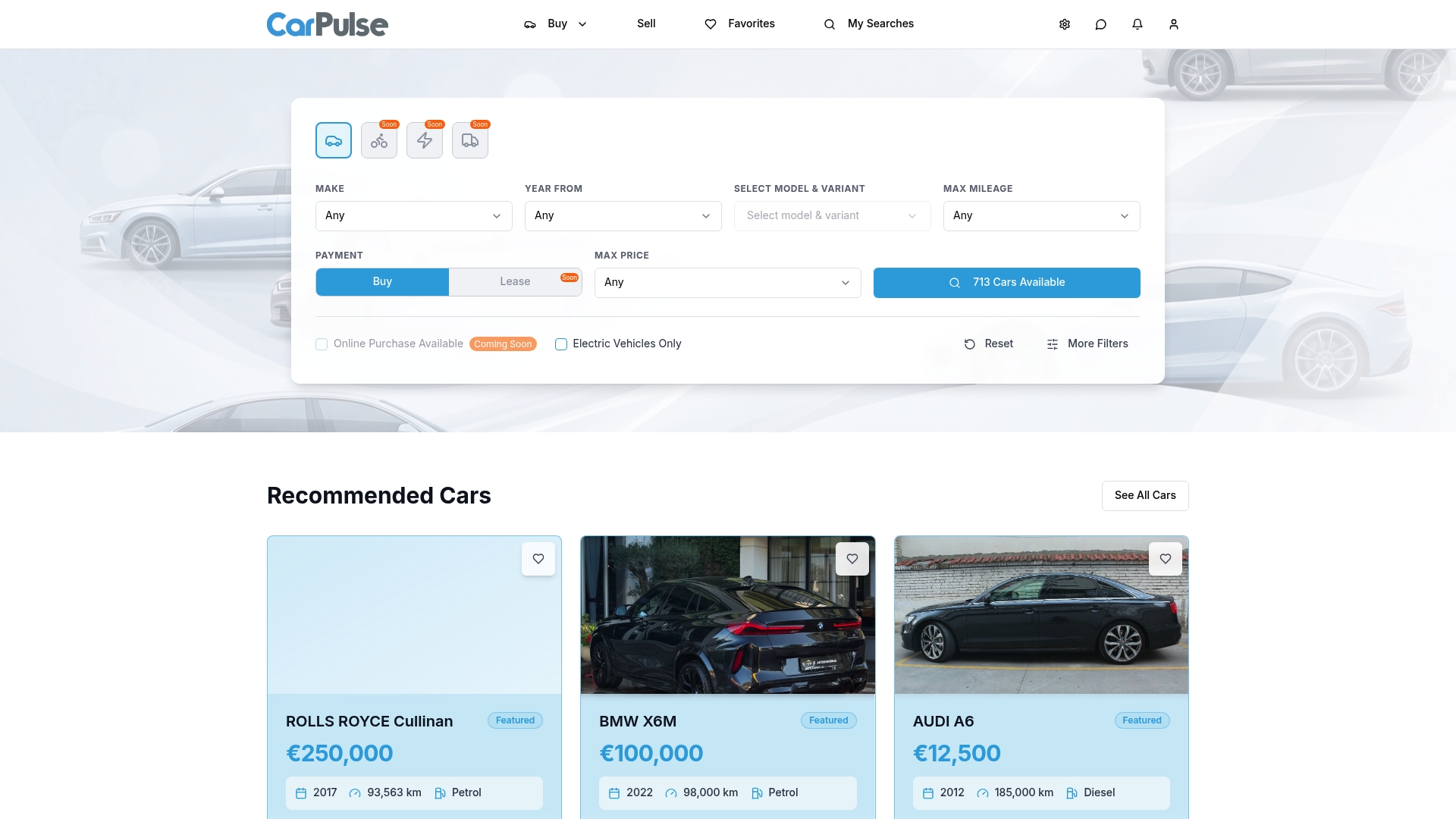
Here’s what that means for your search:
- VIN-based listings populate make, model, year, and specs automatically, reducing the chance of a mismatched or incomplete description.
- Dealer accounts give you a known business to contact instead of an anonymous seller.
- Filtering by mileage, price, and fuel type helps you compare clean-title and branded options side by side.
- A buyer account lets you save searches and bookmark listings while you run your own VIN and inspection checks.
If you are ready to browse, start with our verified vehicle listings, or check our Basic and Premium plans if you are the one listing a car to sell.
FAQ
Is it recommended to buy a salvage title car?
It can make sense for a project car, parts, or a deep discount, but only with complete documentation: an insurer’s total-loss report, repair invoices, and an independent inspection. Without that paperwork trail, a salvage or rebuilt title carries real safety and resale risk.
What is a salvage title in Canada?
In Canada, as in the United States, a salvage title marks a vehicle an insurer declared a total loss, and criteria and categories vary by province. A salvage-versus-rebuilt guide for Canadian buyers breaks down what each brand means before resale.
Can I drive a salvage title car in Indiana?
A pure salvage title generally cannot be driven on public roads until the vehicle is repaired, inspected, and reissued a rebuilt title under state rules. Requirements for that inspection and retitling process vary by state, so confirm current rules with your local motor vehicle agency before buying.
What’s the difference between a rebuilt title and a salvage title?
A salvage title means the vehicle was declared a total loss and has not been repaired or reinspected, while a rebuilt title is issued after repairs pass a state inspection and the car is cleared to return to the road. A rebuilt brand confirms an inspection happened, not that every repair meets factory standards.