Guides
Albania Buyers: Marketplace VIN Checks Expose Vehicle...
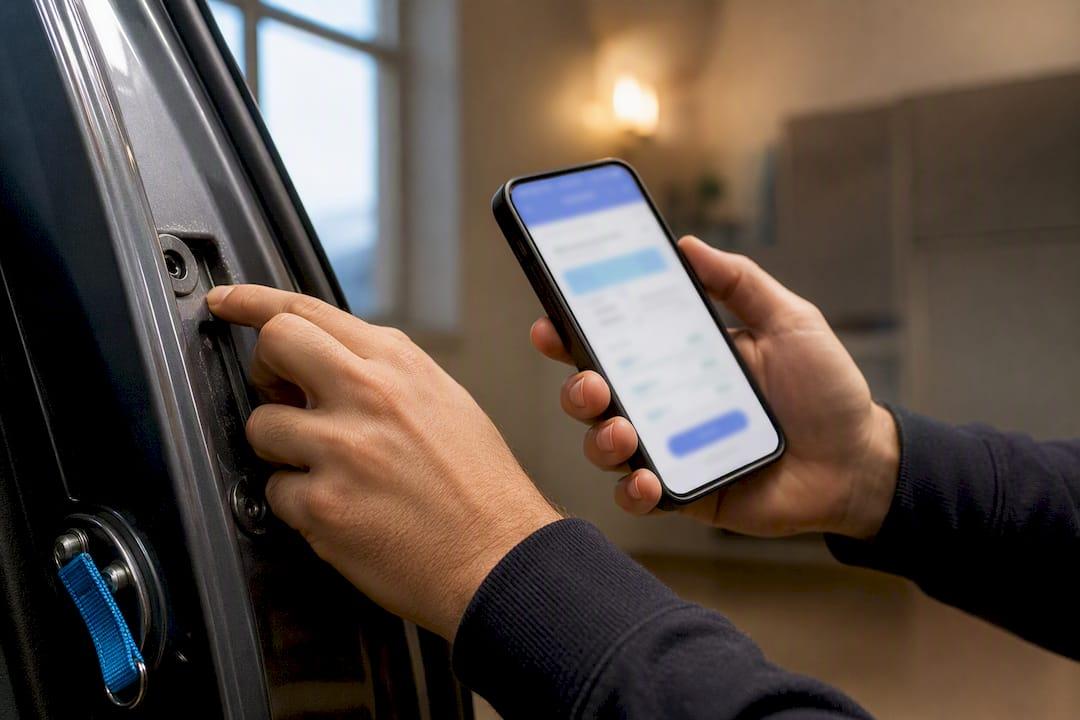
Albania Buyers: Marketplace VIN Checks Expose Vehicle History Gaps
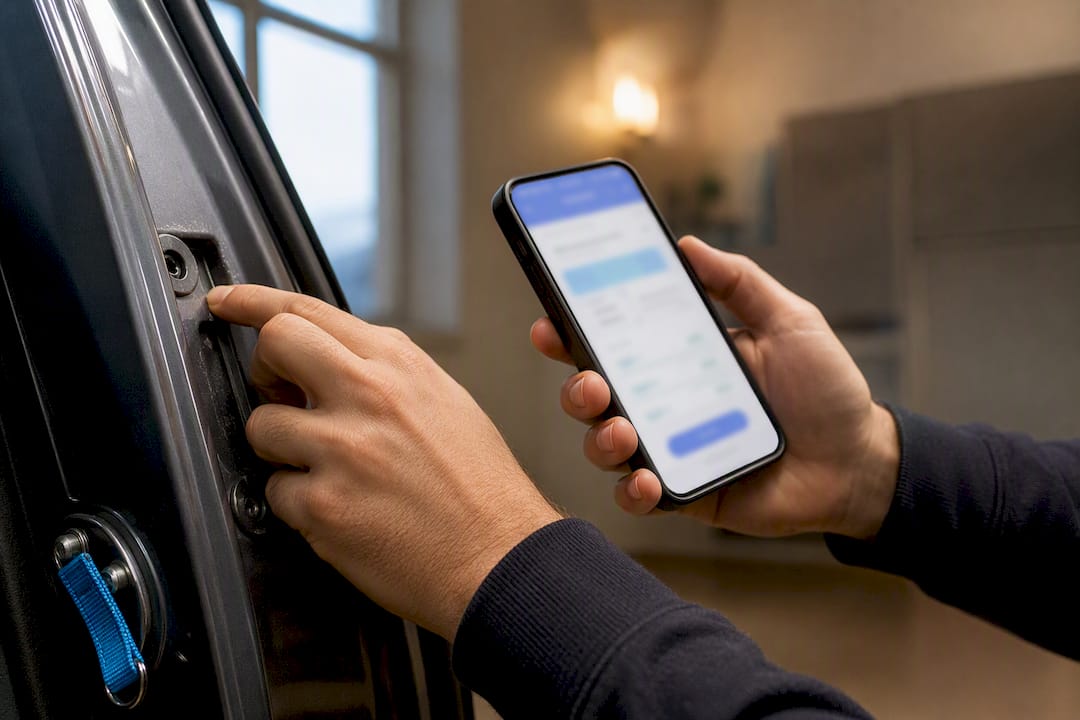
A vehicle history report is a VIN-based summary that pulls together a car’s recorded accidents, mileage entries, ownership changes, and legal status (theft, liens, salvage) into one document. If you’re about to buy a used car, get that report and then physically check the VIN against the car and its documents before you hand over any money. Skip either step and you’re buying on trust alone.
TL;DR:
- Vehicle history reports cost between €15 and €25 and should include VIN decode, ownership, accident, odometer, and legal status information.
- Always verify the VIN on the report against the car’s chassis plate, door jamb, and registration document to detect tampering or misrepresentation.
- The completeness of reports depends on cross-border data sharing; private repairs and recent incidents might not appear, so supplementary documentation is essential.
- Rely on original service receipts and physical inspections along with the report to accurately assess a used car’s history.
- Marketplaces like Carpulse integrate VIN-based checks into listings, helping buyers verify vehicle details and market value before purchase.
Table of Contents
- Raporti i Historikut të Makinës: Çfarë Duhet të Përmbajë
- Historiku i Automjetit: How to Actually Get the Report
- How to Read the Report Without Getting Fooled
- What Reports Cost and What They Miss
- Why I Trust the VIN Over the Seller’s Word
- Check the VIN Before You Check Out a Listing
- Sources
- FAQ
Raporti i Historikut të Makinës: Çfarë Duhet të Përmbajë
A proper raport historiku i makine starts with a VIN decode: make, model, year, engine size, and production details pulled straight from the 17-character identification number. That part is mechanical and reliable. What comes after it is where reports differ, and where you need to read carefully.
Here’s what a solid vehicle history report should show:
- VIN decode and vehicle identity — confirms the car in front of you matches what’s on paper.
- Registration and ownership history — how many owners, and in some cases which countries the car was registered in.
- Accident and damage records — including salvage, total-loss, or auction flags if the car passed through an insurance write-off at any point.
- Odometer entries over time — a timeline of recorded mileage that lets you spot a rollback.
- Service-record snapshots — maintenance stops that were logged with a garage or dealer network.
- Theft and lien indicators — whether the vehicle is reported stolen or still tied to an outstanding loan.
- Safety recalls or manufacturer campaigns — factory-issued fixes tied to that specific VIN.
Not every provider pulls from the same databases. European VIN-data services advertise checks across multiple markets, but they’re upfront that data availability depends on which countries and insurers actually feed their partner databases. A car that spent its life in one country with a cooperative registry will have a richer file than one that crossed three borders. Treat a thin report as a prompt to dig further, not proof the car is clean.
Historiku i Automjetit: How to Actually Get the Report
Getting a usable historiku i automjetit takes three steps, and skipping the first one is the most common mistake buyers make.
- Find the VIN. It’s stamped on the chassis plate (usually under the hood or in the driver-side door jamb), etched into the windshield’s lower corner, and printed on the registration document. Write it down exactly, character for character.
- Run the VIN through a report service, or request one from the seller. Commercial VIN-report providers typically compile accident history, mileage verification, service history, and legal status into a single document. Dealers sometimes already have a report on file, especially for vehicles imported from Germany or Italy.
- Compare the decoded VIN against the physical car and the paperwork. Any mismatch between what the report says and what’s stamped on the vehicle is worth stopping over.
Where you get the report matters. Paid VIN services tend to consolidate more databases and give you longer access to the file. Marketplace-integrated checks are convenient since they’re tied directly to a listing. Dealer-provided reports save you money but come from a party with an interest in the sale going through, so verify them independently when the price justifies it.
On cost and speed: some providers deliver a report immediately after payment, with base prices for a full report often landing in the €15 to €25 range. A quick free check is fine for weeding out obviously stolen or salvage-titled cars early in your search. Once you’re seriously considering a specific vehicle, pay for the full report. The few euros are nothing next to the cost of a car with hidden accidents.
How to Read the Report Without Getting Fooled
The report is only half the job. The other half is standing next to the car with the document in hand, checking that the numbers match reality.
VIN matching comes first. Compare the VIN on the report against at least two physical locations: the chassis plate and the door jamb stamp, plus the number on the registration document. A mismatch between the reported VIN and the one stamped on the car is one of the clearest signs of tampering, and it should stop the deal cold until you get answers.
Other things worth flagging as you read through the entries:
- Odometer jumps that go backward, or long gaps between service visits followed by a suspiciously low reading.
- “Salvage” or “auction” labels, which usually mean an insurer once declared the car a total loss.
- Multiple countries of registration with no clear import paperwork, since a legitimate import leaves a customs and registration trail.
- Missing service history on a high-mileage car, especially one that’s supposedly had regular maintenance.
- Structural damage entries, which carry different implications than a bumper repair. A repainted panel is cosmetic. A bent frame or airbag deployment affects long-term safety and resale value, even after repair.
Some gaps are normal and not a red flag by themselves. Albania’s inspection rules, for instance, don’t require a first inspection until three years after initial registration, so a newer car with no early inspection stamps isn’t hiding anything.
Pro Tip: Ask the seller for original service invoices and stamped maintenance booklets, not just a verbal history. A report confirms the big events; paper receipts confirm the small, honest ones that never make it into a database.
Before you commit, walk away if the VIN doesn’t match, if the odometer history has unexplained drops, or if the seller can’t produce a single supporting document for a car with an eventful past.
What Reports Cost and What They Miss
A full VIN report from a Europe-focused provider generally runs somewhere in the €15 to €25 range, delivered within minutes of payment on most platforms. That’s the easy part. The harder part is understanding what these reports don’t catch.
Private repairs paid in cash rarely make it into any database. Cross-border data is uneven. A car registered in one country and later moved to another may show a clean file simply because the destination registry never received the older records. Registration updates can lag behind reality by weeks or months, so a very recent accident or ownership change might not show up yet.

Import history complicates things further. Customs clearance procedures for vehicles brought in on foreign plates involve their own paperwork trail, including VAT applied to the customs value, and that process doesn’t always sync cleanly with the history-report databases. If you’re eyeing a car that came from abroad, ask specifically for the import and customs documents alongside the VIN report.
The fix isn’t a better report. It’s combining what you have:
- A paid VIN history report for the digital trail.
- Original service receipts and stamped booklets for anything private repairs might have missed.
- A physical test drive and inspection at a trusted garage before you sign anything.
Why I Trust the VIN Over the Seller’s Word
Every seller believes their own story about the car. The VIN doesn’t have an opinion. That’s the entire case for running a report before you negotiate anything, and it’s why marketplaces that build VIN checks into the listing process are solving a real problem, not adding a gimmick.
When a platform auto-populates listing details straight from the VIN, it removes the chance for a seller to “forget” a detail that a database would have caught anyway. Some marketplaces use VIN-based autofill on listings, paired with history-check support, to improve accuracy at the listing stage and help buyers avoid issues later. Still, no report replaces a hand on the chassis plate. Verify what the document says against what you can touch and see, every single time.
— Henri
Check the VIN Before You Check Out a Listing
Some marketplaces integrate VIN checking into their listing creation process so that listings include vehicle data extracted from the VIN, helping ensure that the make, model, and specs correspond to the car’s registration rather than just seller input.
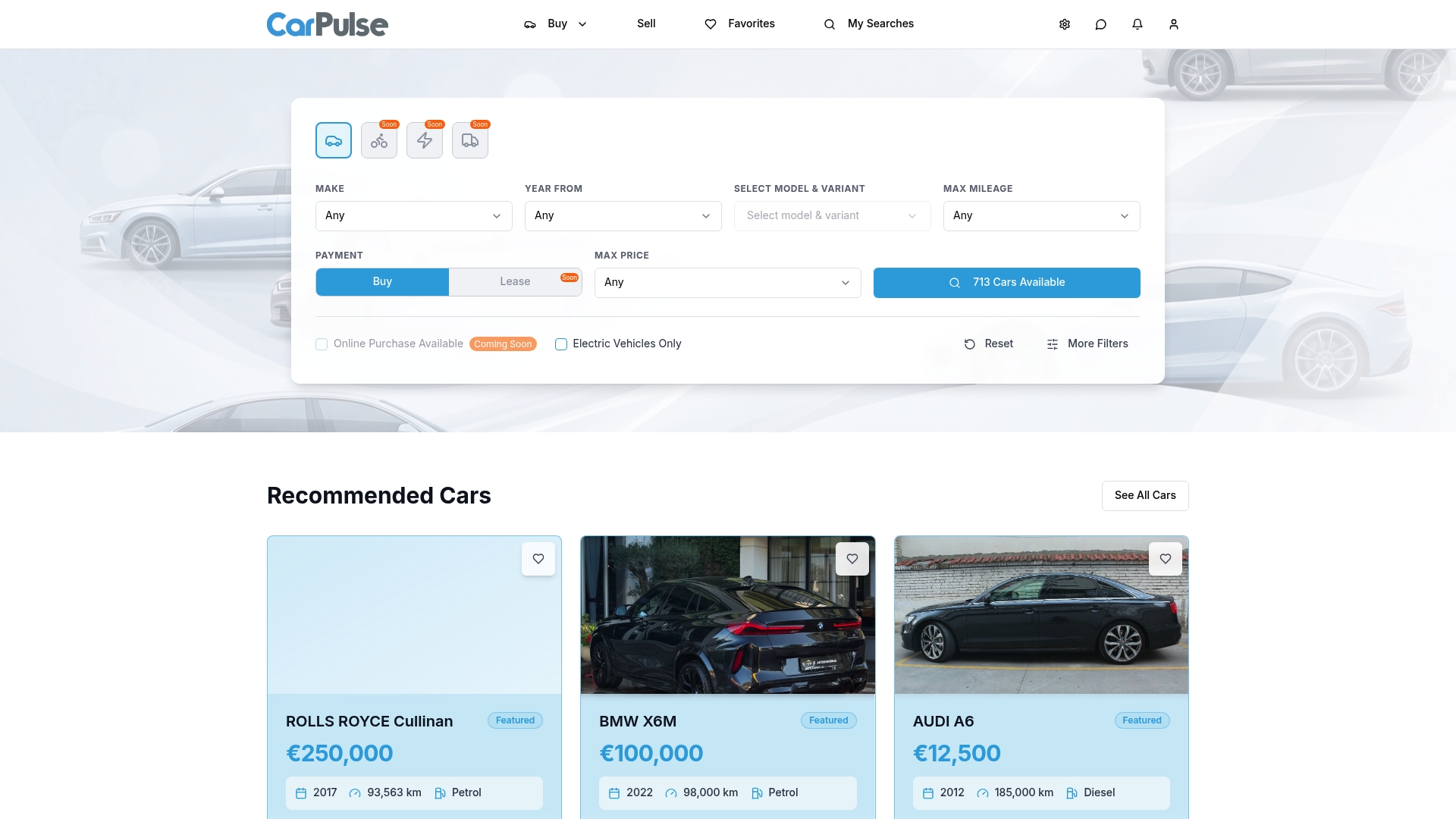
That same VIN infrastructure supports free car valuation, so you can sanity-check whether an asking price lines up with the car’s actual specs and market position before you contact anyone. Browse listings from Carpulse’s verified dealer network, where dealers have already been vetted, or search independently listed vehicles with the same VIN-backed data behind them. If you’re closer to selling than buying, the Carpulse pricing page breaks down the Basic and Premium listing tiers, starting at €14.99 per month for Basic. Either way, start at the Carpulse marketplace and search by make, model, or price range to see VIN-populated listings for yourself.
Sources
For deeper reading, check INSTAT’s transport statistics on registration trends, the customs guidance on vehicle imports, and provider pages like AUTOkm for report-content examples.
FAQ
What Is a Vehicle History Report?
It’s a VIN-based document that compiles a car’s accident history, recorded mileage, ownership changes, and legal status like theft or liens. Providers typically pull from insurance, registration, and service databases, though exact coverage depends on the provider and country.
How Much Does a Vehicle History Report Cost?
Full reports from Europe-focused VIN services commonly cost around €15 to €25 and arrive within minutes of payment. A basic free check can rule out obvious red flags before you spend anything.
Can a Vehicle History Report Be Wrong or Incomplete?
Yes. Private repairs paid in cash often never reach a database, and cross-border data gaps mean an imported car’s file can look cleaner than its actual history. Always pair the report with physical VIN verification and original service documents.
Where Do I Find the VIN on My Car?
Check the chassis plate under the hood, the stamp inside the driver-side door jamb, and the lower corner of the windshield. The same number should also appear on your registration document.
Does Carpulse Offer VIN-Based History Checks?
Carpulse uses VIN-based autofill to populate listing details automatically and supports history-check features so buyers can verify a car’s background before contacting a seller. Pricing for seller plans, including Basic and Premium tiers, is listed on the Carpulse pricing page.