
Guides
5 Questions That Decide: Plug In or Regular Hybrid for Your
5 Questions That Decide: Plug In or Regular Hybrid for Your Commute

A plug-in hybrid (PHEV) is a part-time electric car with a bigger battery you can charge, while a regular hybrid (HEV) cannot be plugged in at all. Choose a PHEV if you have reliable charging access and drive mostly short trips; choose a hybrid if you want simplicity and never want to think about a charging cable.
TL;DR:
- A plug-in hybrid’s electric range and charging habits heavily influence its advantages, with consistent charging providing significant fuel and emission savings.
- Charging access, such as having a garage or driveway, is crucial for maximizing a PHEV’s benefits, especially for daily commuting.
- The total cost of ownership depends on upfront premium, fuel savings only realized with regular charging, and potential cargo space reductions.
- Real-world emissions for PHEVs can be higher than laboratory estimates if owners rarely charge or drive on gasoline, particularly on dirty electricity grids.
- Long-distance drivers without reliable charging options are generally better served by standard hybrids for simplicity and lower initial costs.
Table of Contents
- How hybrids and plug-in hybrids actually work
- What electric range and charging actually look like day to day
- Costs and ownership trade-offs you need to weigh
- The real environmental impact depends on your charging habits
- Which should you buy? A short decision checklist
- A buyer’s perspective worth considering before you decide
- Where to look next: browsing hybrids and plug-in hybrids
- FAQ
- Sources
How hybrids and plug-in hybrids actually work
Both vehicle types pair a gasoline engine with an electric motor and battery, but the size of that battery and what you can do with it changes everything else about ownership.
A standard hybrid carries a small battery, often under 2 kilowatt-hours, that recharges only through regenerative braking and the engine itself; you never plug it in. The electric motor assists the engine at low speeds, smooths out acceleration, and lets the car coast or idle on electricity alone for short stretches, usually a mile or two before the gas engine kicks back in.
A plug-in hybrid uses a much larger battery, commonly in the 10 to 18 kilowatt-hour range, paired with a charging port so you can refill it from a wall outlet or a home charging station. That size difference is the entire story: it lets a PHEV drive on electricity alone for real commuting distances instead of just rolling through a parking lot on battery power.
- Hybrid (HEV): small battery, no plug, charges itself through braking and the engine.
- Plug-in hybrid (PHEV): larger battery, plugs in, can run gas-free for daily trips when charged.
- Shared ground: both still carry a gas engine as backup, so neither leaves you stranded without a charger nearby.
The bigger battery in a PHEV adds weight and takes up space, which is why plug-in hybrid versions of a model often have less trunk or under-floor storage than their standard hybrid counterparts. For a deeper look at how the shared components work together, see this hybrid systems explainer.
What electric range and charging actually look like day to day
The number on a PHEV’s window sticker is a lab estimate, and real-world results depend heavily on your driving style, climate, and how often you actually plug in.
Consumer Reports notes that PHEVs commonly deliver a moderate range of electric-only miles typically suitable for many daily commutes, though specific models vary widely. Charging speed depends on the equipment you use:
- Level 1 (standard outlet): slow, but workable overnight for most PHEV battery sizes.
- Level 2 (240-volt home charger): tops off a depleted PHEV battery in roughly two to three hours for many models.
- No home charger: turns your PHEV into an expensive, heavier hybrid that burns more gas than a dedicated hybrid would.
That last point matters more than most buyers expect. If you live in an apartment or a building without dedicated parking, plugging in every night becomes unreliable, and a PHEV that rarely charges loses most of its advantage over a standard hybrid.
Pro Tip: Before buying a PHEV, map your actual nightly parking situation. A driveway or garage with an outlet makes a PHEV worth considering; street parking usually doesn’t.
Costs and ownership trade-offs you need to weigh
The purchase price gap between a hybrid and its plug-in version is the first number to run, since everything else flows from how fast that gap closes.
- Upfront cost: Consumer Reports notes standard hybrids generally cost more than comparable gas models by a few thousand dollars, and PHEVs usually add a further price premium on top of that for the larger battery and charging hardware.
- Running costs: a PHEV driven mostly on electricity can cost noticeably less per mile than gasoline, but that gap shrinks or disappears if you rarely charge and the car spends most of its time on the gas engine while hauling a heavier battery pack.
- Cargo and complexity: the added battery in a PHEV can reduce trunk space and adds more components that can eventually need service, compared to the simpler hybrid setup.
- Incentives: some regions offer tax credits or rebates for plug-in hybrids that standard hybrids do not qualify for, so it’s worth checking what applies where you register the vehicle before assuming either option is cheaper after incentives.
The payback math only works in a PHEV’s favor when your daily miles fall within its electric range and you charge consistently. Drive far beyond that range regularly, and a hybrid’s simpler math often wins outright.
The real environmental impact depends on your charging habits
The International Energy Agency finds that real-world PHEV emissions can run well above laboratory ratings when owners often do not charge or drive electrically as often as test assumptions expect, which undercuts the emissions case for a plug-in hybrid that mostly runs on gas.
The IEA’s lifecycle comparisons generally rank battery-electric vehicles below plug-in hybrids and standard hybrids on lifetime emissions, with gasoline-only vehicles highest. But that ordering shifts with two variables: the utility factor, meaning the share of miles actually driven on electricity, and the carbon intensity of the local electricity grid. A PHEV charged daily on a cleaner grid can beat a standard hybrid by a wide margin. A PHEV that rarely gets plugged in can end up no better, and sometimes worse once you account for the extra weight it hauls around.
Readers curious about their own numbers can run scenarios through the IEA’s lifecycle assessment calculator, which adjusts for annual mileage, battery size, and grid emissions where you live.

Which should you buy? A short decision checklist
Run through these five questions before committing to either type:
- Daily miles: does your typical day fit inside a PHEV’s electric range, or do you regularly drive farther?
- Charging access: do you have a driveway, garage, or reliable charger, or only street parking?
- Budget tolerance: can you absorb the higher upfront cost of a PHEV, or does a hybrid’s lower price matter more?
- Ownership horizon: will you keep the car long enough for fuel savings to offset the price difference?
- Cargo needs: does the reduced trunk space in some PHEVs cause a problem for how you use the car?
Three common profiles: a commuter with a home charger and a short daily drive usually comes out ahead with a PHEV. A long-distance driver without charging access is almost always better served by a standard hybrid. Someone unsure about their future parking situation should lean toward a hybrid, since it delivers its benefits automatically with no behavior change required.
Pro Tip: Test drive both versions of the same model back to back. The difference in cargo space and driving feel is often more noticeable in person than on a spec sheet.
A buyer’s perspective worth considering before you decide
Most shoppers overvalue the PHEV badge and undervalue the discipline it demands. A plug-in hybrid left unplugged most weeks is just a heavier, pricier hybrid, and the fuel and emissions case for it depends entirely on habits you have to maintain every single day, not on the spec sheet you read once at the dealership. If you’re not confident you’ll charge consistently, a standard hybrid is the more honest choice, not the lesser one.
— Henri
Where to look next: browsing hybrids and plug-in hybrids
You can filter listings by fuel type to see every hybrid and plug-in hybrid in one search instead of scrolling through unrelated inventory. VIN-based listings mean battery size, trim, and fuel type can come from the vehicle record itself rather than a seller’s description, and dealer verification badges may provide additional confidence when comparing options side by side.
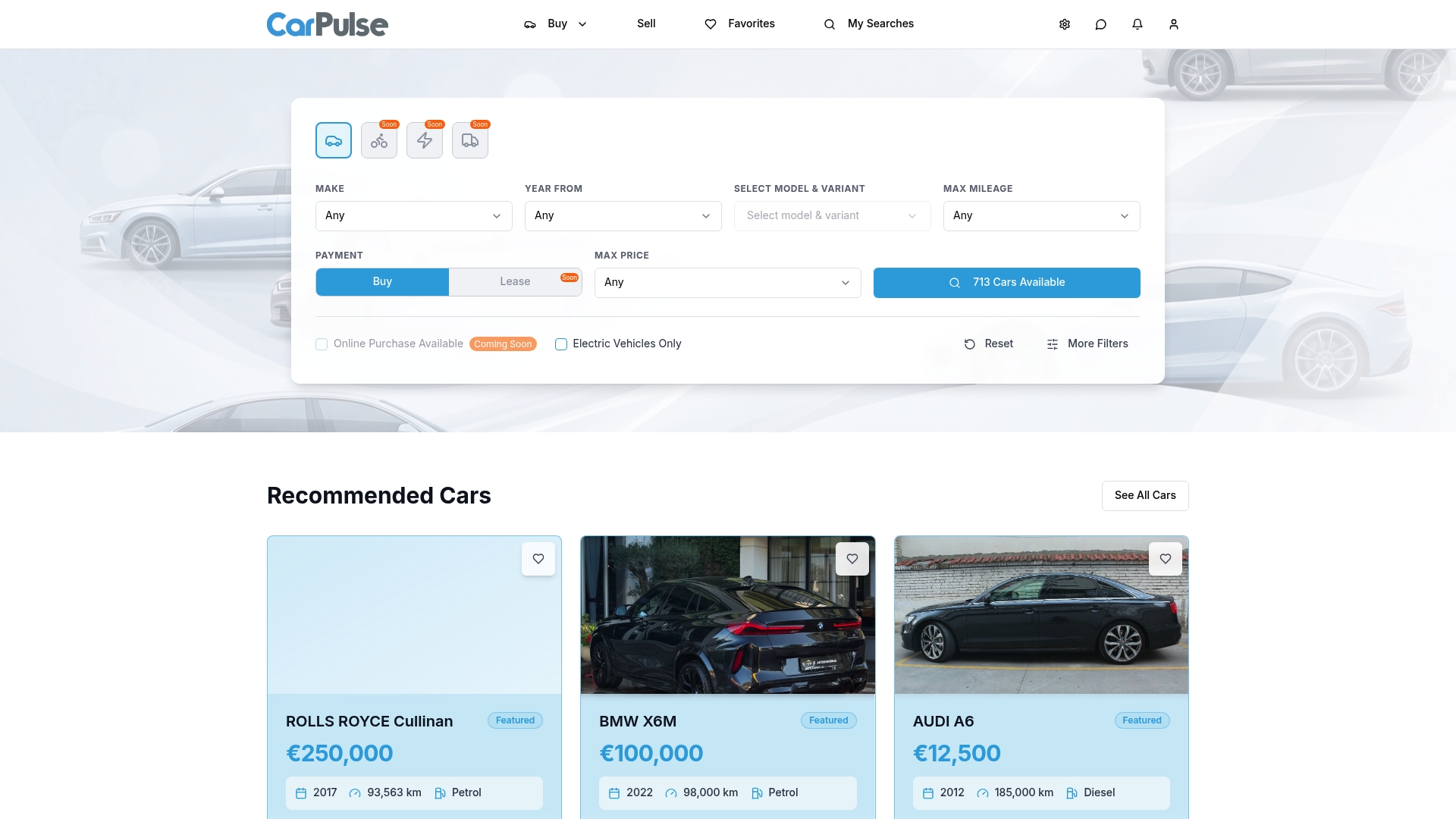
Browse current hybrid and plug-in hybrid listings across private sellers and verified dealers, or check the pricing page if you’re the one listing a vehicle and want to compare the Basic and Premium plans.
FAQ
Which is better, a plug-in hybrid or a hybrid?
Neither is better in every case: a plug-in hybrid wins for drivers with daily mileage inside its electric range and consistent charging access, while a hybrid wins for simplicity, lower upfront cost, and drivers who can’t charge reliably. The right choice depends on your commute length and parking situation more than on the technology itself.
What are the disadvantages of a plug-in hybrid car?
A plug-in hybrid usually costs more upfront, loses some cargo space to its larger battery, and only delivers its fuel and emissions advantages if you charge it regularly. Consumer Reports notes that without frequent charging, a PHEV’s benefits largely disappear.
Which is better, plug-in hybrid or full hybrid?
A full (standard) hybrid is simpler, cheaper to buy, and needs no change in driver behavior to deliver its fuel economy. A plug-in hybrid can beat it on cost per mile and emissions, but only when the owner charges consistently and drives mostly within the electric range.
Why don’t people like plug-in hybrids?
Some buyers find the higher price, reduced cargo space, and the need to plug in every day less appealing than a hybrid’s “set it and forget it” simplicity. Others buy a PHEV expecting EV-like running costs without adjusting their charging habits, then find the fuel savings smaller than hoped.
Sources
- IEA — Global EV Outlook 2024: Outlook for emissions reductions
- Consumer Reports — Is a Hybrid, Plug-In Hybrid, or Fully Electric Car Right for You?