
Guides
Refresh a Car Listing in 10 Minutes with CarPulse in Albania
Refresh a Car Listing in 10 Minutes with CarPulse in Albania

Sign in, go to Manage Listings, open the vehicle, click Edit, then save and publish your changes. If you’re touching the price or marking a car sold or reserved, pair that edit with a visible refresh, a reordered photo or a rewritten opening line, and give it two weeks before judging the result.
TL;DR:
- Updating the listing with a new photo, headline, or description alongside a small price change (2-5%) every two weeks keeps the ad active and improves search ranking.
- The most influential fields for attracting buyers are the headline, hero photo, and structured specs, which directly impact visibility and trust.
- Reordering images and replacing vague claims with specific facts can significantly increase interest and engagement, especially on mobile devices.
- Relying solely on price adjustments without updating other fields signals neglect and diminishes listing effectiveness.
- Using tools like VIN autofill and mobile apps can streamline updates, making it easier to execute a consistent biweekly refresh routine.
Table of Contents
- Quick Update Checklist for Refreshing a Listing
- Which Listing Fields Actually Move Buyers and Search Rankings?
- How Much Should You Change the Price, and How Often?
- Photo and Description Refresh Tips That Actually Work on Mobile
- Updating a Listing on CarPulse: VIN Autofill and the Mobile App
- What to Track After You Publish an Update
- An Editorial Take on Listing Upkeep
- CarPulse Makes Listing Updates Faster to Execute
- Sources
Quick Update Checklist for Refreshing a Listing
You don’t need an hour to fix a stale ad. Most sellers can knock out a full refresh in ten minutes if they work through the fields in the right order.
- Sign in and open My Listings or Manage Ads.
- Select the vehicle and hit Edit.
- Update the price, the headline, and the first two lines of the description.
- Swap in a stronger hero photo and reorder two or three images so the best angle leads.
- Save, publish, and use a paid bump or re-pin if your account offers one.
That’s the whole cycle. The mistake most sellers make is editing only the price and skipping everything else. This is exactly the pattern buyers and marketplace algorithms both read as neglect rather than motivation.
Which Listing Fields Actually Move Buyers and Search Rankings?
Not every field carries the same weight. Some change how buyers feel about the car; others change whether the car shows up at all.
- Headline and opening lines: buyers skim, so answer their first three questions (ownership history, recent repairs, why you’re selling) before they have to ask.
- Price: it’s a public signal of urgency and realism. A round-number drop reads as a considered move; no change at all after two weeks reads as either overpriced or abandoned.
- Photos: the hero shot sets the first impression, and proof images (odometer reading, close-ups of any damage) do more to build trust than a paragraph of description ever will.
- Structured specs: VIN, trim level, and feature tags feed the filters buyers actually use, and structured fields outperform prose-buried details when a shopper filters by trim or feature.
Sellers who name a scratch on the bumper or list the last service date consistently earn more trust than the ones who lean on words like “excellent” or “mint” with nothing to back it up, according to CarPulse’s own listing guidance. Vague adjectives cost you credibility precisely because every seller uses them.
How Much Should You Change the Price, and How Often?
Marketplaces reward activity. Listings that sit untouched for two weeks or more tend to lose placement on many platforms, because the ranking logic treats silence as a signal that the seller has checked out. That’s the entire rationale behind the two-week reset cadence: check in every fourteen days, look at what happened, and act.
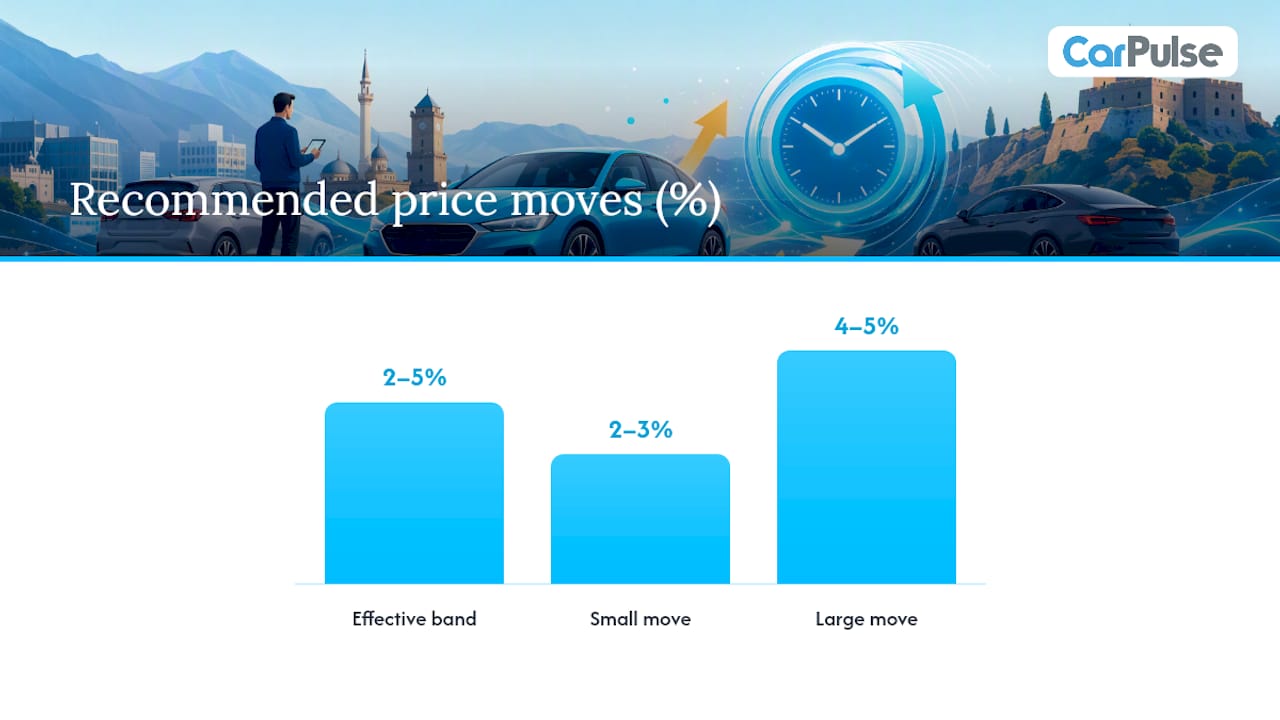
When you do move the price, the effective adjustment band usually sits between 2% and 5%.
- Small moves (2-3%) fit a listing that’s getting views but few messages.
- Larger moves (4-5%) fit a listing that’s getting almost no traffic at all.
- Never move price alone. Pair it with a photo reorder or a rewritten headline so the change reads as an active refresh, not a discount dump.
- If offers are landing well below your asking price, the market is telling you the number is too high before you even open the edit screen.
Watch what happens after you publish. Rising views with flat inquiries usually means the price is still the sticking point. Rising views with real inquiries but no offers usually means your photos or description need to close the trust gap that’s stopping people from committing.
Photo and Description Refresh Tips That Actually Work on Mobile
Many car shoppers browse listings on a phone, which is why a description that reads well on a smaller screen outperforms a beautifully written wall of text that nobody scrolls through.
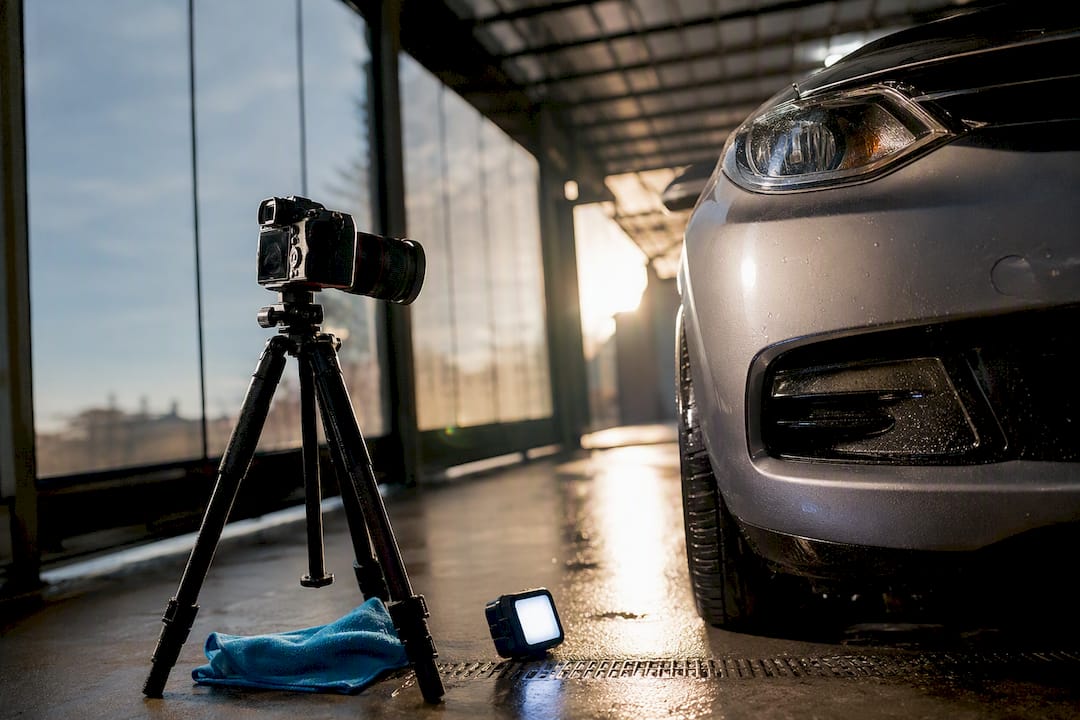
Start with the hero image. Shoot the front three-quarter angle against a clean background, and frame it loosely enough that mobile cropping doesn’t cut off the bumper or roofline. From there, sequence the gallery with intent: exterior first, then interior, then the odometer, then any damage close-ups, then accessories or extras.
- Lead the description with the questions buyers actually ask: mileage, ownership count, service history.
- Replace vague claims with specific facts. “New brakes in March” beats “well maintained” every time.
- Add one proof line per claim. If you say the timing belt is new, name the shop or the date.
- Trim any paragraph over four lines. Mobile readers bail on dense text blocks fast.
Reordering just two or three images, without replacing anything, can noticeably shift how many people click through and save your listing. A standardized shot sequence also matters if the car has minor cosmetic wear worth disclosing. Photographing a scratch cleanly and describing how it happened beats letting a buyer discover it in person and wonder what else you left out. If the car has surface water spots or mineral buildup, a safe cleaning pass before your photo session can save you from a hero shot you’ll want to retake anyway.
Pro Tip: Shoot your hero photo last, after the car is clean and the light is good, then work backward through the rest of the gallery. Sellers who shoot the hero shot first almost always end up with a duller cover image than the rest of their set.
Updating a Listing on CarPulse: VIN Autofill and the Mobile App
CarPulse builds the edit process around the VIN, which cuts out most of the manual re-typing that causes listing errors in the first place.
- Enter or re-scan the VIN when you edit a listing, and CarPulse repopulates trim, engine, and spec fields automatically, so you’re not retyping details that might drift from what’s on the title.
- Photos, price, and description can all be edited from the mobile app or the desktop dashboard. The app is faster for a quick price tweak or photo swap between errands; the desktop dashboard is easier when you’re rewriting a full description or reordering a large gallery.
- After editing, save the changes and publish. If your account has access to a premium bump or re-pin option, use it right after a meaningful update, not on a listing you haven’t touched.
- CarPulse’s own listing guide for the Albanian market walks through templates for pricing and description structure if you want a starting draft rather than a blank text box.
The dashboard also flags incomplete spec fields, which matters more than it sounds like it should: a listing missing trim or feature tags simply won’t surface when a buyer filters by those exact criteria, no matter how good the photos are.
What to Track After You Publish an Update
Give any change a full two weeks before drawing conclusions. Marketplace visibility takes a few days to normalize after an edit, so judging performance after 48 hours just measures noise.
- Views: tells you whether the listing is surfacing in search and filters.
- Saves: tells you whether your price and presentation clear the first trust bar.
- Messages and inquiries: tells you whether your description answered enough questions to get someone typing.
- Offers: tells you whether your price is actually close to what the market will pay.
High views with no offers usually points to price. High views with inquiries but no offers usually points to a trust gap in your photos or condition disclosure. Low views across the board almost always means the listing lost placement and needs a real refresh, not a tweak.
If two weeks pass with no movement on any metric, don’t just nudge the price again. Try a second photo pass, a bigger price-band move if you’re already at the low end of your comfort range, or in stubborn cases, pull the listing and relaunch it fresh with a rebuilt photo set.
An Editorial Take on Listing Upkeep
Treating a listing as a one-time post is the most common mistake sellers make. It’s an iterative asset that needs revisiting on a schedule. Write down every change and its date. Two weeks from now, you’ll want to know exactly what you changed last time, so you’re not repeating a move that already failed. A dashboard that logs your edit history does that work for you.
— Henri
CarPulse Makes Listing Updates Faster to Execute
Running a two-week reset by hand across price, photos, and description takes real effort if you’re rebuilding fields manually every time. Carpulse cuts that work down: VIN autofill repopulates trim and spec details the moment you re-scan a vehicle, so an edit session takes minutes instead of a rewrite.
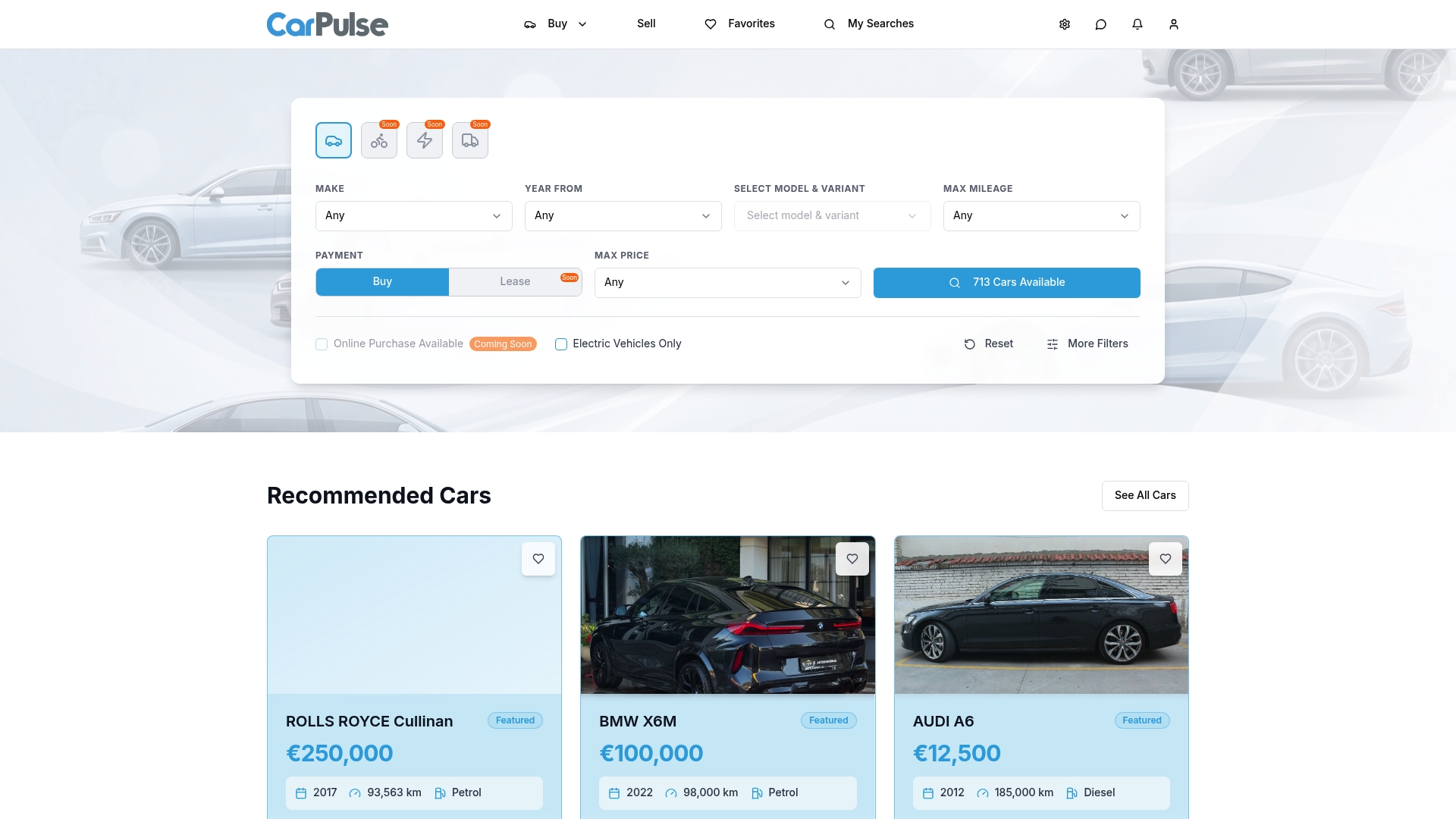
The mobile app means you can swap a hero photo or adjust price between errands rather than waiting to sit at a desktop, while the dashboard’s premium bump option gives a freshly updated listing a visibility push right when it matters most. Combine that with the seller listing templates in the CarPulse blog and you’ve got a repeatable two-week routine instead of a guessing game. Sign in at CarPulse to open your listings and run your next refresh today.
Sources
- Why your asking price should move every two weeks | Purr
- Vehicle inventory management and presentation — CarPixAI
- Writing used car listings — DealerVLO