
Guides
Moderimi i Njoftimeve: A CarPulse SOP for Listing Reviews
Moderimi i Njoftimeve: A CarPulse SOP for Listing Reviews

Moderimi i njoftimeve, in this context, means one thing: the operational process CarPulse moderators use to review, approve, edit, or remove vehicle listings before and after they go live. It is not about push notifications or email settings. It is about protecting buyers from fraud, protecting sellers from unfair rejection, and keeping the marketplace fast enough that legitimate listings clear in minutes, not days.
This guide covers:
- Field-by-field checks for every submitted listing
- The queue workflow from triage to final action
- Automation thresholds for fraud scoring, OCR, and duplicate detection
- Rejection templates and appeal handling
- The KPIs that tell you whether the system is actually working
Pro Tip: Keep a printed or pinned version of the review checklist next to your queue dashboard. Moderators who work from memory make inconsistent calls, and inconsistent calls are what generate appeals.
Key Takeaways
Consistent, field-by-field checklists combined with tiered automation and clear escalation rules are what make vehicle listing moderation fast, fair, and auditable.
| Point | Details |
|---|---|
| Checklist first | Check VIN, price, and photos before reading the full description to catch red flags fast. |
| Claim before reviewing | Always claim a listing in the queue before working it to avoid duplicate reviews. |
| Automate volume, not nuance | Use fraud scoring and OCR for high-confidence decisions; route ambiguous cases to a human. |
| Standardize rejections | Use consistent templates so sellers get clear, actionable feedback and appeals stay low. |
| Track five KPIs | Monitor auto-approval rate, false positives, time-to-action, appeals, and escalations monthly. |
| CarPulse builds this in | VIN auto-populate and trust tiers reduce rejections before listings reach the queue. |
Table of Contents
- What Should a Vehicle Listing Review Checklist Include?
- How Does a Listing Move Through the Moderation Queue?
- Which Checks Should Be Automated, and Which Need a Human?
- What Are the Standard Rejection Reasons and Response Templates?
- How Do You Measure Moderation Quality Over Time?
- What Admin Settings Reduce Risk Without Slowing Sellers Down?
- What Do Moderation Leads Wish Sellers Understood?
- How CarPulse Puts This SOP Into Practice
- Sources
What Should a Vehicle Listing Review Checklist Include?
Every listing needs the same pass before it touches a buyer’s search results. The core review checklist covers title accuracy, description completeness, price reasonableness, VIN or plate legitimacy, year and mileage consistency, correct category, accurate location, and photo compliance.
Run through these fields in order:
- Title: matches make, model, and trim; no all-caps, no emojis, no “URGENT SALE” spam.
- Description: at least two sentences of real detail; no phone numbers or off-platform contact info embedded in the text.
- Price: within a plausible band for the model, year, and mileage combination.
- VIN/plate: visible, legible, and matching the entered vehicle data.
- Year/mileage: internally consistent (a 2024 model with 180,000 km needs a note or gets flagged).
- Photos: minimum four images, at least one exterior three-quarter shot, one interior, one odometer, no stock photos or watermarks from other sites.
A sample title that passes: “2019 Volkswagen Golf 1.6 TDI, Comfortline, 98,000 km.” A sample description that fails: “Great car, call me, price negotiable” with no VIN photo attached, since that description tells a buyer almost nothing they can verify.
Mark a listing “Needs Info” when one or two fields are missing or unclear but the vehicle itself looks legitimate. Reserve “Reject” for prohibited content, fake VINs, or price manipulation that suggests intent to mislead.
Pro Tip: *Scan VIN, price, and photo count first.
How Does a Listing Move Through the Moderation Queue?
The workflow runs in six steps, and skipping any one of them is how duplicate reviews and missed escalations happen.
- Access the queue filtered by status (pending, needs info, escalated).
- Triage and prioritize based on seller trust level and flag severity.
- Claim the listing so no other moderator works it simultaneously.
- Run the checklist pass against the fields above.
- Take action: approve, request changes, reject, or escalate.
- Log the decision with a short evidence note.
A typical moderation queue is organized around these columns:
| Column | What it tells you |
|---|---|
| Status | Pending, needs info, approved, rejected, or escalated |
| Seller type | New, standard, or verified/trusted dealer |
| Priority | Flagged by automation vs. routine submission |
| Submitted date | How long the listing has waited in queue |
| Quick actions | One-click approve, reject, or escalate buttons |
Triage rules of thumb: push anything flagged for price anomaly or duplicate photos to the front of the queue, let trusted-seller listings with clean automation scores move through faster, and never let a listing sit “in review” without a claimed owner for more than a shift. Attach the automation evidence snapshot and your own checklist notes before handing it off.
Which Checks Should Be Automated, and Which Need a Human?
Automation should absorb volume; a human should absorb nuance. That split is the entire design principle behind a workable moderation system, and marketplaces that mix pre-moderation with post-moderation tend to catch high-risk content faster without slowing down the whole queue.
Deploy automation for:
- Image checks confirming the photo shows a real vehicle, not a stock image or a screenshot from another listing.
- OCR on plates and VINs to catch typos or mismatches between the entered VIN and the photographed one, a technique used in vehicle-specific image filtering.
- Duplicate-photo detection to flag the same image reused across multiple seller accounts.
- Semantic text flagging rather than simple keyword lists, since transformer-based classifiers catch ambiguous pricing language and vague specs that keyword filters miss entirely.
- Price-anomaly and fraud scoring built from VIN checks, seller history, and market-price comparison, an approach reflected in production fraud-scoring logic.
A conservative fraud-score decision table might look like this:
| Score band | Suggested automated action | Evidence required |
|---|---|---|
| — | Auto-approve for verified sellers | Standard listing snapshot |
| — | Hold for moderator review | Price comparison + VIN OCR result |
| 61 to 85 (high) | Auto-hold, escalate to senior review | Full evidence bundle + seller history |
| — | Auto-reject, flag account | Evidence snapshot + fraud report log |
Every automated action that changes a listing’s status needs an attached evidence snapshot, because automation without a captured rationale is nearly impossible to defend in an appeal.
Pro Tip: *Write your audit notes as if a stranger will read them in six months during an appeal.
What Are the Standard Rejection Reasons and Response Templates?
Consistent rejection reasons keep sellers from feeling arbitrarily blocked, and they cut down on repeat appeals from confusion rather than genuine disputes.
| Rejection reason | Moderator guidance |
|---|---|
| Poor photo quality | Request minimum 4 clear photos, no filters or watermarks |
| Inaccurate information | Flag the specific field (year, mileage, trim) that doesn’t match |
| Prohibited content | Reject outright; no appeal for stolen-vehicle or salvage-title concealment |
| Duplicate listing | Merge or reject the newer duplicate; notify seller |
| Price issue | Request verification or adjustment if price shows clear anomaly |
| Contact info in description | Remove text, request resubmission without phone/email/social handles |
Three templates cover most interactions:
- Approval: “Your listing is live. Thanks for including complete VIN and photo details.”
- Request changes: “Your listing needs: [specific field]. Please update and resubmit within 48 hours.”
- Rejection: “Your listing was not approved: [reason]. You can appeal within 5 business days by replying with supporting documentation.”
Bulk approval should be reserved for verified dealers with a clean rejection history over their last 20 listings. Bulk rejection is riskier. Only use it for a clearly identified spam pattern, such as the same phone number appearing across a dozen fake listings, never as a shortcut for a backlog.
How Do You Measure Moderation Quality Over Time?
Track five numbers: auto-approval rate, false-positive rate, time-to-action, appeals rate, and escalations per 1,000 listings. Run a monthly QA sample of at least 50 decisions per moderator, checking against the same checklist criteria used in live review.
| Cadence | Focus | Owner |
|---|---|---|
| Daily | Queue backlog, urgent flags | Shift moderator |
| Weekly | Trend shifts in rejection reasons | Moderation lead |
| Monthly | Threshold tuning, QA audit results | Product/trust and safety team |
One documented case of a semantic AI moderation agent showed it could auto-process roughly 95% of listings while cutting the human review queue substantially and shrinking detection time for prohibited content from hours to minutes. That is a ceiling to work toward, not a baseline to assume on day one.
What Admin Settings Reduce Risk Without Slowing Sellers Down?
Set these as defaults, then adjust based on your own QA data:
- Minimum 4 photos required before submission is accepted.
- Auto-hold any listing where fraud score exceeds 60.
- Require VIN, year, and mileage as mandatory fields, no exceptions.
- Block exact duplicate photos across seller accounts automatically.
- Treat sellers with fewer than 3 completed listings as high scrutiny.
- Allow auto-approval only for dealers verified at the top trust tier.
Keep evidence snapshots for a minimum retention period tied to your appeals window, with access restricted to trust and safety staff handling disputes.
What Do Moderation Leads Wish Sellers Understood?
That is not fraud. It is a legitimate edge case, and rejecting it outright just generates an appeal and a frustrated seller. The fix is a same-day “Needs Info” request, not a rejection.
Two habits speed everything up: escalate with the specific evidence attached, not a vague note, and write seller messages that name the exact field to fix rather than a general “please review your listing.”
How CarPulse Puts This SOP Into Practice
CarPulse is built around this exact workflow, not a generic content filter bolted onto a car marketplace. VIN-based listing creation auto-populates make, model, year, and trim, which cuts down the inaccurate-info rejections before they ever reach a moderator. The admin moderation queue mirrors the triage and escalation structure above, and seller trust tiers already gate who qualifies for faster auto-approval versus stricter scrutiny.
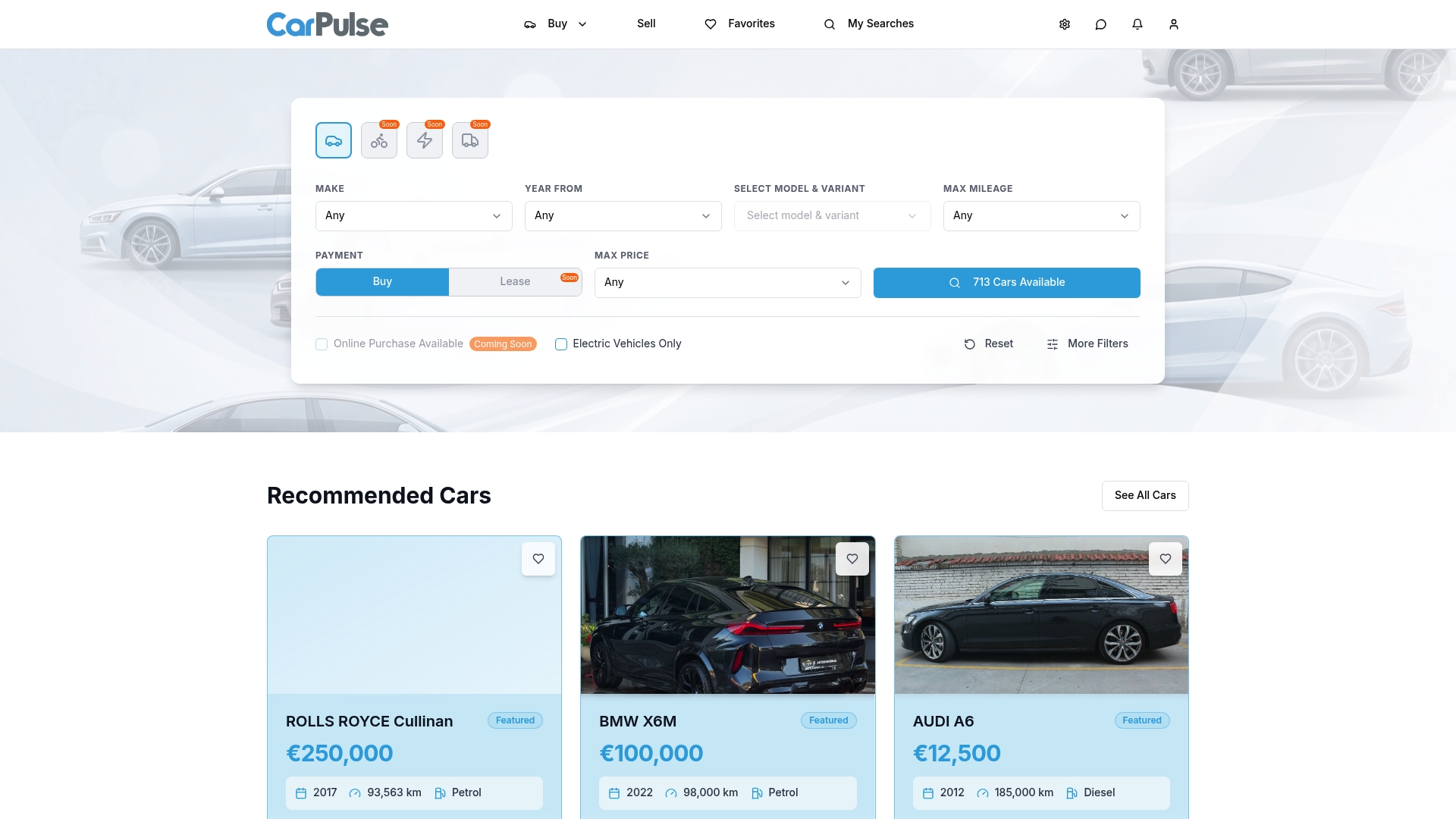
If you’re a seller, the fastest path through review is a complete VIN entry and at least four clear photos on your first submission. Learn how the process works and list your car on CarPulse to see the checklist in action from the seller side. If you’re evaluating CarPulse as a platform, the company overview covers how the trust and verification network fits together.
Sources
- Marketplace Content Moderation - How to Build Trust and Prevent Abuse
- Listing Moderation | MenonMobility Docs
- AI Content Moderation Agent for an Online Marketplace: 95% of Listings Reviewed Automatically | Agentmelt
- listing-submission-moderation.ts (fraud scoring, async moderation) — repo excerpt
- Vehicle Listing Filter — Mediafirewall AI