
Guides
How to Run a Kontroll Kilometrazhi Makine Before You Buy
How to Run a Kontroll Kilometrazhi Makine Before You Buy
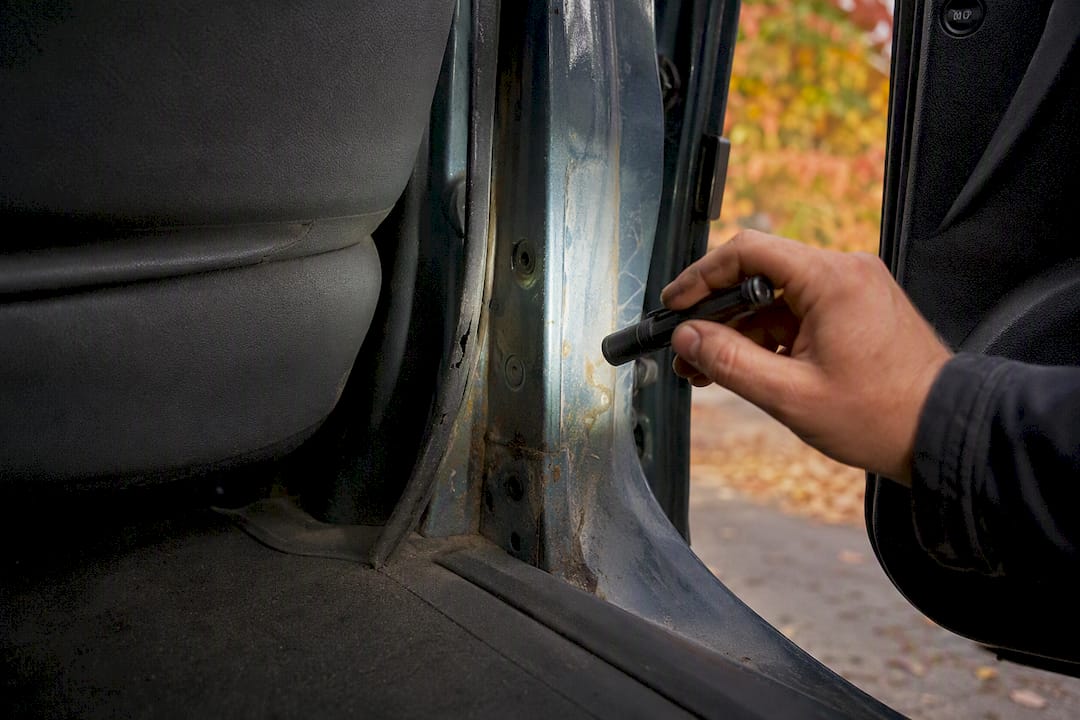
The fastest reliable way to check a used car’s mileage is to pull a VIN based history report, then back it up with a quick physical inspection and, if anything looks off, an ECU diagnostic read. No single method catches everything on its own. A history report can miss gaps in service records, a visual inspection can’t see what’s stored inside the electronics, and an ECU scan alone tells you nothing about ownership history. Together, they close most of the gaps a seller might be counting on you to overlook.
Do this before you hand over any money:
- Get the 17 character VIN from the windshield, door frame, or registration papers and run it through a history check.
- Ask the seller directly for printed service invoices and compare the mileage on each one against the report.
Odometer tampering ranks among the most common frauds in the used car market, which is exactly why skipping this step costs buyers real money.
TL;DR:
- A VIN history report provides recorded mileage entries, ownership changes, and service history, but may lack complete data from independent workshops or older records.
- Cross-checking the VIN across the dashboard, door frame, and registration ensures the vehicle’s identity and flags potential mismatches indicating fraud.
- Physical wear on the steering wheel, pedals, and seats should align with the claimed mileage, with inconsistencies signaling possible tampering.
- Ordering an ECU diagnostic reveals discrepancies across electronic control units, making it the most reliable tool when physical signs and reports conflict.
- Gathering all documents, photos, and invoices before negotiations or reporting is essential to prove and act on evidence of odometer fraud.
Table of Contents
- Kontroll Kilometrazhi Makine: What a VIN Report Actually Shows
- How Do You Read a VIN Mileage Report Correctly?
- What Physical Signs Suggest the Mileage Was Rolled Back?
- Why ECU Diagnostics Are the Most Reliable Mileage Check
- What Should You Do If You Suspect the Mileage Was Faked?
- How CarPulse Helps You Verify a Car’s Mileage Before You Buy
- Key Takeaways
- Where to Learn More About VIN Checks and Odometer Fraud
- An Editorial Take on Mileage Verification That Actually Works
- Sources
Kontroll Kilometrazhi Makine: What a VIN Report Actually Shows
The VIN is a 17 character code unique to that one vehicle, encoding the manufacturer, model, and production details. You’ll find it on the dashboard near the windshield, on a sticker inside the driver’s door frame, and on the registration certificate. Before you trust a report, check that all three match. A mismatch is itself a warning sign.
A solid VIN based report typically includes:
- Recorded mileage entries from previous inspections, sales, or service visits
- Service and maintenance history tied to specific dates
- Accident and title flags, including salvage or rebuilt status
- Ownership and registration changes over time
The catch: these reports are only as complete as the records feeding them. Small independent workshops often don’t report to the same databases as authorized dealers, and older local service history sometimes never made it into any digital system. A clean report doesn’t guarantee a clean car. It just means nothing bad has been recorded yet, which is a different thing entirely.
How Do You Read a VIN Mileage Report Correctly?
Getting the report is the easy part. Reading it correctly is where most buyers fall short.
- Capture the VIN accurately. Photograph it directly off the vehicle rather than trusting a listing screenshot, and cross check it against the registration document and any paperwork the seller hands you.
- Decide who orders the report. A seller can provide one, but ask if it’s recent and unedited. Better yet, order your own through an independent VIN based service so you know the data hasn’t been cherry picked.
- Request the full mileage log, not a summary. A summary hides gaps. A full log shows every recorded reading, with dates.
- Lay the entries out chronologically. Mileage should climb steadily. A car showing 85,000 km in 2022 and 62,000 km in 2024 has a problem, and it isn’t a typo.
- Check ownership dates against mileage jumps. A sudden drop or an oddly small increase right around a change of ownership or import registration deserves a direct question to the seller.
Pro Tip: Print the report and the seller’s invoices side by side. Reading them on two separate phone screens makes it far too easy to miss a mismatched number.
Watch for discontinuous entries, inconsistent ownership timestamps, and mileage anomalies that appear right after a vehicle crosses a border. Combining a VIN check with physical inspection and diagnostics is standard practical guidance for catching rollback, and for good reason: reports flag problems, but they rarely prove them on their own.
What Physical Signs Suggest the Mileage Was Rolled Back?
A car’s body tells a story the paperwork can’t fake as easily. Before you even start the engine, look at the wear points a low mileage claim should match.
- The steering wheel and gear knob should still have visible texture and grip if the car genuinely has under 60,000 km on it. Smooth, shiny leather at that mileage is a red flag.
- Pedal rubber worn through to metal, or a driver’s seat bolster that’s cracked and sagging, doesn’t happen in 40,000 km of gentle driving.
- Door sills and the driver’s floor mat show scuff patterns that roughly track real usage over years, not just distance.
Cross reference the service book. Every stamp should list a date and a mileage figure that climbs in step with the report you already pulled. A missing stamp for a two year stretch, or a book that looks suspiciously new for an eight year old car, is worth asking about directly.
Tire DOT codes reveal manufacture dates, so a “low mileage” car riding on tires several years older than the claimed ownership period isn’t necessarily lying, but it’s a detail worth noting. Brake wear, too, should roughly track the number on the odometer. Photograph anything inconsistent. You’ll want that evidence if you decide to negotiate or walk away.
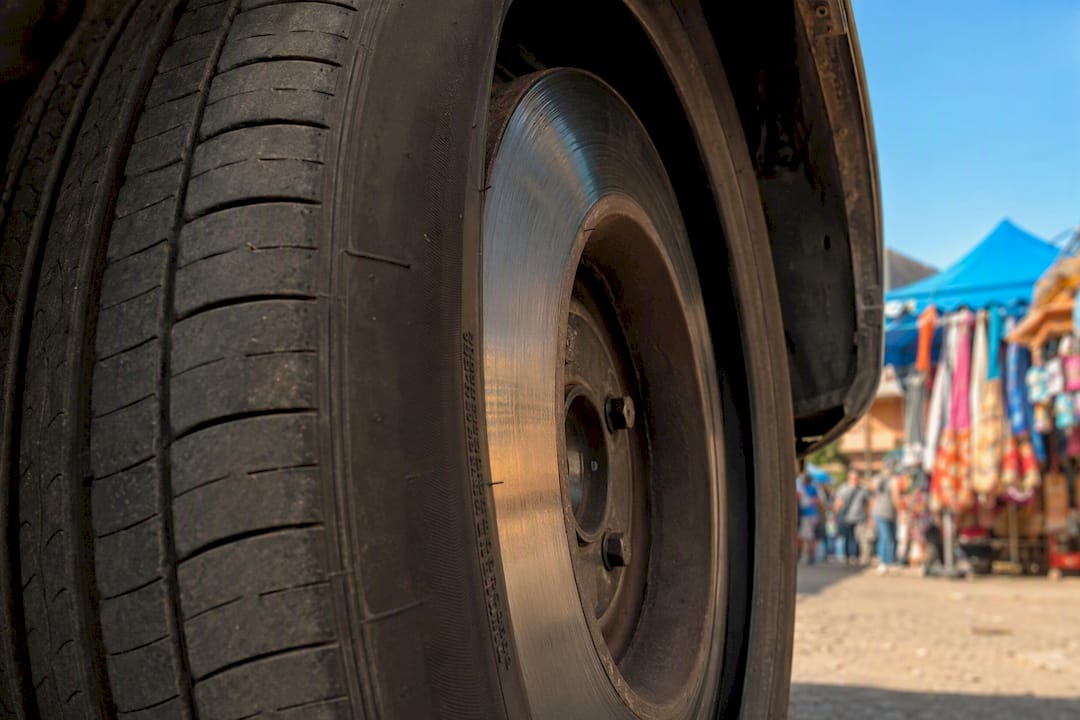
Pro Tip: Bring a small flashlight to check inside door sills and under the driver’s seat rail. Sellers clean the visible surfaces; they rarely think about the spots you’d need to bend down for.
Why ECU Diagnostics Are the Most Reliable Mileage Check
Modern vehicles don’t store mileage in just one place. The instrument cluster records it, but so do several other electronic control units scattered through the car, and rolling back one display doesn’t necessarily touch the others. A mismatch between what the dashboard shows and what a secondary module has stored is about as close to hard proof of tampering as you’ll get without a paper trail.
That’s why local services in the used car market offer both online VIN checks and in person centralina, or instrument cluster, readings as separate but complementary options.
Order an ECU read when:
- The VIN report and the physical wear don’t line up
- You’re looking at a car imported from another country with thin local records
- The purchase price is high enough that a few hours of diagnostic work is cheap insurance
A competent mechanic or inspection service should hand you a module by module mileage readout, not just a single number, along with a short written summary of any discrepancy. Costs vary by shop and region, but for a purchase running into the thousands of euros, the diagnostic fee is a rounding error against the risk of buying a car worth thousands less than its asking price.
What Should You Do If You Suspect the Mileage Was Faked?
Don’t confront the seller on gut feeling alone. Build the case first, then act.
- Re-verify before you accuse anyone. Request original invoices again, specifically, and order a fresh VIN report if the one you have is more than a few weeks old.
- Get a mechanic to run a full ECU read. This either clears the car or gives you documented proof of a discrepancy.
- If tampering is confirmed, decide fast. Use the documented gap to renegotiate the price down to reflect real mileage, or walk away entirely if the seller won’t acknowledge the evidence.
- Report it if the case is serious. Authorities have shown they’ll act on odometer fraud investigations involving dealers and import practices, so consumer protection offices and, where import documents are involved, customs authorities are worth contacting.
- Keep every document. Invoices, the VIN report, photos, and the mechanic’s write up all matter if you pursue a refund or legal remedy later.
How CarPulse Helps You Verify a Car’s Mileage Before You Buy
Carpulse’s VIN based listing tool pulls verified vehicle details automatically when a seller creates a listing, which cuts down on the manual entry errors that let inconsistent mileage slip through unnoticed. Listings from verified dealerships carry an added layer of accountability that private sales don’t always offer.
Practical steps you can take directly through the platform:
- Ask the seller through Carpulse’s built in contact tools for a printed VIN report and service history before you arrange a viewing.
- Save and compare multiple listings side by side to spot mileage or pricing patterns that don’t add up.
- Use a seller’s contact details to schedule an independent mechanic inspection, including an ECU read, before you commit.
Reading through why verified listings matter is a good next step if you want the fuller picture on how dealer verification works on the platform. For a broader walkthrough of the whole buying process, Carpulse’s guide on checking car history before buying covers ground this article only touches on.
If you want a fast way to browse listings that already carry verified seller information, Carpulse’s marketplace is where that search starts. Sellers looking to list a vehicle with accurate, VIN populated details can do so directly through Carpulse’s seller page, which keeps the listing process quick without sacrificing the data accuracy buyers are relying on.
Key Takeaways
Verifying a used car’s mileage reliably requires stacking three checks together: a VIN based history report, a physical wear inspection, and an ECU read when the first two disagree.
| Point | Details |
|---|---|
| Start with the VIN | Pull the 17 character VIN from the dashboard, door frame, and registration, and confirm all three match. |
| Read the full log | Request the complete mileage history, not a summary, and check that entries climb steadily over time. |
| Match wear to mileage | Steering wheel, pedals, seat bolsters, and door sills should show wear consistent with the claimed distance. |
| Use ECU reads for high stakes | Order a module by module diagnostic when the VIN report and physical wear disagree or the car was imported. |
| Document everything before acting | Keep invoices, reports, and photos so you can negotiate, report, or seek a refund with evidence in hand. |
Where to Learn More About VIN Checks and Odometer Fraud
For deeper technical background on how VINs are structured, the Wikipedia entry on vehicle identification numbers breaks down the coding system. For local context on how widespread mileage fraud has become, Syri.net’s reporting and Aktuale.mk’s coverage of ongoing investigations are both worth a read. If you want a maintenance based lens on spotting wear inconsistencies, GWC Wipers’ DIY maintenance checklist covers ground that complements the inspection steps above.
An Editorial Take on Mileage Verification That Actually Works
Most advice on this topic treats a VIN report as the finish line. It’s the starting line. The report tells you what’s been recorded, not what’s true, and the gap between those two things is exactly where fraud lives. I’d argue the physical inspection is the most undervalued step in the whole process, because it costs nothing and takes ten minutes, yet buyers routinely skip it in favor of trusting a printout.
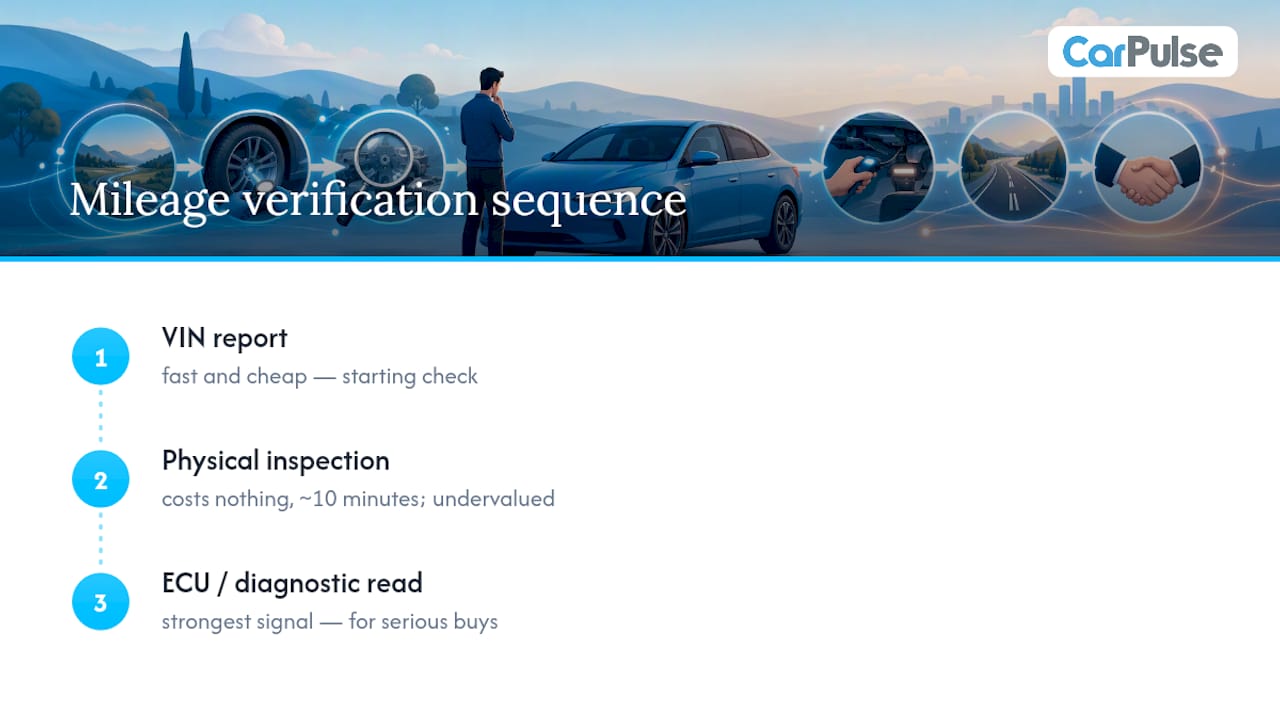
Where conventional guidance falls short is the assumption that any one check is sufficient. It isn’t. A report can be clean because records are missing, not because the car is honest. Wear can be misleading on a car that’s spent its life on the highway versus city streets. An ECU read is the strongest single signal, but ordering one for every car you look at isn’t realistic.
Prioritize the VIN report first because it’s fast and cheap. Save the diagnostic read for the car you’re actually serious about buying. That sequence, not any single tool, is what protects your money.
— Henri
Sources
- Vehicle identification number — Wikipedia
- Po blini një makinë të përdorur? Kontrolloni kilometrazhin …
- Aktuale