
Guides
$2,000–$8,000 for Hybrid Battery Replacement in 2026: When t
$2,000–$8,000 for Hybrid Battery Replacement in 2026: When to Repair
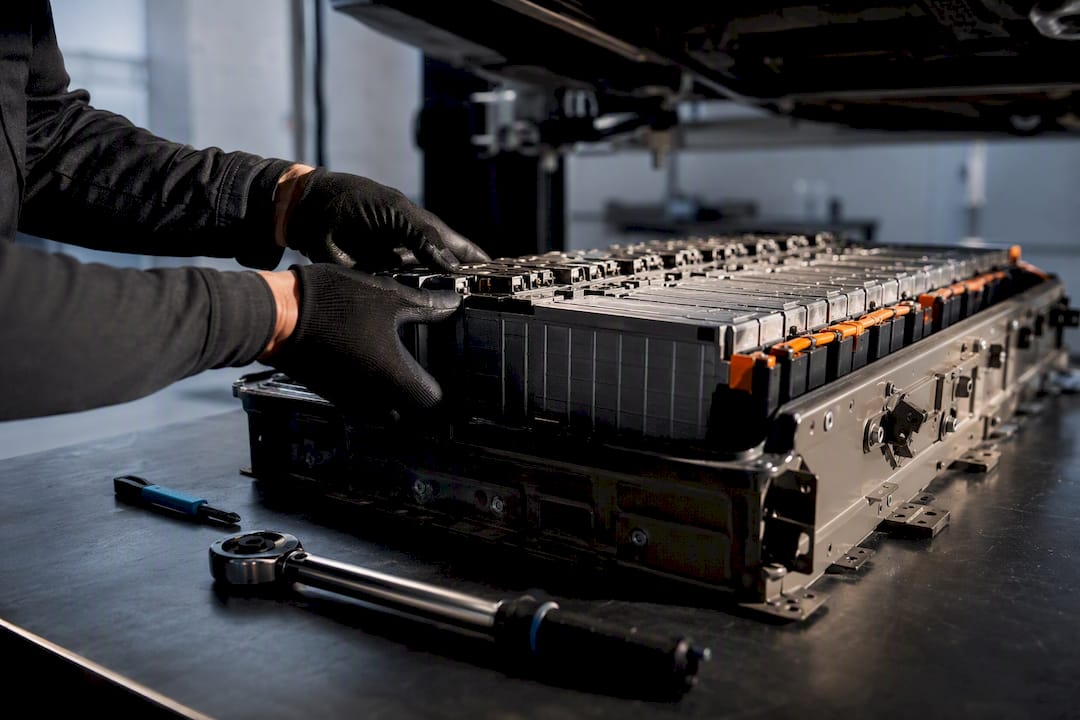
A full hybrid battery replacement typically runs $2,000 to $8,000 in 2026, depending on whether you go with module-level repair, a remanufactured pack, or a new OEM unit. Most mainstream hybrids land in the $2,000 to $4,000 range when you skip the dealer. If your car is otherwise sound, replacing the battery is almost always cheaper than replacing the car.
TL;DR:
- Module-level repairs typically cost between $500 and $1,500, making targeted fixes a cost-effective alternative for limited cell failures.
- Full remanufactured packs offer a balance of longevity and affordability at $1,500 to $3,500, often backed by a one to three-year warranty.
- Major price differences stem from vehicle size, pack type, and labor complexity, with SUV and luxury hybrids usually costing more to repair.
- Proper diagnostics that assess individual module health are essential to avoid unnecessary full pack replacements, which can exceed 50% of the vehicle’s current value.
- If a replacement quote exceeds half of the car’s value, or the pack shows early warning signs, owners should consider sourcing a used donor or replacement vehicle instead.
Table of Contents
- Hybrid Battery Replacement Cost by Option Type
- What Actually Drives the Price You’re Quoted
- A Practical Framework for Repair vs. Replace
- Early Warning Signs Your Hybrid Battery Is Weakening
- Choosing a Shop and Sourcing a Replacement or Donor Vehicle
- Why Planning Beats Panic on a Failing Hybrid Battery
- Find a Verified Donor or Replacement Vehicle Faster
- Sources
Hybrid Battery Replacement Cost by Option Type
The number you get quoted depends entirely on which repair path a shop puts in front of you. Four options dominate the market, and each comes with its own price band and trade-offs.
- Module-level repair: $500 to $1,500. This applies when only a handful of cells inside the pack have failed and the rest test healthy. Many Toyota packs contain around 28 individual modules, so swapping the bad ones instead of the whole pack can cut your bill dramatically.
- Remanufactured pack: $1,500 to $3,500. Rebuilt with tested, matched cells and usually backed by a warranty of one to three years. This is the sweet spot for most owners: real longevity without new-OEM pricing.
- New OEM pack: $3,000 to $8,000, sometimes higher on luxury hybrids or plug-in variants. You get the longest expected life and full manufacturer backing, but you pay for it.
- Used donor/salvage pack: $800 to $2,000. Cheapest option on paper, but the riskiest. There’s no way to know remaining capacity without hands-on testing, and most sellers won’t offer any warranty at all.
“All-in” pricing matters more than the sticker price on the battery itself. A full quote should include the pack or modules, labor (often two to five hours depending on access), diagnostic testing, any required reprogramming of the hybrid control module, and applicable taxes. Skip any of those line items and you’re looking at a partial quote, not a real one.
What Actually Drives the Price You’re Quoted
Two identical looking quotes can differ by thousands of dollars, and the gap usually comes down to five factors.
Vehicle model matters most. A compact hybrid sedan with a modest pack costs far less to fix than a hybrid SUV or luxury crossover carrying a larger, higher-voltage battery. Pack chemistry and module count follow close behind: some packs use fewer, larger modules, which raises the cost per unit if one fails, while others use more numerous, smaller modules that make targeted repair cheaper.
Labor complexity swings the bill too. A battery mounted under the rear seat with easy access takes less shop time than one buried behind trim panels or wired into a more complex cooling system.
- Where the pack sits in the vehicle (rear seat vs. trunk-integrated vs. under-floor)
- Whether the shop needs specialized lift equipment or extended diagnostic time
- Local parts availability, since imported OEM packs can face longer lead times and higher landed cost
- Whether the shop stocks reman units or has to special-order them
Pro Tip: Before accepting any quote, ask the shop whether the price includes reprogramming and post-installation diagnostics. Some shops quote the battery alone, then add those steps as separate line items once you’ve already committed.
If you’re shopping for a hybrid specifically because of pack availability concerns, check local parts supply before you buy. Rarer imports can mean longer wait times if the battery ever needs work.
A Practical Framework for Repair vs. Replace
Before you spend a dollar, get module-level diagnostics, not just a code reader scan. A proper hybrid diagnostic tests individual module voltage and internal resistance, which tells a technician whether you need a $500 module swap or a $5,000 full pack. Skipping this step is how owners end up paying for a new pack when three failed modules were the real problem.
Once you have real diagnostic numbers, run them through a simple decision sequence:
- Check module health first. If most modules test within a normal range and only one or two are out of spec, module repair is almost always the right call.
- Apply the cost-to-value test. Compare the repair estimate against your car’s current market value. If the full-pack quote climbs above roughly 50% of what the car is worth, replacing the vehicle starts to make more financial sense than fixing it.
- Factor in remaining life. A remanufactured pack with a two-year warranty resets your risk clock. A new OEM pack can realistically outlast the rest of the car’s mechanical components.
- Weigh warranty against price. A cheaper used donor pack with zero warranty carries hidden cost if it fails again in a year. Even high-end OEM replacement costs typically undercut buying a comparable used car outright.
Consider two common scenarios. A ten-year-old compact hybrid worth $6,000 gets a $3,200 reman quote after module diagnostics rule out a cheap fix. A newer hybrid SUV worth $18,000 facing a $4,500 new-pack quote sits well under the value threshold, making replacement the clear financial winner.
Real-world evidence backs the “fix it, don’t dump it” instinct. Many owners run original hybrid batteries well past 150,000 miles before any cell issues appear, which means a well-timed replacement often buys another decade of use.
Early Warning Signs Your Hybrid Battery Is Weakening
Hybrid batteries rarely fail without warning. The signs usually build over weeks or months, giving you time to plan instead of react.
- Noticeable drop in fuel economy, often the first sign owners notice
- Reduced electric-only range or the gas engine kicking in more often than usual
- Dashboard warning lights related to the hybrid system or check engine light
- Rougher transitions between electric and gas power
- Battery fan running louder or more frequently than before
Shops confirm suspected battery trouble with module-level voltage and resistance testing, sometimes paired with a state-of-health scan through the OEM diagnostic system. Once symptoms show up, you typically have weeks to a few months before the problem worsens enough to strand you, which is enough time to shop quotes properly instead of accepting the first number you hear.
When you book a diagnostic appointment, ask specifically: which modules failed, what’s the state of health on the rest of the pack, and does the diagnosis support repair or does it require full replacement?
Choosing a Shop and Sourcing a Replacement or Donor Vehicle
Get a written diagnostic report showing module-level results before you approve any work. A shop that only offers a full-pack replacement without breaking down which cells failed hasn’t done the diagnostic legwork that saves you money.
Collect at least three quotes: one from a dealer, one from an independent hybrid specialist, and one from a remanufacturer directly if your area has one. Compare not just price but warranty length and whether it’s backed by the installer or the parts supplier.
- Ask each shop whether the warranty covers labor if the reman or OEM pack fails again
- Confirm certification or specific hybrid experience, not just general auto repair background
- Get the diagnostic report and warranty terms in writing before signing off on work
- If you’re shopping for a donor battery or a replacement vehicle instead, run a VIN check and use verified-dealer filters on CarPulse to confirm history and reduce the risk of buying a car with an already-degraded pack
Reference points like the Toyota technical page on hybrid battery construction are useful when a shop’s explanation doesn’t match what you know about how these packs are built.
Why Planning Beats Panic on a Failing Hybrid Battery
The owners who come out ahead are the ones who start pricing options the moment fuel economy dips, not after the car dies in a parking lot. A panicked replacement almost always means accepting whatever the nearest dealer quotes, usually the most expensive option on the table.
Total ownership cost is the number that matters, not the sticker on a single quote. A $3,000 reman pack with a two-year warranty on a car worth $10,000 is a good deal even if a used donor pack looked cheaper on paper last week.
— Henri
Find a Verified Donor or Replacement Vehicle Faster
If a repair quote is creeping close to half your car’s value, the smarter move might be shopping for a replacement instead of pouring more money into an aging pack. An online car marketplace can give you a faster, lower-risk way to do that search than scrolling classified ads with no way to verify what you’re buying.
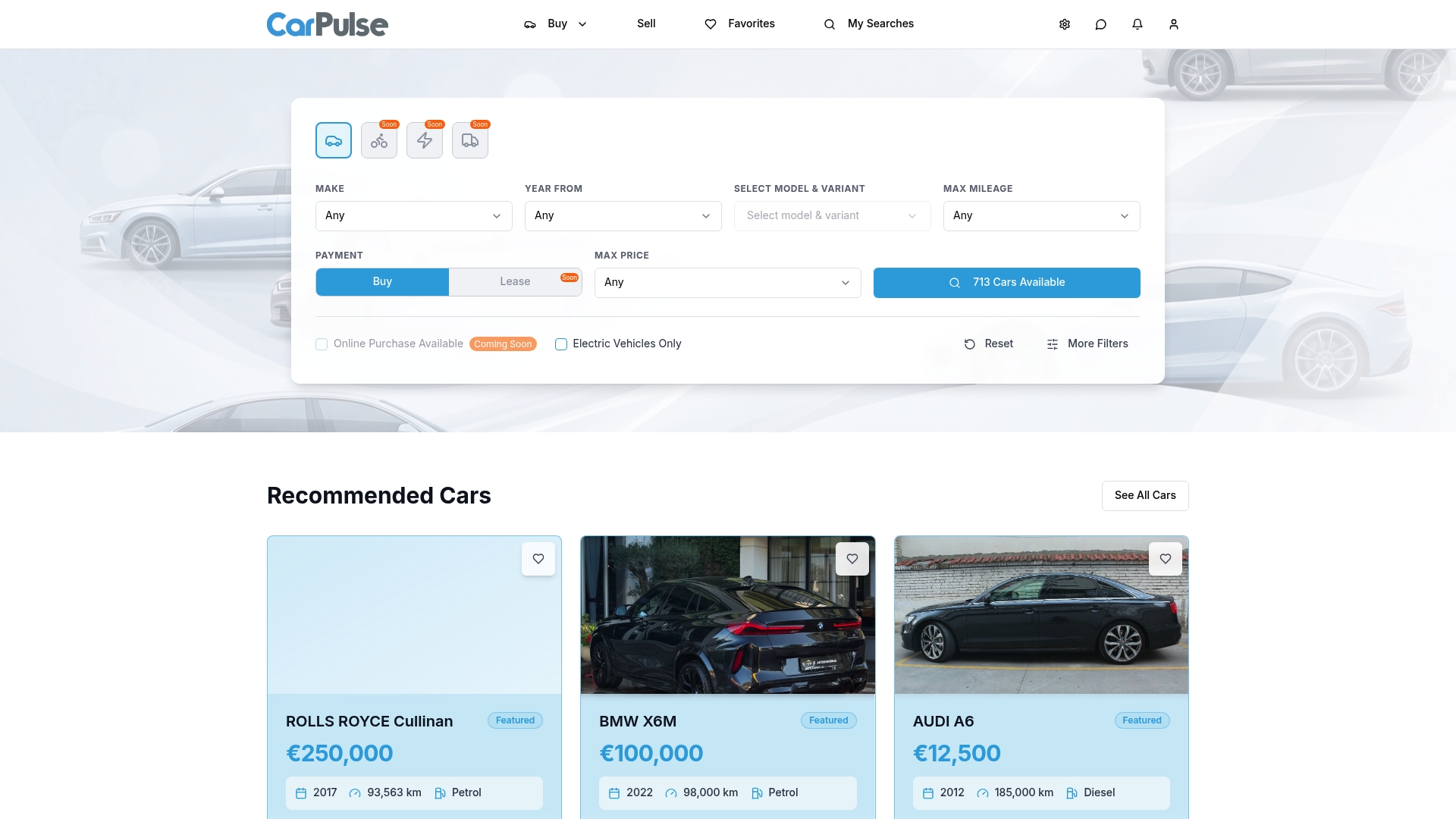
Many online car marketplace listings support VIN-based details, so you can pull real vehicle history before contacting a seller, whether you’re hunting for a donor car to source parts from or a full replacement vehicle. Verified dealer listings often sit alongside private-seller ads, filterable by make, model, year, mileage, and fuel type, so you can narrow down hybrid options without guesswork. If your diagnostic report says a new pack costs more than the car is worth, open Carpulse and start comparing what a similar hybrid actually sells for in today’s market before you approve any repair.
Sources
This guide draws on manufacturer service documentation, independent specialist pricing data, and real ownership evidence:
- Hybrid Batteries Explained
- Hybrid Battery Repair Cost: Repair or Replace in 2026? - Tucson Hybrids & EV Repair in Tucson, AZ
- Hybrid Battery Replacement Cost 2026 | Empire Auto Protect
- Hybrid vs Diesel: Complete Efficiency and Ownership Comparison | Ride Zone