
Guides
Buyers & Sellers: EV Battery Health Check, See SoH, Delta &
Buyers & Sellers: EV Battery Health Check, See SoH, Delta & VIN

An EV battery health check is an independent diagnostic read of the traction battery that measures usable capacity and cell balance rather than a single vague percentage. Buyers, sellers, and owners noticing range loss all need one for different reasons: buyers to avoid a bad purchase, sellers to prove condition, owners to catch problems early. Get a certified, VIN-bound report before any transaction, and learn to read its two core numbers: State of Health and calculated delta.
TL;DR:
- A certified EV battery health check measures both usable capacity and cell imbalance, with risk increasing significantly below 80% SoH and wide cell delta.
- Slow or dynamic tests, ideally VIN-bound, provide the most accurate results, with temperature and charge level conditions crucial for reliable readings.
- Pre-test DIY checks can flag immediate issues by comparing predicted and actual range, warning lights, and charging inconsistencies; however, a certified test offers definitive data.
- Battery health degrades predictably with proper maintenance, but high temperatures and frequent fast charging accelerate aging; avoiding extremes extends pack longevity.
- When evaluating used EVs, prioritize the pairing of SoH with cell delta over a single percentage for a safer, more informed purchase decision.
Table of Contents
- 1. What a battery health check actually measures
- 2. How certified battery tests are actually run
- 3. DIY checks you can run before booking a professional test
- 4. What a certified report includes, and what it costs
- 5. Reading the report: pass, watch, or decline
- 6. CarPulse perspective: putting a certificate on a listing
- 7. Impact of battery health on vehicle range and performance
- 8. Factors affecting battery degradation
- 9. Recommendations for battery maintenance
- 10. Why the two-reading approach beats a single percentage
- CarPulse: list a verified car with a certified battery report attached
- Sources
- FAQ
1. What a battery health check actually measures
State of Health, or SoH, is the ratio of a battery’s current usable capacity to its original factory capacity, expressed as a percentage. It is often confused with State of Charge (SoC), which just tells you how full the battery is right now, similar to a fuel gauge. SoH tells you how much the tank itself has shrunk over time.
A credible report goes further and calculates delta, the imbalance between individual cells inside the pack. This matters because a battery with strong SoH can still carry hidden risk if one or two cells are wearing faster than the rest, since imbalance often shows up before SoH drops.
Rough benchmarks worth knowing:
- Risk tends to concentrate once SoH falls below roughly 80%.
- Failure signals become more common under 70%, according to observed failure-rate data by SoH band.
- A high SoH reading paired with a large cell delta is a warning sign, not a clean bill of health.
2. How certified battery tests are actually run
Not all tests carry the same weight, and knowing the difference helps you judge a provider’s claims before you pay for anything.
- Quick static scans pull data through an OBD or VCI connection in about 15 minutes. They are fast and useful for early screening, but they rely on the car’s own battery management system rather than an independent stress test.
- Slow or dynamic tests use an external test box or a real discharge cycle, sometimes over a scheduled drive, to observe how the pack behaves under load. These are considered the more definitive read when a sale, warranty claim, or legal dispute is on the line, according to DEKRA’s testing documentation.
- VIN-binding and timestamping turn a raw number into a certificate. A report tied to the vehicle’s VIN and dated at the time of the test cannot be swapped between cars or reused months later, which is what makes it usable in a sale.
Preconditions matter too: DEKRA’s own protocol calls for a state of charge between 40% and 80% and a battery temperature roughly between +10°C and +30°C for the reading to be valid.
Pro Tip: Ask any provider whether their algorithm is parameterized for your exact make and model before booking. An unmatched profile can produce a misleading SoH figure.
3. DIY checks you can run before booking a professional test
A few free checks can flag obvious problems before you spend money on a certified read.
- Take a test drive and compare the range the car predicts against what you actually get over a similar stretch of driving.
- Watch for a sudden drop in predicted range rather than the slow, gradual decline that normal aging produces.
- Note any inconsistent SoC readings, unexplained warning lights, or charging sessions that stall or slow down for no clear reason.
- Treat consumer OBD apps as a screening tool only. Once you see anything inconsistent, stop guessing and book a certified test instead.
4. What a certified report includes, and what it costs
A certified report typically bundles a few pieces of information into one document: the SoH percentage, the calculated cell delta, relevant OEM reference data, current mileage, and a timestamp tying the reading to that specific test date.
Turnaround time depends on the method. Quick static scans are done in minutes. Dynamic or slow discharge tests can take a full day or stretch across a week depending on how the discharge cycle is scheduled, based on protocols described by DEKRA and similar providers.
Before booking, prepare for a few practical constraints:
- Charge the battery into the SoC window the provider requires, often between 40% and 80%.
- Check that ambient and battery temperature fall within the provider’s stated range, since extreme cold or heat can skew results.
- If a dynamic test is involved, make sure you have the driving time, mobile coverage, or physical space the test box needs to complete its cycle.
Programs run through organizations such as ADAC’s regional battery-check services offer both a quick box-based check and technician-installed options, with pricing that varies by membership and test type.
5. Reading the report: pass, watch, or decline
Most certified reports resolve into one of three verdicts and each one points to a different next step.
- Pass usually means SoH and delta both sit within normal range for the vehicle’s age and mileage, and the deal can proceed as planned.
- Watch flags a metric worth monitoring, often a rising delta or a SoH that is trending low for the mileage, without being disqualifying on its own.
- Decline signals a real problem, typically a low SoH combined with a wide cell delta, and should prompt a price renegotiation or a walk away.
ADAC’s mileage-linked benchmarks provide example SoH percentages that typically decline with mileage for well-maintained packs, serving as rough baselines for normal aging. A car well below its mileage-adjusted band is worth negotiating on, and a report that shows a wide delta at a seemingly strong SoH deserves the same scrutiny.
When the numbers raise doubt, ask for a dealer or manufacturer warranty check before closing the deal, and keep a copy of the certificate attached to the sale paperwork. It becomes the record both sides can point back to later.
6. CarPulse perspective: putting a certificate on a listing
A listing with a VIN-bound battery report attached moves faster than one without, because it answers the buyer’s biggest unspoken question before they have to ask it.
- Add the certified report directly to the listing rather than making buyers request it separately.
- Summarize the SoH percentage and delta reading in the ad text itself, then upload the full certificate as supporting documentation.
- Sellers who show both numbers tend to field fewer back-and-forth questions and more serious offers.
For more background on how EV batteries age and what that means for pricing, our posts on battery technology and degradation patterns and used-car pricing factors go into more detail.
7. Impact of battery health on vehicle range and performance
Range loss is the most visible symptom of a declining battery, but it is not the only one. As SoH drops, the usable capacity shrinks, so the same charge takes you a shorter distance regardless of driving style. A pack sitting near the lower end of its expected SoH band for its mileage will show up as noticeably reduced range compared to when the car was new.
Performance can suffer in less obvious ways too. A pack with a wide cell delta may struggle to deliver consistent power under load, since the weakest cells limit how hard the whole pack can be pushed, even if the average SoH still looks acceptable. Fast-charging speed can also decline as a pack ages, since the battery management system throttles charging rates to protect cells that are already under more stress than the rest.
This is why a single range figure quoted by a seller is not enough on its own. Two cars with identical advertised range can have very different underlying health if one has an even, well-balanced pack and the other is masking a growing imbalance. A certified report separates the two by giving you both readings side by side, rather than one number that hides what is happening at the cell level.
For buyers cross-shopping used EVs, this distinction matters more than trim level or color. A car with slightly lower SoH but a tight delta is often a safer bet than one with higher SoH and a wide delta, because the latter is more likely to see a sharper decline sooner.

8. Factors affecting battery degradation
Battery degradation is rarely random. It follows a handful of predictable stressors that owners can actually influence.
Heat is the biggest factor, especially in places where the California sun’s intensity can accelerate battery degradation Ceramic vs. Carbon Tint: Which is Best for the California Sun?. Batteries held at high temperatures for extended periods age faster than those kept in moderate climates, particularly when the car lacks active thermal management or sits parked in direct sun for long stretches. Cold has a smaller but real effect too, mostly by temporarily reducing usable capacity and charging efficiency rather than causing permanent wear.
Charging habits matter almost as much. Frequent fast charging generates more heat inside the cells than slower AC charging, and doing it repeatedly accelerates wear over time.
Mileage plays a role simply because more charge cycles mean more chemical wear, but ADAC’s guidance notes that degradation is usually slow and predictable when a vehicle is maintained according to manufacturer recommendations. Extreme charging habits or harsh environmental conditions are what push a battery off that predictable curve, not mileage alone.
9. Recommendations for battery maintenance
Most maintenance advice for EV batteries comes down to avoiding extremes rather than following a complicated routine.
This reduces the time the pack spends at the high-stress end of its charge window.
Favor AC charging for routine top-ups and reserve fast charging for when you need it, since less frequent fast charging means less heat exposure over the life of the pack. When possible, park in shade or a garage rather than direct sun, especially in hot climates, since consistent heat exposure is one of the clearest degradation accelerants.

If the car will sit unused for an extended period, leave it at a moderate charge level rather than full or nearly empty. And if you notice range dropping faster than expected or charging behavior becoming inconsistent, do not wait for a routine service interval. A quick diagnostic scan or a certified test can catch a developing problem while it is still cheap to address.
10. Why the two-reading approach beats a single percentage
The single number most people fixate on, SoH, is the least interesting part of a battery report on its own. What actually predicts trouble is the relationship between SoH and cell delta, and most casual advice on this topic skips that entirely.
A used EV market that trades on one headline percentage is set up to reward sellers who happen to have an even pack and punish buyers who cannot tell the difference between that car and one with a growing imbalance hiding behind the same number. The fix is not more skepticism about EVs in general. It is insisting on the second number every time.
If you take one thing from this article, prioritize the delta reading over the SoH headline when you are comparing two similar cars. A tighter delta at slightly lower SoH is often the safer buy. The conventional advice to “just check the battery health percentage” is not wrong, it is just incomplete, and that gap is exactly where bad deals happen.
— Henri
CarPulse: list a verified car with a certified battery report attached
Selling an EV takes less convincing when the listing already answers the range question. CarPulse’s VIN-based listing tool autofills your vehicle details, and you can attach a certified battery report alongside it so buyers see the SoH and delta numbers before they even message you.
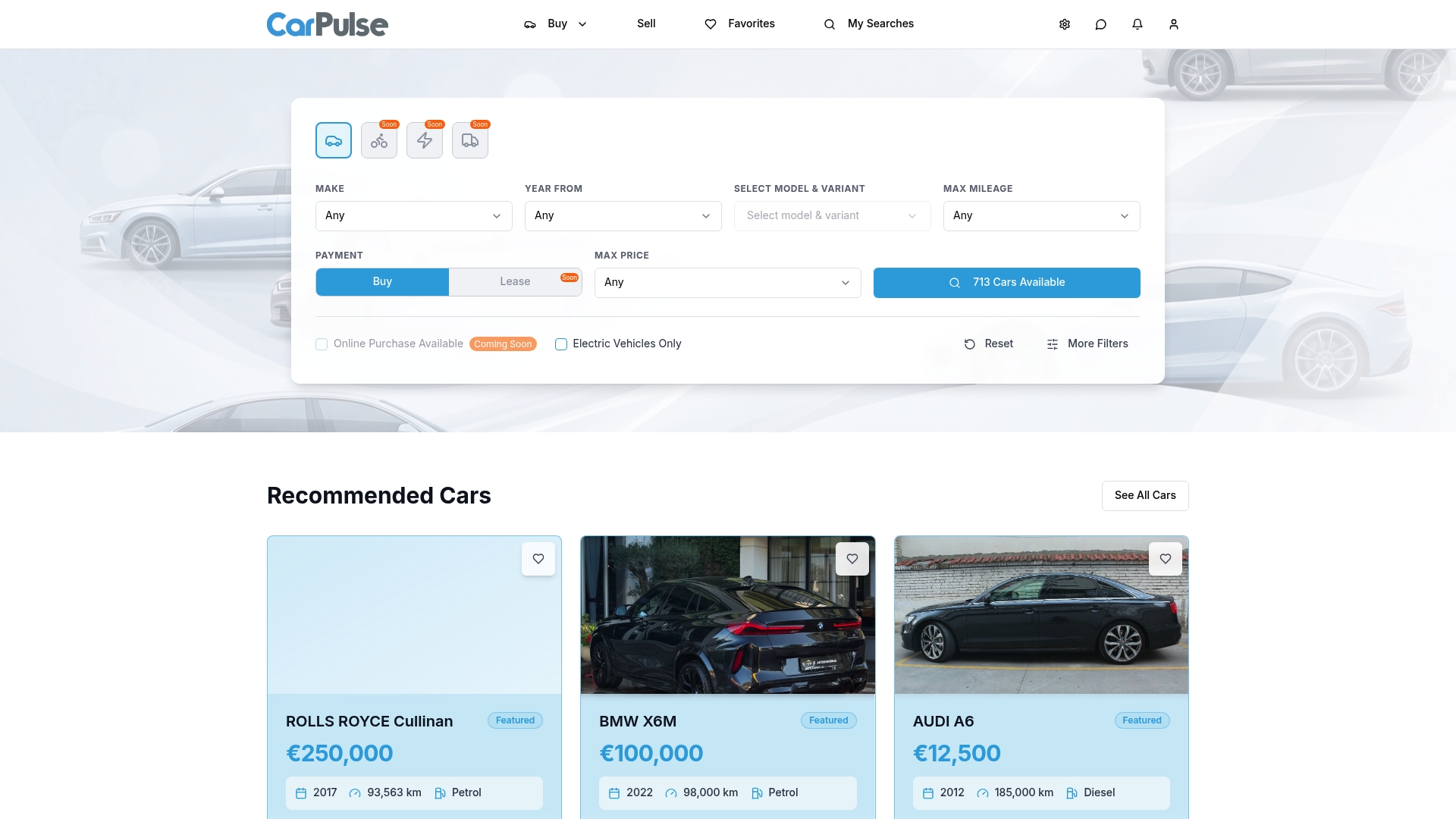
Sellers on our Basic or Premium plans can upload that documentation directly to the listing, giving buyers the proof they are already looking for. Start your listing on CarPulse and attach the report when you post.
Sources
- Inside a Certified EV Battery Health Report: How to Read It — Voltest
- Battery test electric cars | DEKRA Claims & Expertise
FAQ
Is 84% battery health after 2 years good?
That depends heavily on mileage rather than age alone. ADAC’s benchmarks suggest 84% SoH is typical near 150k km, so seeing it after just two years would warrant a closer look at delta and driving history rather than an automatic pass.
How much does an EV battery health check cost?
Pricing varies by provider and test type, with quick static scans generally costing less than dynamic or slow discharge tests. Programs such as ADAC’s regional battery-check service list example pricing that differs by membership status and test method, so check directly with the provider you plan to use.
What happens to an EV after 8 years?
Most EV batteries degrade slowly and predictably when maintained according to manufacturer guidance, rather than failing outright at any fixed age. ADAC’s guidance notes that extreme charging habits or harsh conditions, not age by itself, are what push a pack off that normal curve.
What is a good battery health for an EV?
A good result combines a SoH that matches or beats the mileage-adjusted benchmark for that vehicle with a tight cell delta, not just a high percentage on its own. A car showing strong SoH but a wide delta carries more hidden risk than one with slightly lower SoH and a balanced pack, according to certified report guidance from Voltest.