
Guides
Stop Listing Errors in Albania With Dekodim VIN and 17...
Stop Listing Errors in Albania With Dekodim VIN and 17 Character Checks

A VIN decode gives you the manufacturer-encoded facts about a car: make, model year, engine, body type, and sometimes original factory options. It does not tell you whether the car was in an accident, how many owners it had, or if the odometer was rolled back. Before you trust a listing, validate the VIN’s 17 characters, run it through an official decoder, and if you’re buying, order a paid history report to fill in the gaps a decode can’t reach.
TL;DR:
- Validating the VIN involves checking its format, authenticity, and consistency across multiple sources before making a purchase or sale.
- A VIN’s 17 characters encode manufacturer details, vehicle specifications, model year, and factory location, but do not include accident or odometer history.
- Relying solely on free decoders can miss gaps in detail; pairing them with paid history reports provides a complete overview of a vehicle’s background.
- Cross-checking decoded specifications with physical VIN plates and official documents helps detect tampering or discrepancies before closing a deal.
- Automated VIN autofill tools, like CarPulse, enhance listing accuracy and speed but should be complemented with independent history checks for full reliability.
Table of Contents
- What Is a VIN and Why It Matters for Dekodim VIN
- VIN Anatomy: WMI, VDS, VIS, and the Check Digit
- How to Decode a VIN Correctly, Step by Step
- What a Decoded VIN Can and Can’t Tell You
- Where to Run an Official VIN Check
- A Practical Checklist for Buying or Listing With a Decoded VIN
- Why Clear VIN Verification Builds a Safer Used Car Market
- CarPulse Makes VIN-Backed Listings Faster to Create and Easier to Trust
- Sources
- FAQ
What Is a VIN and Why It Matters for Dekodim VIN
A VIN, or vehicle identification number, is a 17-character code every manufacturer stamps onto a vehicle at the factory. Think of it as the car’s fingerprint. No two vehicles share one, and that uniqueness is exactly why Dekodim VIN (VIN decoding) has become the standard first move for anyone checking a listing before they buy.
The number isn’t just a convenience. Under Commission Regulation (EU) No 19/2011, manufacturers are legally required to mark VINs on their vehicles and maintain traceability records for at least 30 years. That’s a long paper trail, and it’s what makes the VIN reliable enough to build a decoding process around.
For buyers and professionals, checking the VIN does two things:
- Confirms that a listing’s claimed specs (engine, trim, model year) match what the factory actually built
- Flags mismatches early, before money changes hands or a listing goes live with wrong data
VIN Anatomy: WMI, VDS, VIS, and the Check Digit
Every VIN breaks into three blocks, and once you know what each one encodes, decoding stops feeling like guesswork.
- WMI (characters 1 to 3): The World Manufacturer Identifier. It names the manufacturer and the region where the vehicle was built.
- VDS (characters 4 to 9): The Vehicle Descriptor Section. It encodes body style, engine type, and other build details. Character 9 often serves as a check digit, a mathematical safeguard that flags a mistyped or fraudulent VIN.
- VIS (characters 10 to 17): The Vehicle Identifier Section. It carries the model year, the assembly plant code, and the vehicle’s unique serial number.
Positions 4 through 8 in the VDS block are where things get tricky. Manufacturers assign their own internal mappings there, so the same character can mean something different from one brand to the next. That’s one reason a generic decoder sometimes returns a blank field where a manufacturer-specific tool would return a trim code.
On the formatting side, the rules are strict and worth memorizing: a valid VIN is always exactly 17 characters, it never contains the letters I, O, or Q (they’re too easy to confuse with 1 and 0), and it should never include spaces or dashes. Regulation also requires VINs to be stamped in a visible, durable location on the vehicle itself, not just printed on paperwork.

How to Decode a VIN Correctly, Step by Step
Decoding sounds technical, but the actual process takes a few minutes if you follow it in order.
- Locate the VIN. Check the dashboard on the driver’s side (visible through the windshield), the driver’s door jamb plate, and the vehicle’s registration documents. All three should match.
- Inspect it visually. Look for signs of tampering: re-stamped digits, mismatched fonts, or a plate that looks like it was replaced.
- Validate the format. Count the characters. It must be exactly 17, contain no I, O, or Q, and match the check digit pattern where applicable.
- Run it through an authoritative decoder. NHTSA’s vPIC tool accepts full or partial VINs and returns manufacturer-reported build data, including the plant of manufacture.
- Cross-check with a secondary decoder if you need option lists. Some commercial tools supplement manufacturer data with broader trim and equipment mappings, useful when vPIC returns thinner results.
- Read blank fields correctly. An empty field in a decoder means “not recorded,” not “this feature was absent.” Compare against the seller’s paperwork or original window sticker if one exists.
- Order a paid vehicle history report for accident records, title status, and odometer readings, then schedule an independent mechanical inspection before you commit to buying.
Pro Tip: Snap a photo of the VIN plate itself, not just a screenshot of the listing. Rivet placement, font style, and plate condition can reveal a swapped or altered plate that a casual glance would miss.
What a Decoded VIN Can and Can’t Tell You
Manufacturer-reported fields inside a VIN decode are dependable for factory specs and original equipment, precisely because they come from the automaker’s own build records. That’s the strength of the system.
The gaps show up fast once you look for them. Consumer Reports notes that decoders vary widely in completeness, and it recommends leaning on official sources when you need to confirm original factory equipment. Commercial decoders sometimes fill gaps with their own database mappings, which can be useful but aren’t guaranteed to match the factory record exactly.
Here’s the divide that trips up most first-time buyers:
- VIN decode covers: make, model year, engine, body style, fuel type, and recorded original equipment
- VIN decode does not cover: accident history, odometer readings over time, number of previous owners, or theft records
Those history details live in separate administrative or paid databases, not in the VIN itself. There’s real movement here, too. EU proposals introduced in 2025 aim to improve how mileage data gets exchanged across borders, specifically to fight odometer tampering. Until that kind of data-sharing becomes standard, a paid history report remains the only reliable way to check mileage consistency over a car’s life.
Where to Run an Official VIN Check
Not every decoder tool carries the same weight, and knowing which source to trust for which question saves time.
- For manufacturer build data: NHTSA/vPIC reports plant location, model year, and other factory-recorded fields directly from the manufacturer.
- For the legal structure behind the VIN itself: Commission Regulation (EU) No 19/2011 sets out exactly how VINs must be composed and what obligations manufacturers carry.
- For accident, theft, and odometer history: paid history-report services or your country’s vehicle registration authority, not a VIN decoder.
Decode plus history report equals the full picture. Neither one alone gets you there. Fleet operators face a similar split when auditing a mixed vehicle pool, which is why grey fleet management checks typically combine VIN verification with separate usage and mileage audits rather than relying on one data source.
A Practical Checklist for Buying or Listing With a Decoded VIN
Whether you’re buying or selling, the decode is only step one of a short process.
- Validate the VIN for format and check digit accuracy.
- Decode it through an official tool to confirm factory specs.
- Order a history report covering accidents, title status, and odometer readings.
- Inspect the paperwork and the vehicle in person, comparing everything against the decode.
- Resolve any discrepancies before money changes hands, not after.
Sellers benefit from the same discipline in reverse. When you populate a listing using VIN autofill, attach a clear photo of the manufacturer’s plate and the registration document alongside it. That gives buyers something concrete to verify against, and it builds trust faster than specs alone.
Pro Tip: If the decode and the paperwork disagree on anything, especially engine size or model year, don’t just ask the seller to explain it verbally. Request written service history, delay any deposit, and bring in a third-party inspector before you proceed.
Why Clear VIN Verification Builds a Safer Used Car Market

Pairing a VIN decode with an independent history check closes most of the gap where fraud and honest mistakes both tend to hide. It’s a simple habit, but it catches a surprising amount.
The regulatory push toward better mileage-data exchange signals that this gap will keep narrowing over the next few years. Until it fully closes, the combination of decode, history report, and physical inspection remains the most reliable process available. Treat all three as one step, not three optional ones.
— Henri
CarPulse Makes VIN-Backed Listings Faster to Create and Easier to Trust
CarPulse cuts the guesswork out of listing a car in Albania by pulling specs directly from the VIN the moment you enter it. Instead of typing in engine size, model year, and trim by hand and hoping you got it right, the platform’s VIN autofill populates those fields automatically, which means fewer listing errors and a faster path from “I want to sell this car” to a live, accurate listing.
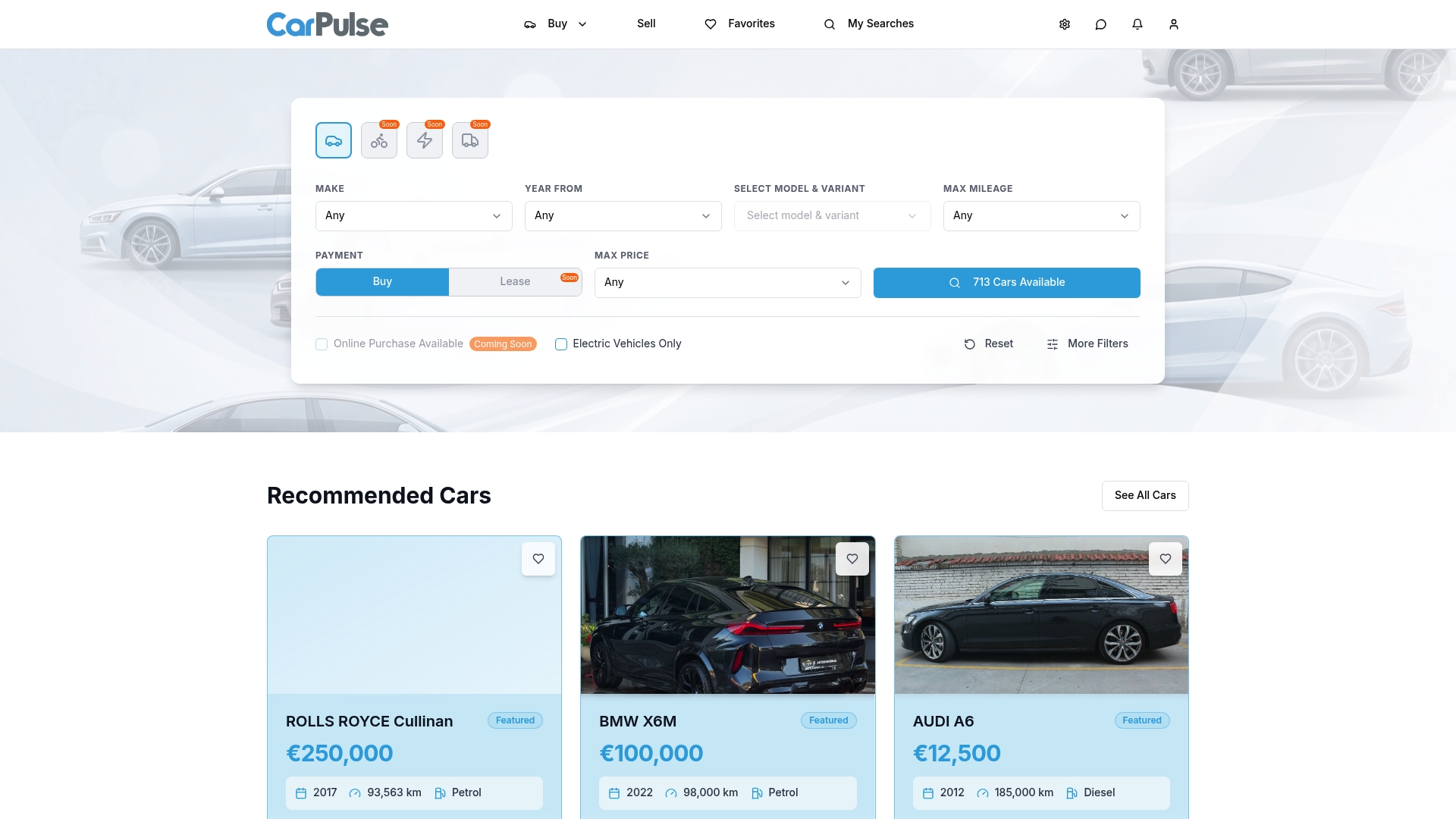
Buyers get the other half of that trust equation. Filtering through verified dealer listings alongside private sellers lets you cross-check decoded specs against what’s actually advertised, narrowing your search by make, model, year, mileage, and fuel type without digging through mismatched or vague ads. If you’re weighing a specific make, browsing Honda listings in Albania shows how autofill data looks once it’s live on a real listing.
If you’re a seller ready to list a vehicle with accurate, VIN-backed details, check the Basic and Premium listing plans and get your car in front of verified buyers today.
Sources
- Commission Regulation (EU) No 19/2011 concerning type-approval requirements for the manufacturer’s statutory plate and for the vehicle identification number
- Welcome to VIN Decoding :: provided by vPIC
- Vehicle identification number can tell you a lot about a car — Consumer Reports
FAQ
What Does a VIN Decode Actually Show?
A VIN decode shows manufacturer-recorded build data: make, model year, engine type, body style, and original factory options when reported. It does not show accident history, ownership changes, or odometer readings, which come from separate paid or administrative sources.
Is a VIN Decode the Same as a Vehicle History Report?
No. A decode reads factory-encoded specs directly from the VIN’s structure, while a history report pulls accident, title, and odometer records from separate databases. You typically need both to fully vet a used car.
Which VIN Decoder Should I Trust?
Start with NHTSA’s vPIC decoder for manufacturer-reported build and plant data, since it draws directly from what automakers report. Commercial decoders can add extra option details but vary in database completeness.
Why Does My VIN Decoder Show Blank Fields?
A blank field usually means the data point wasn’t recorded in that decoder’s database, not that the feature was absent from the car. Compare against the original window sticker, dealer paperwork, or a manufacturer-specific decoder to confirm.
Does CarPulse Verify VIN Data on Listings?
CarPulse uses VIN autofill to populate listing specs automatically, reducing manual entry errors on both buyer and seller sides. For full verification, pair the decoded specs with the seller’s registration documents and, for used cars, an independent history and mileage check.