
Guides
Dealer Consignment Sales: Set the Payout Trigger Before Sign
Dealer Consignment Sales: Set the Payout Trigger Before Signing

Consigning a car means you keep the title while a dealer sells it on your behalf under a written agreement, taking a commission once the sale closes. You typically net more than a trade-in offer, but you give up a lump sum today in exchange for waiting days or weeks for the right buyer. Consignment tends to suit owners who want hands-off selling and dealers who already have active retail traffic to move the car quickly.
TL;DR:
- Before handing over the keys, require a written payout deadline tied to cleared buyer funds, plus confirmation that proceeds stay in a protected account.
- Put the commission, costs before listing, and a cap on deductions requiring your approval in writing, alongside the minimum net amount you will accept.
- Set a reserve from comparable listings for your car’s year, trim, and mileage, then agree in writing on staged price reductions if interest stalls.
- Ask how quickly similar cars sell, require regular listing reports and written proof of lot and test drive insurance, and confirm a named contact.
- Avoid consignment for a slow selling model unless the dealer can document a realistic turnaround for comparable cars in your area.
Table of Contents
- What dealer consignment actually means
- How the consignment process unfolds from listing to payout
- Fees, who pays for what, and how your proceeds stay protected
- Contract clauses worth insisting on before you sign
- Weighing consignment against a private sale or trade-in
- Choosing a dealer to consign with: questions and red flags
- Listing and tracking a consigned car with CarPulse
- Preparing your car to get the most from consignment
- How dealers market a consigned car differently
- Setting a reserve price and negotiating through a dealer
- When consignment makes sense and when it does not
- List and track your consignment sale with CarPulse
- FAQ
- Sources
What dealer consignment actually means
In a consignment arrangement, you never transfer ownership until a buyer pays in full. The dealer acts as your agent, not as a buyer, so the car stays registered to you right up until the sale closes.
That agency role comes with specific tasks on each side. The dealer typically handles:
- Marketing the listing, scheduling showings, and running test drives
- Negotiating price with buyers and facilitating sale paperwork
Your responsibilities as the owner usually include:
- Providing a clear title with no unresolved liens
- Disclosing known mechanical or accident history accurately
- Agreeing in writing to who pays for repairs, detailing, and advertising before the car goes live
How the consignment process unfolds from listing to payout
The sequence is fairly predictable once you sign an agreement, though timing varies by dealer and demand for your particular make and model.
- Prepare the car. Get a market valuation, take sharp photos, and handle minor fixes. A VIN-based listing tool pulls year, trim, and spec details automatically, which cuts down on listing errors that slow a sale.
- Marketing and showings. The dealer promotes the listing, screens inquiries, and runs test drives with qualified buyers.
- Negotiation and sale. The dealer negotiates within whatever price floor you agreed to and accepts payment from the buyer.
- Title transfer and payout. Once funds clear, the dealer transfers title to the buyer and disburses your net proceeds, usually within a window specified in the contract.
That last step is where disputes happen most. Ask upfront what event triggers your payout: full buyer payment, a cleared check, or financing approval, since each one shifts your waiting period.
Fees, who pays for what, and how your proceeds stay protected
Dealers generally charge one of two ways: a flat consignment fee or a percentage of the final sale price. A flat fee tends to cover basic listing and sales support, while a percentage model often scales with added marketing or reconditioning work. Neither model is universally standard, so get the exact structure in writing before you sign anything.
Pre-sale costs deserve their own line in the contract. Specify:
- Who pays for detailing and minor repairs before listing
- Whether advertising costs come out of your proceeds or the dealer’s commission
- A cap on expenses the dealer can deduct without your approval
The most overlooked protection is where your money sits after the sale. A written consignment agreement should state the net return owed to you, the agreement’s duration, and the exact commission structure, with proceeds placed in a secured or protected account rather than general dealer funds (background industry guidance on consignment contracts). Without that clause, you have no real claim on funds the dealer has already spent elsewhere.
Contract clauses worth insisting on before you sign
A verbal handshake protects no one in consignment. The agreement should spell out every financial and legal detail in advance.
At minimum, require:
- A clear start and end date for the agreement, with renewal terms spelled out
- A reserve price or minimum net amount you will accept
- Commission percentage or flat fee, and which expenses it covers
- The name of the account or process where sale proceeds are held
- A disbursement window, stated with clear timing after the buyer’s payment clears
- Proof of the dealer’s insurance covering lot damage and test-drive incidents
Garage keeper’s liability matters more than most sellers realize. If a test drive ends in a collision or the car is damaged on the lot, you want documented proof that the dealer’s insurance, not yours, covers the loss.
Pro Tip: Ask for the disbursement clause in writing before you hand over keys, not after the sale closes.
Weighing consignment against a private sale or trade-in
Consignment sits between a trade-in and a full private sale in terms of effort and payout.
- Upsides: a dealer’s marketing reach and sales floor traffic often get you closer to retail value than a trade-in, and the dealer handles screening and paperwork for you.
- Tradeoffs: you wait longer than a trade-in, lose a commission plus any agreed expenses, and your car competes for attention against the dealer’s own inventory.
Consignment usually makes sense when you want more than a trade-in offer but do not want to manage buyer calls, test drives, and paperwork yourself.
Choosing a dealer to consign with: questions and red flags
Not every dealer runs consignment the same way, so vetting matters as much as the contract itself.
- Check their track record. Ask how quickly consigned cars similar to yours typically sell, and request a couple of recent examples.
- Ask the direct financial questions. Get specifics on commission, where proceeds are held between sale and payout, the disbursement timeline, and proof of insurance coverage.
- Require written guarantees. Insist on a price-reduction schedule if the car does not sell within an agreed period, a reporting cadence so you know what is happening with your listing, and a named contact person for questions.
Pro Tip: If a dealer hesitates to put the disbursement timeline or insurance proof in writing, treat that as a reason to look elsewhere.
Listing and tracking a consigned car with CarPulse
Accuracy at the listing stage avoids most disputes later. VIN-based listing tools autofill year, trim, and spec details so a consignment listing matches the car exactly, and AI price evaluation gives a data-informed starting point for negotiating a reserve with a dealer.
Once the car is listed, a platform may connect you with a network of verified dealers, so you are not vetting consignment partners blind. Mobile apps can let you track messages, offers, and documentation from wherever you are, which matters when you are relying on a dealer to report back honestly on showings and offers.
- Accurate VIN-based specs that reduce listing disputes
- AI price evaluation to anchor your reserve price
- Access to a network of verified dealers
- Mobile access to offers, messages, and paperwork status
Preparing your car to get the most from consignment
The condition and presentation of your car at the point of listing drives most of what a dealer can realistically negotiate. Start with a thorough cleaning, inside and out, since a detailed car photographs better and performs better in person at showings. Minor mechanical issues, like a check engine light or worn wiper blades, are worth fixing before listing: buyers and dealers alike treat an unresolved warning light as a red flag that drags down offers far more than the repair itself would cost.
Gather your paperwork early. A clean title, service records, and any recent inspection reports give the dealer material to build buyer confidence, and they speed up the eventual transfer once a buyer is found. If you still owe money on the car, resolve the lien situation with your lender before signing a consignment agreement, since an open lien complicates who can legally authorize the sale.
Photos matter more than most sellers expect. A dealer using professional-quality images, shot in good light from multiple angles, consistently draws more serious inquiries than a listing with a handful of phone snapshots. Our best car selling strategies for vehicle owners guide walks through pricing and presentation tactics that apply whether you are selling privately or handing the car to a dealer on consignment.
Finally, decide your walk-away number before you negotiate the reserve. Knowing your floor in advance keeps you from accepting a lowball offer under pressure during a slow sales period.

How dealers market a consigned car differently
Dealers typically run consigned vehicles through the same channels as their owned inventory, but the stakes differ because a consigned car’s visibility affects your payout, not theirs.
Most dealers place consigned vehicles across multiple online marketplaces simultaneously, rather than relying solely on walk-in lot traffic. That matters because consigned inventory often needs more active promotion to turn in a reasonable window, since it is not sitting at the front of the lot competing for every passerby’s attention.
Expect your dealer to use:
- Cross-posting to multiple listing sites, not just their own website
- Featured or boosted placement for consigned cars nearing a price-reduction deadline
- Direct outreach to their existing buyer database for matching makes and models
Ask your dealer specifically how they market consigned inventory differently from owned stock. A dealer who treats consigned cars identically to trade-ins they already own outright has less incentive to push hard on your behalf, since their margin on a consigned sale is fixed at the commission rate regardless of final price.
Setting a reserve price and negotiating through a dealer
Your reserve price is the one number that protects you most in a consignment deal, and it deserves more thought than a quick guess at market value.
Start with a realistic valuation based on comparable listings for your exact year, trim, and mileage, not an optimistic number based on what you originally paid. An AI-assisted price check can anchor that starting point before you negotiate the reserve with your dealer.
Once you have a target, build in room for negotiation without going below your actual floor. A buyer will almost always counter the asking price, so list slightly above your reserve to leave the dealer room to work a deal without going under what you are willing to accept.
Agree on how price reductions will happen if the car does not move. A staged schedule, for example a small reduction after two weeks and another after four, keeps the listing competitive without you having to renegotiate every time interest stalls. Without that schedule in writing, a car can sit unsold for months while nobody revisits the price.
When consignment makes sense and when it does not
If you want more than a trade-in offer but do not have time to manage buyer calls, screen lowballers, and handle paperwork yourself, consignment is usually worth the commission. The math works against you, though, if your car is a slow-moving model in your area or if the dealer you choose cannot show you a realistic turn time for similar vehicles.
My one rule: never sign a consignment agreement without a written disbursement window, since that single clause determines whether your payout arrives on time or gets tied up in a dealer’s cash flow.
— Henri
List and track your consignment sale with CarPulse
Getting a consigned car listed accurately is the first thing that protects your sale price, and that is where we focus. Our VIN autofill pulls your car’s year, trim, and specs automatically, our AI price evaluation gives you a realistic reserve starting point, and our verified dealer network means you are choosing a consignment partner we have already vetted rather than a cold contact.
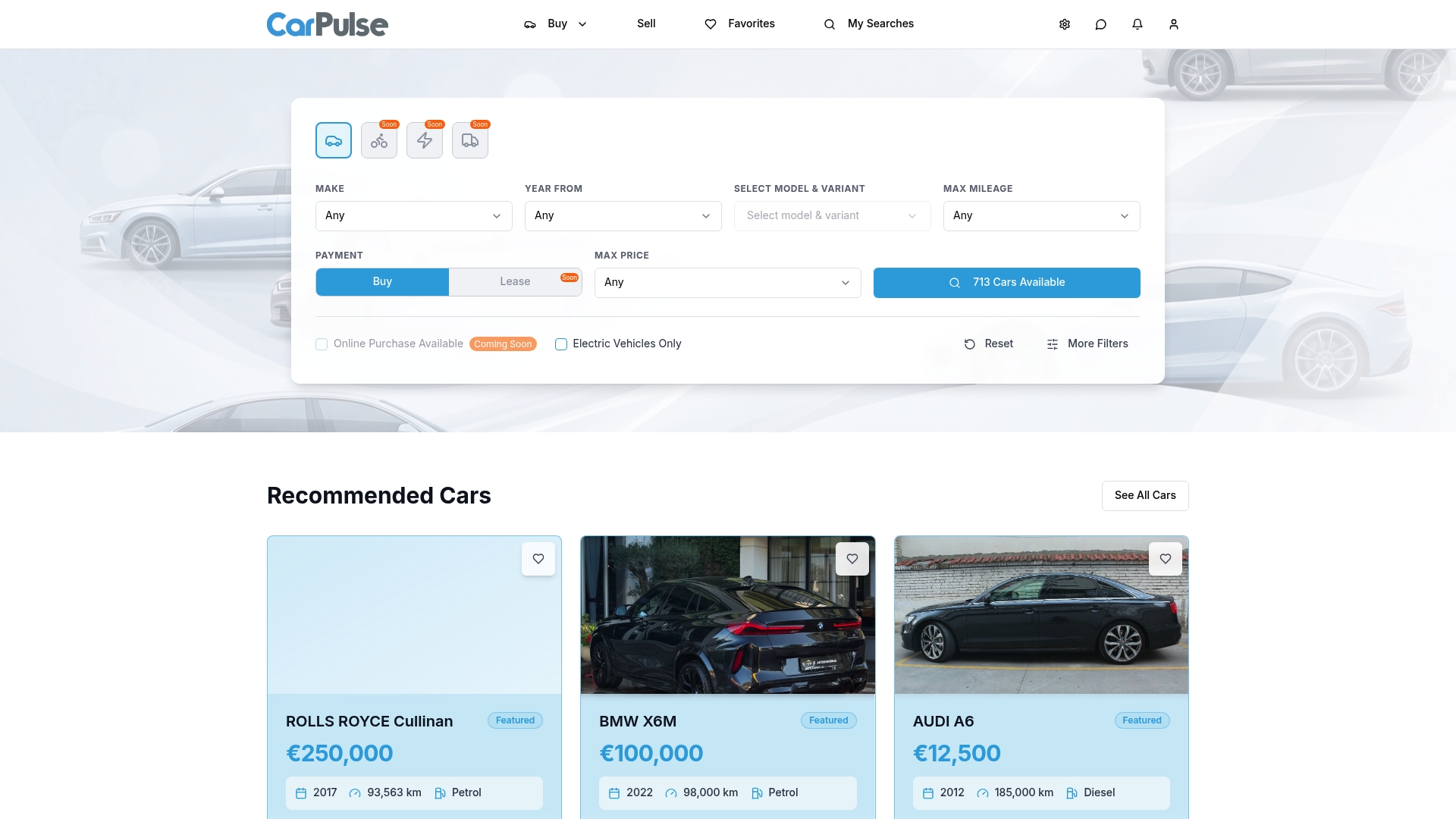
Mobile apps can keep you connected to messages, offers, and documentation throughout the sale, whether you list the car yourself or hand it to a consigning dealer found through a network.
- VIN-based listing that reduces spec errors and disputes
- AI price evaluation to set a realistic reserve
- Access to verified dealer connections
- Mobile app access to offers and paperwork on the go
| Plan | Price | Best for |
|---|---|---|
| Basic | €14.99 per month | Owners listing a single car for sale or consignment |
| Premium | €29.99 per month | Sellers and dealers who want added visibility and tools |
Review our pricing plans to choose the right listing tier, or browse the full marketplace to see how verified dealers present consigned inventory today.
FAQ
What is a consignment at a dealership?
A consignment at a dealership is an arrangement where you keep ownership of your car while the dealer sells it for you under a written agreement, taking a commission once the sale closes. You remain the legal owner until a buyer pays in full and title transfers.
What does consignment mean in sales?
In sales generally, consignment means an owner hands goods to a seller who markets and sells them without taking ownership first, paying the original owner once the item sells. The seller acts as an agent and earns a fee or percentage rather than buying the item outright.
What does it mean for a car to be sold on consignment?
It means a dealer lists, markets, and negotiates the sale of your car while you retain the title until a buyer completes payment.
Is selling on consignment a good idea?
Consignment often nets you more than a trade-in because of professional marketing and dealer sales traffic, but it takes longer than a trade-in and costs a commission. It tends to work best for owners who want a hands-off sale and are willing to wait for the right buyer at the right price.
What should a consignment agreement always include?
A solid consignment agreement states the agreement’s duration, the commission or fee structure, a reserve or minimum net amount, and exactly where sale proceeds are held before disbursement. It should also specify who covers pre-sale repair, detailing, and advertising costs, along with proof of the dealer’s liability insurance.
Sources
- Directive (EU) 2019/771 on certain aspects concerning contracts for the sale of goods
- best car selling strategies for vehicle owners
- full marketplace