
Guides
Avoid a $4,000–$7,000 CVT Bill: Brand Checks and VIN Steps f
Avoid a $4,000–$7,000 CVT Bill: Brand Checks and VIN Steps for Buyers

CVT transmissions can be reliable, but the outcome depends heavily on the manufacturer, the model year, and how well the fluid and service schedule were followed. Consumer Reports reliability data consistently shows some brands outperforming others in this category, and running a VIN check through an online platform before you buy is one way to confirm whether a specific car’s service history backs up that reputation. If you’re shopping used, treat heat damage and towing history as your two biggest red flags.
TL;DR:
- Toyota and Honda CVTs generally have better reliability records, especially with proper maintenance and after recent design improvements post-2019.
- Belt-driven CVTs are highly sensitive to fluid condition and heat, and their failure signs include shuddering, hesitation, slipping, and overheating.
- Lower-quality older Nissan CVTs, particularly from the early- to mid-2010s, are prone to overheating, early wear, and failure, making maintenance history critical.
- Proper CVT maintenance involves using manufacturer-specified fluid, timely fluid changes, and considering additional cooling for hot climates to prolong lifespan.
- Replacing a CVT can cost several thousand dollars, with full replacements often preferred over repairs due to limited rebuild options and specialized tooling requirements.
Table of Contents
- How CVTs work and why that affects reliability
- Manufacturer differences: brand-by-brand reliability patterns
- Common CVT problems and the warning signs to catch early
- Maintenance and fluid service: keeping a CVT alive longer
- Buying used: a CVT-focused checklist and test-drive routine
- Repairability and costs: rebuilds, replacements, and what to expect
- How CarPulse helps you verify VIN and service history before buying
- When a CVT is actually the right choice
- Check VIN history and verified listings on CarPulse
- FAQ
- Sources
How CVTs work and why that affects reliability
A continuously variable transmission replaces fixed gears with a system that can shift through an unlimited range of ratios, which is why acceleration in a CVT-equipped car feels like one long, smooth pull instead of a series of distinct shifts. Most CVTs on the road use a belt or chain running between two variable-diameter pulleys. As the pulleys widen or narrow, the effective gear ratio changes continuously, which is mechanically elegant but puts constant shear stress on the belt and the pulley surfaces.
A second category, often called eCVT or planetary CVT, works differently. These systems, common in hybrid vehicles, use a planetary gearset combined with electric motors to blend power sources rather than relying on a belt stretched between pulleys. Because there’s no belt wearing against metal surfaces under tension, eCVT units tend to hold up better over time, and grouping them with belt-driven CVTs understates how durable they can be, according to Autoblog’s reporting on Toyota’s CVT designs.

In belt-and-pulley CVTs, heat and fluid condition are the central failure drivers. The belt operates under continuous friction and load, and the fluid both lubricates the belt-pulley interface and carries away heat. When fluid breaks down from age or heat exposure, belt wear accelerates, slippage increases, and the transmission starts to shudder or hesitate.
CVTs make the most sense in smaller, lighter vehicles where fuel economy matters more than towing capacity. They lose their advantage, and sometimes their durability, in trucks, larger SUVs, or any application involving sustained high torque or frequent towing, since the belt and pulley system has clear limits on how much force it can transmit without excess wear.
Manufacturer differences: brand-by-brand reliability patterns
Not all CVTs are built the same, and the badge on the hood matters more than most buyers expect. Reliability survey data from Consumer Reports weighs multiple trouble spots across a manufacturer’s lineup, and Toyota and Honda tend to rank higher in these comparisons while some older Nissan units pull scores down.
Honda developed much of its CVT technology in-house and has built a stronger track record than many competitors. Owners and technicians regularly report Honda CVT-equipped vehicles reaching high mileage with only routine fluid service, and the brand’s steady investment in refining the design shows up in fewer widespread complaints compared to some rivals.
Toyota has taken two paths: a belt-driven CVT in smaller models and a planetary eCVT in its hybrid lineup. The hybrid eCVT units have an especially strong reputation because the planetary design avoids the belt wear that affects conventional CVTs. According to Autoblog, post-2019 Toyota CVT designs show meaningfully improved reliability, with documented examples exceeding typical long lifespans when properly maintained.
Subaru’s Lineartronic CVT had a rougher start. Early versions, especially those from the early-to-mid 2010s, were linked to premature wear and shuddering complaints. Subaru revised the design over time, and post-2015 units show noticeably fewer widespread issues, though verifying service history remains important given the brand’s belt-driven architecture.
Nissan, working with supplier JATCO, has the most troubled CVT history among mainstream manufacturers. Older Nissan CVTs, particularly those from the early-to-mid 2010s, developed a reputation for overheating, shuddering, and outright failure well before 100,000 miles. Consumer Reports’ manufacturer comparisons reflect this pattern, and buyers considering an older Nissan with a CVT should treat undocumented service history as a serious risk rather than a minor gap.
As a practical rule, favor Honda and Toyota CVTs from any era with solid service records, lean toward Subaru units built after 2015, and apply extra scrutiny, or avoid altogether, Nissan CVTs built before the more recent design revisions unless the maintenance paperwork is complete and convincing.
Common CVT problems and the warning signs to catch early
CVT failure rarely happens without warning. Most belt-driven units give off clear symptoms well before they fail completely, and catching these early can mean the difference between a fluid service and a full replacement.
- Shuddering or vibration at light throttle, especially in the 30 to 50 mph range, often signals belt or pulley wear and is one of the clearest early indicators of trouble, according to Autoblog.
- Hesitation on acceleration suggests the transmission is struggling to find or hold the correct ratio, which can point to fluid breakdown or early belt slippage.
- Whining or grinding noise under load often means internal wear has progressed past the point where a fluid change alone will fix it.
- Noticeable slipping, where engine RPM rises without a matching increase in speed, points to belt slippage against the pulleys.
- Overheating, often shown by a transmission temperature warning or a burnt smell, accelerates every other failure mode and should prompt an immediate stop in driving.
Each of these symptoms maps to a specific mechanical cause: shudder and slipping usually trace back to belt or pulley wear, hesitation often ties to degraded fluid losing its lubricating properties, and noise can indicate bearing or chain wear inside the unit. If you notice any of these during a test drive or in your own car, don’t wait. A transmission specialist can run a fluid condition check and a pressure test to confirm whether the issue is still serviceable or whether you’re looking at a replacement.
Maintenance and fluid service: keeping a CVT alive longer
Fluid condition is the single biggest variable in CVT lifespan. CVT fluid isn’t interchangeable with regular automatic transmission fluid. It’s formulated specifically to handle the friction and shear forces of belt-and-pulley contact, and using the wrong type can accelerate belt wear within a few thousand miles.

Many manufacturers once marketed CVT fluid as a lifetime fill, but that labeling has proven misleading. Fluid degradation is widely cited as the leading cause of premature CVT failure, and following a proactive change interval at manufacturer-recommended intervals for many belt-driven CVTs significantly extends service life, per Autoblog’s reporting. Planetary eCVT units in hybrids are generally more tolerant of longer intervals, since they don’t rely on the same belt-and-fluid friction system.
A few additional habits make a real difference over the life of the transmission:
- Use the manufacturer-specified fluid type, never a generic substitute, since CVT fluid formulations vary significantly between brands.
- Consider an auxiliary transmission cooler if you live somewhere hot or regularly drive in stop-and-go traffic, since heat is the fastest way to break down CVT fluid.
- Confirm fluid fill level and type at every service visit, since overfilling or underfilling a CVT can cause aeration and premature wear.
- Check VIN-linked service history before buying a used CVT vehicle to confirm fluid changes actually happened on schedule rather than relying on a seller’s word.
Pro Tip: Always ask for fluid-change receipts and confirm the exact fluid type used. An oil-stained transmission pan, a missing service record, or a receipt showing a generic fluid rather than the manufacturer’s spec is a clear red flag.
Buying used: a CVT-focused checklist and test-drive routine
Buying a used CVT-equipped car comes down to verification. The transmission might feel fine in a five-minute test drive and still be a few thousand miles from trouble, so a structured check matters more here than with a conventional automatic.
- Pull the full service history and confirm fluid changes happened on the manufacturer’s recommended schedule, not just an oil change log.
- Run a VIN report to check for accident history, prior transmission repairs, and title issues.
- Check for open recalls or technical service bulletins tied to the transmission on that specific model and year.
- Ask directly about towing history, since even occasional heavy loads accelerate belt and fluid wear in CVTs not rated for it.
- Inspect underneath the car for fluid leaks around the transmission case and cooler lines.
- Confirm the most recent fluid service date and fluid type against the manufacturer’s spec sheet.
For the test drive itself, a methodical routine reveals more than a quick spin around the block, a point echoed in Ecosteer’s test-drive checklist for spotting hidden faults. Start with a cold start and listen for unusual noise before the fluid warms up. Let the car idle and warm fully, then drive through the 30 to 50 mph range specifically, since that’s where shudder and hesitation show up most clearly. Finish with a steady highway stretch and pay attention to whether the transmission temperature gauge climbs unexpectedly or any new noise appears under sustained load.
If you notice shudder, slipping, a burnt smell, or a seller who can’t produce fluid-change records, treat that as a reason to walk away or insist on a professional transmission inspection before moving forward.
Repairability and costs: rebuilds, replacements, and what to expect
Unlike traditional automatics, which shops have rebuilt for decades, most CVTs get replaced outright rather than repaired internally. Specialized tooling and training are often missing at smaller independent shops, which pushes owners toward full-unit replacement even for issues that might otherwise be fixable, according to Autoblog.
CVT replacement typically runs in the several-thousand-dollar range, notably higher than the average cost for a traditional automatic rebuild, a gap that reflects both parts cost and the limited availability of qualified CVT rebuilders, per Vektracer’s cost analysis. That difference alone can determine whether repairing an older CVT vehicle makes financial sense.
Before committing to a repair, check whether the original factory warranty or an extended powertrain warranty still applies, ask whether a certified remanufactured unit is available for your model, and get a written quote for full replacement before you decide. If the repair cost approaches a meaningful share of the car’s value, walking away is often the more rational choice.
How CarPulse helps you verify VIN and service history before buying
When you list or browse a vehicle on a VIN-based listing platform, the tool pulls in verified vehicle details automatically, which gives you a faster starting point for checking service and recall history instead of relying on a seller’s description alone. You can save searches, bookmark CVT-equipped listings you’re comparing, and message sellers directly to ask for fluid-change receipts or prior repair records before committing to a purchase.
When a CVT is actually the right choice
A CVT suits commuters who value fuel economy and have the paperwork to confirm the transmission was properly maintained. For towing, heavy loads, or a car with murky service history, a conventional automatic remains the safer bet. Whatever you’re shopping for, verify the manufacturer’s track record and the actual service records before you sign anything.
— Henri
Check VIN history and verified listings on CarPulse
We built our VIN-based listing tool so that buyers and sellers both work from the same accurate vehicle data instead of guesswork pulled from memory or a vague ad. Browsing verified-dealer listings on CarPulse gives you direct access to sellers who can produce service records on request, and our pricing page outlines the Basic and Premium plans sellers use to list vehicles with full VIN-populated details.
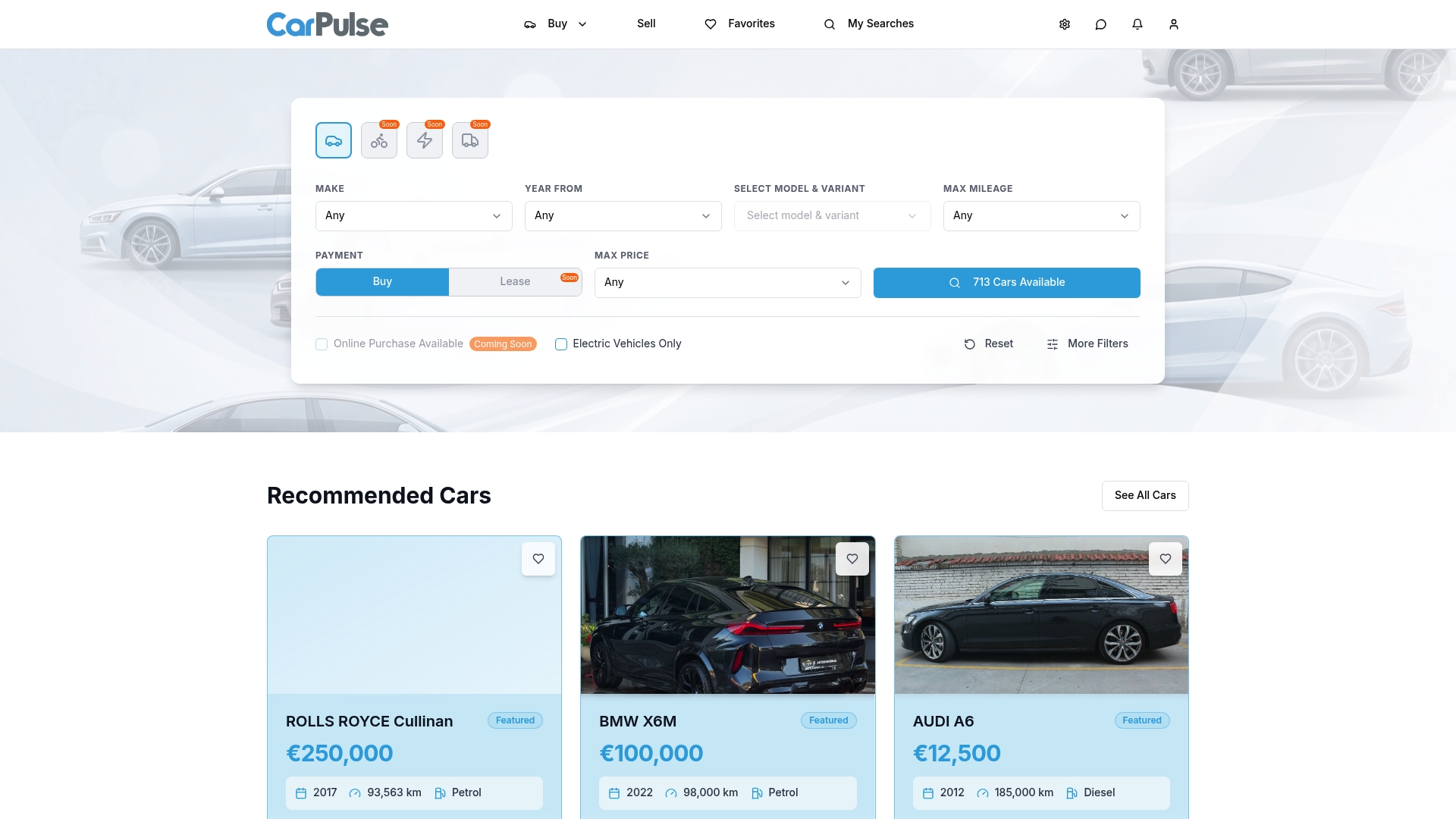
If you’re shopping for a CVT-equipped car, start by browsing verified listings on CarPulse and messaging a dealer directly about fluid service history before you schedule a test drive.
FAQ
Why avoid CVT transmission?
Some buyers avoid CVTs because certain belt-driven units, particularly older Nissan models built with JATCO transmissions, developed reputations for shuddering, overheating, and premature failure. The transmission type itself isn’t inherently unreliable. The manufacturer and maintenance history behind a specific unit matter far more than the CVT label alone, according to Vektracer.
How long does a CVT transmission last?
A well-maintained CVT from a manufacturer like Toyota or Honda can exceed typical high mileage, especially in recent designs with documented fluid service, per Autoblog’s reporting. Poorly maintained units, or those from manufacturers with weaker CVT track records, can fail well before 100,000 miles.
Is CVT better than automatic?
Neither type is universally better since each suits different driving needs. CVTs typically deliver smoother, more fuel-efficient performance in smaller cars, while traditional automatics tend to hold up better under towing or heavy loads and are generally easier and cheaper for shops to repair, per Vektracer.
What is the biggest problem with CVT transmission?
The biggest practical problem is repairability: many CVTs can’t be rebuilt by typical shops and must be replaced entirely, which costs between $4,000 and $7,000 compared to about $2,500 for a conventional automatic rebuild, according to Vektracer. Fluid breakdown from heat and age is the mechanical root cause behind most of these failures.