Guides
Albania Buyers: Decode Any VIN in 4 Steps, Spot Clones...
Albania Buyers: Decode Any VIN in 4 Steps, Spot Clones in 5 Minutes
A VIN is a 17-character code stamped into every vehicle at the factory, unique to that one car and no other. It packs in the country of origin, the manufacturer, the model year, and a serial identifier that lets you pull theft records, recall history, and factory specs before you hand over any money. If you’re looking at a used car, checking the VIN is a key way to confirm the seller is telling the truth.
TL;DR:
- Checking multiple VIN locations on the vehicle and matching them with registration documents can reveal tampering or cloned VINs.
- Decoding the VIN confirms the vehicle’s actual model year, trim, and engine details, preventing misrepresentation by sellers.
- Conducting a vehicle history report uncovers theft, salvage status, and odometer fraud, which are often hidden in plain sight.
- Performing a recall search helps identify unresolved safety issues tied to the VIN that could pose risks post-purchase.
- Relying on VIN-based listings and verification platforms reduces manual errors and improves transparency during the buying process.
Table of Contents
- Çfarë Është VIN: The Structure Behind the 17 Characters
- Where to Find the VIN on the Car and in the Paperwork
- Why a VIN Check Protects You Before You Buy
- How to Check and Decode a VIN Step by Step
- A Pre-Purchase VIN Checklist You Can Use at the Viewing
- A Marketplace View on Why the VIN Check Gets Skipped
- Try VIN-Based Listings Before You Negotiate
- Where This Information Comes From
- Sources
- FAQ
Çfarë Është VIN: The Structure Behind the 17 Characters
VIN stands for vehicle identification number, and every one assigned to a road vehicle since the mid 1980s follows the same international format. The code is standardized under ISO 3779, which fixes both the length and the internal logic so a VIN issued in Germany and one issued in Japan follow identical rules.
Three things make the format strict rather than random. First, it’s always 17 characters, no more, no fewer. Second, the letters I, O, and Q never appear anywhere in a valid VIN, because they’re too easy to confuse with the numbers 1 and 0. Third, the code splits into three functional blocks:
- WMI (positions 1 to 3): identifies the country of manufacture and the specific manufacturer
- VDS (positions 4 to 8): describes the vehicle’s model, body type, engine, and other build details
- VIS (positions 9 to 17): the vehicle identifier section, including a check digit and the model year
The 9th character is a check digit, calculated using a formula against the rest of the code, and it’s what lets decoders flag a VIN that’s been altered or mistyped. The 10th character is what most buyers actually care about day to day: it encodes the model year, which is how a quick decode can confirm a seller’s claim about how old the car really is.
Where to Find the VIN on the Car and in the Paperwork
The VIN shows up in more places than most owners realize, and checking several of them at once is how you catch a mismatch. According to official guidance from DPSHTRR, Albania’s road transport services directorate, here’s where to look:
- Windshield, lower left corner (driver’s side): visible from outside the car without opening a door.
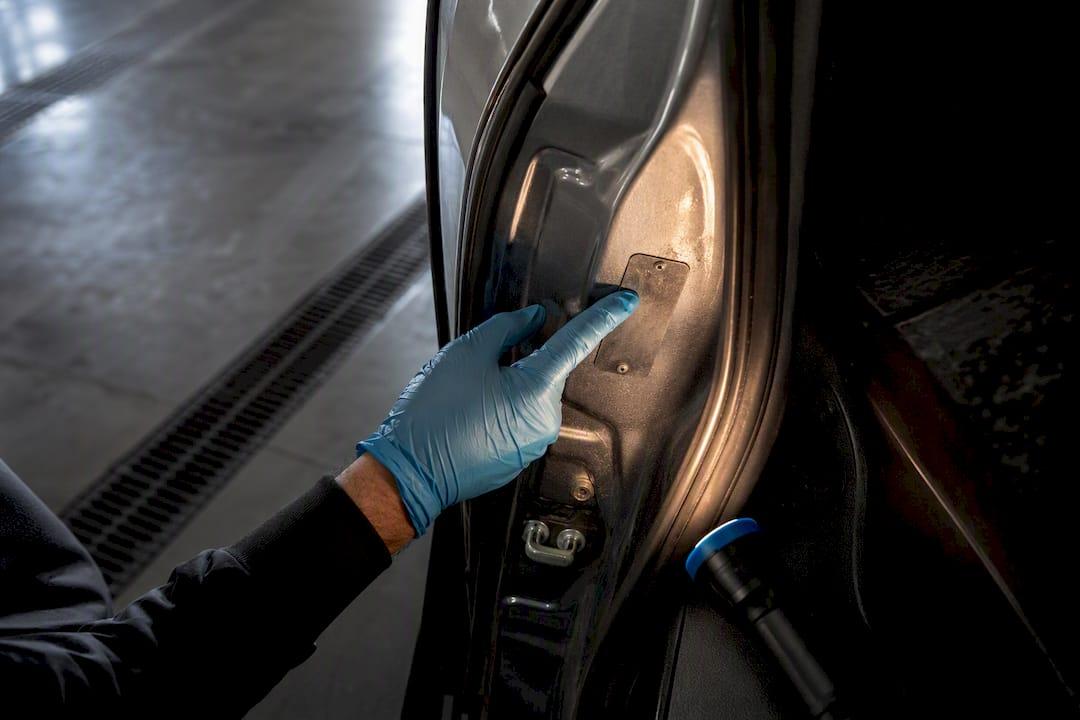
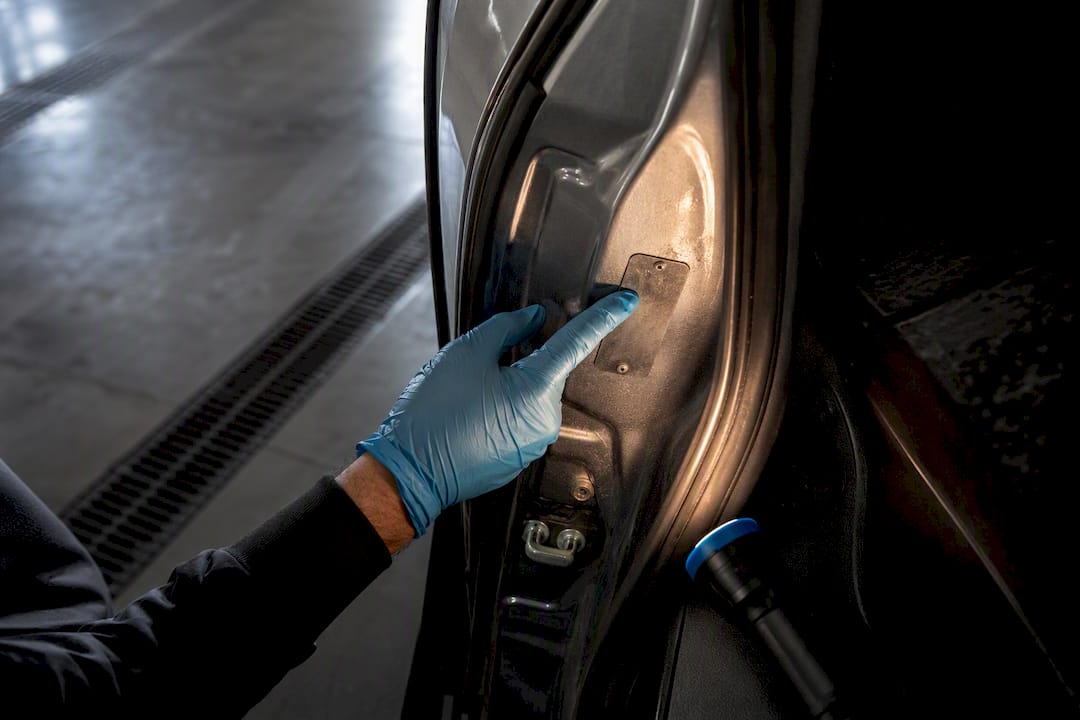
- Driver’s door jamb or stanchion: open the door and check the sticker on the frame itself.
- Under the hood or on the frame: often stamped near the engine block or firewall.
- Registration certificate, title, and insurance documents: all three should list the identical 17-character code.
- Owner’s manual and service records: a mismatch here can signal a swapped engine or a cloned VIN.
If the number stamped on the windshield doesn’t match the one on the registration, this can indicate that the vehicle’s paperwork has been tampered with or the car itself isn’t what the seller claims.
Why a VIN Check Protects You Before You Buy
A VIN check helps reveal problems that may not be visible, such as theft, salvage status, or safety recalls:
- Whether the car was ever reported stolen
- Whether it carries a salvage or write-off status from a previous insurance claim
- Whether the odometer reading lines up with historical service records
- Whether the manufacturer has issued an open recall or safety bulletin for that exact vehicle
The DPSHTRR advises buyers to treat the VIN check as a standard step before any used-car purchase, precisely because it verifies history, theft status, and factory specifications all at once. That last point matters more than buyers expect: decoding the VIN confirms the car’s actual factory trim, engine, and equipment, which means you can compare the seller’s asking price against what the vehicle genuinely is rather than what it’s advertised as.
One overlooked risk: vehicle theft doesn’t end when a car changes hands. Pairing a clean VIN history with aftermarket protection, like the GPS-based recovery systems covered in this guide to theft recovery technology, gives owners a second layer of security a VIN check alone can’t provide.
How to Check and Decode a VIN Step by Step
Decoding a VIN doesn’t require special software or a trip to a dealership. It takes four steps, and you can do the first two in under ten minutes.
- Run a free VIN decoder first. Plenty of manufacturer sites and general automotive tools will take the 17-character code and spit out the make, model, year, and trim in seconds. This is your quick sanity check against what the seller told you.
- Order a paid vehicle history report if you’re serious about buying. Free decoders confirm specs, but they won’t show you theft flags, salvage titles, or the ownership chain. A paid report fills that gap and is worth the small cost relative to the price of the car itself.
- Search recall databases or the national vehicle register. Open recalls tied to a specific VIN mean the manufacturer has identified a defect that hasn’t been fixed yet, and that’s a repair cost or safety risk you’re inheriting the moment you buy.
- Look for VIN-based listings when browsing marketplaces. Platforms that pull details directly from the VIN, like CarPulse, populate the listing automatically, which cuts down on the typos and misrepresented specs that plague manually entered ads.
Pro Tip: Always decode the VIN yourself before you trust the listing description. Sellers rarely lie about the VIN itself, but they sometimes get the trim, engine, or year wrong by accident, and a two-minute decode catches it instantly.
A Pre-Purchase VIN Checklist You Can Use at the Viewing
Bring this list with you to any in-person viewing. It takes five minutes and it’s the cheapest insurance you’ll buy all day.
- Physically check the VIN in at least two spots (windshield and door jamb) and confirm both match the registration
- Decode the VIN and compare the engine, transmission, and trim against what the seller told you
- Pull a full history report and scan for salvage titles, theft flags, and odometer inconsistencies
- Check for open recalls tied to that exact VIN, and pause the deal if a major safety recall hasn’t been resolved
- If the VINs don’t match across locations, or the history looks suspicious, stop the purchase and report it
| Check | What it catches | Action if it fails |
|---|---|---|
| Physical VIN match | Cloned or swapped VIN plates | Walk away, notify authorities |
| VIN decode vs. seller claim | Misrepresented trim or engine | Renegotiate price or decline |
| History report | Theft, salvage, odometer fraud | Do not proceed with purchase |
| Recall search | Unresolved safety defects | Delay until recall is completed |
This isn’t a hoop to jump through for the sake of caution. It’s the difference between buying a car and buying someone else’s problem.
A Marketplace View on Why the VIN Check Gets Skipped
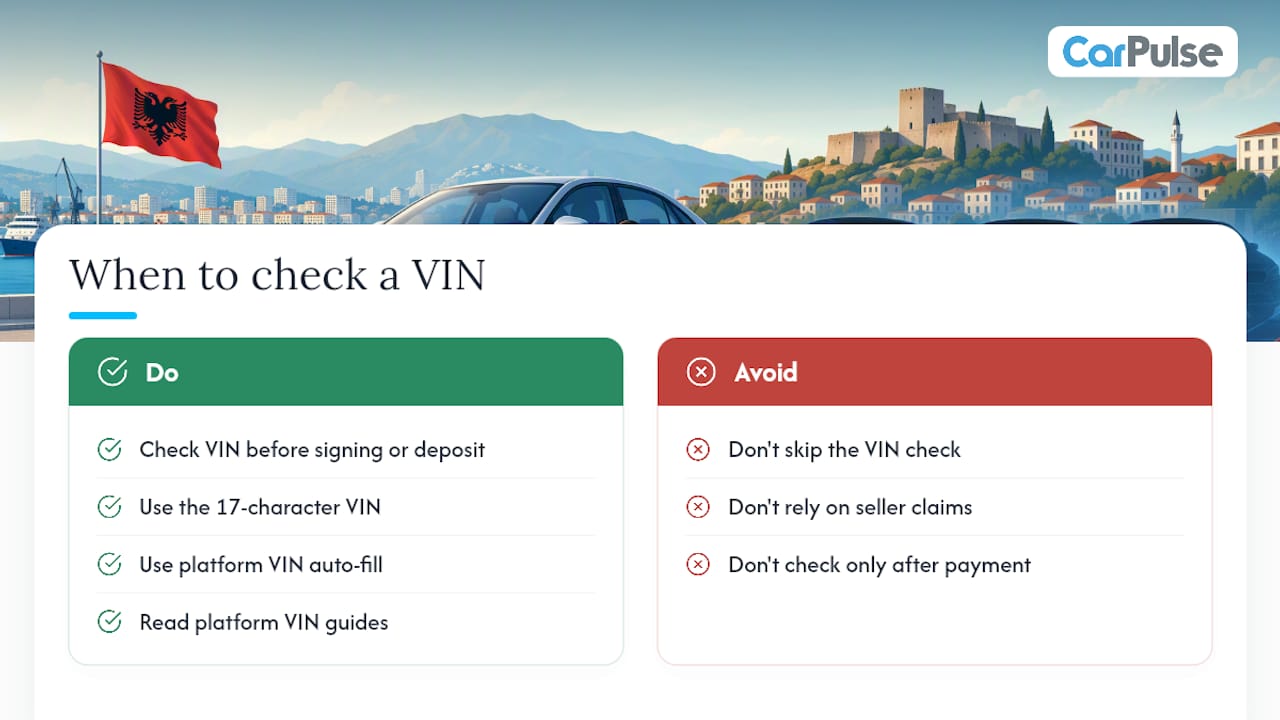
Buyers spend hours comparing prices and negotiating, then skip the one check that actually protects them. In practice, the VIN check is often the single most effective step buyers skip, mostly because it feels bureaucratic rather than useful. That’s backwards. A 17-character code is more reliable than a seller’s word, and it takes less time to check than a test drive.
The platform builds VIN-based listing auto-fill directly into the interface, so sellers list accurate specs from the start and buyers get fewer surprises later. The platform also publishes educational content aimed at helping buyers verify a vehicle before they commit to it. Whatever platform you’re using, treat this as a rule with no exceptions: check the VIN before you sign anything or pay a deposit, not after.
— Henri
Try VIN-Based Listings Before You Negotiate
This platform is built around the principle that the VIN is a reliable source of information about a car, and thus uses it directly. When a seller lists a vehicle, the platform pulls the details straight from the VIN and auto-populates the make, model, year, and specs, reducing manual entry errors that confuse buyers and occasionally mask a misrepresented listing.
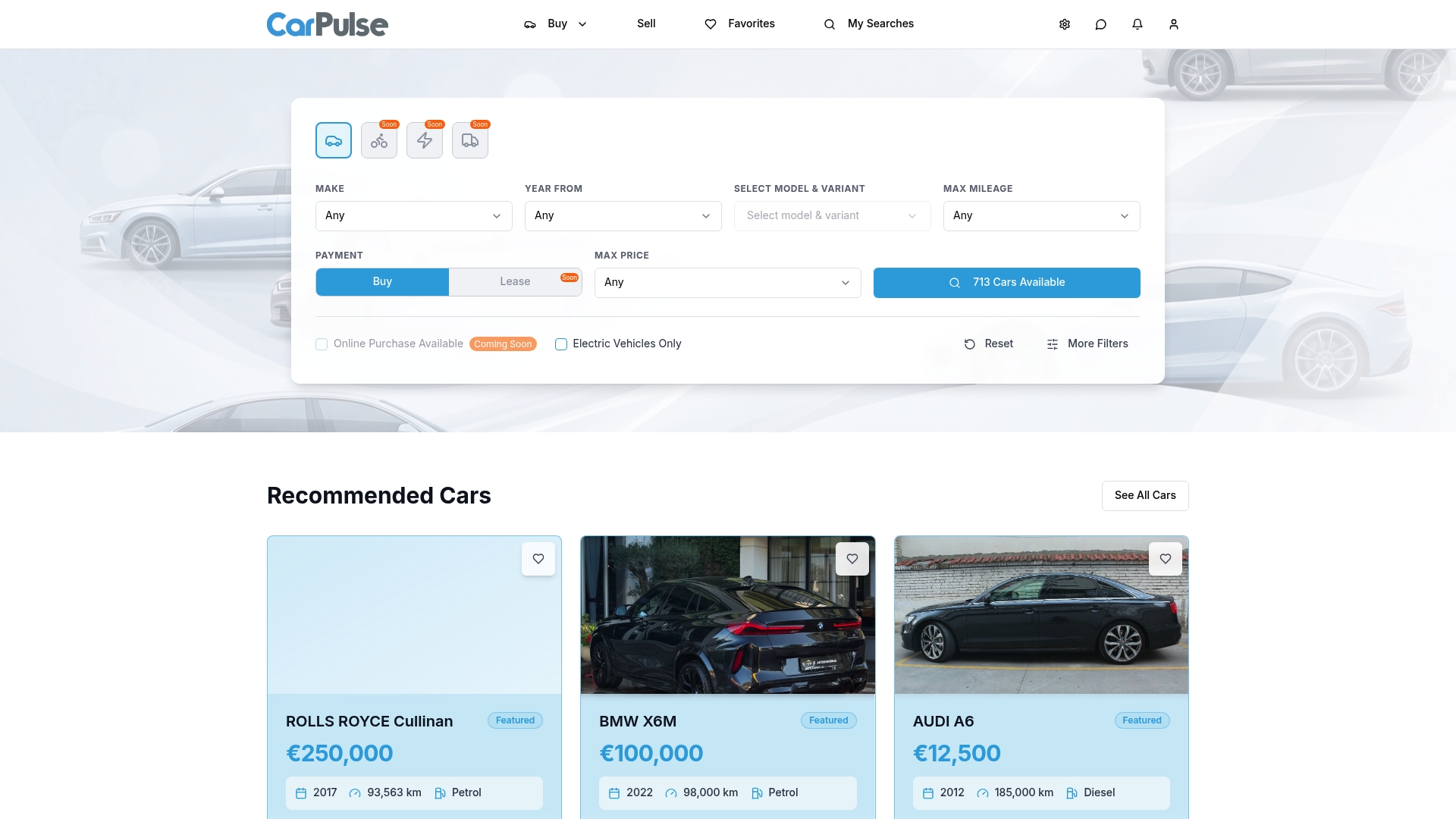
That accuracy matters more once you’re comparing dozens of listings side by side, especially across a verified dealer network where consistent, VIN-backed data makes it easier to spot a fair price versus an inflated one. If you’re evaluating a specific listing, read through the platform’s guide on why verified cars reduce buying risk for a deeper look at how verification works. When you’re ready to see it in action, browse VIN-populated listings on the site and search current inventory from verified sellers and dealerships.
Where This Information Comes From
Key facts in this article draw on DPSHTRR’s official guidance on VIN placement and verification, the ISO 3779 standard for VIN structure, Kelley Blue Book’s decoding guide, and a practical Albanian-language VIN guide from Automoli.
Sources
- DPSHTRR — guidance on VIN (Albanian official source)
- VIN Decoder: The Essentials Explained - Kelley Blue Book
FAQ
What Does VIN Stand For?
VIN stands for vehicle identification number, a unique 17-character code assigned to every vehicle at manufacture.
Why Do VINs Never Include the Letters I, O, or Q?
Those letters are excluded because they closely resemble the numbers 1 and 0, and removing them prevents misreading and reduces errors during manual entry.
What Does the 10th Character in a VIN Mean?
The 10th character typically indicates the vehicle’s model year, which is one reason decoding the VIN is a fast way to confirm a seller’s claim about a car’s age.
Can a VIN Check Really Detect a Stolen or Salvaged Car?
Yes. A VIN-based history report can surface theft records, salvage titles, and odometer inconsistencies that aren’t visible from a simple inspection or test drive.
Does the platform Verify the VIN on Its Listings?
The platform auto-populates listing details directly from the VIN when a seller creates a listing, which reduces manual entry errors and helps buyers cross-check the specs before making an offer.