Guides
Register in Days, Not Weeks: COC Steps and VIN Checks...
Register in Days, Not Weeks: COC Steps and VIN Checks for Albania
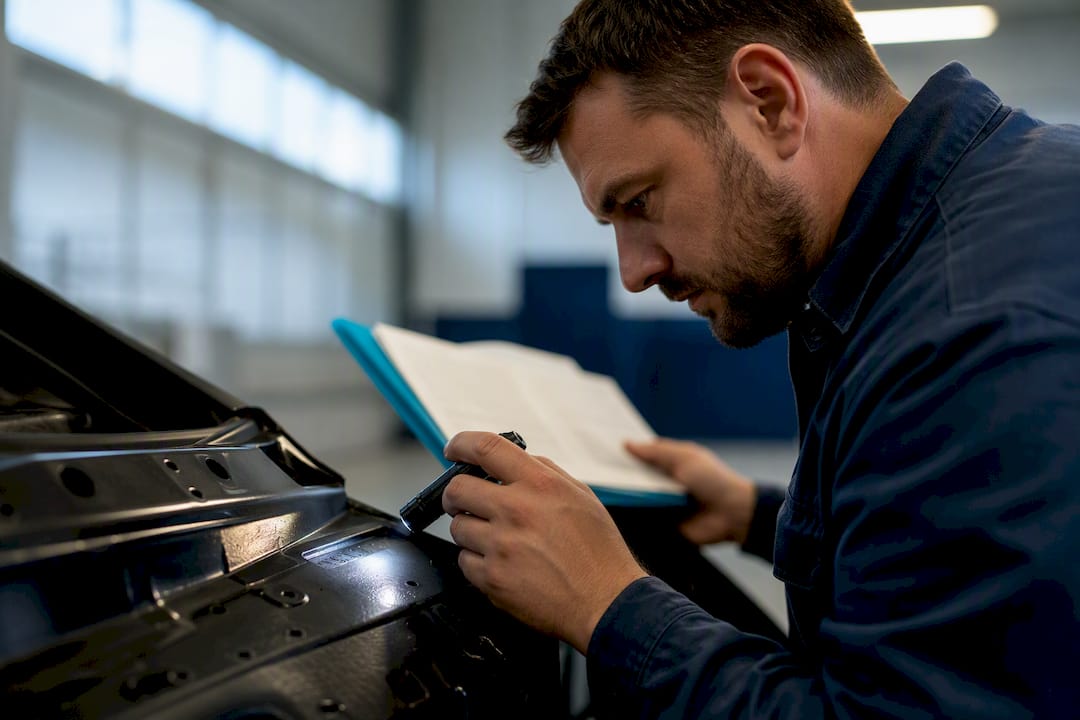
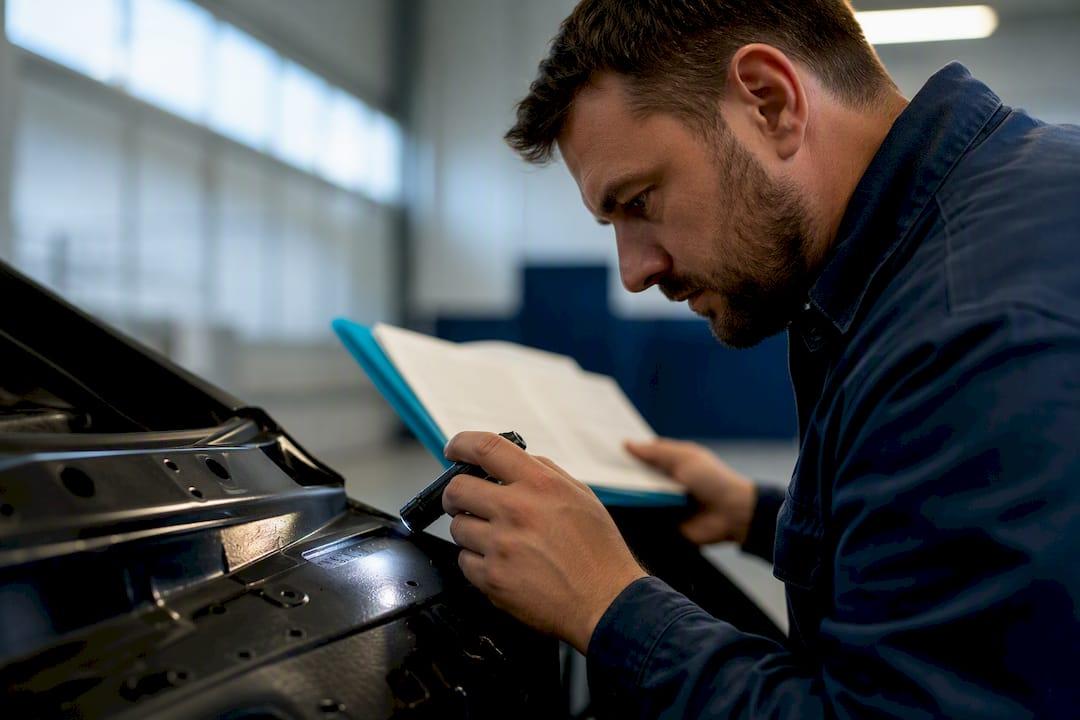
A manufacturer-issued Certificate of Conformity is the fastest way to register an imported EU-type-approved vehicle in Albania, so ask the seller for the original certifikatë coc makine before you pay a single lek. If it exists, first registration with DPSHTRR moves quickly. If it does not, you are looking at a homologation process that costs more time and money. Get a scanned copy of the COC and confirm the original ships with the car, not after it.
TL;DR:
- A valid original Certificate of Conformity is essential for quick registration; without it, owners face lengthy and costly homologation procedures.
- The COC includes VIN, type-approval number, technical specs, and emission class, all must match the vehicle physically present; a mismatch can delay registration.
- Obtaining a COC involves multiple routes—seller, dealer, manufacturer, or specialized services—with costs and wait times varying based on vehicle age and brand.
- Always verify the VIN and details on the scanned COC before making full payment; do not rely on digital files alone for registration.
- In case of missing COC, Albanian authorities require detailed technical documentation and testing, extending the process from days to weeks.
Table of Contents
- What a Certificate of Conformity Is and Why It Matters for Albania
- What Information a COC Contains
- How to Get a COC: Routes, Documents, and Steps
- Costs and Timelines for an Original or Duplicate COC
- When the COC Is Missing: Homologation in Albania
- How DPSHTRR Checks a COC and What to Bring to Registration
- Carpulse Checklist: What Albanian Buyers Should Do Before Signing
- What Actually Prevents Registration Headaches
- Carpulse Helps You Find Better-Documented Listings, Faster
- Sources
- FAQ
What a Certificate of Conformity Is and Why It Matters for Albania
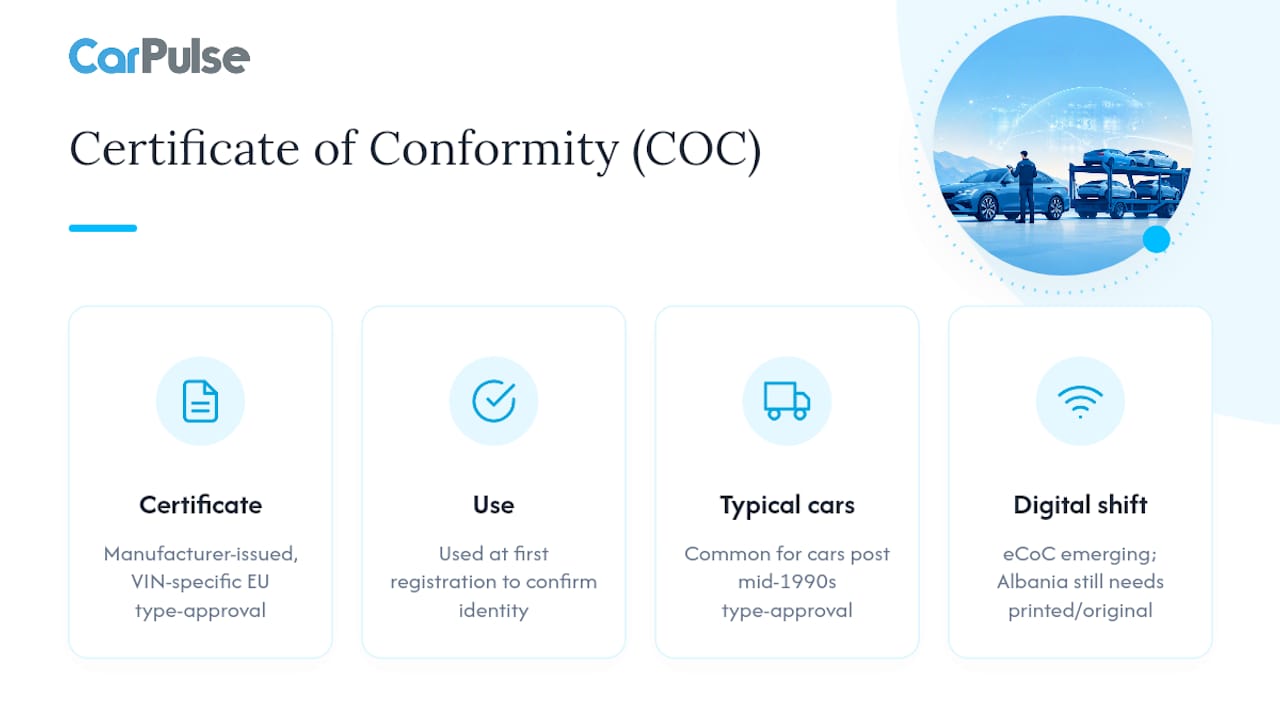
A Certificate of Conformity, or COC, is a technical document the vehicle manufacturer issues to confirm a specific car, tied to its VIN, was built according to EU type-approval standards under Regulation (EU) 2018/858. It is not a generic brochure or a spec sheet pulled from a manufacturer’s website. It is a legal statement about one car, one VIN, one build.
DPSHTRR asks for this document at first registration because it is the fastest way to confirm a vehicle’s technical identity without running a full inspection from scratch. Most vehicles that carry a valid COC were type-approved under EU rules, generally cars produced or first registered after the mid-1990s, once EU-wide type-approval became standard practice across manufacturers.
Some countries are shifting toward electronic COCs, with the UK’s vehicle certification body rolling out structured digital eCoC delivery for new vehicles. That shift matters for context, not for Albanian law right now. DRSHTRR still works from an original or an accepted printed copy, so don’t assume a digital file alone clears registration until local rules catch up.
What Information a COC Contains
A real COC is dense with technical fields, and every one of them needs to match the car sitting in front of you, not just the model name on the listing.
- VIN, matched exactly to the chassis and documents
- Type-approval number, confirming which EU approval the vehicle falls under
- Make, model, and version, including trim-level detail
- Engine power and fuel type
- Emission class, which affects registration and can affect import taxation
- Mass and weights, both unladen and maximum permitted
- Body code and dimensions
Manufacturers build in security features on paper originals, and some brands are moving toward eCoC formats with structured data fields rather than a printed page. DRSHTRR wants an original or an accepted copy, so a photocopy of someone else’s COC for the “same model” will not pass. The emission class field deserves particular attention. It’s the field most likely to trigger a second look during registration if it looks inconsistent with the car’s declared specification.
How to Get a COC: Routes, Documents, and Steps
Four routes exist for obtaining an original or duplicate COC, and each comes with its own pace and paperwork.
Seller or private owner. If the car already has its original COC, this is the simplest path. The seller hands it over at sale, alongside the purchase contract.
Authorized dealer or national importer. Dealerships that sell a brand officially in a market can often request a duplicate through their manufacturer contact faster than an individual can.
Manufacturer directly. You or the dealer contacts the brand’s regional office with the VIN and proof of ownership. Manufacturers are generally expected to issue this document at no cost for new vehicles at delivery, and duplicates on request typically carry a fee limited to the cost of reissuing it.
Specialized COC services. Platforms such as COCEUROPE process duplicate requests for buyers who can’t get a fast response from the manufacturer directly, often working from the VIN and basic ownership proof alone.
Whichever route applies, expect to provide the VIN, proof of purchase or ownership, and a valid ID. Here’s the practical sequence:
- Ask the seller for the original COC before you commit to buying.
- Request a clear scanned copy and check the VIN against the chassis plate and the sales contract.
- If the original isn’t in hand yet, get a written commitment on when it will arrive.
- If no COC exists, ask whether the seller or dealer will pursue a duplicate, and who pays for it.
- Keep both the scan and the eventual original safely filed until registration is complete.
Pro Tip: Never send final payment based on a COC scan alone. Match the VIN field on the document to the chassis number stamped on the car itself, in person or through a trusted inspector, before the money moves.
Costs and Timelines for an Original or Duplicate COC
Budgeting for a COC means budgeting for uncertainty, since fees and wait times swing depending on brand, country of origin, and whether you’re dealing with a new or used vehicle.
- New vehicles should come with a free original COC at delivery, per manufacturer obligations in EU/UK guidance.
- Duplicate requests through the manufacturer are meant to carry a fee that only covers the cost of reissuing the document, not a profit margin.
- Specialized providers like COCEUROPE can deliver digital PDF copies quickly for many eligible brands.
- Manufacturer duplicates sent by post can take several weeks, depending on the brand’s home country and internal processing queue.
Older vehicles, rare brands, or cars imported from outside the EU tend to push both cost and wait time higher, since the request has to travel further up the manufacturer’s chain. Build in a buffer of a few extra weeks and a contingency fund if you’re relying on a duplicate rather than an original in hand.
When the COC Is Missing: Homologation in Albania
No COC does not mean no registration. It means a longer road through individual technical approval instead of the standard document check.
- Assemble a technical dossier. This includes whatever documentation exists on the vehicle’s specifications, origin, and history.
- Submit to DPSHTRR for review. The authority evaluates whether the vehicle can be approved individually rather than through manufacturer conformity.
- Undergo inspection, and possibly lab testing. Depending on the vehicle and its documentation gaps, technical checks can go beyond a visual inspection into measured testing.
- Wait for a technical verdict before registration proceeds. Only after approval does the car move into the normal registration queue.
Compared to a straightforward COC submission, homologation adds real steps, real cost, and real time. A car with a document in hand can often register in days. A car without one can take weeks, sometimes longer, depending on how much technical work DPSHTRR needs before it signs off.
The practical advice here is blunt: if a seller can’t explain how they’ll get you a COC, or a duplicate looks unlikely given the brand or the car’s age, weigh that risk before you buy, not after. A step-by-step import guide for vehicles coming from Germany, for instance, is worth reading if you’re sourcing from a market with strong documentation norms.
How DPSHTRR Checks a COC and What to Bring to Registration
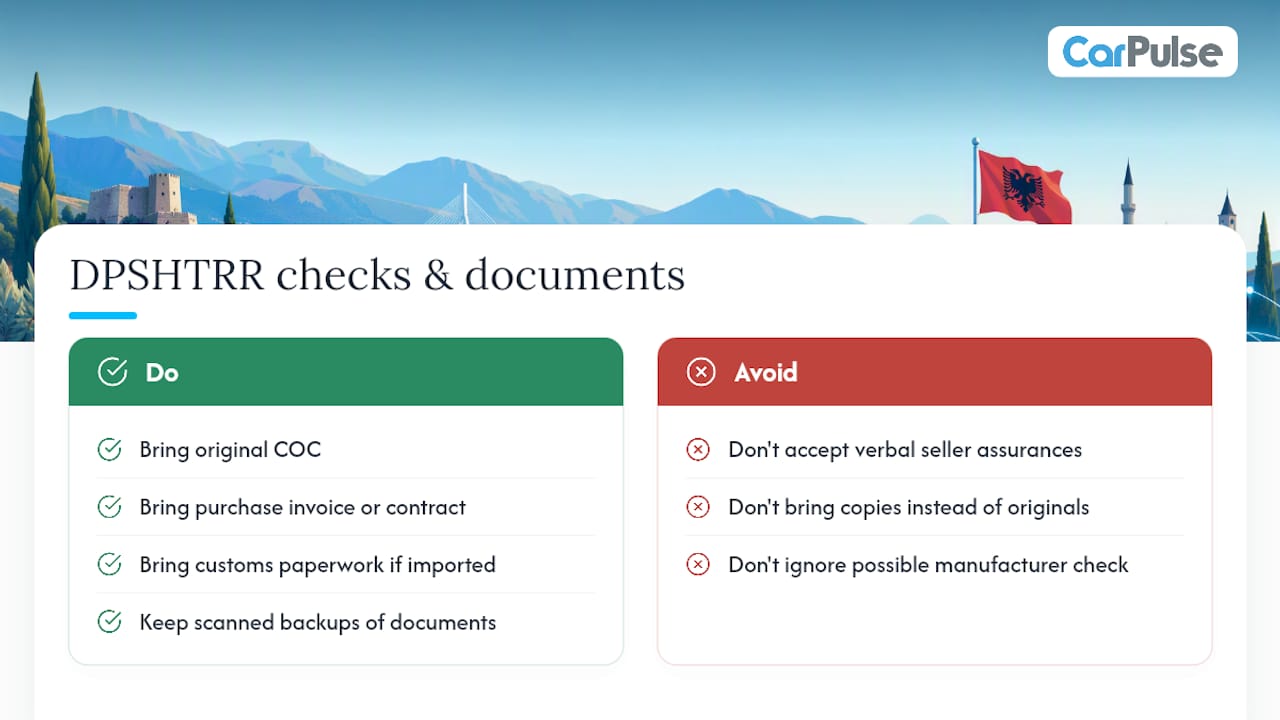
DPSHTRR requires the original COC at first registration, and the check goes beyond just confirming the document exists. Officials verify the VIN, the type-approval number, and the technical fields against the vehicle itself.
If something looks inconsistent, or the COC hasn’t been seen in their system before, DPSHTRR may contact the manufacturer directly to confirm authenticity. That step can add days, sometimes weeks, to what would otherwise be a quick appointment.
For the registration appointment itself, bring the original COC, the purchase invoice or contract, customs paperwork if the vehicle was imported, valid ID, and proof of residence where applicable. Keep a scanned backup of every document, and get any seller promises about pending paperwork in writing, not a verbal assurance.
Carpulse Checklist: What Albanian Buyers Should Do Before Signing
A few habits, applied consistently, cut most of the COC risk out of a used car purchase.
- Ask for the original COC before signing anything, and request a scan first to check the VIN fields match.
- Favor listings from verified sellers and use VIN autofill features on car marketplaces to cross-check vehicle data against what the seller claims.
- Put any duplicate-COC responsibility in writing, including who pays and by when.
- Budget for the possibility of duplicate fees and a delivery wait if the original isn’t already in hand.
Pro Tip: If a seller can’t produce evidence they can get you an original or duplicate COC within a reasonable window, treat that as a reason to walk, not a detail to negotiate around later.
What Actually Prevents Registration Headaches
The single most effective habit in this whole process is boringly simple: get the original COC in hand before you finalize a purchase, not after. Every delay story I’ve heard traces back to a buyer who trusted a verbal promise instead of a document. Albanian buyers browsing documented listings on Carpulse have an easier time filtering for exactly this kind of transparency before money changes hands.
— Henri
Carpulse Helps You Find Better-Documented Listings, Faster
Carpulse doesn’t issue Certificates of Conformity. No marketplace does. What Carpulse does is make it far easier to spot listings where documentation isn’t an afterthought. VIN-based listing autofill pulls verified vehicle data directly from the chassis number, so a mismatch between what’s listed and what’s on the COC becomes obvious before you ever contact the seller.
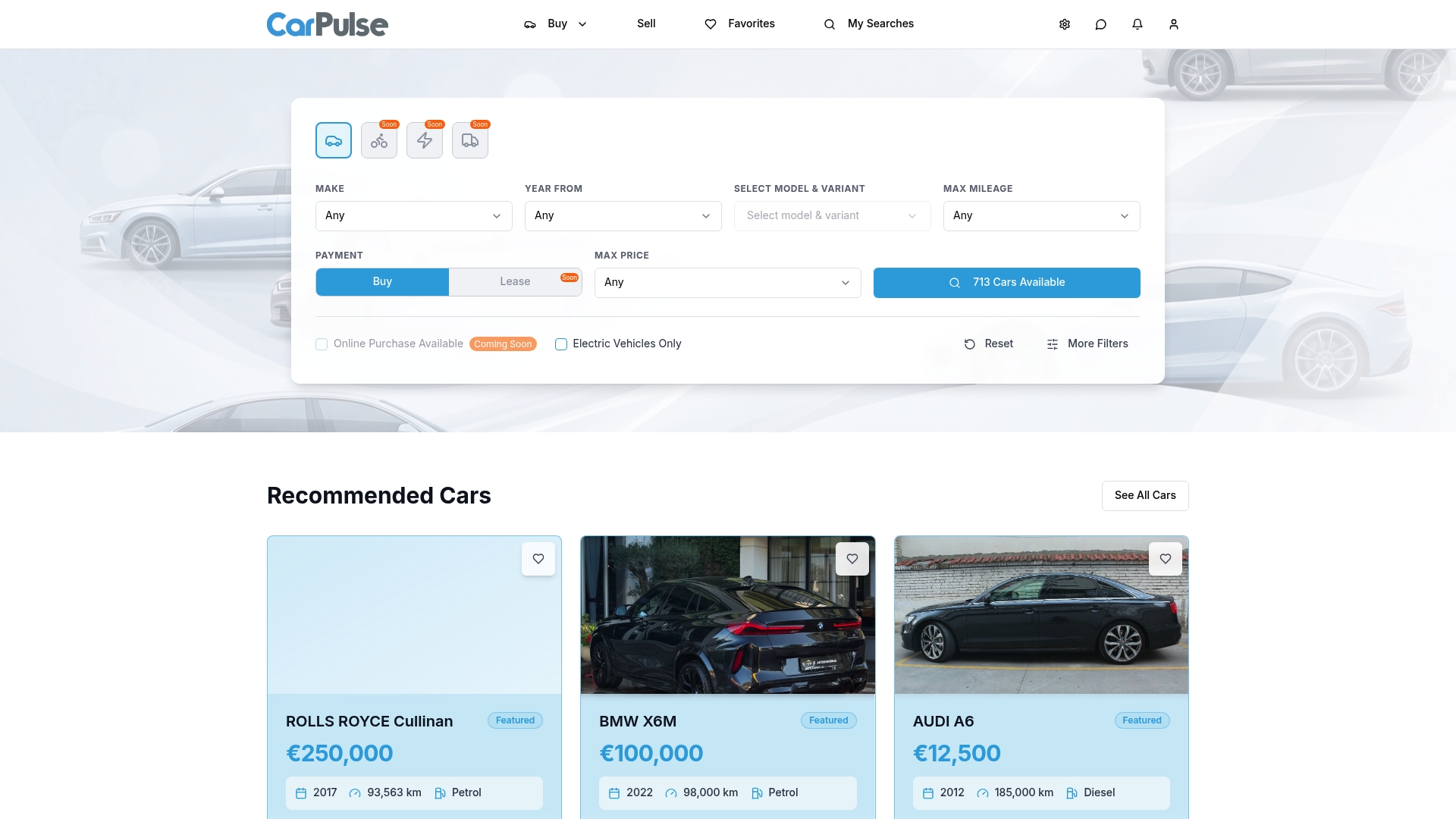
Verified-dealer tags flag sellers who consistently handle paperwork properly, and search filters let you narrow results to listings from dealers with a track record instead of gambling on an anonymous private sale. If you’re a seller looking to build that kind of trust with buyers, Carpulse’s Basic and Premium listing plans give your listing the visibility and detail buyers are actively filtering for. Start by browsing current listings on Carpulse and filtering for verified dealers before you make contact with any seller.
Sources
For rules directly from the source, consult DPSHTRR’s official COC guidance and contact the manufacturer’s regional office for duplicate requests. Always present the original document, not a copy, at your registration appointment.
- Certifikata e Përputhshmërisë (Certificate of Conformity – CoC) | DPSHTRR
- Gov
- Certifikata e Konformitetit COC - COCEUROPE
- Electronic certificates of conformity (eCoCs) - VCA
FAQ
What Does COC Stand for on a Car?
COC stands for Certificate of Conformity, a manufacturer-issued document confirming a specific vehicle, identified by VIN, meets EU type-approval standards. DPSHTRR requires the original at first registration in Albania.
Can I Register a Car in Albania Without a COC?
Yes, through a homologation or individual technical approval process with DPSHTRR, but it takes longer and costs more than presenting a valid original COC. Expect a technical dossier, inspection, and possibly lab testing before approval.
How Long Does It Take to Get a Duplicate COC?
Specialized providers like COCEUROPE can deliver digital copies within roughly 24 to 72 hours for many brands, while manufacturer duplicates sent by mail can take several weeks. Timelines depend heavily on the brand and its home country.
Is a Duplicate COC Expensive?
Manufacturers are generally expected to limit duplicate fees to the cost of reissuing the document rather than charging a markup. Costs still vary by brand, so ask for a quote before committing to a purchase that depends on one.
Does Carpulse Provide COC Documents?
No. Carpulse is a marketplace where buyers can filter listings by verified dealers and VIN-based data to find better-documented cars, not a service that issues Certificates of Conformity. Buyers should still request the original COC directly from the seller or manufacturer.