
Guides
Buy Smarter in Albania: Carfax vs AutoCheck with CarPulse VI
Buy Smarter in Albania: Carfax vs AutoCheck with CarPulse VIN Autofill

Carfax generally gives you the deeper maintenance and reported-accident picture, while AutoCheck brings auction records and a comparative score that helps you sort several candidates fast. If you’re serious about one car, run a free VIN check first, then pull the paid report from whichever service covers the gap, and order both only when the car’s price or your uncertainty justifies the extra cost.
TL;DR:
- Carfax provides more detailed maintenance and accident history, making it ideal for verifying a specific vehicle’s past, especially if it shows significant issues.
- AutoCheck offers auction records and a comparative score, helping quickly narrow down multiple vehicle options when comparing several cars.
- Differences in source data cause discrepancies between reports, so verifying conflicting entries with title paperwork and inspections is essential.
- Buying bundles is more cost-effective when comparing three or more cars, but always check the report date to avoid outdated information.
- Using both reports together is recommended for expensive or uncertain purchases, and always complement reports with a mechanic’s inspection.
Table of Contents
- Carfax vs. AutoCheck at a glance
- Where each report gets its data, and why they clash
- What a report costs and how access works
- How to use a history report at the point of sale
- How CarPulse reduces friction in the verification process
- Where history reports fit in your overall risk check
- Put the workflow to work on CarPulse
- Sources
- FAQ
Carfax vs. AutoCheck at a glance
Carfax tends to list more detailed maintenance and reported-accident history, and it backs many reports with a buyback guarantee, though that guarantee carries narrow eligibility rules and should be treated as a weak backstop rather than real protection, according to Consumer Reports. AutoCheck leans on Experian-backed data and auction records, and it publishes a comparative AutoCheck Score meant to help you triage multiple listings quickly, according to AutoCheck’s own comparison.
Independent industry writeups note that Carfax typically surfaces more service and maintenance events, while AutoCheck’s auction access sometimes reveals wholesale history that Carfax misses, according to CarPro’s report comparison.
- Choose Carfax first when you want maintenance depth and a documented accident narrative for one specific car.
- Choose AutoCheck first when you’re comparing several vehicles and want a quick score to narrow the list.
- Run both when the car is expensive, the seller is unfamiliar, or the two reports disagree on a major event.
Where each report gets its data, and why they clash
Carfax and AutoCheck pull from overlapping but not identical sources, including DMV and title records, auctions, repair shops, and police reports, but neither company discloses its full source list, according to Capital One’s analysis. That partial disclosure is the real reason the two reports sometimes tell different stories about the same vehicle: an accident logged in a regional police feed or a specific auction house might reach one provider’s database and never reach the other’s.
Carfax and AutoCheck draw on overlapping but not identical data feeds, and differences in sources explain why one service can list an event the other does not.
A single report is a partial view, not a full history, according to Capital One’s provider comparison, which means the smarter move is comparing actual event entries between reports rather than trusting a brand name or headline score. When two reports disagree, the mismatch itself is useful information: it tells you exactly where to dig with title paperwork and a physical inspection.
What a report costs and how access works
Pricing typically comes as either a single report or a multi-report bundle, with bundles priced for buyers comparing several vehicles over a set window before they expire, according to Capital One’s pricing comparison. Many dealers also link free Carfax or AutoCheck reports directly on their listings, which can save you money, but always check the report’s generation date since a stale report may miss a recent title change or accident.
- Single reports cost more per vehicle than bundles if you’re checking multiple cars.
- Bundles make sense once you’re seriously comparing three or more listings.
- Dealer-provided free reports are worth using, but confirm the report date before trusting it.
- Buy your own report whenever the seller cannot produce one or the provided report looks outdated.
How to use a history report at the point of sale
A report only earns its price if you use it as one step in a sequence, not a final verdict.
- Ask the seller for the VIN and any existing report, then run a free VIN check yourself before deciding whether to buy a paid Carfax or AutoCheck report; CarPulse’s VIN check guide walks through the basics of reading a 17-character VIN correctly.
- If the report flags a branded title, major accident, or salvage history, stop and verify the actual title paperwork and insurer records directly, then arrange an independent inspection before moving forward, since Consumer Reports found that official title branding and salvage paperwork, not the report itself, are the decisive proof.
- When Carfax and AutoCheck disagree, reconcile the difference using service invoices, auction paperwork, and a mechanic’s inspection rather than trusting whichever score looks better; a full test-drive and inspection guide covers what to check in person.
Pro Tip: Register any buyback guarantee promptly and keep dated copies of every report you pull, since a missing or expired report can void your claim later.
How CarPulse reduces friction in the verification process
A VIN-based listing tool can auto-populate vehicle details when a seller creates a listing, which means the VIN may be attached and ready for checking before messaging the seller. Listings from verified dealers carry a badge that signals an added layer of accountability, a distinction explained further in CarPulse’s piece on buying verified cars. Combined with integrated history-check options and a mobile app for browsing and contacting sellers on the go, such tools can shorten the gap between spotting a listing and requesting the documents you need.

Where history reports fit in your overall risk check
A report is one layer, not a verdict. When two reports disagree or a report shows any branded title, the paperwork and a mechanic’s inspection decide the outcome, not the score. Match your effort to the stakes: a budget commuter car deserves a quick VIN check, while a higher-priced vehicle deserves both reports plus an inspection. Save copies of everything you pull, since that paper trail is your leverage if a dispute comes up later.
— Henri
Put the workflow to work on CarPulse
Running this workflow is faster when the VIN, seller, and listing details are already in one place. VIN autofill can mean listings arrive with vehicle data attached, and a verified-dealer network can give a head start before requesting a history report.
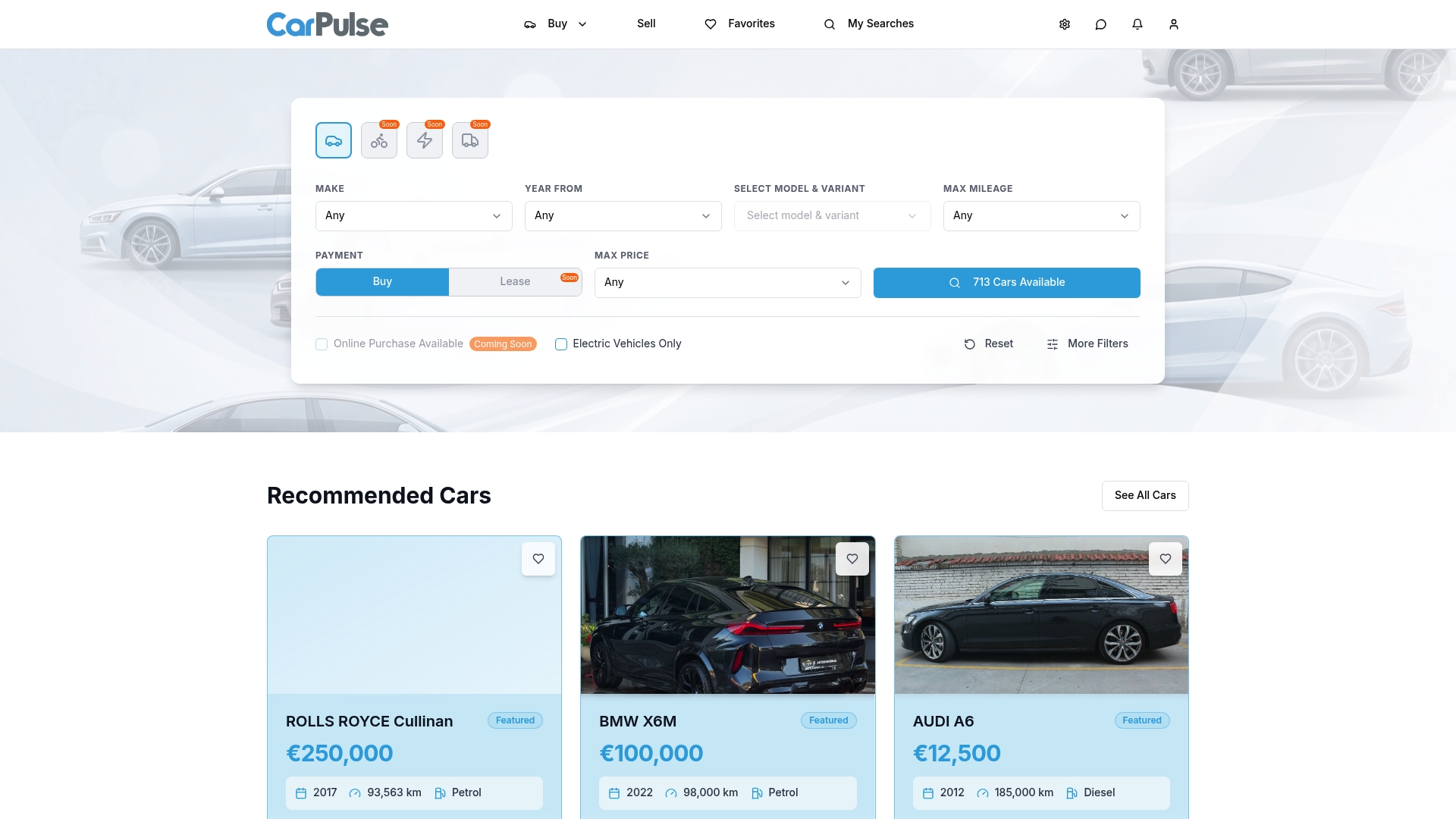
From there, the next step is simple: search active listings on CarPulse, message the seller directly for the VIN and any existing report, and use the platform’s contact tools to schedule an inspection. Sellers and dealers looking to list a vehicle with full VIN autofill and premium visibility can compare the Basic and Premium tiers on the CarPulse pricing page.
Sources
- Don’t rely on used car history reports | Consumer Reports
- CarFax vs. AutoCheck: Vehicle history reports compared | Capital One
- AutoCheck vs. Carfax | AutoCheck
- Autocheck vs CarFax: which vehicle history report is better? | CarPro
FAQ
What is more accurate, Carfax or AutoCheck?
Neither report is uniformly more accurate since both draw on overlapping but incomplete data sources, according to Capital One’s analysis. Carfax tends to show more maintenance detail, while AutoCheck’s auction access sometimes catches events Carfax misses, so comparing both reports’ actual entries is more reliable than trusting either brand alone.
What is the most reliable car history check?
No single commercial report is fully reliable on its own, and Consumer Reports recommends cross-checking a Carfax or AutoCheck report against NMVTIS and NICB records along with the vehicle’s official title paperwork. Treating the report as a starting point, then verifying with title records and a mechanic’s inspection, gives you the most dependable picture.
What is more accurate than Carfax?
No provider is definitively more accurate than Carfax across every case, but NMVTIS and NICB checks can catch certain salvage or total-loss flags that a single commercial report sometimes misses, according to Consumer Reports. Running a government-backed check alongside Carfax or AutoCheck gives you broader coverage than either commercial report alone.
Should I run a Carfax and AutoCheck report together?
Running both makes sense for an expensive vehicle, an unfamiliar seller, or whenever the two reports disagree on a major event, since each pulls from partly different sources. For a lower-priced, low-risk purchase, a single report paired with a mechanic’s inspection is usually enough to confirm the car’s condition.