
Guides
Car Lien Check in Albania: 6 Steps Before You Pay
Car Lien Check in Albania: 6 Steps Before You Pay

To confirm whether a car has an active lien, get the VIN, run a VIN-based search and verify the official title record with the issuing authority. Don’t rely on the seller’s word. The three checks that matter most are a VIN history report, the title office or registry record, and a direct payoff confirmation from any lender named on the title. If a seller refuses to share the VIN, stop and walk away.
TL;DR:
- Match the VIN on the dashboard and door jamb to the title and registration, then confirm the seller’s identity matches the titled owner.
- Use a free VIN report as a screen, but verify status with DPSHTRR, since lender filings may take a week or two to appear.
- If records show a lien, confirm its payoff directly with the lender, then pay through escrow, a notary, or the lender, never the seller.
- Wait for a formal lien release and a clean reissued title, then check the registry again after the sale before completing registration.
Table of Contents
- Quick Checklist: 6 Steps to Check a Car for a Lien Before You Pay
- How to Check Official Title and Lien Records
- VIN-Based Vehicle History Reports: What They Reveal and Their Limits
- If You Find a Lien: Verifying the Lender and Safe Payoff Options
- How CarPulse Supports Lien-Aware Buying With VIN-Populated Listings
- Author Perspective: Prioritize Verification Over Price
- Start Your Search With VIN-Populated Listings on CarPulse
- FAQ
- Sources
- Primary Sources and Official References
Quick Checklist: 6 Steps to Check a Car for a Lien Before You Pay
Before any money changes hands, work through these steps in order. Each one builds on the last, so skipping ahead invites risk.
- Record the VIN yourself from the dashboard (visible through the windshield) and the driver’s side door jamb, then match both to the title and registration.
- Inspect the physical title for a named lienholder and confirm the seller’s name and ID match the name on the title.
- Run an immediate VIN search using a free quick-check tool and compare the results against the seller’s paperwork.
- Check the issuing authority’s title record directly, since this is the definitive source for ownership and lien status.
- Request a payoff letter or lien release from any lender shown on the title, and arrange payment through escrow or directly at the lender’s office.
- Watch for red flags: refusal to share the VIN, pressure to pay in cash quickly, or paperwork that doesn’t match the car in front of you.
Pro Tip: Photograph the VIN plate, the door jamb sticker, and the title side by side before you leave the inspection. A simple photo comparison later can catch a mismatch you missed on the spot.
How to Check Official Title and Lien Records
A VIN report can point you in the right direction, but the issuing authority’s title record is the authoritative source for ownership and lien status. That record shows who legally holds the title and whether a lender has a registered claim against the vehicle, and it overrides anything a private seller tells you.
In Albania, this means working with the General Directorate of Road Transport Services (DPSHTRR) and, where available, the e-Albania portal for registry lookups tied to the vehicle’s registration plate or VIN. As of 2025, the Albanian tax administration was integrated with the DPSHTRR vehicle database, enabling near-real-time access to vehicle ownership and tax-related data through official channels. That integration lowers the chance that a hidden tax-related encumbrance surfaces only after you’ve already paid, as long as you run the official check and complete a notarized transfer rather than a handshake deal.
When you request a record, expect to need:
- The vehicle’s VIN or registration plate number.
- Identification matching the current registered owner, or authorization from the seller to pull the record.
- A small administrative fee, where applicable, and a short processing window at the counter or online.
One integration, fewer surprises: the DPSHTRR-tax administration link means a registry check done correctly is far more likely to reflect the vehicle’s true status today, not last year’s paperwork.
A notarized transfer, followed by a correct registry update, closes the loop. Skipping that step is how buyers end up with a title that technically still shows the previous owner, or worse, an unresolved lien that resurfaces at resale.
VIN-Based Vehicle History Reports: What They Reveal and Their Limits
A VIN-based vehicle history check looks up the car’s 17-character identifier to surface prior title brands, recorded ownership changes, and, when a provider aggregates that data, reported liens. These reports are a useful first filter, but they are not the same thing as the official title record.
Typical contents include:
- Title brands such as salvage, flood damage, or odometer rollback flags.
- A timeline of recorded ownership changes.
- Reported liens, when the provider’s data feed includes lender filings.
Free VIN tools give you a fast first read and catch many recorded liens, but paid reports that pull from multiple title and lender feeds can surface more recent filings or lender-specific records a free check might miss. Neither one is guaranteed to be current to the day.
A lien filed within the past week or two may not yet appear in every third-party VIN aggregator, because lenders and title offices don’t all update at the same speed.
When a VIN report and the issuing authority’s title record disagree, treat the official title record as the deciding answer, and resolve any gap with a direct call to the lender named on either document before you pay a deposit.
If You Find a Lien: Verifying the Lender and Safe Payoff Options
Finding a lien doesn’t mean the deal is dead. It means you need a documented payoff before you close.
- Ask the seller for a payoff letter from the lender, then call the lender directly to confirm the account number and the exact payoff amount, since figures can shift with daily interest.
- Route the payment through escrow, a notary-mediated settlement, or directly at the lender’s branch. Never send the lienholder’s balance to the seller personally.
- Once the lender confirms receipt, get a formal lien release and wait for the title to be reissued clean before finalizing registration in your name.
- Check the registry again after the sale to confirm it no longer shows the old encumbrance.
If the payoff can’t be verified or resolved at the time of sale, postpone the transfer or walk away. A clean title is worth more than a fast deal.
Pro Tip: Keep every payoff receipt and the lien release document even after the registry updates. If a clerical error leaves a trace of the old lien, you’ll need that proof to fix it quickly.

How CarPulse Supports Lien-Aware Buying With VIN-Populated Listings
Listings often start with the VIN. When a vehicle is listed on the marketplace, VIN-based autofill can pull in the car’s details automatically, which gives users a consistent starting point to cross-check against the title and registry themselves. Some listings may be flagged to indicate sellers who have undergone verification.
To use this well:
- Search VIN-populated listings and note the details that autofill has already confirmed.
- Request the title, registration, and any payoff documents directly from the seller through the platform before you meet in person.
- Favor verified-dealer listings when you want an extra layer of accountability on the seller side.
Our listing data is a strong starting point, but it complements rather than replaces an official title check at DPSHTRR. Treat it as step one, not the final word.
Author Perspective: Prioritize Verification Over Price
The best deal on paper means nothing if the car gets repossessed from your driveway six months later. I’ve seen the shorthand version of this story too many times: a buyer skips the registry check because the price is good and the seller seems trustworthy, only to discover a lender’s claim was never cleared. Verification costs you an afternoon. Skipping it can cost you the car.
— Henri
Start Your Search With VIN-Populated Listings on CarPulse
Browsing listings where the VIN is already pulled and verified gives you a head start before you even contact a seller. On CarPulse, you can filter by make, model, year, and price, then request title and payoff paperwork directly through the platform once a listing catches your eye.
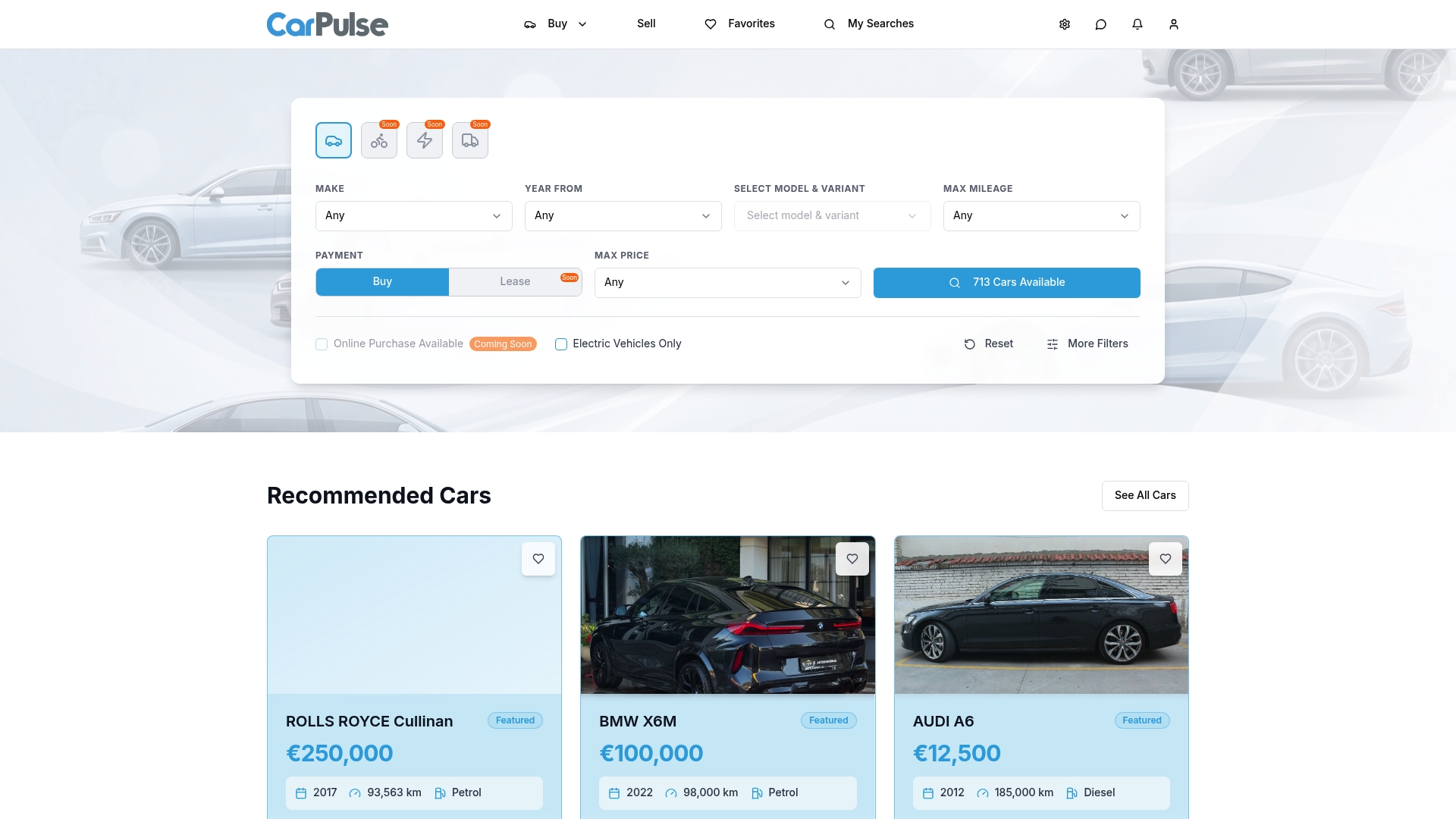
If you’re a seller looking to list a vehicle with VIN autofill and reach verified buyers, check our Basic and Premium plans to see which fits your needs. Either way, start by browsing current listings and verify the paperwork before you commit.
FAQ
Is there a free way to check a car’s VIN number?
Yes, several VIN lookup tools offer a free initial check that surfaces basic title history and sometimes reported liens. A free check is a useful first filter, but it may not include the most recent lender filings, so pair it with an official title record check.
How do I check a car’s title record with the issuing authority?
Contact the authority that issues titles in your market, which in Albania is DPSHTRR, often accessible through the e-Albania portal, and provide the VIN or registration plate along with your identification. This record is the definitive source for ownership and lien status, more reliable than any third-party report.
Can I search a VIN number on Google?
You can search a VIN on Google, but general search results won’t give you a reliable title or lien history, since that data lives in dedicated VIN-check services and official registries. Use a proper VIN history tool or the issuing authority’s record instead of a general web search.
Can I track my car delivery by VIN?
VIN-based tracking for delivery status depends on the seller or dealership’s own logistics system rather than any public registry. Ask the seller directly whether they offer delivery tracking tied to the VIN, since this isn’t something a title or lien check covers.
What should I do if a seller refuses to give me the VIN?
Treat this as a hard stop and walk away from the deal. A legitimate seller has no reason to withhold the VIN, and refusal is one of the clearest red flags in a private vehicle sale.
Primary Sources and Official References
- New Development in the Tax System: Real-Time Information on Taxpayer Vehicles - AlProfit Consult