
Guides
Marketplace Car Delivery: 8 Item Inspection Checklist on Car
Marketplace Car Delivery: 8 Item Inspection Checklist on CarPulse

The safest way to complete an online marketplace sale is to make your acceptance of the car conditional on a documented inspection and confirmed, cleared payment before any keys or ownership documents change hands. Buyer pickup, dealer handover, and seller-arranged delivery are all workable alternatives, but each still needs that same inspection-first discipline. Whichever method you choose, verify funds first and write any exceptions directly onto the receipt.
TL;DR:
- Accept the vehicle only after a documented inspection and confirmed, cleared payment to avoid scams or disputes.
- Use a delivery method suited to distance and trust, such as pickup, dealer handover, courier delivery, or escrow, with specific precautions.
- Verify the VIN, check the car closely against listing details, and record discrepancies on the receipt or with timestamped photos to prevent surprises.
- Ensure the payment has fully cleared into the seller’s account and that inspection and paperwork are finalized before keys and ownership are transferred.
- Confirm delivery and transfer details via messaging and VIN data before scheduling, and always finalize all conditions in writing for legal protection.
Table of Contents
- Common delivery and handover methods explained
- Inspection checklist to compare the car against the listing
- Payment safety rules that prevent common scams
- Timeline, fees, and paperwork to expect at handover
- Arranging and documenting delivery on CarPulse
- Why inspection-first handovers matter more than they seem
- Get your delivery scheduled and documented with CarPulse
- Official guidance and CarPulse resources worth bookmarking
- Sources
- FAQ
Common delivery and handover methods explained
Most marketplace transactions fall into one of four patterns, and the right one depends on distance, trust, and how much you’re willing to pay for convenience.
Buyer pickup is the most common arrangement for local sales. The buyer travels to the seller, inspects the car in person, and drives it away the same day. It keeps costs down and lets you inspect before any money moves, but it only works when both parties are close enough to meet, and it puts the scheduling burden on the buyer.
Dealer or lot handover shifts some of the administrative load onto the dealership. A dealer typically handles paperwork, may coordinate with a notary, and often has a standard process for documenting the car’s condition. This tends to be more reliable than a private sale because dealers have a reputation to protect, though it can come with added fees for preparation or documentation.
Seller-arranged home delivery or courier service is common when the buyer lives farther away. The seller hires a carrier to bring the car to the buyer’s door. If you go this route, require the carrier to carry its own insurance and to produce a signed condition report at pickup and drop-off. This method is appropriate when the sale price justifies the delivery cost and neither party can travel easily.
Inspection-first or third-party inspection and escrow arrangements suit remote buyers who can’t see the car beforehand. An independent inspector checks the vehicle against the listing, and any escrow release should be conditioned on that sign-off, not on a verbal assurance from the seller.
- Buyer pickup: fastest and cheapest, but requires both parties to be nearby.
- Dealer handover: more paperwork support, usually for a fee.
- Seller-arranged delivery: convenient for distance, but demands carrier insurance and a written condition report.
- Inspection-first or escrow: best for remote buyers who need a neutral check before funds release.
Inspection checklist to compare the car against the listing
Before you sign anything, walk through the car methodically and compare it to what was advertised.
- Confirm the VIN on the dashboard, door frame, and registration document match the listing and each other.
- Photograph the odometer reading and note it on the receipt.
- Check exterior panels, glass, and lights for damage or mismatched paint that might indicate prior repair.
- Inspect tires, the spare wheel, and the tool kit against what the listing described.
- Look inside for warning lights on the dashboard and ask to see recent service records.
- Verify that accessories promised in the listing, like floor mats, chargers, or a spare key, are actually present.
- Write any discrepancies directly on the receipt in plain language, for example “left rear door has a 5 cm scratch not shown in listing photos,” rather than leaving blank space.
- Never sign a receipt that has blank fields or unchecked boxes left for the other party to fill in later.
A VIN check before you even arrive can flag inconsistencies early, saving you from a wasted trip.
Pro Tip: Record a timestamped video walking around the car and comparing it to the listing photos. It’s the simplest way to settle a disagreement if one comes up later.

Payment safety rules that prevent common scams
Do not hand over keys or signed ownership documents until the funds have actually cleared into the seller’s account, not just appeared as an available balance. Bank holds on checks and certain transfers can show funds as pending for days even when the transaction later reverses.
Watch for these warning signs before agreeing to any payment method — see our tips for avoiding scam movers for extra caution.
- An unfamiliar escrow link sent by the other party rather than a service you chose yourself.
- Overpayment followed by a request to refund the difference.
- A request to pay with gift cards or reloadable prepaid cards.
- Pressure to ship or release the car before payment has fully cleared.
A neutral, established escrow service can make sense for remote sales, but the release should only trigger after inspection sign-off, a notarized transfer, or direct bank confirmation, never on a promise. Confirm the other party’s identity with a government-issued ID and keep copies of all messages and receipts in case you need them later.
Timeline, fees, and paperwork to expect at handover
Most local handovers happen within a few days of agreeing on price, though inspection and notary steps can stretch that to a week or more. Delivery, third-party inspection, and notary fees are common, and who pays each one should be settled in writing before the appointment, not negotiated on the spot.
Notary verification plays a central role in confirming tax and encumbrance status on the vehicle, and buyers typically face a short window, often around 10 days, to complete registration after the sale is finalized. Confirm the exact deadline with your notary, since requirements can change. Record the agreed timeline and fee split in your messaging thread or written contract so both sides have something enforceable if a deadline slips.

Arranging and documenting delivery on CarPulse
VIN-based listing data helps you compare the advertised specs and photos against the VIN information before you commit to any delivery method. That cross-check catches mismatched trim levels or mileage discrepancies early.
- Confirm listing accuracy against VIN-populated data before agreeing on a handover date.
- Use messaging within the platform to record delivery terms, who pays, the date, and inspection conditions, and save screenshots of the agreement.
- Ask sellers to share service records and request timestamped photos or video if you can’t inspect in person.
- Check the mobile app for on-the-go scheduling and messaging when coordinating pickup times.
Choosing a legal, well-lit public spot such as a designated service or parking area for the handover itself adds another layer of safety for both sides.
Why inspection-first handovers matter more than they seem
Most disputes I’ve seen described in marketplace complaints trace back to one thing: someone accepted a car, or accepted payment, before verifying the details in writing. A delivery appointment is not the same as acceptance. Treat inspection and confirmed payment as the actual finish line, and the paperwork afterward becomes routine instead of stressful.
— Henri
Get your delivery scheduled and documented with CarPulse
The platform supports an inspect-first approach. VIN autofill helps confirm details before you travel, in-app messaging keeps delivery terms on record, and verified dealer listings can provide a more consistent handover process than a purely private sale.
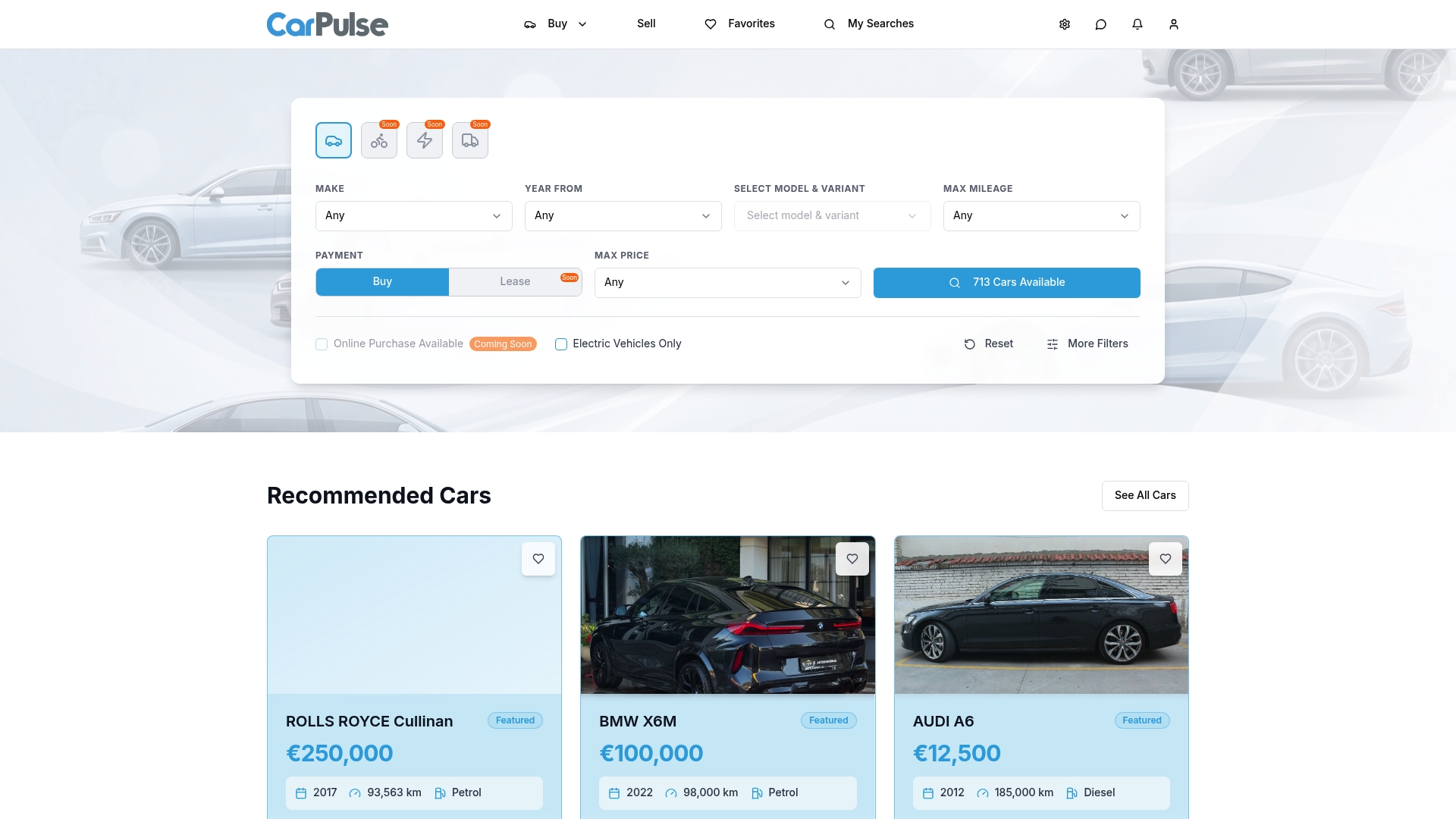
Browse listings or start your own on the CarPulse homepage, or compare Basic and Premium listing plans if you’re ready to sell.
Official guidance and CarPulse resources worth bookmarking
- Planning guidance on service and parking areas
- Dealer licensing and recordkeeping guidance
- CarPulse buyer guide
Sources
FAQ
What are the main car delivery options after a sale?
The four practical options are buyer pickup, dealer or lot handover, seller-arranged home delivery or courier, and inspection-first or escrow arrangements for remote buyers. Each balances cost, convenience, and risk differently, so the best fit depends on distance and how much oversight you want before money changes hands.
Who usually pays for vehicle delivery?
There’s no fixed rule. It’s a negotiated point between buyer and seller, so agree on it in writing, through a message thread or written contract, before the delivery date so there’s no dispute afterward.
When should I release payment or hand over the keys?
Only after the funds have fully cleared into the seller’s bank account, not when they simply appear as an available balance, and only after any agreed inspection has been completed and signed off. Rushing either step is the most common way sellers and buyers get caught in a scam.
How can I tell if a delivery arrangement is a scam?
Watch for unfamiliar escrow links, requests to overpay and refund the difference, gift or reloadable card payments, and pressure to ship before payment clears. If any of these show up, treat the deal as a serious risk regardless of how reasonable the seller or buyer sounds.
Do I need a notary when transferring a car after a sale?
In many cases the notary verifies tax and encumbrance status as part of the transfer process, and buyers often have a short registration window afterward. Confirm the exact requirement and deadline with your local notary before finalizing the sale.