Guides
Why vehicle maintenance matters: safety, value, and longevit
Why vehicle maintenance matters: safety, value, and longevity
TL;DR:
- Regular vehicle maintenance extends car lifespan and improves safety in Albania’s demanding road conditions.
- Consistent upkeep, including oil changes, tire checks, and brake inspections, prevents costly breakdowns and boosts resale value.
- Adopting proactive habits, like scheduled services and record-keeping, saves money and ensures vehicle reliability.
Most Albanian car owners treat vehicle maintenance the way people treat dentist visits: they know it matters, but they put it off until something hurts. That mindset is costly. Well-maintained vehicles last significantly longer, with the average American vehicle reaching 12.6 to 13 years on the road thanks to consistent upkeep. Skip the basics and your car ages fast, fails unexpectedly, and loses value at every turn. This article breaks down what maintenance actually involves, how it protects your safety, preserves your car’s worth, and saves you real money over time.
Table of Contents
- Understanding the basics: What counts as vehicle maintenance?
- How regular maintenance keeps you safe and secure
- Protecting your investment: Maintenance and car value in Albania
- Saving money long-term: Maintenance vs. unexpected repairs
- The real reason most car owners struggle with maintenance
- Ready to protect your car? Take the next step
- Frequently asked questions
Key Takeaways
| Point | Details |
|---|---|
| Boosts car lifespan | Regular maintenance extends your vehicle’s usable years and reliability. |
| Maximizes safety | Preventative care reduces the risk of accidents caused by mechanical failure. |
| Saves money | Keeping up with routine work is cheaper than major repairs or early replacement. |
| Protects resale value | Well-documented maintenance helps your car sell faster and for more in Albania. |
Understanding the basics: What counts as vehicle maintenance?
Vehicle maintenance covers every scheduled and proactive action you take to keep your car running correctly and safely. It is not just fixing things when they break. It is the ongoing attention that prevents them from breaking in the first place. Think of it as two distinct categories working together.
Routine maintenance refers to regular, recurring tasks based on time or mileage. These include:
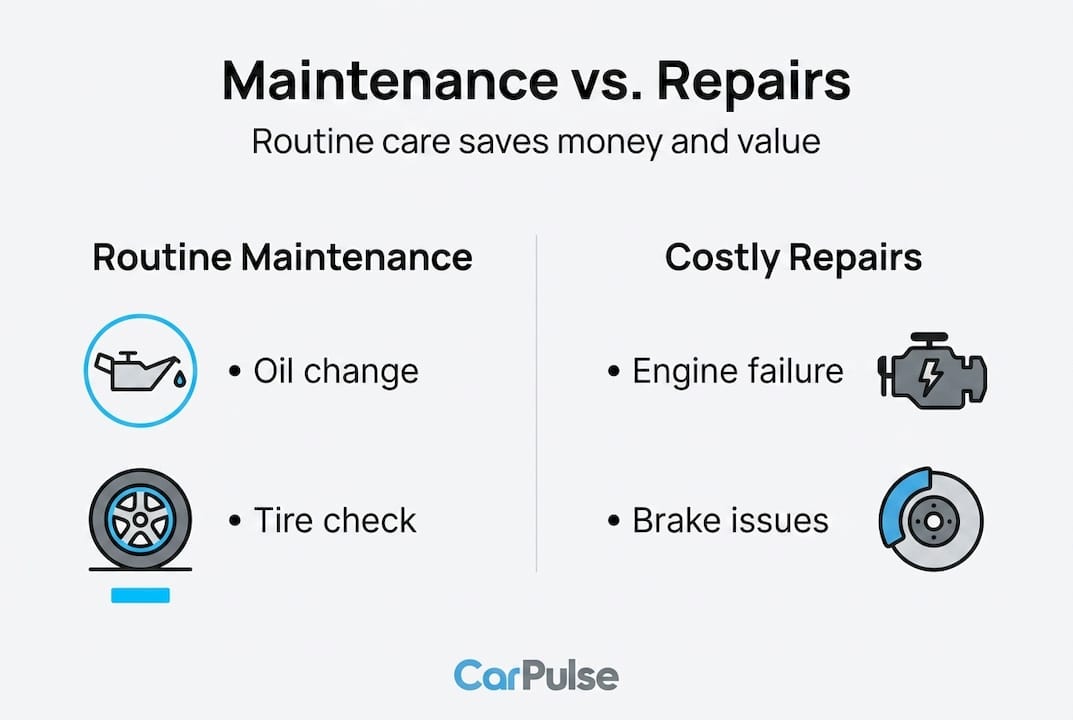
- Oil and oil filter changes (typically every 5,000 to 10,000 km depending on engine type)
- Air filter replacements
- Windshield wiper blade checks
- Battery terminal cleaning
- Fluid level checks: coolant, brake fluid, power steering fluid, and transmission fluid
Preventative maintenance is less frequent but equally important. These are the bigger tasks that protect core systems before they fail:
- Timing belt or chain replacement
- Tire rotation and balancing
- Brake pad and rotor inspection
- Spark plug replacement
- Transmission service
For Albanian drivers, road conditions make both categories more urgent. Albania’s roads range from smooth highways near Tirana to rough mountain roads in regions like Dibër and Vlorë. Potholes, unpaved surfaces, and sharp turns put extra stress on suspension components, tires, and brakes. If you are driving in these conditions regularly, your vehicle degrades faster than manufacturers in Western Europe or the US typically account for. That means your service intervals may need to come sooner than the owner’s manual suggests.
You can find essential car maintenance tips built specifically around Albanian road conditions to understand what extra attention your car likely needs. For more localized advice, road-specific maintenance advice covers the exact challenges Albanian drivers face on a daily basis.
One fact worth repeating: vehicles that receive consistent care easily outlast neglected cars by years, sometimes a decade or more. That alone should shift how you think about the few thousand lekë you spend on an oil change.
Pro Tip: Start a simple maintenance log in a notebook or a free phone app. Record every service date, mileage, and what was done. This habit alone prevents the most common mistake drivers make: forgetting when the last service happened and skipping the next one.
How regular maintenance keeps you safe and secure
Once you know what maintenance involves, the next question is what it protects, starting with your safety every time you drive.
Most people assume car accidents happen because of bad drivers or bad weather. But a significant number of crashes and roadside emergencies trace directly back to neglected maintenance that could have been caught weeks earlier. Here are the four most safety-critical areas every Albanian driver should monitor closely:
- Brakes. Worn brake pads extend stopping distance. On wet Albanian roads or steep descents in the southern highlands, the difference between stopping safely and rear-ending another vehicle can come down to a few millimeters of brake pad. Check brake pads at least twice a year and replace rotors when scored.
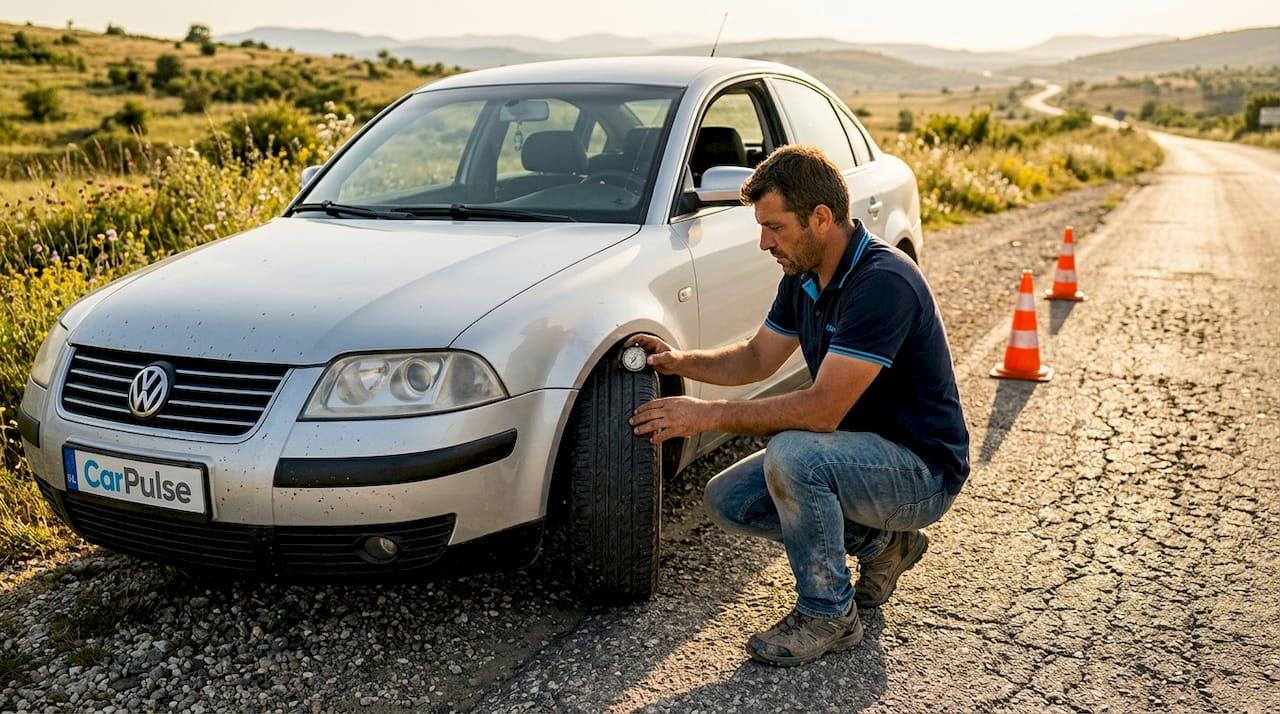
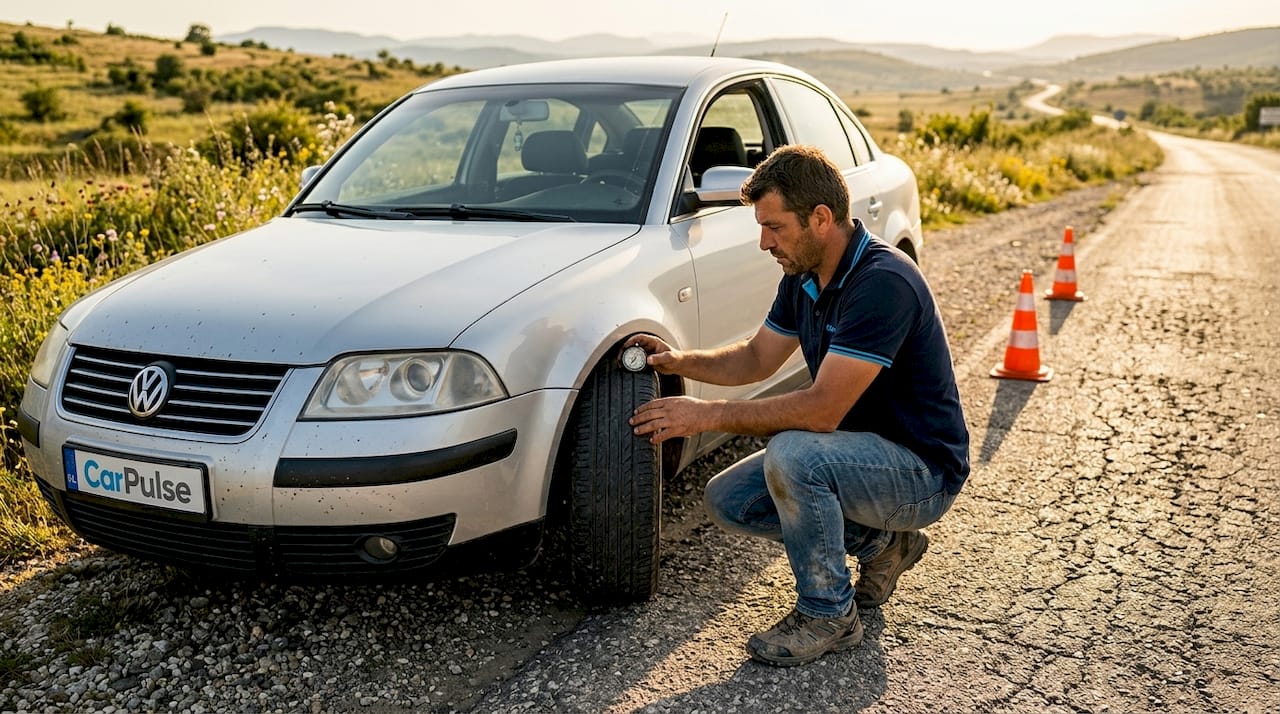
- Tires. Underinflated or worn tires reduce traction and cause blowouts. Albania experiences both hot summers and icy winters in mountain regions. Running winter tires in cold months and checking tire pressure monthly dramatically reduces your blowout risk.
- Lights. A burned-out headlight is a minor fix until you are driving a rural road at night with no streetlights. In Albania, many secondary roads have no lighting at all. Checking all exterior lights monthly takes five minutes and could save your life.
- Fluids. Low coolant leads to engine overheating, which can leave you stranded on a mountain pass in July. Low brake fluid indicates either a leak or dangerously worn pads. Both are emergencies waiting to happen if ignored.
“Deferred maintenance does not eliminate the cost, it multiplies it. The brakes you skip checking today become the accident or the tow truck call you pay for tomorrow.”
Routine periodic servicing for safety is not bureaucratic box-ticking. It is what keeps your vehicle predictable and responsive in the moments that matter most.
Albania-specific risks add another layer of urgency. Rural travel far from cities means that a breakdown is not just inconvenient, it may leave you stranded for hours in areas with poor cell coverage. Weather in the Albanian Alps shifts quickly, and a car with old tires or failing wipers can become genuinely dangerous. Consistent vehicle upkeep is directly linked to fewer unexpected failures, which translates to fewer dangerous situations on the road.
The statistical reality is sobering: a large portion of roadside emergencies involve tire failures and fluid-related breakdowns, both of which are almost entirely preventable with basic scheduled checks. Investing in your safety now costs far less than the alternative.
Protecting your investment: Maintenance and car value in Albania
Safety is a top priority, but car value also matters. Here’s how maintenance protects your wallet if you sell or trade your vehicle.
Albania’s used car market is active and growing. Buyers are increasingly informed, and platforms that show vehicle history and condition are reshaping what buyers expect. A car with a documented service history signals one clear thing to a buyer: this vehicle was cared for. That perception translates directly into money.
Consider this comparison:
| Factor | Well-maintained vehicle | Neglected vehicle |
|---|---|---|
| Service records | Complete and verifiable | Missing or partial |
| Engine condition | Clean, no oil sludge | Dirty, possible wear |
| Brake system | Pads within safe range | Worn or uneven |
| Tire condition | Even wear, good tread | Irregular wear patterns |
| Buyer confidence | High | Low |
| Time to sell | Shorter | Longer |
| Resale price | Higher | Discounted heavily |
The difference is not theoretical. Buyers negotiate aggressively when they sense neglect. A car with no oil change records might look identical on the outside, but an experienced buyer or a mechanic’s inspection will expose the truth. That discovery costs you negotiating power and sale price.
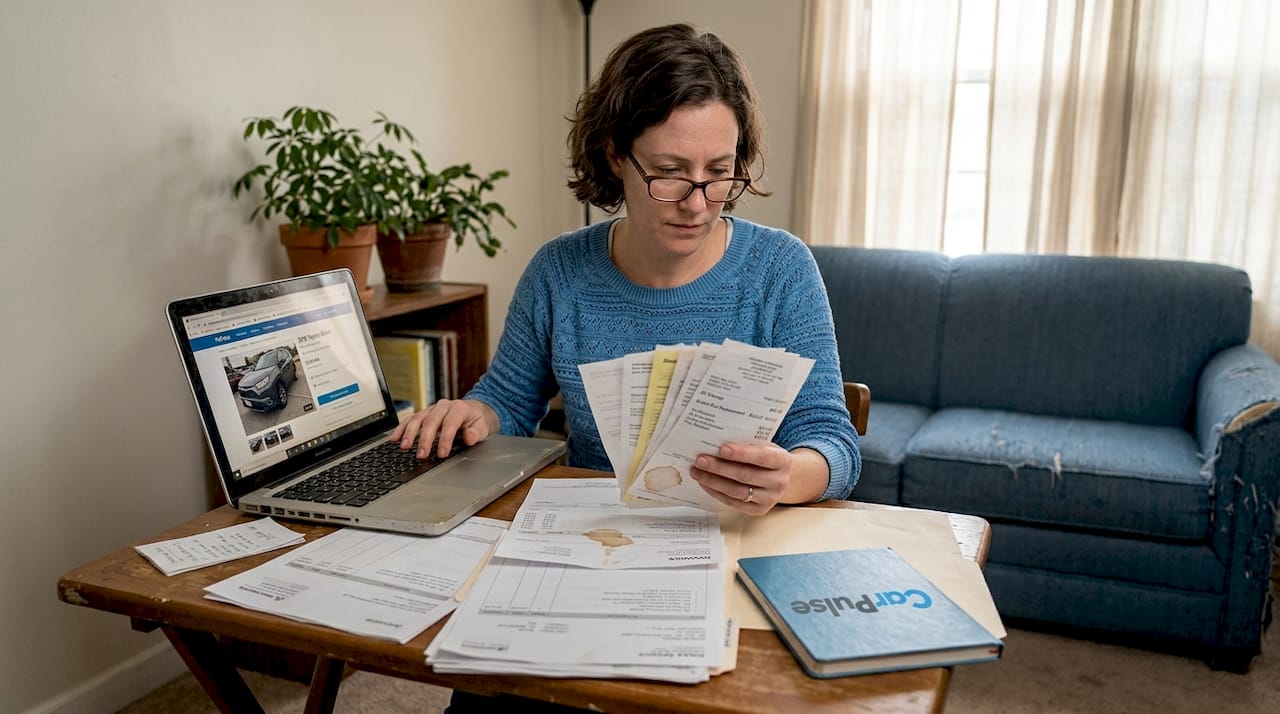
Vehicles with documented upkeep consistently fetch stronger prices because they carry less risk for the new owner. And in a market like Albania where buyers are often cautious about used car quality, your service history is one of the strongest signals of trustworthiness you can provide.
Here is what a maintained car gives you when it is time to sell:
- Documentation. Paper or digital records show exactly when each service happened and what was done.
- Retained mechanical value. An engine that has been serviced regularly simply runs better, and buyers will notice during a test drive.
- Buyer confidence. Knowing a car has been looked after removes the fear of immediate repair costs, which makes buyers more willing to pay asking price.
- Negotiating strength. You can defend your price with evidence rather than just your word.
For those buying a used car and wanting to understand what reliable verified cars look like, service records are one of the first indicators to check.
Pro Tip: Keep all receipts, invoices, and service center notes in a dedicated folder or scanned to cloud storage. When it comes time to sell, presenting a clean history file tells buyers everything they need to know without a single word of negotiation.
Saving money long-term: Maintenance vs. unexpected repairs
Now that we’ve covered resale value, here’s how smart maintenance provides direct savings and how neglect leads to costly surprises.
The financial case for regular maintenance is straightforward but often underestimated. Most drivers think of maintenance as a pure expense. In reality, it is an investment that reduces total cost of ownership. Consider the math:
| Scenario | Routine maintenance cost | Avoided repair cost |
|---|---|---|
| Regular oil changes | 2,000 to 4,000 ALL every 6 months | Engine replacement: 150,000 to 400,000 ALL |
| Annual brake inspection | 1,500 to 3,000 ALL | Full brake system overhaul: 40,000 to 80,000 ALL |
| Tire rotation every 10,000 km | 1,000 to 2,000 ALL | Blowout and wheel damage: 25,000 to 60,000 ALL |
| Coolant flush every 2 years | 2,500 to 5,000 ALL | Engine overheating repair: 80,000 to 200,000 ALL |
The pattern is consistent. Small, predictable maintenance costs prevent catastrophic and unpredictable repair bills. An engine that seizes because the oil was never changed does not just cost money to fix. It often means buying an entirely new vehicle.
Routine car care also protects the ancillary systems that connect to major components. For example, a clogged cabin air filter makes your air conditioning system work harder, which over time causes the compressor to fail. That is a 500 EUR repair that a 10 EUR filter replacement would have prevented entirely.
Here are four steps to build a proactive, money-saving maintenance routine:
- Read your owner’s manual once. It contains the manufacturer’s exact service schedule. Follow it as a minimum baseline.
- Adjust for Albanian road conditions. If you drive on rough terrain or long dusty roads regularly, shorten your service intervals by 20 to 30 percent.
- Budget monthly, not annually. Set aside a fixed monthly amount (even 1,500 to 3,000 ALL) specifically for maintenance. This prevents sticker shock when a service is due.
- Find a trustworthy mechanic early. A reliable workshop relationship means honest assessments, better pricing, and advice tailored to your specific vehicle.
Well-serviced vehicles simply cost less to own over their lifetime. That is not an opinion. It is a mathematical reality that plays out in repair bills, fuel efficiency, tire wear rates, and resale prices.
The real reason most car owners struggle with maintenance
Here is the uncomfortable truth about vehicle maintenance: most Albanian car owners already know they should do it. The problem is not information. It is habit and mindset.
There is a deeply reactive pattern in how many drivers approach their cars. You drive until something goes wrong, then you fix it. This feels rational because the expense is visible and immediate when you skip a service. What you cannot see is the slow accumulation of wear that quietly shortens your car’s life and grows your eventual repair bill.
Economic pressures are real. In Albania, where household budgets are tight and many drivers rely on older imported vehicles, paying for a service when nothing feels wrong takes discipline. But this logic has a flaw: the servicing mindset shift that separates drivers who rarely face crises from those who constantly face them is not about spending more. It is about spending smarter and earlier.
Time is another barrier. People are busy. Scheduling a workshop visit, arranging transport, waiting for the car, and managing the cost all at once feels like too much. But consider that a basic oil change takes under an hour and prevents an engine failure that might sideline your car for weeks.
The fix is behavioral, not financial. Schedule your next service before you leave your current one. Set a phone reminder for the month it is due. Treat it like a bill, because it is one. Car maintenance is not optional. It is the cost of ownership spread across time, and you pay it either in small, planned amounts or in large, brutal ones when things break.
Pro Tip: Create a recurring calendar reminder every three months with your current mileage noted. When you reach the next service milestone, you will already have the date flagged and the mental commitment made.
Ready to protect your car? Take the next step
Understanding maintenance is the first step. Acting on it is what actually protects your vehicle, your safety, and your money.
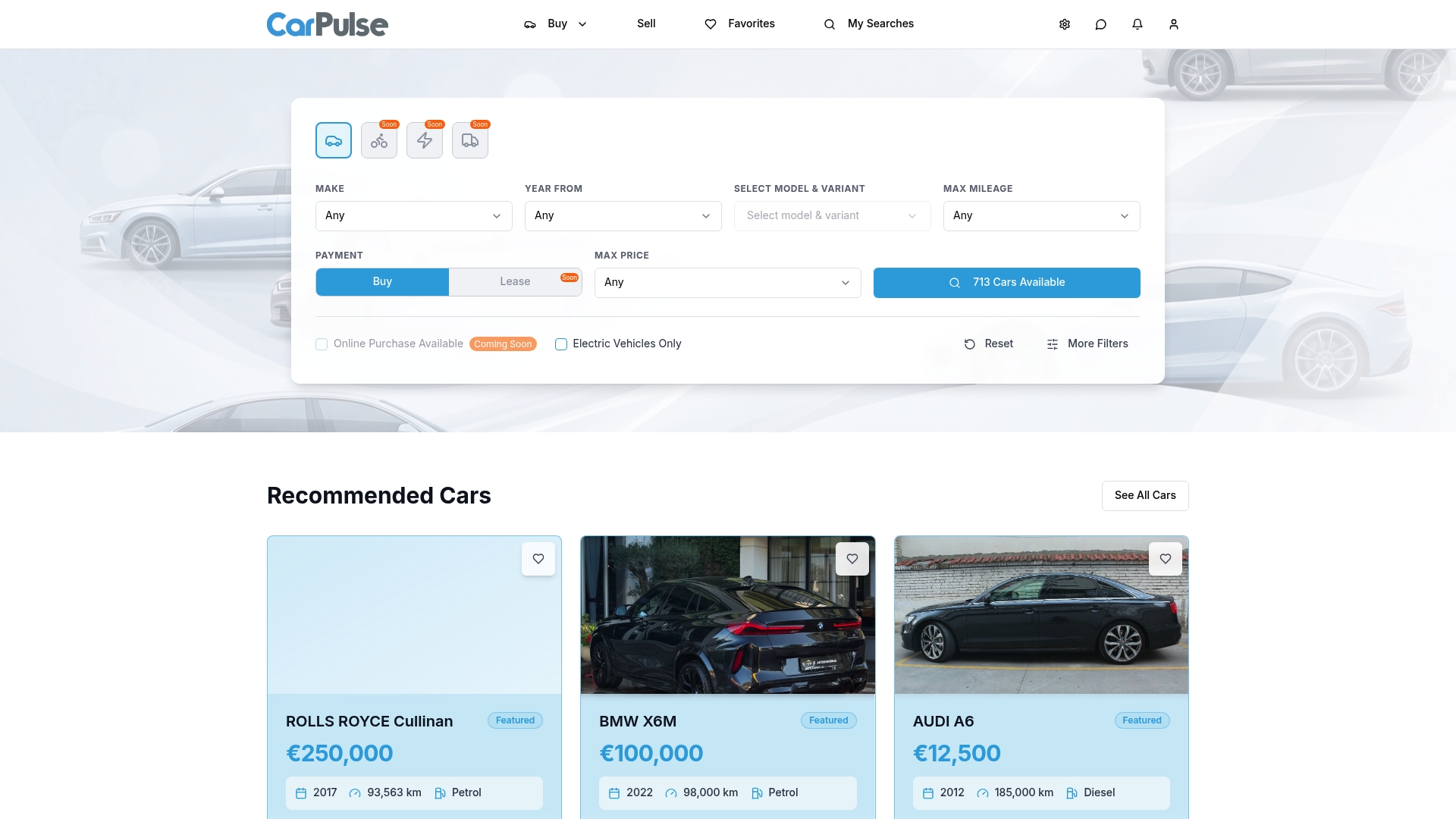
At CarPulse, we believe every Albanian driver deserves access to reliable vehicles and honest information. Whether you’re looking to buy a well-maintained car with a verified history, list your serviced vehicle to attract serious buyers, or simply explore trusted resources for car care, the CarPulse Albania marketplace brings it all together in one place. Browse verified listings, filter by make, model, mileage, and fuel type, and connect with trusted dealerships. Download the CarPulse app on iOS or Android and manage your car journey wherever you are.
Frequently asked questions
What is the most important maintenance for vehicle safety?
Regularly checking and maintaining brakes, tires, and lights is the most critical safety practice. These three systems are directly responsible for your ability to stop, steer, and see clearly, and neglecting them dramatically increases your risk of accidents or breakdowns.
How often should I service my vehicle to ensure longevity?
Follow your owner’s manual as a baseline, but aim for at least two thorough checkups per year. Consistently serviced vehicles routinely outlast neglected ones by many years, especially on demanding Albanian roads.
How does maintenance affect car resale value in Albania?
Maintained vehicles with complete service records sell faster and at higher prices because buyers trust them more. In Albania’s growing used car market, documented upkeep is one of the strongest competitive advantages a seller can have.
Is regular maintenance really cheaper than waiting for repairs?
Yes, without question. Routine services like oil changes and brake inspections cost a fraction of what major repairs like engine rebuilds or full brake overhauls cost. Proactive maintenance prevents the small problems from becoming catastrophic, budget-breaking failures.