
Guides
Why compare car models? Make smarter car buying decisions
Why compare car models? Make smarter car buying decisions

TL;DR:
- Comparing car models helps assess reliability safety resale value and long-term ownership costs.
- Real-world fuel efficiency and maintenance data are crucial for making informed decisions.
- Local market factors in Albania, like import history and parts availability, influence vehicle reliability.
Buying a car based on how it looks or what your neighbor drives is one of the most expensive mistakes you can make. Most buyers focus on price and brand, then discover months later that fuel costs are eating their salary or that spare parts cost a fortune. The truth is that car model comparison covers far more than sticker price. It touches reliability, safety, resale value, and long-term ownership costs. For Albanian buyers navigating a market full of imported vehicles with varied histories, this process is not optional. It is the difference between a smart investment and a regret you drive every day.
Table of Contents
- The real reasons to compare car models before buying
- Key factors to evaluate when comparing car models
- Real-world benchmarks: What the numbers reveal
- Understanding reliability, ownership satisfaction, and local market nuances
- Conventional car buying advice misses what actually matters
- Ready to compare car models? Find your next car with CarPulse
- Frequently asked questions
Key Takeaways
| Point | Details |
|---|---|
| Model comparison saves money | Taking a systematic approach prevents poor purchases and lowers total costs. |
| Benchmarks offer real insight | Independent test data reveals performance you can trust more than brochures. |
| Local rules matter | Albanian buyers must check documentation, import origin, and local support before deciding. |
| Match car to your life | The best model meets your needs for fuel, reliability, and daily routes, not just status. |
The real reasons to compare car models before buying
Most people buy cars emotionally, not logically. A shiny exterior, a well-known badge, or a friend’s recommendation becomes the deciding factor. Then reality sets in. The car drinks fuel like a truck, the dealer has no spare parts, or the documentation turns out to be a nightmare. These are not fringe cases in Albania. They are common outcomes when buyers skip structured comparison.
So why does direct comparison matter so much? Here are the core reasons:
- Features and fit: A car might look perfect but lack the cargo space, seating, or tech features you actually need daily.
- Reliability track record: Some models break down far more often than others, costing you time and money at the mechanic.
- Safety ratings: Independent crash test results vary dramatically between models that look similar on the surface.
- Resale value: Some cars hold their value well. Others depreciate fast, which matters when you eventually want to upgrade.
- Hidden ownership costs: Insurance, fuel, maintenance, and registration all vary by model and can add thousands per year.
The Albanian used car market adds its own layer of complexity. Vehicles imported from Italy, Germany, or Switzerland often have very different maintenance histories and documentation standards. A car with clean paperwork from Germany is not the same risk as one with unclear origins. Our buying guide for cars in Albania walks through these local risks in detail.
“Buyers compare models to evaluate key factors like features, reliability, safety, and fuel economy to match needs and budget, avoiding poor value or unsuitable vehicles.”
Pro Tip: Before visiting a dealership, write down your top three daily use cases. Commuting, road trips, or family hauling will each point you toward very different models.
Key factors to evaluate when comparing car models
Once you know why to compare, the next step is knowing what to measure. Random test drives and YouTube reviews are a start, but they will not give you a repeatable framework. You need a structured checklist that you can apply to any two cars sitting side by side.
A proven approach is the COMPARE methodology: Cost of ownership, Mileage, Performance, Acquisition price, Reliability, Appearance, and Emissions. Each category gets a score, and you project costs over three years to get a true picture of what each car actually costs.
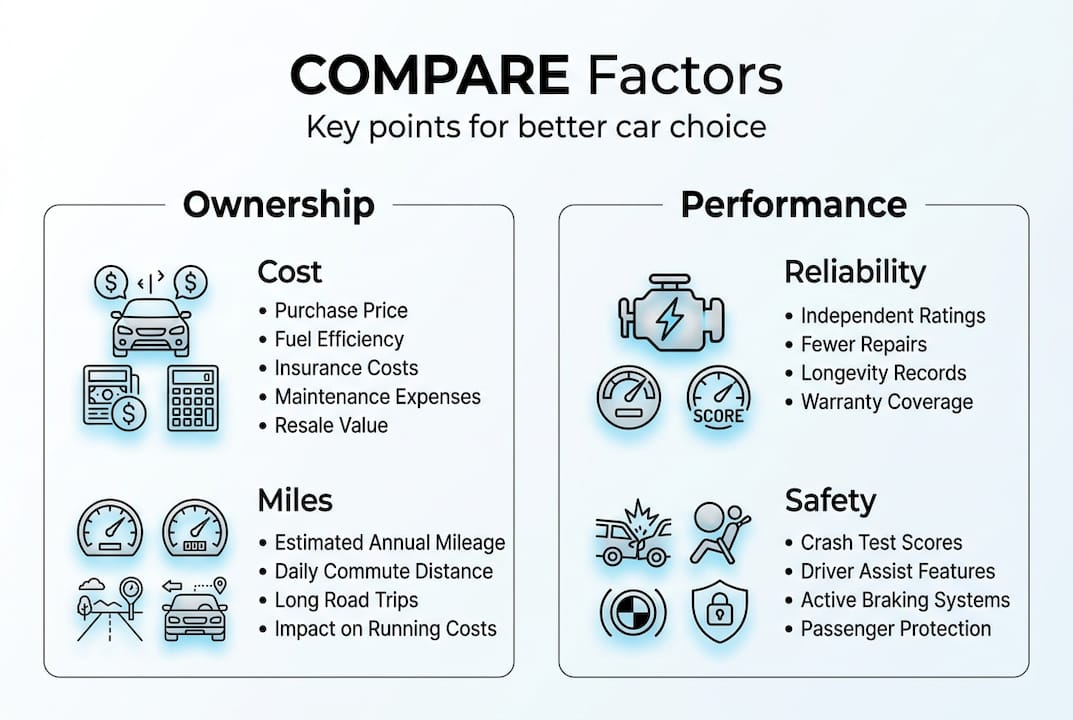
Here is how a side-by-side comparison might look between two popular choices in Albania:
| Factor | Toyota Corolla Hybrid | Volkswagen Golf |
|—|—|—|
| Estimated fuel cost/year | ~€900 | ~€1,400 |
| Average repair cost/year | Low | Medium |
| Safety rating (Euro NCAP) | 5 stars | 5 stars |
| Resale value (3 years) | High | Medium |
| Parts availability in Albania | Good | Good |
| Estimated total 3-year cost | Lower | Higher |
The table above shows that two cars at similar purchase prices can diverge significantly over three years. That gap matters for Albanian buyers who may be financing or budgeting tightly.
Here is a step-by-step process to run your own comparison:
- List the three to five models you are considering.
- Score each on the COMPARE factors from 1 to 10.
- Estimate annual fuel, insurance, and maintenance costs for each.
- Project the total cost of ownership over three years.
- Weight the categories by your personal priorities (fuel matters more for long commuters; safety matters most for families).
Pro Tip: For Albanian buyers commuting weekly between cities, weight fuel economy at least twice as heavily as appearance in your scoring. A 10 mpg difference adds up to hundreds of euros per year. Check our overview of used car price factors in Albania to understand what drives costs locally.
Real-world benchmarks: What the numbers reveal
Brochure specs are marketing. Real-world test data is truth. Car manufacturers often quote fuel efficiency under perfect lab conditions, which rarely match what you experience on Albanian roads, especially on hilly routes or stop-and-go Tirana traffic.
Independent tests tell a very different story. For example, hybrid sedans like the Accord, Camry, and Sonata achieve roughly 35 to 37 mpg in real-world conditions with 0 to 60 mph times of 6.7 to 7.7 seconds. Compare that to a Volkswagen Tiguan, which delivers around 25 mpg real-world against a Subaru Forester Hybrid’s 35 mpg, though the Tiguan wins on acceleration.
What does this mean for you practically? Here is what to focus on:
- Real mpg vs. claimed mpg: Always look for independent test results, not manufacturer claims.
- 0 to 60 times: Useful for highway merging safety, not just bragging rights.
- Used hybrid battery condition: If you are buying a used hybrid in Albania, a battery health check is non-negotiable. Replacement costs can exceed €3,000.
- Trip mileage calculation: Estimate your weekly driving, apply real mpg numbers, and calculate your actual fuel bill before buying.
- Cargo and passenger space: Independent reviews often measure this more honestly than brochures do.
For Albanian buyers considering used hybrids, these benchmarks are especially important. A used Camry Hybrid might seem like a bargain until you factor in battery age or discover the real fuel economy has dropped by 20%. Before committing, read our guidance on buying a used car in Albania to avoid the most common traps.
Benchmarks also help you build a realistic shortlist. If you need at least 30 mpg for your commute to be affordable and a model only achieves 24 mpg in real tests, it is off the list. Simple as that.
Understanding reliability, ownership satisfaction, and local market nuances
A car that scores well on a test track but spends three months a year at the mechanic is not a good car. Reliability data and owner satisfaction surveys exist precisely to capture this reality, and they matter enormously for Albanian buyers.
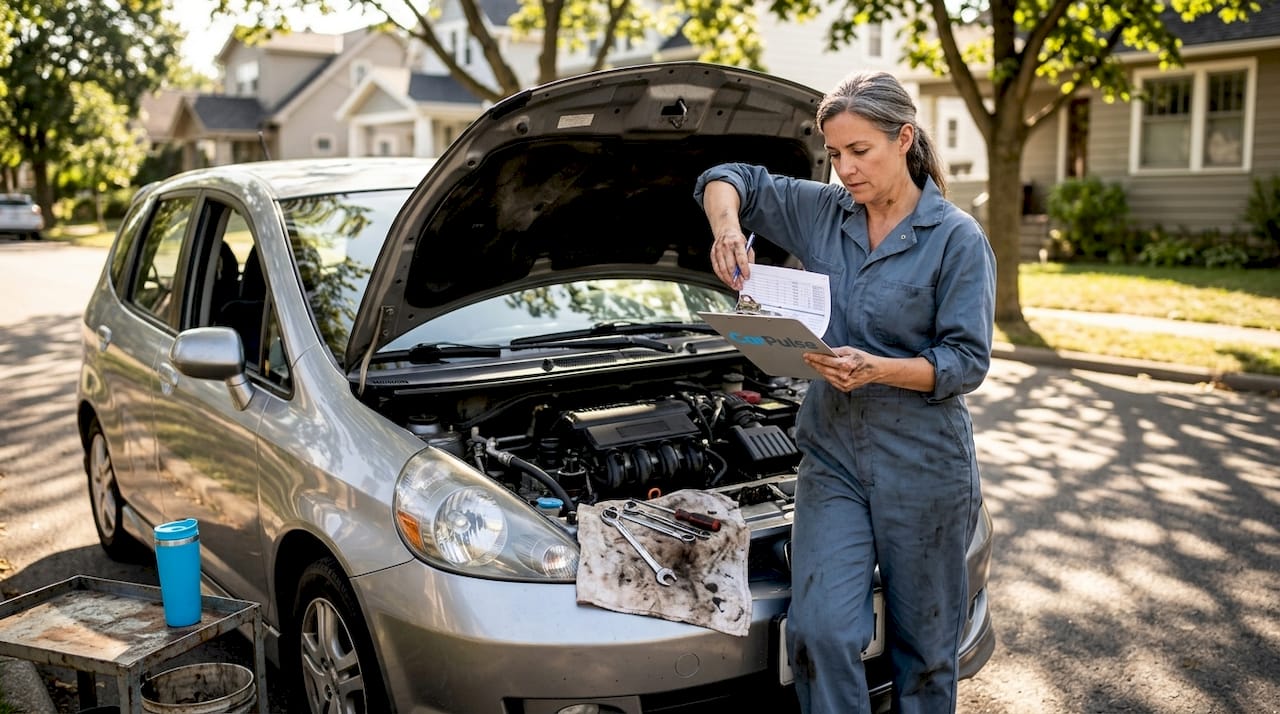
Consumer Reports collects data from over 380,000 vehicles annually, using predicted reliability scores and real owner satisfaction ratings. Top-rated SUVs and sedans in those surveys tend to have lower repair costs and higher resale values. This data is not perfect, but it is far better than guessing or relying on a salesperson’s word.
For Albanian buyers, there are additional local factors that reliability surveys simply cannot account for:
- Import origin: Cars imported from Switzerland and Germany typically have better documented service histories than those coming from Italy or Eastern Europe.
- Parts availability: Some brands have strong dealer networks in Albania. Others require expensive imports for even basic parts.
- Technical inspection records: Always request the full technical inspection history and verify it independently.
- Ownership certificate: Confirm the seller’s name matches all documentation. Gaps here are a serious red flag.
- Warranty coverage: Used cars rarely come with warranties in Albania, making pre-purchase inspections even more critical.
“New vs. used trade-offs are real: new cars offer warranty and modern safety tech but take an immediate depreciation hit; used cars cost less upfront but carry risks like no warranty, outdated safety systems, and unclear import history.”
For a complete breakdown of the buying and selling process, including documentation checklists, our complete buying and selling guide covers every step in the Albanian market context.
Conventional car buying advice misses what actually matters
Most car buying advice tells you to test drive three models, check the price, and look at the warranty. That is fine advice for a buyer in a mature, regulated market with strong consumer protections. Albania is not that market, and that advice will leave you exposed.
The real lesson we have learned from watching thousands of transactions in the Albanian market is this: the risk is almost never the car itself. It is the gap between what the car appears to be and what it actually is. Import paperwork, battery health on used hybrids, parts chains, and local service quality all determine your actual experience far more than whether the model won a European car of the year award.
‘Buy the latest model’ and ‘stick with a popular brand’ sound safe. But a well-maintained 2019 Toyota from Germany will outperform a poorly documented 2022 model from an unclear import chain every time. Understanding factors affecting used car prices helps you see through surface-level appeal and evaluate what actually drives value. Buyer satisfaction in Albania is almost always tied to matching real daily needs with honest local knowledge, not global brand rankings.
Ready to compare car models? Find your next car with CarPulse
Putting these lessons into practice is much easier when you have the right tools and a trusted local platform behind you.
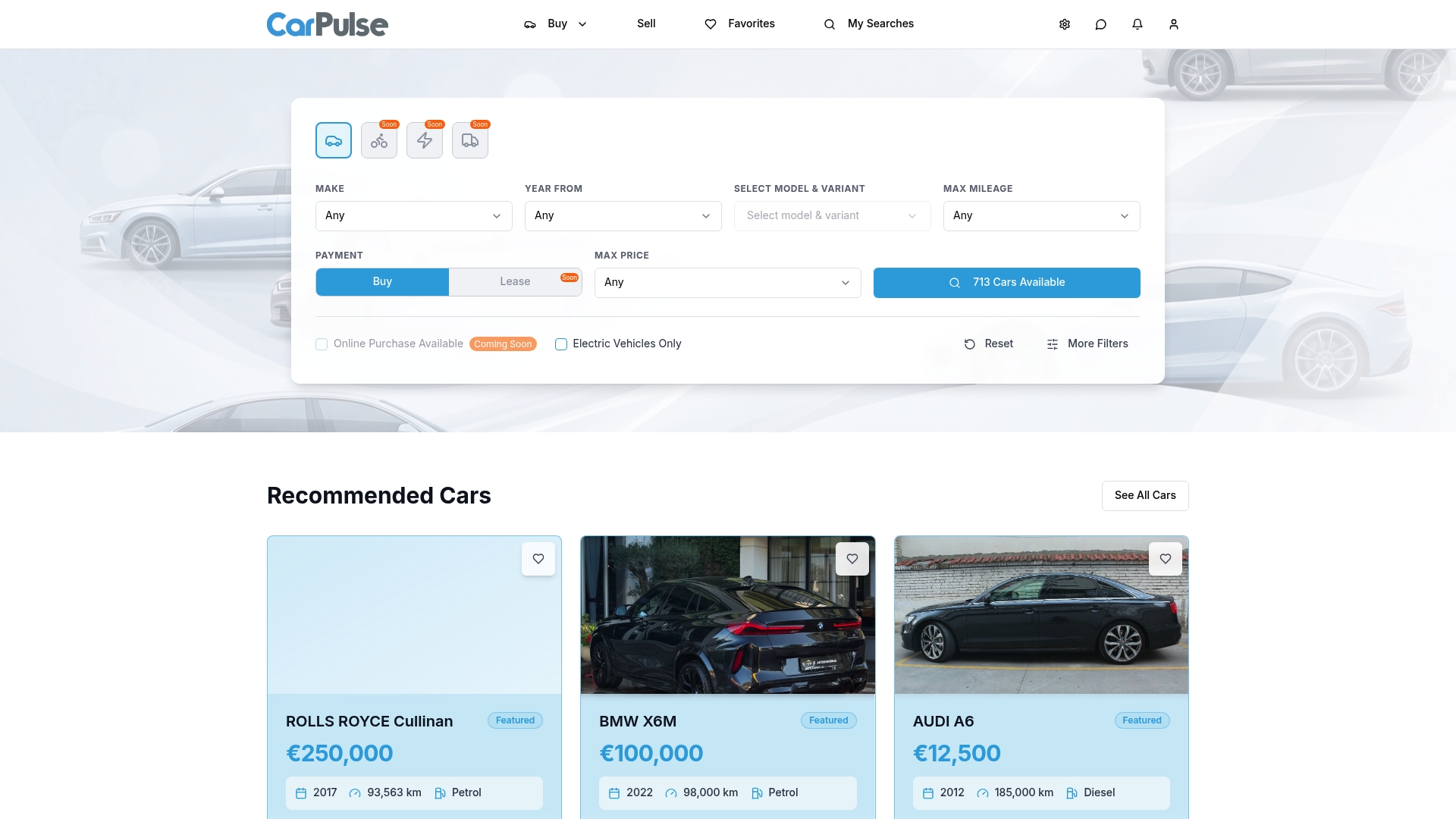
CarPulse Albania gives you access to hundreds of verified listings filtered by make, model, year, mileage, price, and fuel type so you can run your comparison with real local data instead of guesswork. Whether you are evaluating a used hybrid or comparing two sedans side by side, CarPulse connects you with trusted dealerships and private sellers across Albania. Save your searches, bookmark your favorites, and access expert buying guides, all in one place. Download the CarPulse app on iOS or Android and start your comparison today with confidence.
Frequently asked questions
What are the most important factors to compare between car models?
Compare total ownership cost, reliability, safety, fuel economy, price, and warranty to find the best fit for your needs and budget.
Why is fuel economy so critical when comparing cars in Albania?
Fuel costs represent a major ongoing expense, especially for drivers commuting across regions, and real-world mpg gaps between models can reach 10 mpg or more.
Should I buy a new or used car in Albania?
New cars offer warranties and lower risk, while used cars are cheaper but require verifying documents, import origin, and technical inspection records before buying.
How can I check if a car model is reliable before buying?
Use published reliability ratings from large surveys and check local parts availability and service network quality in Albania.