
Guides
Why Buy Verified Cars? Reliability, Value, and Peace of Mind
Why Buy Verified Cars? Reliability, Value, and Peace of Mind
TL;DR:
- Nearly 25% of cars fail Albania’s technical inspections due to safety-critical issues.
- Certified pre-owned vehicles undergo thorough manufacturer inspections with documented history and extended warranties.
- Buying verified cars reduces risks, repair costs, and enhances safety compared to unverified used vehicles.
Nearly 1 in 4 cars fails Albania’s mandatory technical inspection. That’s not a minor statistic. In just 7 months, 40,000 vehicles failed mandatory checks, exposing serious problems with brakes, exhaust systems, and steering. For anyone buying a used car in Albania, that number should stop you cold. Verified and certified pre-owned vehicles exist precisely to cut through this uncertainty. This guide explains what “verified” actually means, what benefits you get, and whether the extra cost is worth it for Albanian buyers who want reliability and real peace of mind.
Table of Contents
- What makes a car ‘verified’ or certified?
- Core benefits of buying a verified car
- Why verified matters in Albania: Inspection failures and market realities
- Weighing cost versus value: Is the verified premium worth it?
- Our take: What most guides miss about verified cars in Albania
- Ready for a verified car? Discover trusted options with CarPulse
- Frequently asked questions
Key Takeaways
| Point | Details |
|---|---|
| Verified means rigorous inspection | Certified cars undergo detailed technical and visual checks by manufacturer-trained experts for reliability. |
| Peace of mind with warranty | Verified cars offer extended warranties and roadside assistance, reducing risk for Albanian buyers. |
| Lower repair and ownership costs | Fewer breakdowns and slower depreciation mean real savings compared to standard used vehicles. |
| Premium worth it for reliability | A slightly higher price delivers proven benefits and safer ownership for those prioritizing dependability. |
| Manufacturer certification matters most | Always favor manufacturer-backed programs over dealer or third-party certifications for true peace of mind. |
What makes a car ‘verified’ or certified?
The word “verified” gets used loosely in car sales, so it’s worth being precise. A certified pre-owned (CPO) vehicle is a used car that has passed a formal inspection process, usually backed by the manufacturer or an authorized dealer network. It comes with documented history, a checklist of inspected components, and typically an extended warranty.
The inspection itself is thorough. CPO programs require 100 to 180+ point inspections conducted by manufacturer-trained technicians. That means someone who knows a specific brand’s engineering standards is checking the vehicle, not just a general mechanic running through a basic list.
Here’s what a standard verified inspection covers:
- Engine and transmission: Oil condition, leaks, performance under load
- Brakes: Pad thickness, rotor condition, brake fluid quality
- Steering and suspension: Alignment, wear on joints and bushings
- Electrical systems: Battery health, lighting, onboard diagnostics
- VIN and history check: Accident records, ownership history, odometer verification
- Bodywork and interior: Rust, structural integrity, trim condition
The difference between manufacturer certification and dealer certification matters enormously. Manufacturer programs like DasWeltAuto are more reliable than dealer or third-party certifications because they follow standardized processes enforced across the entire network. A dealer can call any car “certified” after a basic visual check. A manufacturer program cannot.
In Albania, programs like DasWeltAuto (Volkswagen Group) and 24ABA represent the more structured end of this spectrum. They apply consistent standards and provide documentation you can actually verify. When browsing certified car programs available locally, look for those with transparent checklists and manufacturer backing.
| Feature | Manufacturer certified | Dealer certified |
|---|---|---|
| Inspection standard | 100 to 180+ points | Varies, often 30 to 50 points |
| Warranty backing | Manufacturer | Dealer only |
| History documentation | Full, verified | Partial or self-reported |
| Technician training | Brand-specific | General |
| Consistency | Standardized across network | Varies by dealership |
Pro Tip: Always ask for the physical inspection checklist, not just a certificate. A genuine manufacturer program will hand you a document showing every item checked and its condition. If a seller hesitates, that tells you something important.
For a broader look at the full process, the complete buying guide on CarPulse walks through every step of purchasing a vehicle in the Albanian market.
Core benefits of buying a verified car
Verification is not just a label. It translates into concrete, measurable advantages that affect your wallet and your safety over the life of the vehicle.
1. Extended warranty coverage Most manufacturer CPO programs include 1 to 2 years of bumper-to-bumper coverage, with powertrain protection extending up to 7 years or 100,000 miles. CPO programs cover major mechanical and electrical components with genuine manufacturer parts, not aftermarket substitutes.
2. Roadside assistance Breaking down on the road between Tirana and Shkodër without support is a real scenario for unverified used car buyers. Most CPO programs include 24/7 roadside assistance, towing, and sometimes a loaner vehicle while yours is being repaired.
3. Fewer problems from day one CPO vehicles report 14% fewer problems than standard used cars. That gap reflects the pre-sale inspection catching issues before they become your problem.
4. Lower total repair costs Warranty coverage absorbs repair bills that would otherwise come out of your pocket. Over two to three years of ownership, this can easily offset the initial premium.
5. Higher owner satisfaction Buyers of certified vehicles consistently report greater satisfaction, largely because expectations are set by documented standards rather than a seller’s verbal assurances.
| Benefit | Verified/CPO car | Standard used car |
|---|---|---|
| Warranty | 1 to 7 years, manufacturer-backed | None or short dealer warranty |
| Roadside assistance | Included | Rarely included |
| Problem rate | 14% lower | Baseline |
| Parts used in repairs | Genuine manufacturer parts | Aftermarket, varies |
| Resale value | Higher, slower depreciation | Lower, faster depreciation |
For practical guidance on protecting yourself during any used car purchase, the safe used car buying resource on CarPulse covers the key steps in detail.
The reliability advantage is not just about avoiding breakdowns. It’s about knowing what you’re buying before you sign. That clarity changes the entire ownership experience.
Why verified matters in Albania: Inspection failures and market realities
Albania’s used car market has specific characteristics that make verification more important here than in many other countries. The numbers are stark.
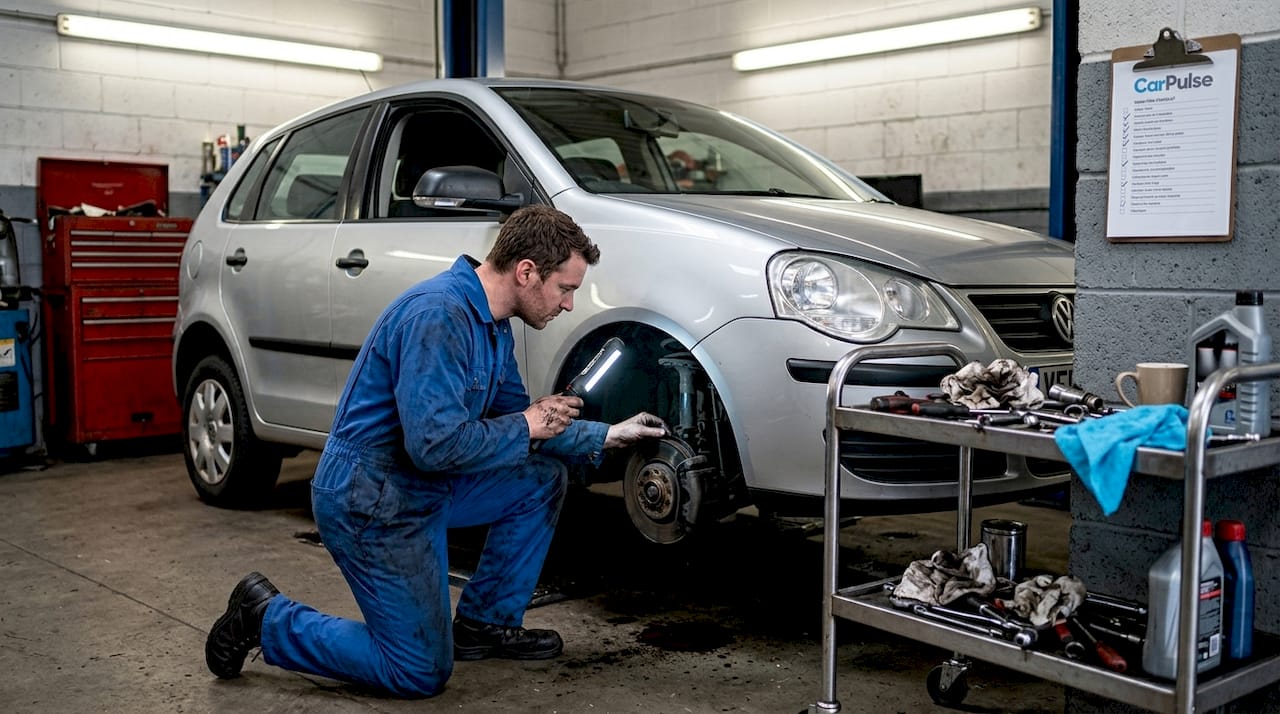
In just 7 months, 40,000 vehicles failed Albania’s mandatory technical inspection, representing a 24% failure rate. The most common reasons were exhaust system failures, brake deficiencies, and steering problems. These are not cosmetic issues. They are safety-critical systems.
The root causes go deeper than poor maintenance. Albania’s vehicle fleet is among the oldest in Europe. Many imported cars were deregistered in their country of origin an average of 22 years before arriving here. Vehicles that passed inspection in Germany a decade ago may have deteriorated significantly since. Import channels are not always transparent, and odometer tampering remains a real risk.
“The high failure rate in Albania’s technical inspections reflects a market where vehicle age, import history, and maintenance gaps create serious reliability risks for buyers who skip verification.”
Here’s where the most common failures occur:
- Exhaust systems: Corrosion, emissions non-compliance, leaks
- Brakes: Worn pads, corroded discs, degraded hydraulic systems
- Steering: Worn tie rods, loose joints, alignment drift
- Lighting: Non-functional indicators, headlight misalignment
- Structural integrity: Hidden rust, frame damage from accidents
| Risk factor | Non-verified car | Verified car |
|---|---|---|
| Inspection history | Unknown or self-reported | Documented, third-party verified |
| Brake/steering condition | Unconfirmed | Checked against manufacturer standard |
| Odometer accuracy | Not guaranteed | Verified through history check |
| Accident history | Often hidden | Disclosed in VIN report |
| Warranty on defects | None | Covered under CPO program |
For buyers navigating these risks, understanding the full landscape of buying cars in Albania is essential. The full buying and selling guide also covers what documentation to request and how to protect yourself legally.
Verified programs don’t eliminate every risk, but they systematically address the most dangerous ones before the car reaches you.
Weighing cost versus value: Is the verified premium worth it?
Verified cars cost more upfront. That’s a fact. CPO vehicles carry a 1.8 to 2.5% price premium over comparable unverified used cars, plus potentially higher financing costs if you’re using a loan.
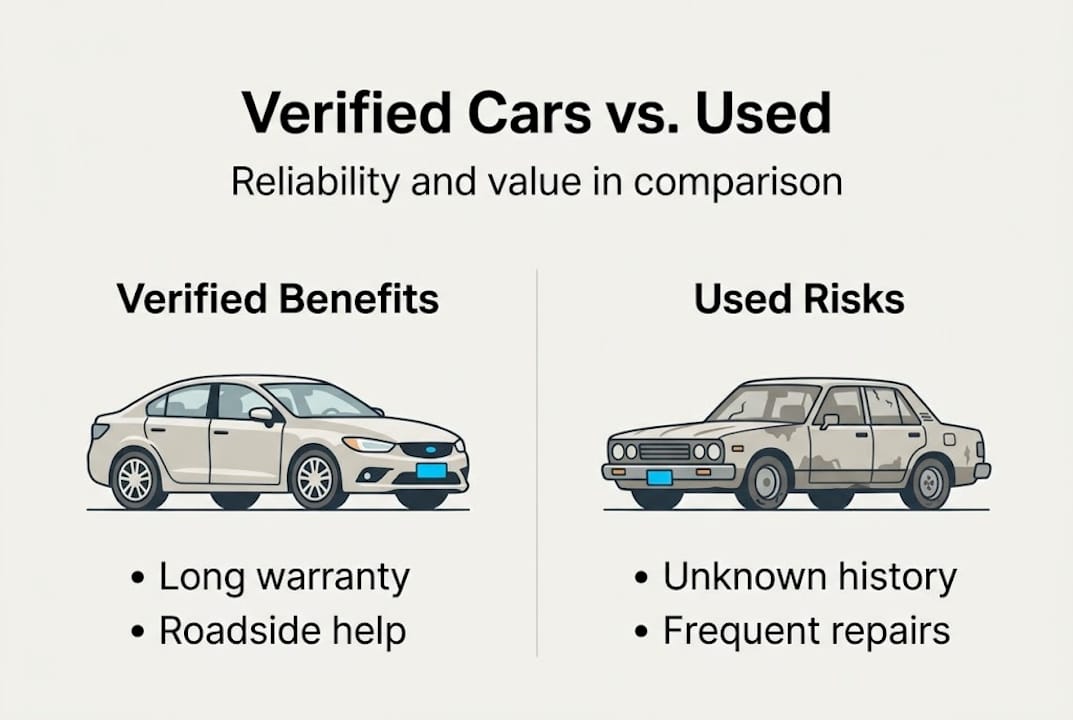
But the question isn’t whether you pay more today. It’s whether you pay less overall.
When the premium is clearly worth it:
- You plan to keep the car for 3 or more years
- You rely on the vehicle daily for work or family
- You’re buying a vehicle with higher repair costs (European brands, luxury models)
- You lack the mechanical knowledge to assess condition independently
- You want warranty coverage that travels with the car
When the premium may be unnecessary:
- You’re buying a short-term vehicle with low mileage needs
- You have access to a trusted independent mechanic who can inspect the car
- The vehicle is a simple, well-documented model with a strong reliability record
- You’re buying from a private seller you know personally with full service history
| Buyer profile | Verified car | Non-verified car |
|---|---|---|
| Daily commuter, 3+ years | Strong fit | Higher risk |
| Occasional use, short-term | Premium may not pay off | Acceptable with inspection |
| Family vehicle | Strong fit | Higher risk |
| Budget-constrained, mechanical knowledge | Consider independent inspection | Viable with due diligence |
The depreciation angle is also real. Verified cars hold their value better because the documentation trail gives future buyers confidence. When you sell, you can command a higher price.
Pro Tip: If you’re comparing a verified car to a non-verified one at a similar price, factor in the cost of an independent pre-purchase inspection (typically 50 to 100 euros) and at least one year of potential repair bills for the non-verified option. The math often favors the certified vehicle.
For more context on what programs are available locally, check the main certified alternatives overview on CarPulse.
Our take: What most guides miss about verified cars in Albania
Most articles on verified cars focus on the warranty and the inspection checklist. Those matter. But there’s a more important point that rarely gets said directly.
In Albania’s market, the word “certified” is being applied to cars that have received nothing more than a wash and a dealer sticker. This is not speculation. It’s a pattern we see consistently. A dealer certification without manufacturer backing is essentially a marketing term, not a quality standard. Not all certifications are equal, and in a market where 24% of vehicles fail basic safety checks, that distinction is not academic. It’s the difference between a safe car and a liability.
The real value of manufacturer-backed verification is transparency. You get an actual checklist, an actual history report, and an actual warranty from an entity with legal accountability. That’s what you’re paying for, not just a badge.
When you read through the detailed buying guide, you’ll notice that the buyers who report the fewest problems are those who insisted on documentation before signing. Verification is not a luxury for cautious buyers. In Albania’s current market, it’s the baseline for making an informed decision.
Ready for a verified car? Discover trusted options with CarPulse
Finding a genuinely verified car in Albania used to mean calling dealers one by one and hoping the paperwork matched the pitch. CarPulse changes that.
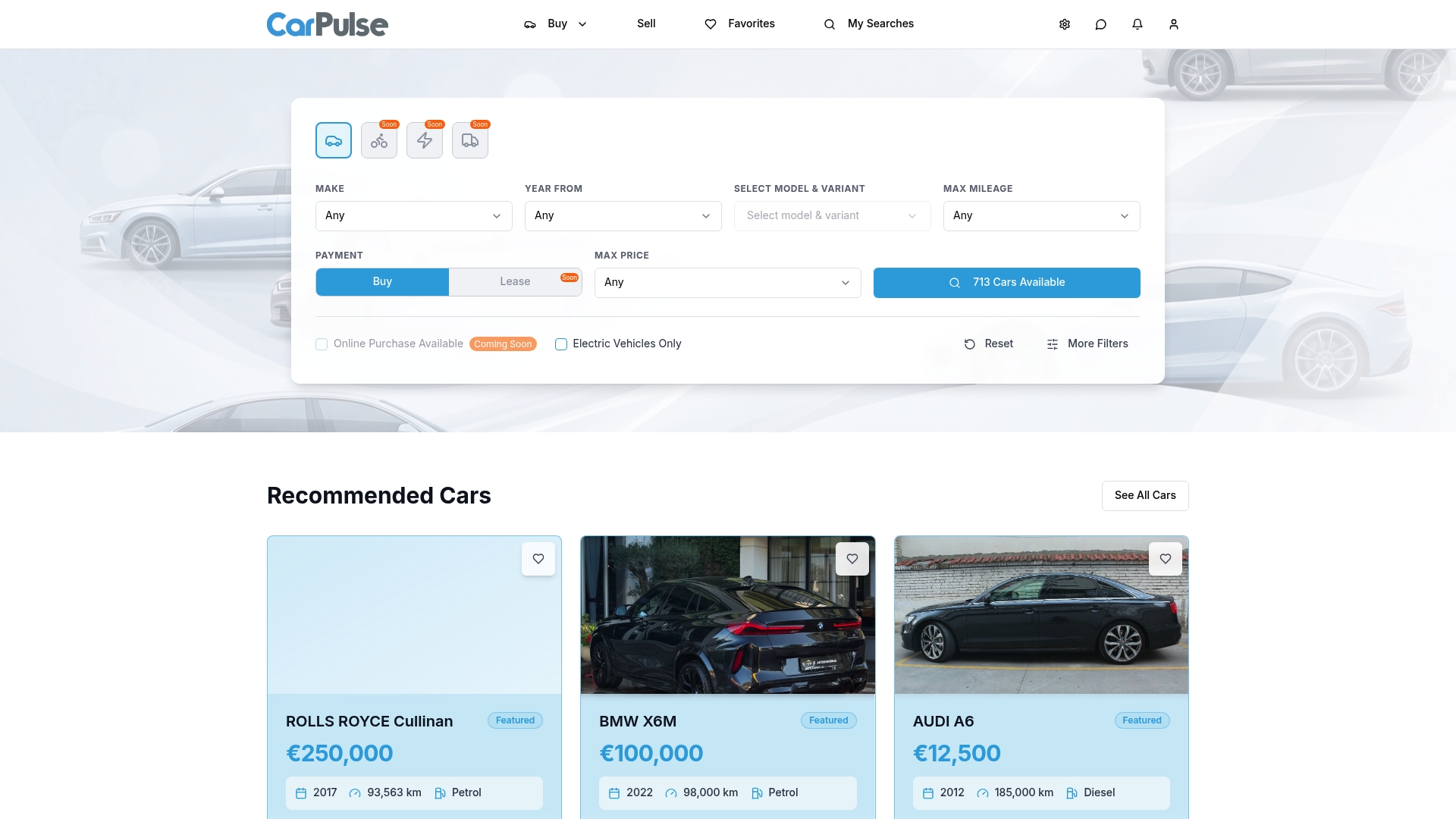
On the CarPulse car marketplace, you can filter listings by make, model, mileage, fuel type, and price to find verified vehicles from trusted dealerships and private sellers. Every listing built through VIN-based entry automatically pulls accurate vehicle data, so you’re working from verified specs from the start. If you’re ready to sell your car, CarPulse gives you the tools to list transparently and reach serious buyers across Albania. Reliable, verified, and straightforward.
Frequently asked questions
How can I confirm if a car is genuinely verified or certified in Albania?
Always request the manufacturer-backed inspection checklist, full service history, and a VIN-based history report. Genuine certification programs like DasWeltAuto provide full history and documented parts records that a dealer-only certificate cannot replicate.
Are verified cars worth the higher price for Albanian buyers?
For most buyers who rely on their vehicle daily, yes. CPO cars have 14% fewer problems, come with extended warranties, and hold their resale value better, making the upfront premium a sound investment over time.
Can I import a verified car, and what should I check?
Importing a verified car is possible, but you must confirm the certification transfers to Albania and request the original inspection documentation. Verified programs help mitigate import risks by providing transparent history that covers the vehicle’s life before it reaches you.
What are the main risks of buying a non-verified used car in Albania?
The 24% technical inspection failure rate in Albania means roughly 1 in 4 non-verified used cars has a critical defect in brakes, exhaust, or steering that could cost you significantly in repairs or compromise your safety.
Are dealer certifications as trustworthy as manufacturer certifications?
Manufacturer certifications are more consistent because they follow standardized inspection protocols enforced across the entire brand network, while dealer certifications vary widely in rigor and documentation quality.