Guides
What Is Mileage in Cars: A Buyer's Guide
What Is Mileage in Cars: A Buyer’s Guide
TL;DR:
- Car mileage includes both the total distance traveled by a vehicle and its fuel efficiency, which are often confused. The odometer records cumulative distance, while fuel efficiency measures how far a car travels per unit of fuel, both affecting vehicle value and maintenance. Buyers should verify mileage with service records, check for tampering, and consider maintenance history for an accurate car assessment.
Mileage in cars is defined as either the total distance a vehicle has traveled since manufacture or its fuel efficiency, measured as distance per unit of fuel consumed. Both meanings appear constantly in car listings, insurance forms, and service records, yet buyers often confuse them. Understanding both definitions is the single most important step toward evaluating a used car accurately. Carpulse listings display mileage figures prominently so buyers in Albania can compare vehicles without guesswork.
What is mileage in cars and how is it calculated?
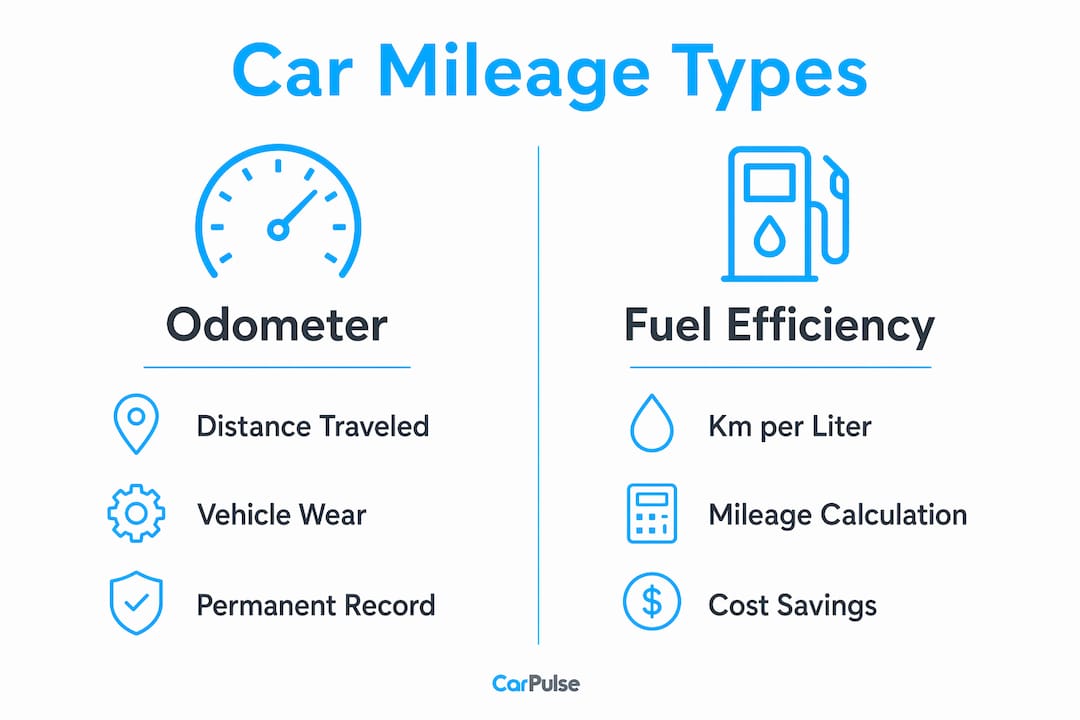
Car mileage covers two distinct measurements. The first is the odometer reading, which records the cumulative distance a vehicle has driven since it left the factory. The second is fuel efficiency, expressed as miles per gallon (MPG) or kilometers per liter, which tells you how far the car travels on a given amount of fuel.

The fuel efficiency formula is straightforward: divide the distance traveled by the amount of fuel consumed. Fill your tank completely, drive a set distance, fill it again, then divide the kilometers driven by the liters used. That number is your real-world fuel efficiency, and it almost always differs from the manufacturer’s published figure.
The odometer works differently. It counts wheel rotations and multiplies that count by the tire’s circumference to produce a distance figure. This means tire size changes can throw off the odometer’s accuracy over time. A larger tire covers more ground per rotation, so the odometer will undercount actual distance. A smaller tire does the opposite.
Pro Tip: When buying a used car with aftermarket wheels, ask for the original tire size and compare it to what is currently installed. A mismatch signals that the odometer reading may not reflect true distance.
Key measurement units buyers encounter:
- Odometer reading: total lifetime distance in kilometers or miles
- Trip meter: resets after each journey, useful for tracking fuel stops but carries no legal weight
- MPG (miles per gallon): the standard fuel efficiency unit in the United States
- km/L (kilometers per liter): the unit used across most of Europe and Albania
The trip meter is entirely separate from the odometer. Resetting a trip meter does not affect the permanent odometer count. Confusing the two is a common mistake that can lead to errors in maintenance scheduling and fuel tracking.
Why does mileage matter when buying a used car?
The odometer reading is the primary indicator of vehicle wear. Every kilometer adds stress to the engine, transmission, brakes, and suspension. A car with 200,000 km has cycled through far more heat, friction, and load than one with 80,000 km, regardless of age.
A widely used benchmark for average annual mileage is roughly 15,000–20,000 km per year for a typical driver. Divide the odometer reading by the car’s age to get the annual average. A five-year-old car showing 150,000 km sits right at the average. One showing 250,000 km has been driven hard, and one showing 50,000 km may have spent years parked or in light use.
Mileage also directly affects resale value. High odometer readings push prices down because buyers anticipate upcoming repair costs. Engine replacement costs alone can exceed the market value of a high-mileage vehicle, which is why buyers treat the odometer as a proxy for remaining useful life.
Here is how to evaluate mileage properly before buying:
- Calculate the annual average. Divide total kilometers by years in service. Anything significantly above the regional average warrants closer inspection.
- Request the full service history. A car with 180,000 km and complete service records is often a safer buy than one with 100,000 km and no documentation.
- Check for odometer tampering. Odometer fraud involves digital rollback or physical blocking of the mileage counter. Cross-reference the reading against service stamps, inspection stickers, and official vehicle history databases.
- Inspect wear indicators. Brake pedal rubber, steering wheel wear, and seat bolster condition should match the stated mileage. Fresh interior parts on a supposedly low-mileage car are a red flag.
- Verify with a trusted platform. Carpulse connects buyers with verified dealerships whose listings include accurate mileage data, reducing the risk of encountering manipulated figures.
Pro Tip: Ask the seller for photos of the odometer taken at different service intervals. Timestamps on those photos create a paper trail that is very difficult to fake.
Maintenance history often tells more about a car’s condition than the odometer reading alone. Proper maintenance records indicate that oil changes, timing belt replacements, and brake services happened on schedule. A low-mileage car that skipped every service interval can be in worse shape than a high-mileage car that was maintained religiously.
What are the common misconceptions about car mileage?
The biggest misconception is that “mileage” always means the odometer reading. It does not. Mileage is context-dependent, and the same word carries different meanings depending on who is using it and why.
Three distinctions every buyer should know:
- Odometer reading vs. trip distance. The odometer records total lifetime distance. The trip meter records a single journey. Only the odometer matters for legal disclosures and resale pricing.
- Distance mileage vs. fuel mileage. “This car has 120,000 km” refers to distance. “This car gets 14 km/L” refers to fuel efficiency. Both use the word mileage, but they measure completely different things.
- Manufacturer MPG vs. real-world MPG. Automakers test fuel efficiency under controlled lab conditions. Real-world fuel efficiency varies with traffic, load, driving style, and road quality.
“The odometer reading is the authoritative mileage figure for all legal and commercial purposes. Fuel efficiency figures, while useful, are estimates that shift with every drive.”
The odometer reading is used for legal disclosures in vehicle sales across most jurisdictions. Sellers are required to report it accurately. Fuel efficiency numbers, by contrast, are advisory. Treating a manufacturer’s MPG claim as a guarantee is one of the most common and costly mistakes new car buyers make.
How can drivers track and improve their car’s fuel efficiency?
Fuel efficiency is not fixed. Real-world mileage varies with driving conditions, traffic density, vehicle load, and maintenance status. A well-maintained car driven smoothly on open roads will consistently outperform the same model driven aggressively in stop-and-go traffic.
The most reliable way to track fuel efficiency is the manual fill-up method: record the odometer at every fill-up, note the liters added, and divide distance by fuel. Do this over several tanks to get a meaningful average. Single-tank calculations can skew high or low depending on driving conditions that week.
Factors that reduce fuel efficiency:
- Underinflated tires. Low tire pressure increases rolling resistance. Check pressure monthly against the figure listed on the door jamb sticker, not the tire sidewall.
- Aggressive acceleration and hard braking. Smooth inputs use significantly less fuel than sharp throttle and brake applications.
- Excess weight. Every 50 kg of unnecessary cargo reduces efficiency. Remove roof racks and heavy items when not in use.
- Neglected air filters and spark plugs. A clogged air filter forces the engine to work harder. Replacing it on schedule is one of the cheapest efficiency gains available.
- Idling. Extended idling burns fuel with zero distance gained. Turn off the engine if you expect to wait more than 60 seconds.
Pro Tip: Link your fuel efficiency tracking to the odometer reading. If your calculated efficiency drops noticeably between fill-ups without a change in driving conditions, it often signals a maintenance issue before any warning light appears.
Buyers looking for fuel-efficient vehicles should prioritize models with strong real-world efficiency ratings, not just manufacturer claims. Diesel engines typically deliver better km/L on highway routes. Hybrids excel in city traffic where regenerative braking recovers energy that would otherwise be lost as heat. Matching the vehicle type to your actual driving pattern produces bigger efficiency gains than any single driving habit change.
Regular maintenance tied to odometer milestones is the most consistent way to protect both fuel efficiency and engine longevity. Following the maintenance schedule for Albanian roads keeps wear-related efficiency losses in check over the vehicle’s life.
Key Takeaways
Car mileage covers two separate concepts: total distance recorded by the odometer and fuel efficiency measured as distance per unit of fuel, and buyers must understand both to evaluate any vehicle accurately.
| Point | Details |
|---|---|
| Mileage has two meanings | Odometer distance and fuel efficiency are both called mileage but measure entirely different things. |
| Odometer is the legal standard | Only the odometer reading counts for legal disclosures, resale pricing, and official vehicle records. |
| Maintenance beats low mileage | A high-mileage car with full service records is often a safer buy than a low-mileage car with none. |
| Fuel efficiency is variable | Real-world km/L shifts with driving habits, load, tire pressure, and maintenance status. |
| Verify before you buy | Cross-check odometer readings against service stamps and official databases to detect tampering. |
Mileage numbers only tell part of the story
I have reviewed hundreds of used car listings over the years, and the single most common mistake I see buyers make is treating the odometer as the whole story. A car with 80,000 km sounds reassuring. But if those kilometers were accumulated towing heavy loads on mountain roads with irregular oil changes, that car is in far worse shape than one with 130,000 km driven gently on flat highways with every service completed on time.
The number on the dashboard is a starting point, not a verdict. Experienced buyers use it to ask better questions, not to make a final decision. When I see a low odometer reading on an older car, my first instinct is suspicion, not relief. Either the car sat unused for years (which creates its own problems with seals, belts, and fluids), or the reading has been manipulated.
Odometer fraud remains a real problem in used car markets. Digital odometers are not immune. Rollback tools exist for most modern vehicles, and a clean-looking dashboard proves nothing on its own. The only reliable defense is a paper trail: service records, inspection stickers, and a verified vehicle history report.
The buyers who make the best decisions combine the odometer reading with maintenance history, a physical inspection, and a platform they can trust. Mileage is one data point. Use it as one.
— Henri
How Carpulse makes mileage verification easier
Finding a reliable used car in Albania means cutting through listings where mileage figures are unverified and service history is absent.
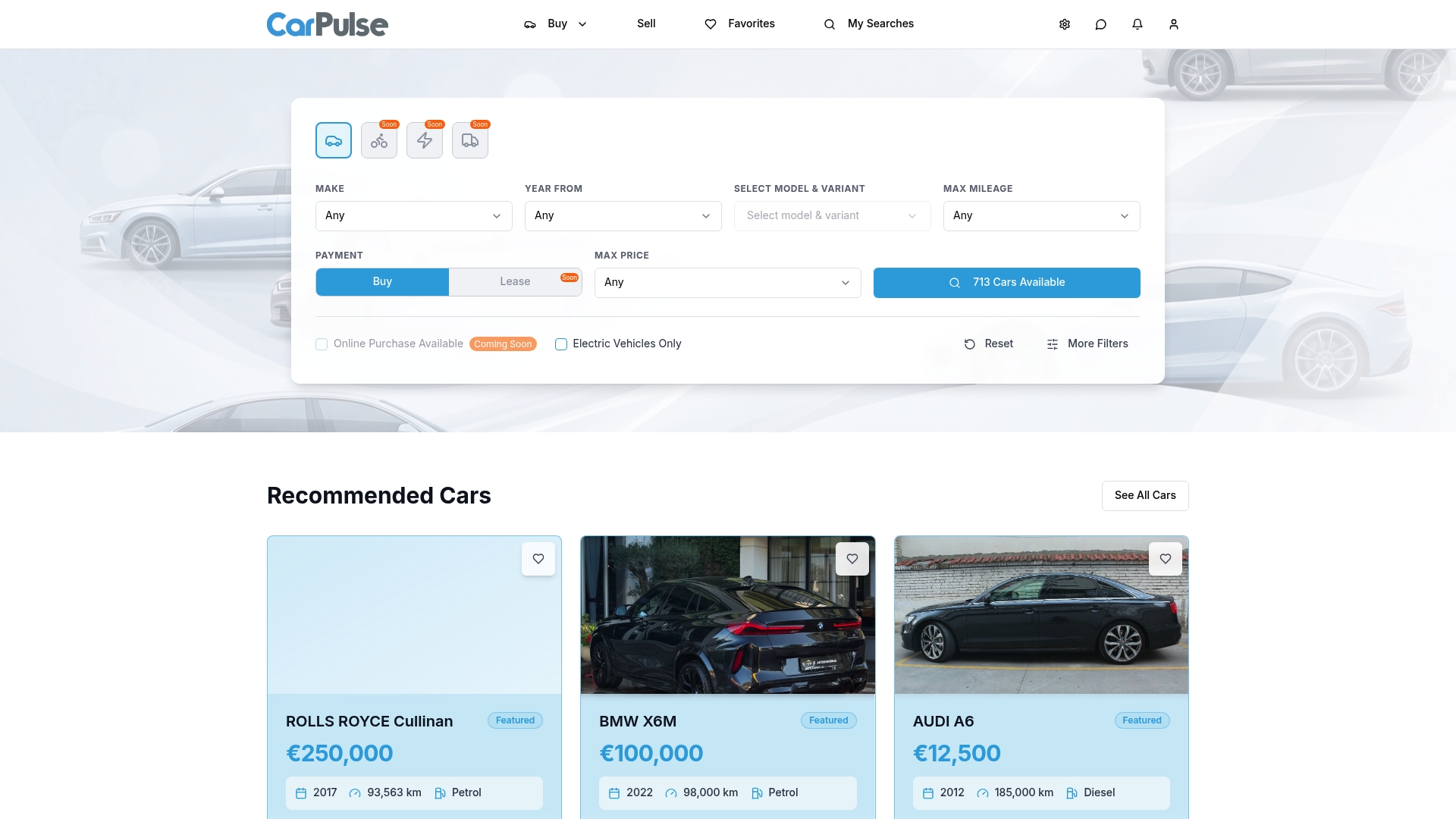
Carpulse is Albania’s largest car marketplace, built to give buyers the information they need before making contact with a seller. Listings on Carpulse include odometer readings, fuel type, and year, all filterable from a single search. Verified dealerships on the platform meet transparency standards that private listings often skip. Buyers can browse verified car listings by mileage range, compare fuel efficiency across models, and save searches for later review. Whether you are buying your first car or your fifth, Carpulse puts accurate mileage data where it belongs: front and center.
FAQ
What does mileage mean in a car listing?
Mileage in a car listing refers to the odometer reading, which is the total distance the vehicle has traveled since manufacture. It is the legally required disclosure figure in vehicle sales.
How do I calculate my car’s fuel efficiency?
Fill the tank completely, drive normally, then fill it again and divide the kilometers driven by the liters added. Repeat over several tanks for an accurate average.
What is a good mileage for a used car?
A useful benchmark is 15,000–20,000 km per year. A five-year-old car with 80,000 km sits below average, which is generally favorable, though maintenance history matters equally.
Can an odometer reading be faked?
Yes. Odometer tampering includes digital rollback and physical blocking of the mileage counter. Always verify the reading against service records and official vehicle history databases.
What is the difference between an odometer and a trip meter?
The odometer records total lifetime distance and cannot be reset. The trip meter measures individual journeys and resets on demand. Only the odometer reading carries legal and commercial weight.
Recommended
- Makina në Shitje: Udhëzuesi i Plotë Blerje/Shitje në… | CarPulse Albania
- Blej Makina në Shqipëri: Udhëzuesi i Plotë | CarPulse.al | CarPulse Albania
- Makina ne Shitje Shqipëri - Udhëzuesi i Plotë për Blerje | CarPulse Albania
- Golf në Shitje Shqipëri: Udhëzues Blerje, Modele & Çmime | CarPulse Albania