Guides
What Is Car Listing Verification? A Buyer's Guide
What Is Car Listing Verification? A Buyer’s Guide
TL;DR:
- Car listing verification involves checking seller identity, VIN accuracy, and vehicle history to prevent fraud. It combines automated database cross-references, identity proof, AI risk scoring, and independent buyer confirmation for comprehensive validation. Using multiple tools like NMVTIS, CARFAX, NICB, and remote video verification is essential for ensuring a legitimate and trustworthy used-car listing.
Car listing verification is the process of confirming that a used-car listing is legitimate, accurate, and trustworthy by validating seller identity, the vehicle’s VIN, and title history before any money changes hands. Known in the industry as vehicle listing verification, this practice prevents title fraud by cross-referencing listings against federal databases like NMVTIS and NICB before a buyer commits. Scams like VIN cloning, stolen photo use, and fake seller profiles are rising threats in online car markets. Understanding how verification works gives you a concrete defense against losing thousands of dollars on a fraudulent deal.
What is car listing verification and how does it work?
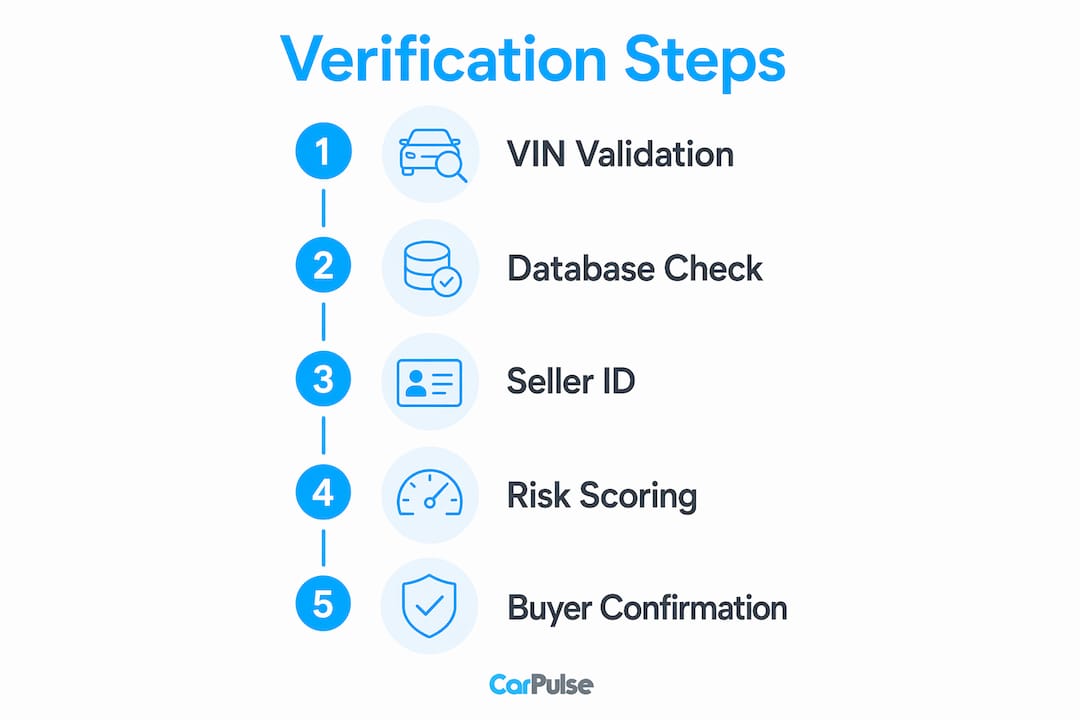
Car listing verification confirms that the vehicle in a listing actually exists, belongs to the seller, and matches every detail stated in the ad. The process combines automated platform checks with buyer-initiated research, and it typically follows a clear sequence.
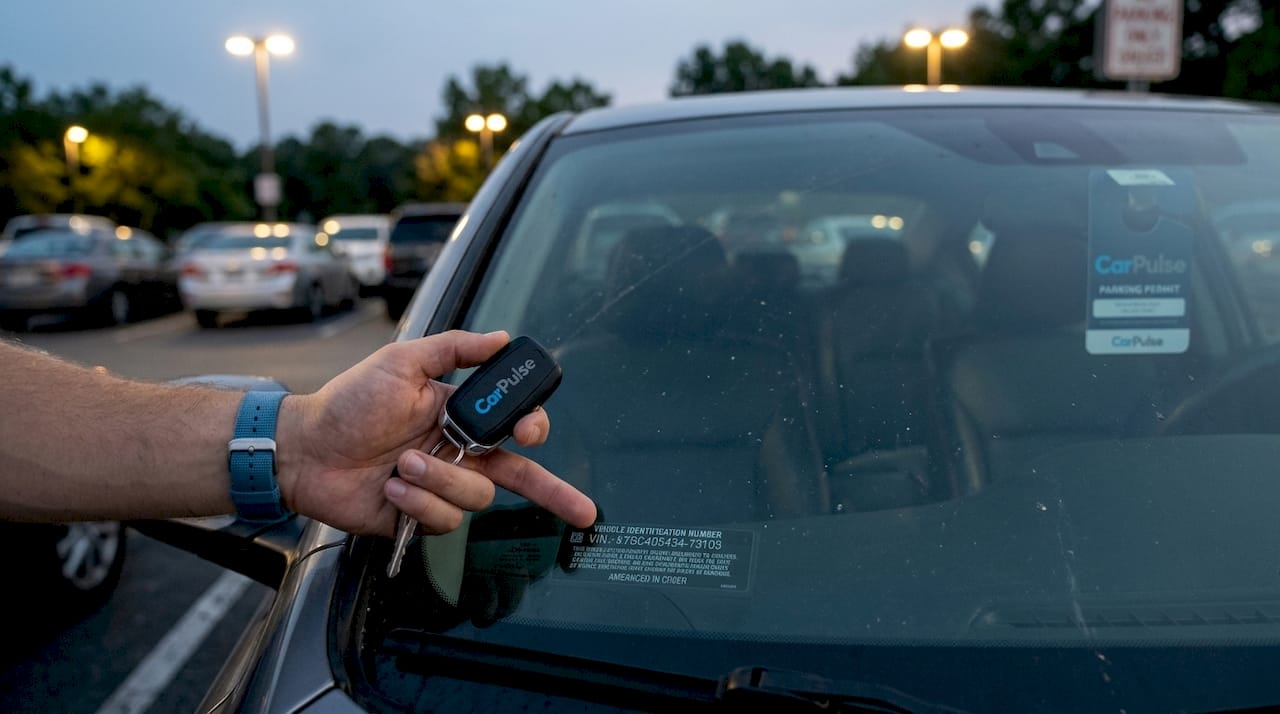
Step 1: VIN format validation. Every legitimate vehicle carries a 17-character VIN. Platforms validate VIN format immediately at submission, rejecting listings with invalid structures before they ever go live. This single gate blocks a large share of fabricated listings.
Step 2: Database cross-referencing. Once the VIN passes format checks, it gets cross-referenced against NMVTIS and NICB databases. This step flags vehicles with salvage, flood, junk, or rebuilt title brands, and identifies stolen vehicles. A clean result here does not end the process. It simply confirms the vehicle has no known federal-level red flags.
Step 3: Seller identity verification. Platforms and buyers both need to confirm who is actually selling the car. Sellers on verified platforms typically upload a government-issued ID, front and back, along with the vehicle title. Document collection for verification is now standard practice on serious marketplaces. Buyers can independently request proof of identity and ownership before scheduling a viewing.
Step 4: AI-powered risk scoring. Platforms like AutoTrader, Cars.com, and CarGurus layer AI-powered risk scoring on top of manual checks. These systems analyze listing text, photo metadata, pricing anomalies, and seller behavior patterns to assign a fraud risk level. Listings that score above a threshold get flagged for human review or removed entirely.
Step 5: Buyer-side confirmation. Even after a platform clears a listing, buyers should run their own independent checks. This is where vehicle history reports, physical inspections, and remote verification services enter the picture.
Pro Tip: Never rely solely on a platform’s “verified” badge. Ask the seller directly which specific checks were performed. A badge can mean anything from a basic phone confirmation to a full document and database review.
What tools and reports are used for verifying a car listing?
Several tools exist for car ad authenticity checks, and they serve different purposes. Using more than one is not redundant. It is the only way to build a complete picture of a vehicle’s true history and current condition.
| Tool | What it checks | Best used by |
|---|---|---|
| NMVTIS Vehicle History Report | Federal title brands, damage history, state title data | Buyers and platforms |
| CARFAX or AutoCheck | Ownership history, accident records, mileage | Buyers before purchase |
| NICB VINCheck | Stolen vehicle status, salvage records | Buyers and sellers |
| Kelley Blue Book history report | Ownership, service records, title brands | Buyers comparing value |
| Prufio live video verification | Real-time GPS, VIN, odometer, vehicle condition | Buyers before traveling |
NMVTIS is the official federal vehicle title database, and NMVTIS reports aggregate state-level title data to expose branded or unsafe vehicle histories. Consumers purchase these reports through federally approved providers. This is the most authoritative source for title fraud prevention because it draws from every participating state’s DMV records.
CARFAX and AutoCheck are the most widely recognized consumer-facing tools. Vehicle history reports from these services reveal ownership records, accident history, and title brands tied to a specific VIN. They do not, however, reflect unreported repairs or the vehicle’s current mechanical condition. Kelley Blue Book frames this clearly: history reports confirm what was officially recorded, not what a previous owner quietly fixed in a backyard.
NICB VINCheck is a free tool from the National Insurance Crime Bureau that checks whether a vehicle has been reported stolen or salvaged. It takes seconds and costs nothing, making it a logical first step for any buyer.
Prufio represents a newer category of remote verification. The service guides a live video session where the seller records GPS location, VIN plate, odometer reading, and a walk-around of the vehicle in real time. This directly counters the common fraud tactic of using stolen or months-old photos. A seller who refuses a live video session is a significant red flag.
For buyers who want physical confirmation, a pre-purchase inspection from a qualified mechanic, such as those offered by Tom’s B&M Auto, adds a layer that no database or video call can replace.
Why is car listing verification important for buyers and sellers?
Skipping verification is not a calculated risk. It is an open invitation to fraud. VIN cloning, fake listings, and stolen photo use are documented and growing tactics in online car sales. CARFAX has publicly warned consumers that these scams increasingly target buyers who skip document checks and rush toward payment.
The importance of car verification breaks down differently depending on which side of the transaction you are on.
For buyers:
- Verification confirms the seller legally owns the vehicle and has the right to sell it.
- It reveals title brands like salvage or flood damage that sellers may not disclose voluntarily.
- It protects your financial investment. A car with a branded title is worth significantly less than a clean-title equivalent.
- It confirms the VIN on the listing matches the VIN on the physical vehicle and the title document. Mismatches are the clearest signal of VIN cloning.
- It reduces the risk of buying a stolen vehicle, which can be seized by authorities with no compensation to the buyer.
For sellers:
- Completing verification builds buyer confidence and speeds up the sales process.
- A verified listing stands out in a crowded marketplace where buyers are increasingly cautious.
- It protects sellers from accusations of misrepresentation if a buyer later disputes the vehicle’s condition or history.
Pro Tip: Treat the VIN as a consistency key. Check it against the listing text, the physical plate on the dashboard, the door jamb sticker, and the title document. Any discrepancy across these four sources signals a high fraud risk.
How to verify a car listing effectively when buying or selling
Whether you are the buyer or the seller, the steps for listing verification follow a logical order. Skipping any step weakens the entire chain.
-
Run a free NICB VINCheck first. This takes under a minute and immediately tells you whether the vehicle is flagged as stolen or salvaged. If it fails here, stop the process entirely.
-
Purchase an NMVTIS-approved vehicle history report. This gives you federally aggregated title data. Cross-reference the title brands and ownership history against what the seller claims in the listing.
-
Order a CARFAX or AutoCheck report. These complement NMVTIS by adding accident records, mileage readings, and service history. Look for mileage rollback patterns and gaps in ownership records. A safe car buying guide will consistently recommend this step as non-negotiable.
-
Verify seller identity independently. Request a copy of the seller’s government-issued ID and confirm it matches the name on the vehicle title. For private sellers, check that the title is in their name, not a third party’s. For dealerships, confirm their business registration.
-
Request a live remote verification session. If you cannot inspect the vehicle in person before committing, use a service like Prufio to conduct a live video inspection that captures GPS location, VIN, and current vehicle condition in real time.
-
Schedule a pre-purchase mechanical inspection. No database report tells you whether the transmission is slipping or the frame has been repaired. A certified mechanic’s inspection is the final layer that confirms current condition.
-
Watch for red flags in the listing itself. Prices significantly below market value, pressure to pay quickly, refusal to meet in person, and stock photos instead of actual vehicle images are all documented warning signs. CARFAX specifically flags rushed payment requests as a top scam indicator.
For sellers on Carpulse, the platform’s VIN-based listing system automatically populates vehicle details from the VIN number, reducing data entry errors and ensuring the listing reflects accurate specifications from the start. Sellers can also list cars safely by following the platform’s guided verification steps before their listing goes live.
Key takeaways
Car listing verification requires layered checks across VIN validation, official title databases, seller identity, and physical or remote inspection to reliably confirm a listing is legitimate.
| Point | Details |
|---|---|
| VIN is the consistency key | Cross-check the VIN across the listing, physical vehicle, and title document to detect cloning. |
| Use multiple tools | NMVTIS, NICB VINCheck, and CARFAX each cover different data gaps and should be used together. |
| Seller identity matters | Confirm the seller’s ID matches the title holder before any payment or deposit is made. |
| Remote verification fills gaps | Live video services like Prufio confirm current vehicle existence when in-person visits are not possible. |
| Verified badges vary widely | Ask what specific checks a platform’s verification badge covers before trusting it at face value. |
Why I think most buyers verify too late
After years of covering automotive marketplaces and consumer fraud, the pattern I see most often is not that buyers skip verification. It is that they do it at the wrong point in the process. Most people run a CARFAX report after they have already fallen in love with a car, already negotiated a price, and already mentally committed to buying it. At that stage, the report becomes something they hope confirms their decision rather than a genuine filter.
The research is clear on this: timing of verification is as important as the verification itself. Early automated checks before listing display, combined with time-sensitive remote verification, are what actually prevent fraud. For buyers, this means running your NICB and NMVTIS checks before you contact the seller, not after.
The second thing I would push back on is the assumption that a “verified” badge from a marketplace means the same thing everywhere. Verification depth varies widely across platforms. Some badges reflect a full document and database review. Others confirm only that a phone number was valid. Buyers who understand this distinction make better decisions. They ask the right questions instead of outsourcing their judgment to a badge they do not fully understand.
My practical advice: build your verification checklist before you start browsing. Run the free checks first, then the paid reports, then the live inspection. By the time you contact a seller, you should already know more about the vehicle than most buyers learn after a test drive.
— Henri
Find verified car listings on Carpulse
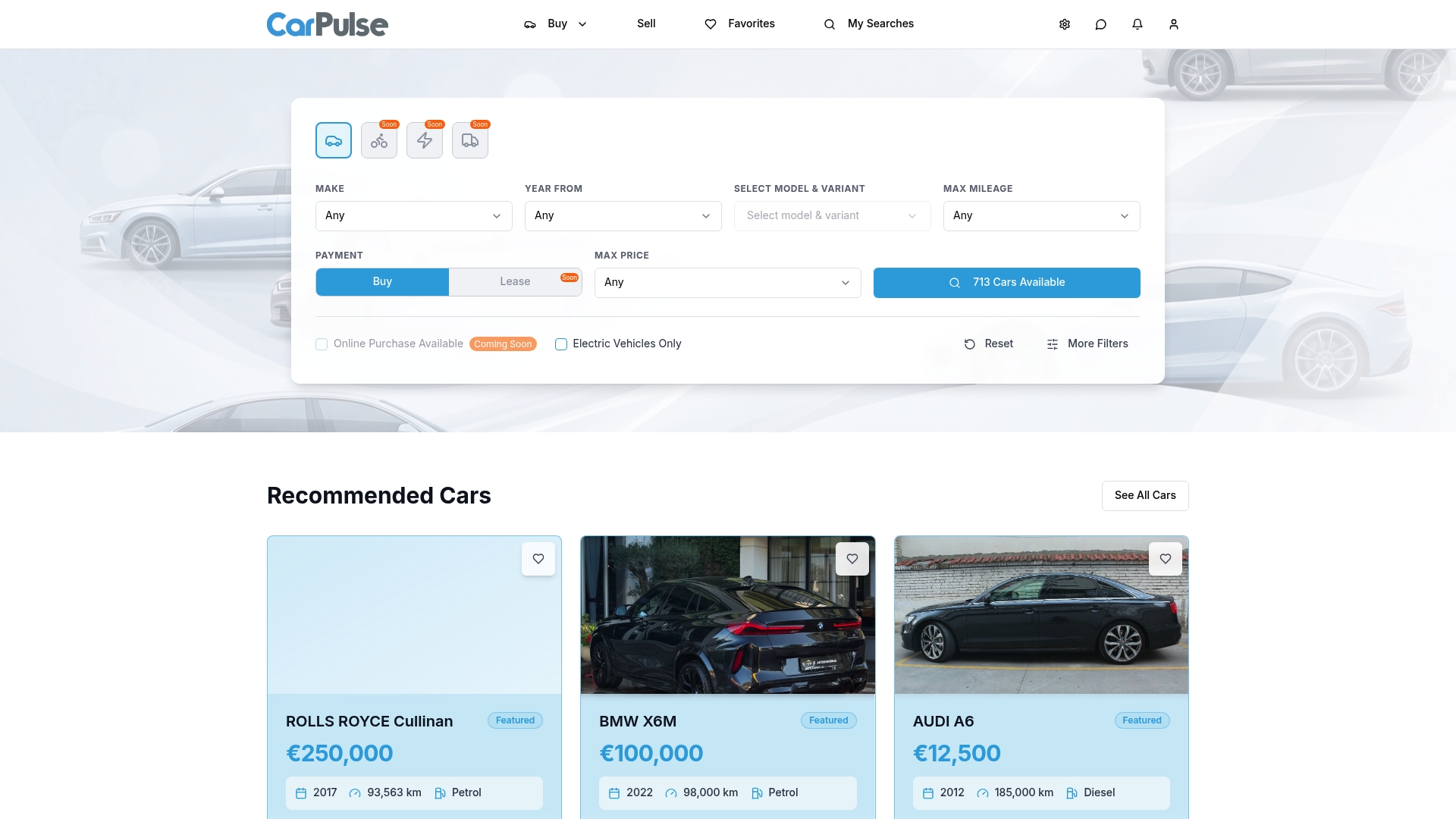
Carpulse is Albania’s largest car marketplace, and every listing on the platform goes through a VIN-based verification process that automatically confirms vehicle specifications at the point of listing. Sellers, both private individuals and verified dealerships, submit identity and title documentation before their ads go live. Buyers browsing verified car listings on Carpulse can filter by make, model, year, mileage, price, and fuel type, and contact sellers directly through the platform. If you are ready to sell, the Carpulse seller portal walks you through each verification step to get your listing live quickly and credibly. Browse with confidence or list with ease. Carpulse is built for both.
FAQ
What does car listing verification actually check?
Car listing verification checks seller identity, VIN format validity, title database records through NMVTIS and NICB, and in some cases current vehicle condition through remote or in-person inspection. The depth of these checks varies by platform and the tools a buyer chooses to use independently.
Is a vehicle history report enough to verify a listing?
A vehicle history report from CARFAX or AutoCheck confirms recorded ownership, accident history, and title brands, but it does not reflect unreported repairs or current mechanical condition. It should be combined with a physical inspection and seller identity check for complete verification.
What is VIN cloning and how does verification prevent it?
VIN cloning is a fraud tactic where a criminal copies the VIN from a legitimate vehicle and applies it to a stolen one to make it appear legal. Verification prevents this by cross-referencing the VIN against NMVTIS and NICB databases and checking that the VIN matches across the listing, the physical vehicle, and the title document.
Can sellers benefit from completing verification?
Verified listings build buyer confidence, reduce negotiation friction, and help sellers close sales faster. Platforms that require verification documentation also protect sellers from post-sale disputes about misrepresentation.
What is a remote verification service?
A remote verification service, such as Prufio, guides a seller through a live, uncut video session that captures GPS location, VIN, odometer reading, and a full vehicle walk-around in real time. This confirms the vehicle currently exists as described and counters fraud tactics that rely on stolen or outdated photos.