Guides
What Is Automotive Retail? A 2026 Buyer's Guide
What Is Automotive Retail? A 2026 Buyer’s Guide
TL;DR:
- Automotive retail involves the comprehensive process of selling vehicles directly to consumers, including online and in-person interactions. The sales journey extends from research and negotiation to financing and delivery, with digital tools transforming how dealers engage buyers. Embracing transparency, digitalization, and regulation adaptation is crucial for success in the evolving automotive market.
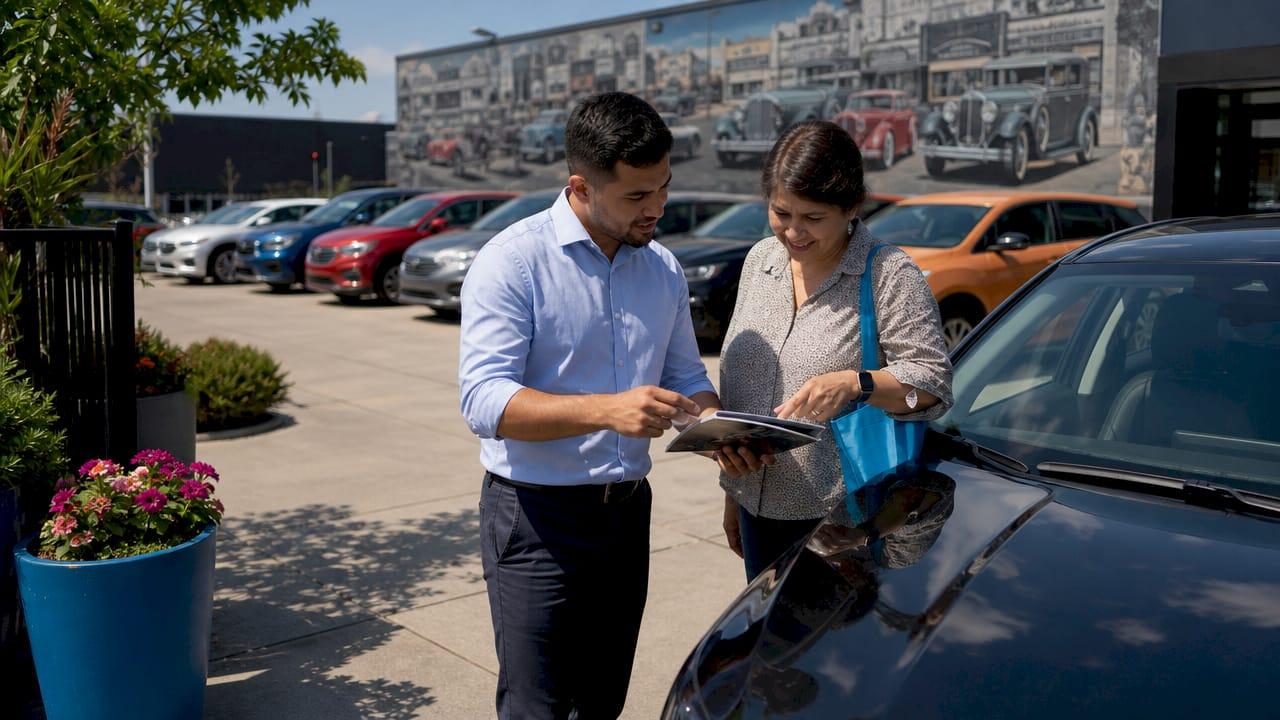
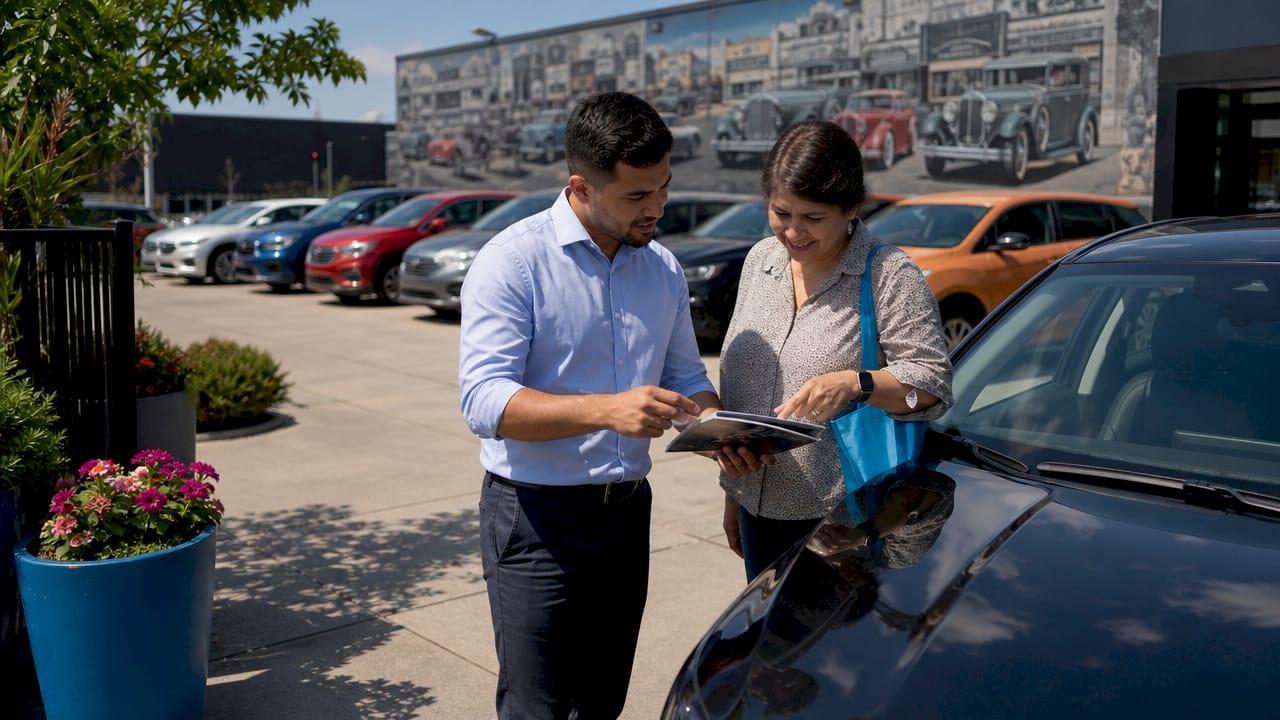
Automotive retail is defined as the business of selling motor vehicles directly to consumers, covering every step from initial customer contact through final vehicle delivery. The process spans physical dealerships, online platforms, and financing partners, making it far broader than a simple transaction. Automotive retailing includes end-to-end buying and selling, increasingly using digital platforms alongside traditional showrooms. Whether you are a first-time buyer researching how to buy a car, a dealership professional refining your approach, or an industry enthusiast tracking market shifts, understanding what automotive retail involves in 2026 gives you a clear advantage.
What is automotive retail and what does the sales process involve?
The automotive sales process is a structured sequence of interactions between buyer and seller, and it covers far more ground than most people expect. The retail process is not just handing over keys but all consumer interactions until delivery, often enabled by virtual tools. That means online research, dealership visits, test drives, price negotiation, trade-in evaluation, financing arrangements, and final delivery are all part of the same retail transaction.
Here is how a typical buyer moves through the process:
- Online research. Buyers compare makes, models, pricing, and reviews using platforms like Carpulse, manufacturer websites, and third-party review sites before ever contacting a seller.
- Initial contact. The buyer reaches out to a dealership or private seller, often through a digital inquiry form or phone call, to confirm availability and schedule a visit.
- Test drive. The in-person or, increasingly, at-home test drive confirms whether the vehicle matches expectations built during online research.
- Negotiation. Price, trade-in value, and add-ons are discussed. Many buyers now arrive at this stage with pre-researched market data, which compresses negotiation time significantly.
- Financing and paperwork. The buyer secures a loan through the dealership’s finance office, a bank, or a credit union. This stage often includes warranty upsells and insurance products.
- Delivery. The vehicle is handed over, documents are signed, and the transaction closes.
Automotive retail separates the online buyer journey phases from in-store fulfillment, requiring different staffing and performance metrics at each stage. A dealership that handles online inquiries with a slow response team loses buyers before they ever walk through the door.
Pro Tip: Before visiting any dealership, use an online marketplace to get a pre-qualified financing estimate. Arriving with a rate in hand shifts negotiating leverage in your favor.

How do different types of dealerships participate in automotive retail?
Not every car dealership operates the same way, and the differences between franchised and independent dealers directly affect your buying experience, pricing, and vehicle selection.
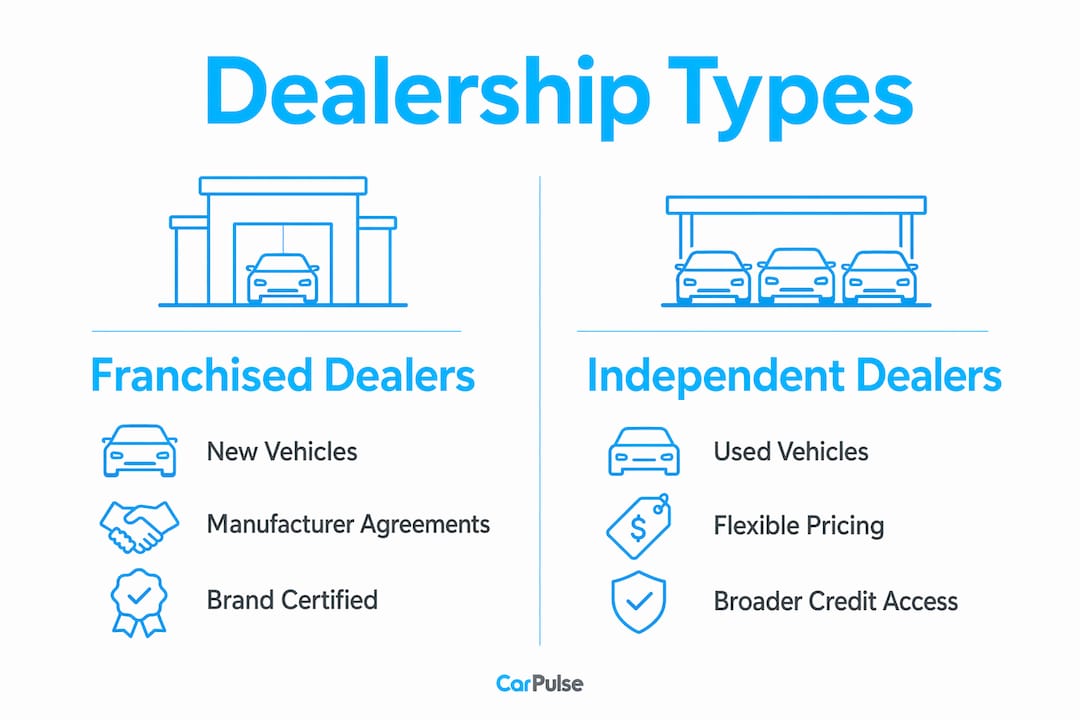
Franchised dealerships hold manufacturer agreements with brands like Toyota, Ford, or BMW. They sell new vehicles, carry certified pre-owned inventory, and operate manufacturer-approved service centers. Their pricing tends to be less flexible on new models but more transparent on certified used vehicles because of standardized inspection protocols.
Independent dealerships operate without a manufacturer contract. They specialize almost entirely in used vehicles and have more flexibility on pricing and financing terms. Used vehicle sales break down as follows: 47% private sales, 27% franchised dealers, and 26% independent dealers. That 26% represents a substantial market share, and it is served by approximately 53,000 active independent dealers in the U.S. alone, defined as those selling at least 50 vehicles annually.
Key differences between the two dealer types:
- Inventory source. Franchised dealers receive new stock directly from manufacturers. Independent dealers source from auctions, trade-ins, and fleet sales.
- Pricing structure. Franchised dealers follow manufacturer suggested retail pricing on new vehicles. Independent dealers price based on market conditions and acquisition cost.
- Financing access. Franchised dealers offer captive financing through manufacturer arms like Ford Motor Credit. Independent dealers work with third-party lenders, which can benefit buyers with non-standard credit profiles.
- Customer experience. Franchised dealers invest heavily in facility standards set by manufacturers. Independent dealers vary widely but often provide more personalized service.
Independent dealers provide affordability, credit access, and market reach, making them critical for distributing pre-owned and late-model EV inventory. For buyers on a budget or those seeking a specific used model, independent dealers often deliver options that franchised lots simply do not carry.
| Feature | Franchised dealer | Independent dealer |
|---|---|---|
| New vehicle sales | Yes | No |
| Manufacturer warranty | Yes | Rarely |
| Pricing flexibility | Low on new, moderate on used | High |
| Financing options | Captive + third-party | Third-party only |
| Inventory variety | Brand-specific | Multi-brand used |
What regulatory requirements apply to used car sales?
Used car sales in the United States carry specific legal obligations that protect buyers and define dealer responsibilities. The Federal Trade Commission’s Used Car Rule is the primary framework, and it applies to every dealer who sells more than five used vehicles per year.
The rule’s centerpiece is the FTC Buyer’s Guide, a window sticker that must be displayed on every used vehicle offered for retail sale. The Buyer’s Guide must disclose whether the vehicle is sold “As Is” or with a warranty, and it must list the major vehicle systems covered if a warranty applies. Dealers must post the guide visibly on the lot, at offsite sales events, and at auctions.
What the FTC Buyer’s Guide must include:
- The dealer’s name and address
- The vehicle’s make, model, year, and VIN
- A clear “As Is” or warranty declaration
- The percentage of repair costs the dealer will cover under any warranty
- A statement directing buyers to get all promises in writing
Disclosure requirements like the FTC Buyer’s Guide are a key trust-building mechanism in retail used-car markets, not merely bureaucratic hurdles. A dealer who posts accurate, complete guides signals to buyers that the transaction will be transparent from start to finish.
Pro Tip: Always ask for a signed copy of the Buyer’s Guide before completing any used vehicle purchase. Dealers are required to provide one, and it serves as your written record of the disclosed warranty status.
How is digitalization transforming automotive retail today?
The shift toward digital channels is the single biggest structural change in the automotive retail industry over the past five years. Buyers now complete the majority of their purchase journey before setting foot in a dealership, and that behavior is reshaping how dealers staff, market, and close sales.
About 30% of buyers say they prefer to complete purchases fully online, but under 10% of traditional OEM sales close online. That gap represents both a consumer demand signal and an operational challenge for dealers who have not yet built digital transaction capabilities. EV manufacturers like Tesla, which sell directly to consumers without a dealer network, close a far higher share of transactions online and have set a new benchmark for digital convenience.
The online buying process now covers vehicle search, trade-in evaluations, and financing pre-qualification. In-store activity is increasingly limited to physical inspection, test drives, and final paperwork. Dealers who treat the showroom as the only sales channel are losing buyers to competitors who offer digital pre-qualification and online reservations.
| Digital capability | Buyer benefit | Dealer benefit |
|---|---|---|
| Online inventory search | Compare options without visiting lots | Wider geographic reach |
| Digital financing pre-qualification | Know budget before negotiating | Higher-quality leads |
| Virtual trade-in appraisal | Faster, less stressful trade process | Reduced in-store time per deal |
| Online reservation or deposit | Secure vehicle before visiting | Confirmed buyer intent |
The role of digital car buying in 2026 extends beyond convenience. Dealers who integrate digital tools into their sales funnel report shorter transaction times and higher customer satisfaction scores, two metrics that directly affect repeat business and referrals.
What emerging trends are shaping the future of automotive retail?
The automotive retail industry is moving through a period of accelerated change, driven by electric vehicles, shifting inventory dynamics, and rising consumer expectations for transparency and speed.
- EV inventory expansion. Used EV sales increased by 35% year-over-year, and 34% of used EVs are now priced under $25,000. That price point puts electric vehicles within reach of a much broader buyer segment than new EV pricing allows.
- EV depreciation creating opportunity. Depreciation rates for used EVs range from 48% to 70% over five years depending on the model. For buyers, this means significant value. For dealers, it means managing inventory that loses value faster than traditional combustion vehicles.
- Advanced vehicle technology as a sales factor. Features like driver assistance systems, over-the-air software updates, and connected car capabilities are now active selling points, not optional extras. Sales staff need product knowledge that goes well beyond horsepower and fuel economy.
- Omnichannel retail as the standard. The U.S. dealership is increasingly the final step in an omnichannel buying journey, with customers expecting financing and negotiation to happen before visiting in person. Dealers who cannot meet buyers where they are in the digital journey will lose deals to those who can.
- Transparency as a competitive advantage. Buyers arrive with more market data than ever before, sourced from platforms like Carpulse, Kelley Blue Book, and manufacturer websites. Dealers who match that transparency in pricing and disclosure build faster trust and close deals with less friction.
Key takeaways
Automotive retail is the full-cycle process of selling vehicles to consumers, and success in it requires mastering both digital engagement and in-person fulfillment.
| Point | Details |
|---|---|
| Full transaction scope | Automotive retail covers every step from first contact to delivery, not just the sale itself. |
| Dealer type matters | Franchised dealers offer new vehicles and manufacturer warranties; independent dealers provide used inventory with more pricing flexibility. |
| Compliance protects buyers | The FTC Buyer’s Guide is a legal requirement for used vehicle dealers and a direct signal of transaction transparency. |
| Digital shift is real | About 30% of buyers prefer fully online purchases, but under 10% of traditional OEM sales close online, revealing a gap dealers must close. |
| EVs are reshaping inventory | Used EV sales grew 35% year-over-year, with one-third priced under $25,000, making them a growing segment of the retail market. |
The part of automotive retail most buyers overlook
Most articles about automotive retail focus on the transaction itself. What they miss is the information asymmetry that defines the experience for most buyers. Dealers have spent decades building systems that favor their side of the negotiation. Buyers, historically, walked in with little more than a budget and a preference.
That dynamic has shifted, and I think it has shifted more decisively than the industry acknowledges. When a buyer arrives at a dealership having already researched market pricing on Carpulse, pre-qualified for financing, and reviewed the FTC Buyer’s Guide requirements for the used vehicle they want, the power balance is fundamentally different. The dealership is no longer the gatekeeper of information.
What I find underappreciated is how much this benefits dealers who lean into transparency rather than resist it. The dealership relationship manager role has evolved precisely because informed buyers need a different kind of engagement. They do not need to be sold to. They need to be guided through the final steps of a decision they have largely already made.
My advice for buyers: treat the digital research phase as seriously as the in-person visit. The deal is often won or lost before you walk through the door. My advice for dealers: your showroom is now the closing environment, not the discovery environment. Staff it accordingly.
— Henri
Browse verified car listings on Carpulse
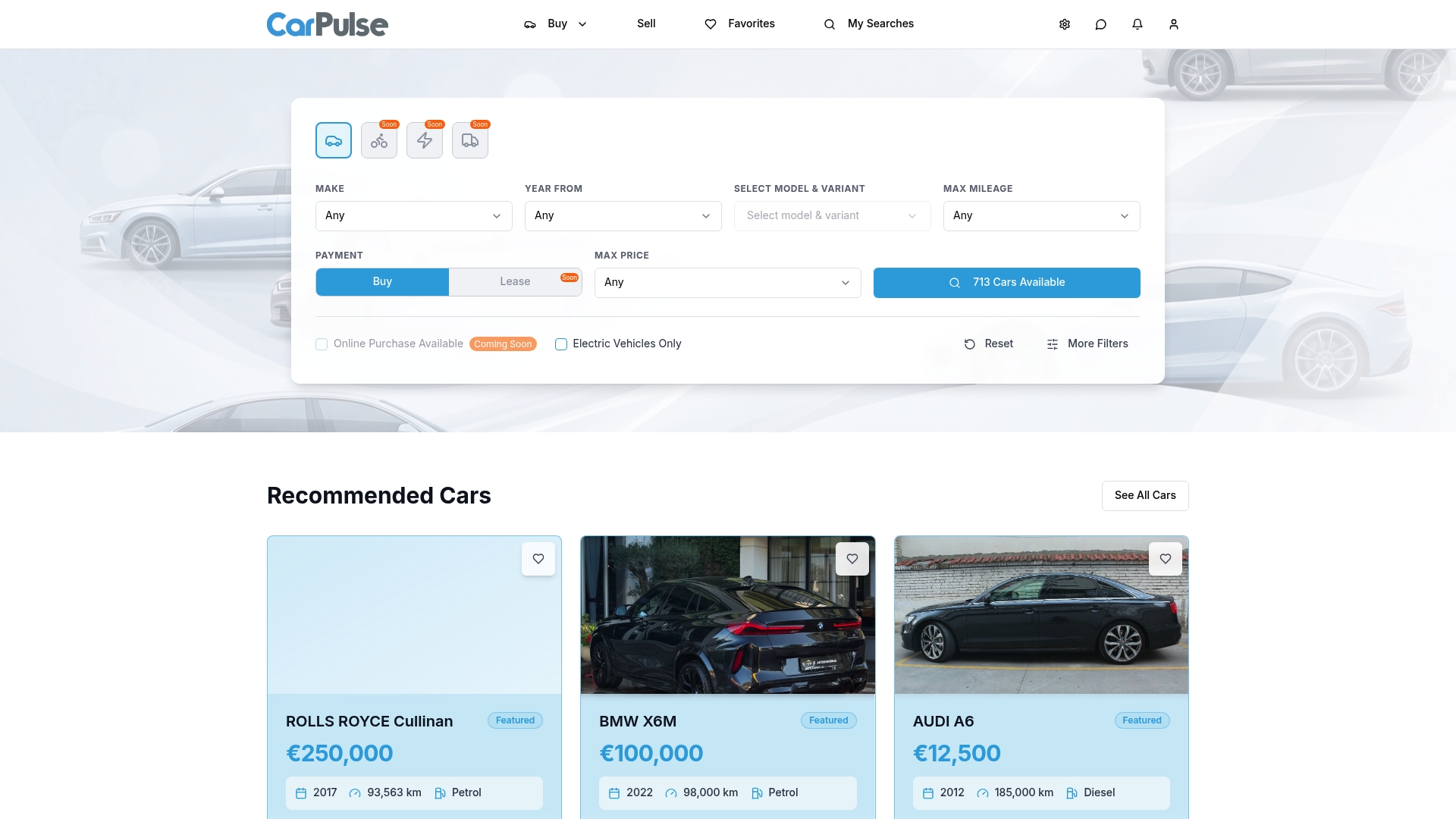
Carpulse is Albania’s largest online car marketplace, connecting buyers with verified dealerships and private sellers across the country. Whether you are searching for a new vehicle, a used model, or your first electric car, Carpulse listings give you full filtering by make, model, year, mileage, price, and fuel type. VIN-based listing means every vehicle detail is accurate from the start, so you spend less time verifying and more time deciding. The mobile app for iOS and Android keeps your search moving wherever you are. Start browsing today and put the research phase of your automotive retail journey to work.
FAQ
What is automotive retail in simple terms?
Automotive retail is the process of selling vehicles directly to consumers, covering every step from initial inquiry through final delivery. It includes both physical dealerships and online platforms.
What is a car dealership’s role in automotive retail?
A car dealership acts as the primary point of sale between vehicle manufacturers or wholesalers and end consumers, managing inventory, financing, test drives, and paperwork. Franchised dealers represent specific brands, while independent dealers focus on used vehicles across multiple makes.
How does the automotive sales process work for buyers?
The automotive sales process typically moves through online research, dealership contact, test drive, price negotiation, financing, and delivery. Digital tools now allow buyers to complete financing pre-qualification and trade-in appraisals before visiting a dealership in person.
Are there legal requirements for used car sales in automotive retail?
The FTC Used Car Rule requires dealers who sell more than five used vehicles per year to display a Buyer’s Guide on every vehicle, disclosing whether it is sold “As Is” or with a warranty. Dealers must provide buyers with a signed copy at the time of sale.
How is online buying changing the automotive retail industry?
About 30% of buyers prefer to complete vehicle purchases fully online, but under 10% of traditional OEM sales currently close online, signaling a significant gap between consumer preference and dealer capability. Dealers who build digital transaction tools are positioned to capture that demand as it grows.
Recommended
- Sallon Automobilistik në Shitje Shqipëri - CarPulse.al | CarPulse Albania
- Makina në Shitje: Udhëzuesi i Plotë Blerje/Shitje në… | CarPulse Albania
- Freza Dore Automobilistike në Shqipëri: Zgjedhja & Përdorimi | CarPulse Albania
- Golf në Shitje Shqipëri: Udhëzues Blerje, Modele & Çmime | CarPulse Albania