Guides
Types of Car Ownership: Your 2026 Decision Guide

Types of Car Ownership: Your 2026 Decision Guide

TL;DR:
- Car ownership mainly involves outright purchase, leasing, and subscription models, each with distinct costs and flexibility. Buying offers long-term savings and equity, while leasing and subscriptions provide convenience and shorter commitments for low-mileage or urban drivers. The best choice depends on your driving habits, financial goals, and whether you value asset building or cost predictability.
Types of car ownership define how you access, control, and pay for a vehicle, covering three primary models: outright purchase, leasing, and subscription. Each model carries distinct financial structures, legal rights, and lifestyle trade-offs that make one option clearly better than the others depending on your situation. Nearly 24% of all new vehicles were leased in Q2 2025, which signals that full ownership is no longer the automatic default for most buyers. At the same time, subscription services are gaining ground fast, particularly in urban markets. This guide breaks down every major car ownership model so you can match the right one to your budget, driving habits, and long-term goals.

1. The main types of car ownership explained
The three recognized car ownership models are full purchase, leasing, and subscription. Each one gives you different levels of control, financial exposure, and flexibility. Understanding where they differ is the foundation of any smart vehicle decision.
Full purchase means you own the vehicle outright, either by paying cash or financing through an auto loan. Leasing is a long-term rental agreement where you pay to use a vehicle for a set period, typically 24 to 36 months, without ever holding the title. Subscription sits between the two: you pay a monthly all-inclusive fee for vehicle access, with the option to swap models or cancel on shorter notice than a lease allows.
The right model depends on three factors: how long you plan to keep the vehicle, how many miles you drive annually, and whether building equity matters to you. Each section below examines one model in depth so you can compare them on equal terms.
2. Outright purchase: full ownership explained
Outright purchase is the only car ownership model that builds equity. When you buy a vehicle with cash or an auto loan, you hold the title and accumulate an asset that retains resale value over time. No mileage caps, no restrictions on modifications, and no penalties for wear and tear beyond normal depreciation.
The financial case for buying strengthens significantly over time. The breakeven point for total cost of ownership versus leasing sits at five to six years. After that point, ownership becomes cheaper because your loan payments end while a lessee continues paying indefinitely. High-mileage drivers and anyone planning to keep a vehicle for seven or more years almost always come out ahead financially by purchasing.
Key advantages of outright purchase include:
- No mileage restrictions. Drive as much as you need without per-mile overage fees.
- Equity accumulation. The vehicle is an asset you can sell or trade in at any time.
- Customization freedom. Modify, repaint, or upgrade the vehicle without asking permission.
- Lower long-term cost. Ownership monthly costs reduce to near zero once the loan is paid off.
The main drawbacks are the higher upfront cost and the responsibility for all maintenance and repairs once the warranty expires. A down payment of 10 to 20 percent is standard for financed purchases, and you carry the full depreciation risk if the market shifts.
Pro Tip: If you are currently leasing, a lease buyout can be a cost-effective path to ownership. You already know the vehicle’s history, which removes the uncertainty of buying used from a stranger. Lease buyout financing often carries favorable terms compared to standard used-car loans.
3. Car leasing: how it works and who it’s best for
A car lease is a contractual agreement to use a vehicle for a fixed term, usually 24 to 36 months, in exchange for monthly payments based on the vehicle’s depreciation during that period. You never own the car. At the end of the lease, you return it, buy it out, or start a new lease on a different model.
Standard leases limit annual mileage to 10,000 to 15,000 miles, with per-mile fees charged on any excess. This single restriction disqualifies leasing for high-mileage drivers immediately. For low-mileage commuters or drivers who want a new vehicle every two to three years, leasing offers genuine advantages.
The pros and cons of car leasing break down clearly:
- Lower monthly payments. Lease payments are typically lower than loan payments for the same vehicle because you pay only for depreciation, not the full purchase price.
- Always under warranty. Most lease terms align with the manufacturer’s warranty period, so major repairs are rarely your responsibility.
- No resale hassle. Return the car at lease end and walk away without negotiating a trade-in value.
- No equity. Every payment goes to the leasing company. You build no ownership stake.
- Mileage penalties. Exceeding your annual limit triggers fees that can add up to thousands of dollars at lease end.
Leasing suits professionals who prioritize driving a newer vehicle, want predictable monthly costs, and drive fewer than 15,000 miles per year. It also works well for businesses that want to keep fleet vehicles current without managing depreciation on the balance sheet. For anyone who values security on a leased vehicle, approved tracking devices are often required by leasing companies and add a layer of protection worth understanding before you sign.
4. Subscription-based car access: a flexible new model
A car subscription service bundles the vehicle, insurance, maintenance, registration, and roadside assistance into a single monthly fee. You access a car without committing to a multi-year contract, and most services allow you to swap vehicles with relatively short notice. This model treats the car as a utility rather than an asset, which is exactly how a growing segment of urban drivers prefer it.
Over 10% of new vehicle registrations in key European markets were subscription-based by the end of 2025, according to Deloitte. That figure reflects a real shift in how people think about vehicle access, particularly among younger urban professionals and those testing electric vehicles before committing to a purchase.
Subscription services are best suited for:
- Urban professionals who need a car occasionally but not daily.
- Short-term residents relocating for work who cannot commit to a multi-year lease.
- EV adopters who want to test a Tesla Model 3 or BMW i4 before buying.
- Drivers who hate paperwork. Insurance, registration, and maintenance are handled by the provider.
The cost trade-off is real. Subscription services carry higher monthly premiums than traditional leases because the bundled services add to the base price. Many subscribers underestimate total costs when they compare the headline fee to a lease payment without accounting for what the lease excludes, namely insurance and maintenance.
Pro Tip: Before signing a subscription, calculate the true cost of a comparable lease by adding insurance and maintenance estimates. In many cases, the subscription premium is justified by convenience alone. But if you drive consistently and can manage those services yourself, a lease will cost less per month.
5. Comparing car ownership types: costs, flexibility, and equity
Side-by-side comparison is the clearest way to evaluate which model fits your situation. The table below maps the three models across the factors that matter most to most buyers.
| Feature | Outright purchase | Leasing | Subscription |
|---|---|---|---|
| Monthly cost | Highest during loan term, then zero | Moderate, ongoing | Highest overall, ongoing |
| Upfront cost | High (down payment) | Low to moderate | Minimal |
| Equity built | Yes | No | No |
| Mileage limits | None | 10,000 to 15,000 miles/year | Varies by provider |
| Contract flexibility | Full ownership, sell anytime | Fixed term, early exit fees | Short notice cancellation |
| Maintenance responsibility | Owner’s responsibility | Covered under warranty | Included in fee |
| Best for | Long-term, high-mileage drivers | Low-mileage, frequent upgraders | Urban, short-term, or EV testers |
The hidden costs in each model deserve attention. Owners face repair bills after the warranty expires, which can be significant on vehicles older than five years. Lessees face disposition fees, excess mileage charges, and wear-and-tear penalties at lease end. Subscribers pay a premium every month for convenience, and that premium never stops as long as they stay in the program.
Long-term cost savings favor ownership, but leasing fits lifestyles that prioritize frequent upgrades and low maintenance responsibility. The right answer depends on how you weight those factors against each other.
Pro Tip: Map your actual annual mileage before choosing. Pull your odometer readings from the last two years and calculate the average. If you consistently exceed 15,000 miles per year, leasing will cost you more than the payment schedule suggests.
6. Which car ownership type fits your needs best?
Choosing between different car ownership options comes down to four decision criteria: driving frequency, financial goals, flexibility needs, and whether you want to build equity. Running through these honestly takes about ten minutes and will save you thousands of dollars over the life of your next vehicle.
If you drive more than 15,000 miles per year, outright purchase is almost always the better financial choice. Mileage penalties on leases and the absence of equity in subscriptions make both options expensive for high-mileage drivers over time.
If you want a new vehicle every two to three years and drive under 12,000 miles annually, leasing delivers the best combination of lower monthly payments and access to current models. You avoid the depreciation hit of selling a used car and stay within warranty coverage throughout the term.
If you live in a city, travel frequently, or want to test an electric vehicle without a long-term commitment, a subscription gives you the flexibility that neither buying nor leasing can match. The subscription model enables easy vehicle swapping and short contracts, which is genuinely valuable when your transportation needs change month to month.
If budget is your primary constraint, consider a financed purchase of a two to three year old certified pre-owned vehicle. The depreciation curve has already flattened, monthly payments are lower than a new car loan, and you build equity from day one. You can explore used car pricing factors to understand what drives value in the used market before committing.
Hybrid approaches also exist. A lease buyout strategy, where you lease a vehicle and then purchase it at the end of the term, lets you test a car thoroughly before committing to ownership. This approach mitigates the risk of buying used because you already know the vehicle’s full history. It is one of the most underused strategies in the car ownership decision toolkit.
Key takeaways
The most financially sound car ownership model depends on your mileage, time horizon, and whether equity matters to you, with outright purchase winning long-term and leasing or subscriptions serving flexibility-first drivers.
| Point | Details |
|---|---|
| Ownership builds equity | Only outright purchase gives you an asset you can sell or trade in at any time. |
| Leasing suits low-mileage drivers | Standard leases cap mileage at 10,000 to 15,000 miles per year with fees for overages. |
| Subscriptions cost more monthly | Bundled insurance and maintenance raise subscription fees above comparable lease payments. |
| Breakeven favors buyers at year five | Total cost of ownership drops below leasing costs after five to six years of ownership. |
| Hybrid strategies exist | Lease buyouts let you test a vehicle thoroughly before committing to full ownership. |
What I’ve learned from watching car ownership trends shift
The most common mistake I see people make is choosing a car ownership model based on the monthly payment alone. A lease payment looks attractive on paper until you add insurance, factor in the mileage cap, and realize you have nothing to show for three years of payments. A subscription fee looks expensive until you price out insurance and maintenance separately.
What the market is actually telling us in 2026 is that cars are increasingly viewed as utilities rather than assets, and that shift is real for a specific type of driver. Urban professionals who drive fewer than 8,000 miles a year and change jobs or cities every two to three years genuinely benefit from subscriptions. But that profile does not describe most drivers.
The overlooked factor in almost every ownership decision is the post-loan cost curve. Once you pay off a car loan, your monthly transportation cost drops dramatically. Lessees and subscribers never experience that drop. Over a ten-year period, the driver who bought a reliable vehicle, paid it off in five years, and maintained it well almost always spends less than the person who leased two consecutive vehicles over the same period.
My honest recommendation: if you drive regularly, plan to stay in one place for more than three years, and value financial predictability, buy the car. Finance it if you need to, keep it past the loan payoff date, and let the math work in your favor. Leasing and subscriptions are genuinely good products for specific situations. They are not better defaults.
— Henri
Find your next vehicle on CarPulse
Whether you are ready to buy outright, explore financing, or compare models before deciding, CarPulse gives you the tools to do it in one place.
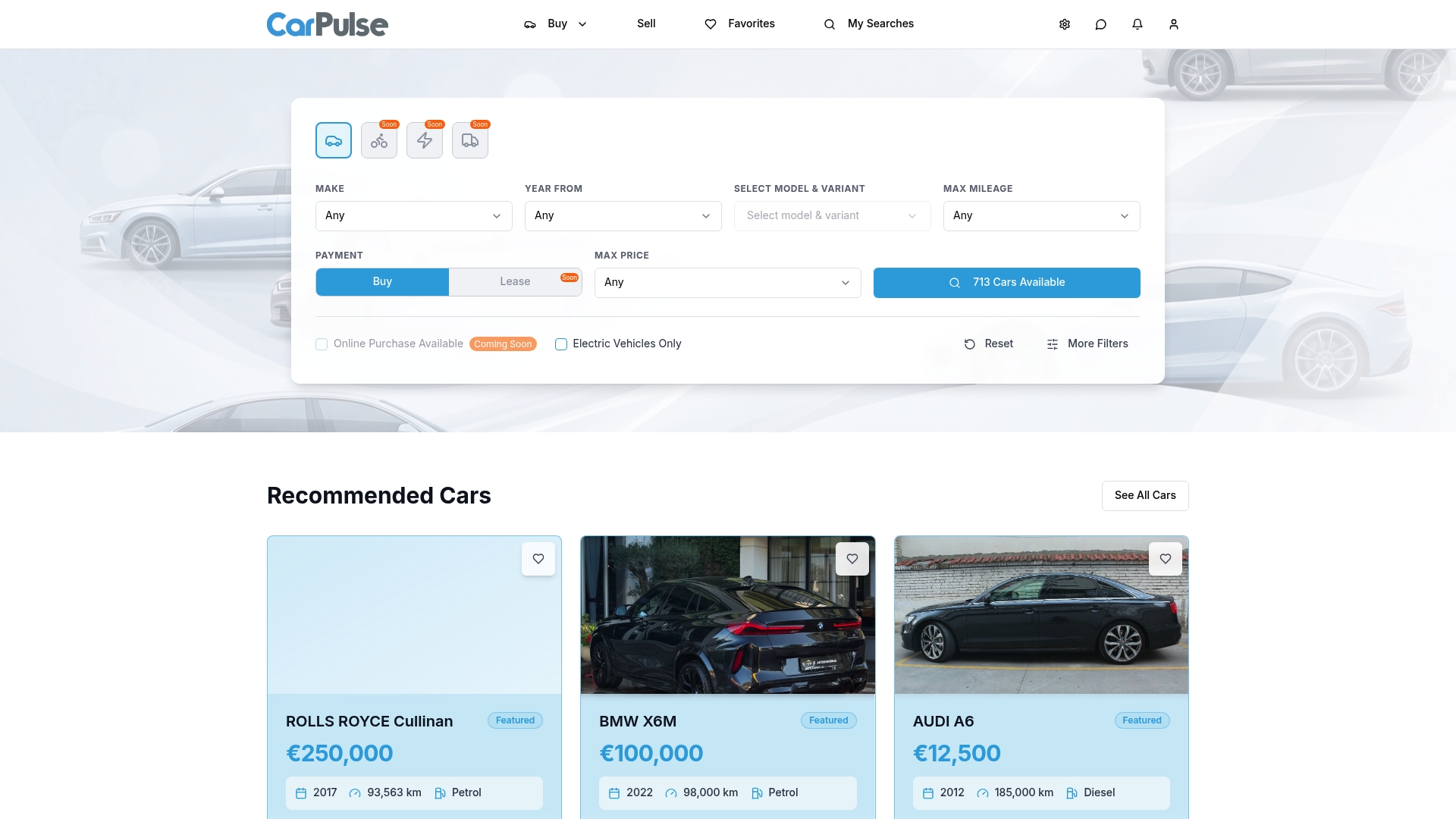
CarPulse is Albania’s largest online car marketplace, connecting buyers with verified private sellers and dealerships across the country. You can filter listings by make, model, year, mileage, price, and fuel type to find vehicles that match your budget and ownership goals. The platform’s VIN-based listing system means every vehicle detail is accurate and verified before it reaches you. Whether you are comparing a financed purchase against a lease or simply browsing what is available in your price range, start your search on CarPulse and make your next ownership decision with real data behind it. You can also read the CarPulse guide to vehicle financing in Albania for a deeper look at loan and leasing structures in the local market.
FAQ
What are the main types of car ownership?
The three main types are outright purchase, leasing, and subscription. Each differs in cost structure, contract length, equity potential, and flexibility.
Is leasing or buying a car cheaper in the long run?
Buying is cheaper over the long term. The breakeven point sits at five to six years, after which ownership costs drop significantly once loan payments end, while lease payments continue indefinitely.
What is a car subscription service?
A car subscription is an all-inclusive monthly plan covering the vehicle, insurance, maintenance, and roadside assistance. It offers more flexibility than a lease but carries higher monthly costs and builds no equity.
Who should consider leasing instead of buying?
Leasing suits drivers who cover fewer than 15,000 miles per year, want a new vehicle every two to three years, and prefer lower monthly payments over building long-term equity.
Can you buy a car at the end of a lease?
Yes. A lease buyout lets you purchase the vehicle at a pre-agreed residual value. This strategy works well when you want to keep a car you already know and trust without starting a new financing cycle from scratch.
Recommended
- Blej Makina në Shqipëri: Udhëzuesi i Plotë | CarPulse.al | CarPulse Albania
- Makina në Shitje: Udhëzuesi i Plotë Blerje/Shitje në… | CarPulse Albania
- Golf në Shitje Shqipëri: Udhëzues Blerje, Modele & Çmime | CarPulse Albania
- Blerja e Makinave Online në Shqipëri: Rritja e EV-ve 2026 | CarPulse Albania