Guides
Types of Car Insurance: a Driver's Guide for Albania
Types of Car Insurance: a Driver’s Guide for Albania
TL;DR:
- Choosing car insurance in Albania requires understanding mandatory liability coverage and optional protections based on your vehicle and risk. Adequate coverage depends on factors like vehicle value, financing, budget, and environment, making personalized assessment essential. Regular policy reviews help ensure protection keeps pace with changes in your driving situation and financial needs.
Choosing car insurance in Albania is not as simple as picking the cheapest policy and moving on. There are multiple types of car insurance to understand, and each one covers a different set of risks. Pick too little coverage and a single accident could cost you everything. Pick more than you need and you’re throwing money away every month. This guide breaks down every major auto insurance type clearly, with practical guidance tailored for Albanian drivers who want to protect their vehicles and their wallets.
Table of Contents
- Key takeaways
- 1. Types of car insurance: what you need to know first
- 2. Liability insurance: the mandatory coverage every driver needs
- 3. Collision insurance: protection when crashes happen
- 4. Comprehensive insurance: coverage beyond the crash
- 5. Uninsured and underinsured motorist coverage
- 6. Medical payments coverage and personal injury protection
- 7. Gap insurance: when your loan is bigger than your car’s value
- 8. Roadside assistance and other practical add-ons
- 9. Comparing all main car insurance types at a glance
- My honest take on car insurance decisions in Albania
- Ready to find your next car in Albania?
- FAQ
Key takeaways
| Point | Details |
|---|---|
| Liability is mandatory | Every driver in Albania must carry liability coverage or face serious legal consequences. |
| Collision vs. comprehensive differ | Collision covers crash damage; comprehensive covers theft, weather, and other non-collision events. |
| Financing changes your requirements | Lenders typically require both collision and comprehensive when you finance or lease a vehicle. |
| Extra coverages add real value | Add-ons like uninsured motorist coverage and roadside assistance can protect you in gaps standard policies miss. |
| No single policy fits everyone | Your ideal coverage depends on your vehicle’s value, your budget, and your personal risk tolerance. |
1. Types of car insurance: what you need to know first
Before you compare policies, you need a clear framework. Car insurance options fall into two main groups: coverages the law requires and coverages you choose based on your situation.
In Albania, mandatory coverage is non-negotiable. Optional coverages exist to fill the gaps left by the legal minimum. The right combination depends on several factors:
- Vehicle age and value: Older cars with low market value may not justify the cost of full optional coverage.
- Financing or leasing status: If you’re paying off a car loan or leasing, your lender almost certainly requires additional coverage. See the vehicle financing guide for how this works in practice.
- Your budget: Higher premiums buy more protection but strain monthly cash flow.
- Risk tolerance: Do you drive frequently on poor roads? In high-theft urban areas? Your environment matters.
You also need to understand basic terms before signing anything. A premium is what you pay monthly or annually. A deductible is what you pay out of pocket before the insurer covers the rest. Coverage limits are the maximum amounts your insurer will pay per claim or per year. Understanding these three numbers is the foundation of any smart insurance decision.
Pro Tip: Don’t just compare premiums. Compare deductibles and coverage limits side by side. A cheaper premium with a sky-high deductible might actually cost you more after an accident.
As insurance experts note, no single policy fits all drivers. Your needs are specific to you.
2. Liability insurance: the mandatory coverage every driver needs
Liability insurance is not optional in Albania. It is the legal floor every driver must meet, and skipping it has serious consequences including fines, license suspension, and personal financial liability.
This coverage works in two parts:
- Bodily injury liability: Pays for medical costs, lost wages, and legal fees for other people injured in an accident you cause.
- Property damage liability: Covers repair or replacement costs for another person’s vehicle or property you damage.
What liability does NOT cover is your own vehicle or your own medical bills. It protects the other party, not you. That’s where additional coverages come in.
Liability insurance is mandatory in nearly every jurisdiction, and Albania is no exception. The consequences of driving without it go beyond fines. If you cause a serious accident and your coverage limits don’t cover the full damages, the injured party can sue you personally. That means your savings, property, and future income could be at risk.
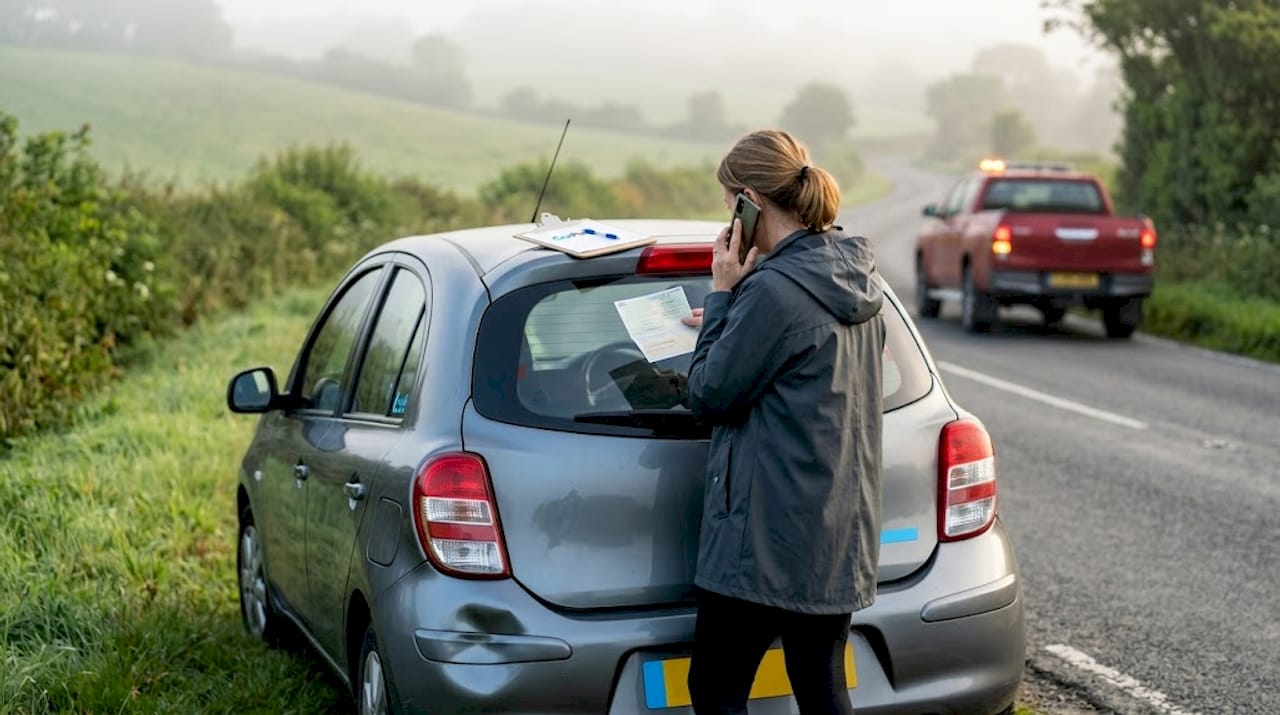
This is why experts strongly recommend carrying limits higher than the legal minimum. The minimum exists to satisfy the law, not to fully protect you. If a lawsuit exceeds your policy limit, you pay the difference out of pocket.
Think about a real scenario: you rear-end a vehicle on the Tirana bypass during rush hour. The other driver has back injuries requiring surgery and their car needs major repair. A bare-minimum policy might cover part of those costs. A higher-limit policy covers the rest so you don’t face a lawsuit.
3. Collision insurance: protection when crashes happen
Collision coverage pays to repair or replace your own vehicle after an accident, regardless of who caused it. Collision insurance covers damage from crashes with other cars, fixed objects like guardrails or walls, and even rollovers.
This is an optional coverage under Albanian law, but it becomes effectively required the moment you finance a vehicle. Lenders don’t want their collateral destroyed and unprotected. If you’re exploring a car loan in Albania, plan for collision coverage as part of your total cost.
When does collision make financial sense without a lender requirement? A simple rule: if your car is worth significantly more than your annual premium plus your deductible, collision is worth having. For older vehicles worth less than 3,000 to 4,000 euros, the math often doesn’t favor paying for it.
4. Comprehensive insurance: coverage beyond the crash
Comprehensive coverage handles losses that have nothing to do with driving into something. Comprehensive insurance covers theft, vandalism, hailstorms, floods, fire, falling objects, and collisions with animals.
For Albanian drivers, this coverage deserves serious consideration. Vehicle theft and weather-related damage are real risks depending on where you live and park. A sudden hailstorm in summer or flooding in low-lying areas can total a vehicle with no collision involved at all.
Here’s a side-by-side comparison of collision versus comprehensive:
| Feature | Collision coverage | Comprehensive coverage |
|---|---|---|
| What triggers it | Impact with another car or object | Theft, weather, fire, animals, vandalism |
| Your fault required? | No | No |
| Covers your vehicle? | Yes | Yes |
| Required by law? | No | No |
| Required by lenders? | Usually yes | Usually yes |
| Typical deductible | 300 to 1,000 euros | 150 to 500 euros |
Together, collision and comprehensive form what is commonly called “full coverage.” But that term can mislead. Full coverage typically bundles liability, collision, and comprehensive, yet it may still exclude items like gap insurance or rideshare coverage without separate add-ons. Always read the policy details.
Pro Tip: If you park outdoors overnight in an area prone to hail or theft, comprehensive coverage pays for itself quickly. Don’t skip it just because it’s optional.
5. Uninsured and underinsured motorist coverage
Not every driver on Albanian roads carries adequate insurance. Some carry nothing at all. If one of those drivers hits you, you could be left with repair bills and medical costs that no one else will pay for.
Uninsured motorist coverage steps in when the at-fault driver has no insurance or flees the scene. Underinsured motorist coverage applies when the other driver has insurance but not enough to cover your damages. Both protect you from paying for someone else’s mistake.
This coverage is particularly worth having in regions where enforcement of mandatory insurance is inconsistent. You can’t control what other drivers do. You can control whether you’re protected when they fail to do what the law requires.
6. Medical payments coverage and personal injury protection
Both of these coverages pay for medical bills after an accident, regardless of who caused it. They differ in scope.
- Medical payments (MedPay): MedPay can cover medical costs for you and your passengers after an accident, whether you caused it or not. It’s relatively affordable and fills gaps your health insurance might leave.
- Personal injury protection (PIP): Broader than MedPay. PIP can also cover lost wages, rehabilitation, and even funeral expenses in serious accidents.
If your private health insurance already covers accident-related injuries with low out-of-pocket costs, MedPay may be redundant. If your health coverage has high deductibles or gaps, MedPay or PIP adds meaningful protection at a modest additional cost.
7. Gap insurance: when your loan is bigger than your car’s value
Gap insurance covers the difference between what you owe on a car loan and what your car is actually worth at the time of a total loss. New vehicles depreciate fast. The moment you drive off the lot, your car may be worth less than your outstanding loan balance.
Without gap coverage, an insurer pays you the current market value of the vehicle. If that amount is less than what you owe the bank, you pay the difference yourself, even though you no longer have the car.
For anyone financing a vehicle in Albania, gap insurance is worth calculating carefully, especially for new cars with small down payments.
8. Roadside assistance and other practical add-ons
Roadside assistance covers towing, battery jumps, flat tire changes, fuel delivery, and lockout service. It’s one of the most affordable add-ons available and one of the most frequently used.
Other add-ons worth knowing about:
- Rental reimbursement: Covers the cost of a rental car while your vehicle is being repaired after a covered claim.
- Rideshare insurance: If you drive for a rideshare platform, your personal policy likely excludes commercial use. Standard policies often exclude commercial use, meaning claims made while you’re driving for hire can be denied entirely. A rideshare endorsement closes that gap.
- Windshield and glass coverage: Separate from comprehensive in some policies, this covers glass damage with no deductible.
These add-ons don’t replace core coverage, but they prevent the kind of out-of-pocket surprises that catch drivers off guard.
9. Comparing all main car insurance types at a glance
Use this table to quickly compare what each coverage does and whether it’s required.
| Coverage type | What it covers | Required in Albania? | Best for |
|---|---|---|---|
| Liability | Injuries and damage to others | Yes | All drivers |
| Collision | Your vehicle in a crash | No (yes if financed) | Newer/financed cars |
| Comprehensive | Theft, weather, non-crash damage | No (yes if financed) | All vehicle owners |
| Uninsured motorist | Costs when other driver lacks coverage | No | High-risk areas |
| MedPay / PIP | Medical bills for you and passengers | No | Drivers with health gaps |
| Gap insurance | Loan balance vs. vehicle value gap | No | Financed new vehicles |
| Roadside assistance | Towing, battery, lockout, fuel | No | All drivers |
| Rideshare endorsement | Commercial driving coverage | No | Rideshare/delivery drivers |
The goal here is not to buy everything. It’s to recognize which combinations match your situation. A young driver in Tirana with a financed sedan needs a different plan than a retiree in Shkodër driving a paid-off vehicle.
My honest take on car insurance decisions in Albania
I’ve watched a lot of Albanian drivers make the same mistake: they buy the cheapest policy that satisfies the legal requirement and stop thinking about insurance until something goes wrong. Then the reality of what they didn’t buy hits them at the worst possible moment.
The counterintuitive truth I’ve come to believe is that the right question is never “what’s the minimum I need?” The right question is “what would an accident actually cost me, and can I absorb that without insurance?” For most people, the answer is no.
What I’ve also seen is that “full coverage” gets treated as a magic phrase when it’s actually just a starting point. Full coverage often omits protections like gap insurance or rideshare coverage. Drivers assume they’re protected, then discover exceptions in the fine print after filing a claim.
My practical advice: review your policy once a year. Your car ages, your loan balance changes, your driving habits shift. The coverage that made sense two years ago may be over-insuring or under-insuring you today. Treat insurance as a living decision, not a one-time checkbox.
— Henri
Ready to find your next car in Albania?
Understanding the different insurance plans that fit your vehicle is one part of confident car ownership. The other part is finding the right vehicle in the first place.
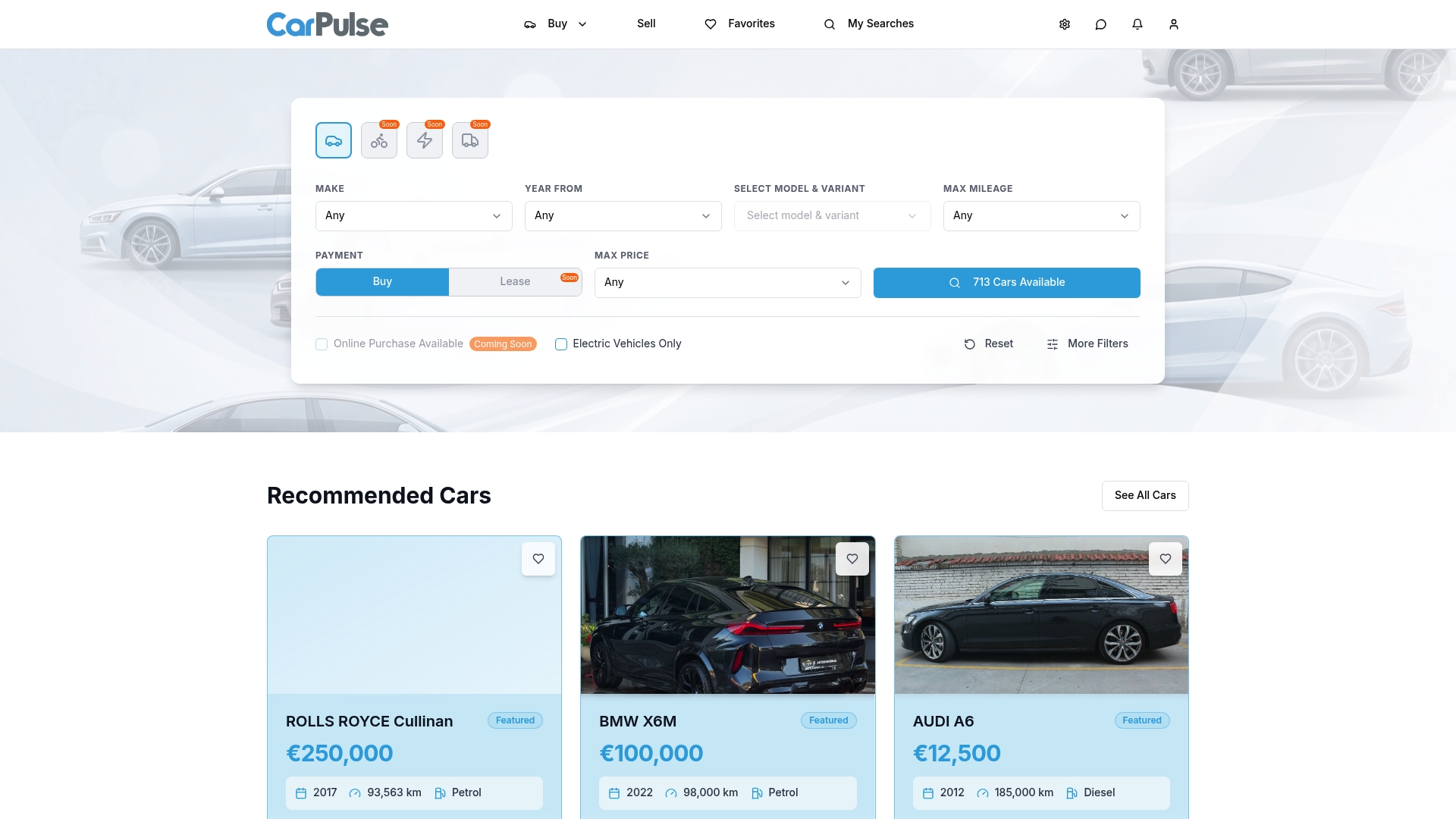
Carpulse is Albania’s largest online car marketplace, where you can browse thousands of new and used vehicle listings filtered by make, model, year, price, and mileage. Whether you’re buying your first car or upgrading, knowing your insurance needs before you shop helps you budget accurately from day one. Explore the full vehicle catalog on Carpulse and find a car that fits both your lifestyle and your coverage plan. If you’re ready to sell, the Carpulse selling platform makes listing your vehicle fast and straightforward.
FAQ
What types of car insurance are required in Albania?
Liability insurance is the only legally required coverage in Albania. All other auto insurance types, including collision and comprehensive, are optional unless your vehicle is financed or leased.
What is comprehensive coverage and how does it differ from collision?
Comprehensive coverage pays for damage from theft, weather, fire, and animals, while collision coverage pays for damage from crashes with other vehicles or objects. Both cover your own vehicle but are triggered by different events.
Do I need collision and comprehensive if my car is old?
Not necessarily. If your vehicle’s market value is close to or less than your annual premium plus deductible, dropping collision and comprehensive may make financial sense. Newer or financed vehicles generally justify keeping both.
What happens if an uninsured driver hits me in Albania?
Without uninsured motorist coverage, you would need to pursue the at-fault driver personally for compensation, which can be difficult and slow. Adding this coverage to your policy protects you financially when the other driver cannot pay.
Is “full coverage” actually full protection?
Not entirely. Full coverage bundles liability, collision, and comprehensive, but it often excludes add-ons like gap insurance, rideshare coverage, and rental reimbursement. Always review your policy to confirm exactly what is and isn’t included.