
Guides
Types of Automotive Fuel: A 2026 Guide for Albanian Drivers
Types of Automotive Fuel: A 2026 Guide for Albanian Drivers
TL;DR:
- Gasoline and diesel remain the primary fuels for Albanian drivers, but alternative options like LPG, CNG, biofuels, hydrogen, and electric power are gaining popularity. Choosing the right fuel depends on vehicle requirements, driving habits, infrastructure availability, and total ownership costs. Electric and hybrid vehicles offer environmentally friendly options, especially with Albania’s hydropower grid, but practical considerations like infrastructure influence their adoption.
Types of automotive fuel are classified into conventional fuels, alternative fuels, and electric power sources, each designed for specific engine types and driving conditions. Gasoline and diesel remain the most common kinds of car fuel types in Albania and across Europe, but LPG, CNG, biofuels, hydrogen, and electricity are gaining real ground. Choosing the right fuel affects your running costs, engine health, and environmental footprint. This guide covers every major fuel category, explains European labeling standards like E10 and B7, and gives Albanian car owners the practical framework to make a confident buying decision.
1. What are the main types of automotive fuel for passenger cars?
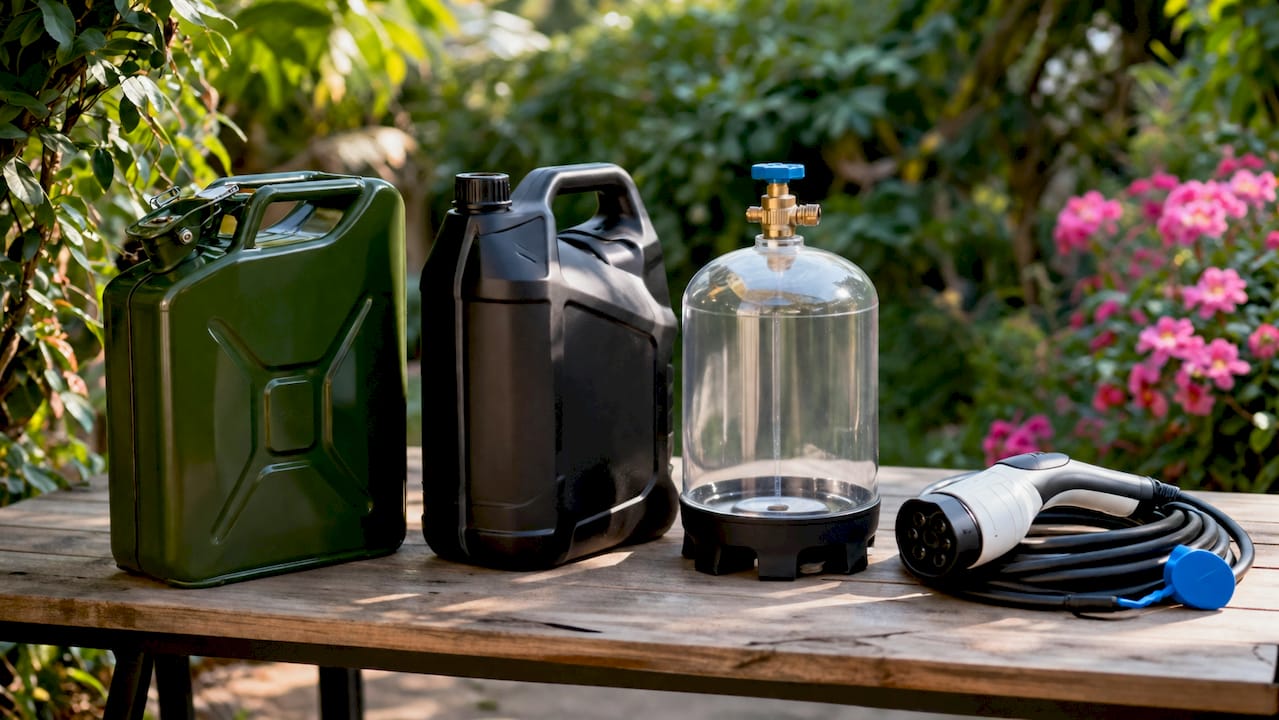
Gasoline and diesel are the two dominant fuel types for passenger vehicles worldwide. Both are petroleum-based, but they work differently and suit different driving profiles.
Gasoline (Petrol)
Standard petrol in Europe as of 2026 is E10, which contains up to 10% bioethanol blended with regular gasoline. Most cars built after 2011 are fully compatible with E10. Older vehicles may require E5, which contains only 5% bioethanol and remains available at many stations as a protected grade. The EU labels petrol pumps with a circular symbol showing the grade code, so you will see a circle marked “E10” or “E5” on the nozzle and filler cap.
Diesel
Diesel is graded by biodiesel content: B7 contains 7% biodiesel, B10 contains 10%, and XTL is a fully synthetic diesel made without petroleum. Diesel delivers more energy per liter than gasoline, which is why it suits long-distance and highway driving. EU diesel pumps carry a square label marked “B7” or “B10.” Misfueling a petrol engine with diesel, or vice versa, causes serious engine damage, so the shape-coded labels exist specifically to prevent that mistake.
Pro Tip: Check your car’s fuel filler cap or owner’s manual for the EU label code before filling up at an unfamiliar station. The code printed there is the minimum grade your engine requires.
| Fuel type | Label shape | Common grade | Best suited for |
|---|---|---|---|
| Petrol | Circle | E10 | City driving, most passenger cars |
| Diesel | Square | B7 | Long-distance, high-mileage drivers |
| Synthetic diesel | Square | XTL | Low-emission diesel applications |
| E5 petrol | Circle | E5 | Pre-2011 vehicles |
2. Which alternative fuels for cars offer real cost and emissions benefits?
Alternative fuels reduce dependence on petroleum and often cut running costs significantly. The main options are LPG, CNG, biofuels, and hydrogen.
LPG (Liquefied Petroleum Gas)
LPG is a byproduct of natural gas processing and oil refining. It burns cleaner than petrol or diesel, producing fewer particulates and lower nitrogen oxide emissions. LPG offers 40%–60% fuel cost savings compared to petrol in markets with established fueling networks. That saving is significant for high-mileage Albanian drivers, though the fueling network in Albania is less developed than in Western Europe.
CNG (Compressed Natural Gas)
CNG burns even cleaner than LPG and is common in commercial fleets and taxis. Many vehicles can be converted to bi-fuel operation, running on both gasoline and CNG with a separate tank installed alongside the original fuel system. This conversion lets drivers switch fuels depending on station availability, which matters in regions where CNG infrastructure is sparse. The conversion is more common in commercial use than private ownership.
Biofuels
Bioethanol and biodiesel are already blended into standard E10 and B7 grades, so most Albanian drivers use biofuels without realizing it. Pure biofuel blends above B20 or E85 require compatible engines and are not widely available at Albanian stations. Their environmental benefit depends heavily on the crop source and production method.
Hydrogen
Green hydrogen, produced using renewable energy, delivers zero CO2 emissions at the point of use. Hydrogen is the most environmentally friendly automotive fuel when the production process itself runs on renewable power. EU fuel labels mark hydrogen pumps with a diamond shape and the code “H2.” Hydrogen fueling stations are extremely rare in Albania and remain limited even across most of Europe, making hydrogen a future option rather than a practical choice today.
For a broader look at how gas vs. electric vehicles compare on environmental and cost grounds, the picture is more nuanced than most marketing suggests.
3. How do electric and hybrid options fit into the fuel picture?
Electric vehicles (EVs) and hybrids represent a different category entirely. They reduce or eliminate the need for liquid fuel, though their environmental benefit depends on where the electricity comes from.
Battery Electric Vehicles (BEVs)
BEVs run entirely on electricity stored in a battery pack. They produce zero tailpipe emissions. Environmental impact depends on the electricity generation source: a BEV charged from a coal-heavy grid produces more lifecycle emissions than one charged from renewables. Albania generates a large share of its electricity from hydropower, which gives Albanian EV drivers a cleaner charging profile than many European counterparts.
Plug-in Hybrid Electric Vehicles (PHEVs)
PHEVs combine a conventional petrol or diesel engine with a rechargeable battery. Drivers can cover short daily distances on electric power alone, then switch to the combustion engine for longer trips. This makes PHEVs a practical middle ground for Albanian drivers who want lower fuel costs in the city but need range confidence on longer routes.
Charging types for Albanian EV drivers
- Level 1 (AC, standard outlet): Slow overnight charging at home, no special equipment needed.
- Level 2 (AC, wallbox): Faster home or workplace charging, requires a dedicated charger installation.
- DC fast charging: Rapid public charging, adds significant range in 20–30 minutes, available at growing numbers of Albanian highway stops.
Pro Tip: If you drive under 50 km per day and have access to home charging, a PHEV or BEV will almost certainly cost less to run than a petrol car over three years, even accounting for the higher purchase price.
Albania’s EV market grew noticeably in 2026, with more listings and more charging infrastructure appearing across major cities. The trend is accelerating, not slowing.
4. What practical factors should Albanian drivers consider when choosing a fuel type?
Fuel choice is not just about price per liter. Several practical factors determine which fuel type actually saves you money and protects your engine over time.
Match fuel to your vehicle’s requirements
Using higher-octane fuel than your engine requires delivers no performance benefit and costs more. Equally, using a lower grade than recommended risks engine knock and long-term damage. Your owner’s manual states the minimum octane rating and the correct fuel label code. Follow it exactly.
Check fuel availability in your area
Petrol and diesel stations are widespread across Albania. LPG stations exist in major cities but are sparse in rural areas. CNG infrastructure is limited. Hydrogen is not commercially available. EV charging is expanding but still concentrated in Tirana and along main highways. Infrastructure and regional differences directly affect which fuel type is practical for your daily route.
Calculate total cost of ownership
Fuel price is only one variable. Consider:
- Purchase price difference between fuel types (diesel cars typically cost more upfront).
- Maintenance costs (diesel engines require more expensive servicing in some cases).
- Fuel consumption per 100 km for your typical driving pattern.
- Insurance and registration costs, which can vary by engine type in Albania.
- Resale value, since EV and hybrid demand is rising while older diesel values are softening in Europe.
Understand EU fuel standards as they apply to Albania
Albania is aligning its regulations with EU standards as part of its accession process. EU standardized fuel labels are already appearing at Albanian stations, and fuel quality standards are tightening. Buying a car compatible with E10 and B7 grades protects you against future pump changes. Checking for eco-friendly car options now positions you ahead of incoming emissions regulations.
For drivers focused on running costs, a list of fuel-efficient cars available in Albania is a practical starting point before committing to a fuel type.
You can also explore fuel quality calibration if you are considering a vehicle conversion or running a non-standard fuel blend, since engine tuning plays a real role in getting the most from alternative fuels.
Key takeaways
Gasoline remains the default fuel for most Albanian drivers, but diesel, LPG, and electric power each offer clear advantages depending on how and where you drive.
| Point | Details |
|---|---|
| Know your fuel label | EU circle labels mean petrol, square means diesel. Match the code on your filler cap. |
| LPG cuts costs significantly | LPG can save 40%–60% on fuel costs versus petrol where infrastructure supports it. |
| EV impact depends on the grid | Albanian hydropower makes EV charging cleaner than in many European countries. |
| Never exceed required octane | Higher-octane fuel than specified wastes money and provides zero engine benefit. |
| Infrastructure shapes your choice | CNG and hydrogen are impractical for most Albanian drivers due to limited station coverage. |
What I’ve learned watching Albanian drivers pick the wrong fuel
The most common mistake I see Albanian car buyers make is choosing a fuel type based on price per liter alone, without accounting for the full picture. A driver who buys a diesel car for the fuel economy then discovers that diesel servicing costs and the higher purchase price wipe out the savings within two years. That math only works if you drive more than 25,000 km per year.
The second mistake is ignoring EU fuel label changes. Albania is moving toward full EU fuel standard adoption, and drivers running older cars on E5 petrol need to check compatibility now, not when E5 disappears from their local station. The fuel type filter on Carpulse is one of the most underused tools on the platform. Buyers search by price and model, but filtering by fuel type first would save a lot of post-purchase regret.
My honest view on hydrogen and CNG: they are not practical choices for private Albanian drivers in 2026. The infrastructure simply is not there. LPG is the one alternative fuel that makes genuine financial sense for high-mileage drivers in cities where LPG stations exist. For everyone else, the real decision is between a modern petrol car, a diesel if you drive long distances regularly, and a PHEV or BEV if you have home charging access.
The environmental argument for EVs is real in Albania specifically, given the hydropower grid. But the purchase price remains a barrier. Watch that gap close over the next two to three years as used EV supply increases.
— Henri
Find your next car by fuel type on Carpulse
Understanding fuel types is only half the decision. The other half is finding a vehicle that matches your fuel preference, budget, and driving needs in the Albanian market.
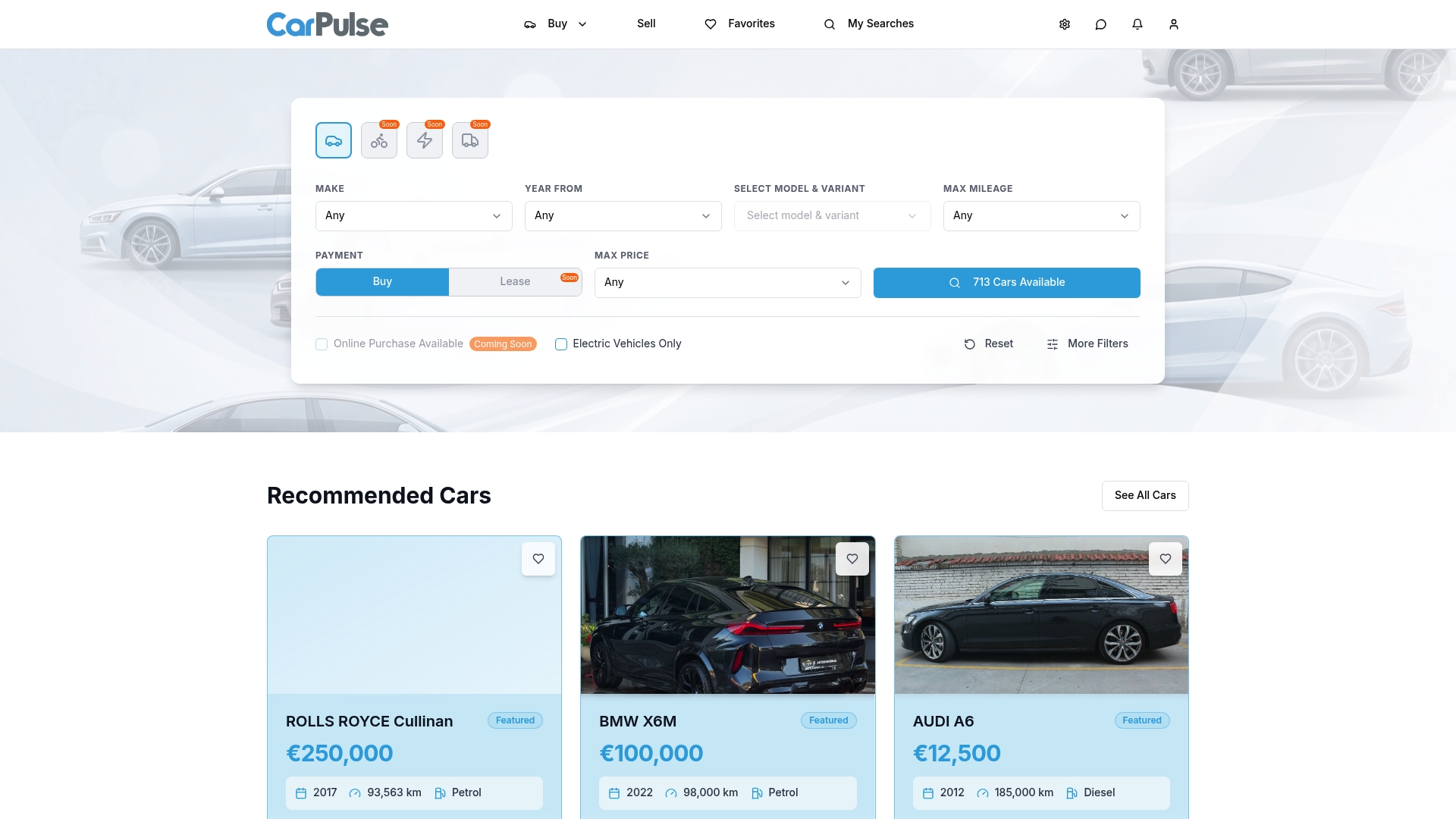
Carpulse is Albania’s largest car marketplace, with listings from private sellers and verified dealerships filtered by fuel type, make, model, year, and price. Whether you are looking for a fuel-efficient petrol car, a long-range diesel, or an electric vehicle with a clean charging profile, you can browse all listings and compare options in one place. The VIN-based listing system means vehicle details are accurate, not guesswork. Download the Carpulse app on iOS or Android and search on the go.
FAQ
What is the standard petrol grade in Europe in 2026?
Standard petrol in Europe as of 2026 is E10, containing up to 10% bioethanol. E5 remains available for older vehicles not compatible with E10.
Is diesel better than gasoline for Albanian drivers?
Diesel suits drivers covering long distances regularly, typically above 25,000 km per year, due to its higher energy density and better fuel economy on highways. For city driving, petrol is usually more practical and cheaper to maintain.
What does the EU fuel label shape mean?
A circle on the pump means petrol (E5 or E10), a square means diesel (B7 or B10), and a diamond means hydrogen (H2). These shapes appear on pumps and fuel filler caps across Europe to prevent misfueling.
Is LPG available in Albania?
LPG is available at stations in major Albanian cities but coverage is limited in rural areas. It offers significant cost savings over petrol but requires a compatible or converted vehicle.
Are electric vehicles a practical choice in Albania in 2026?
EVs are practical for Albanian drivers with access to home charging and daily distances under 50 km. Albania’s hydropower-heavy electricity grid makes EV charging relatively clean, and public charging infrastructure is expanding in Tirana and along main highways.