Guides
The Role of Warranty in Your Car Purchase Decision

The Role of Warranty in Your Car Purchase Decision

TL;DR:
- A car warranty is a contract that covers repairs for defective parts within a specific period or mileage, protecting buyers from costly unexpected expenses. It includes factory and extended warranties, each with different coverages, durations, and limitations, but does not cover routine maintenance or damages from accidents. Purchasing an extended warranty is most beneficial when it aligns with ownership plans, that the contract terms are verified, and buyers avoid common pitfalls like deceptive marketing or overlapping coverage.
A car warranty is a contract that promises to repair or replace defective parts for a defined period or mileage, protecting buyers from unexpected repair costs that can easily reach thousands of dollars. The role of warranty in car purchase decisions goes far beyond a checkbox on a dealer’s paperwork. It defines your financial exposure, shapes your total cost of ownership, and determines whether a breakdown becomes a minor inconvenience or a serious budget crisis. Understanding how warranties work, what they cover, and when they are worth buying is one of the most practical skills any car buyer can develop.
What types of car warranties exist and what do they cover?
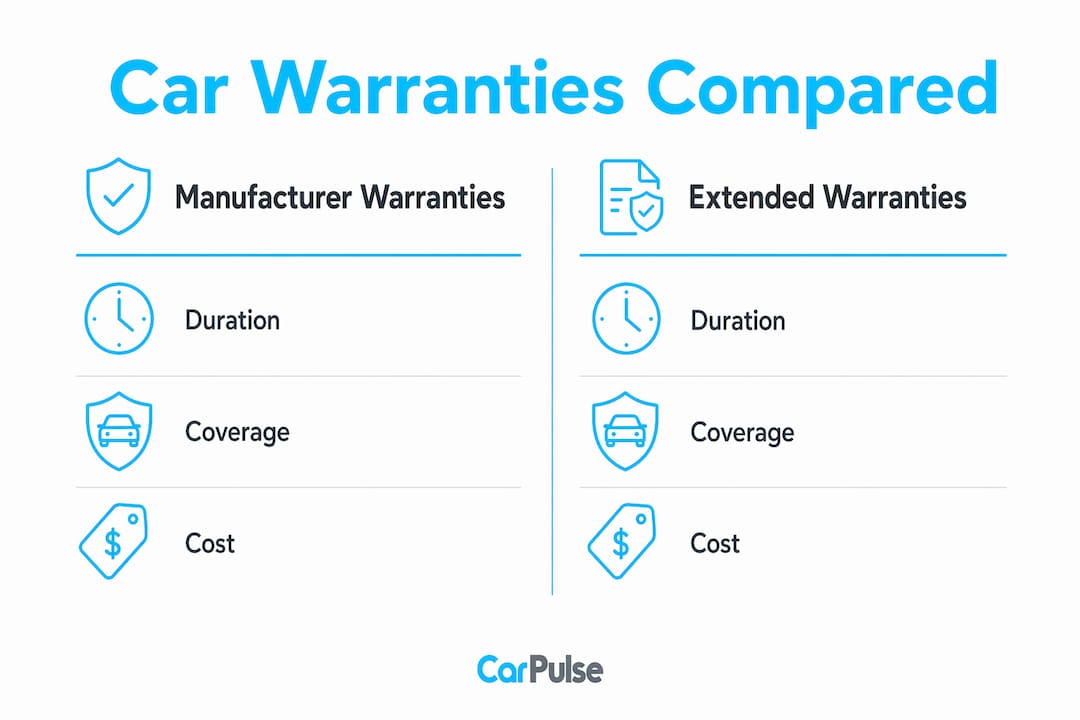
A car warranty falls into two broad categories: manufacturer warranties and extended warranties, also called service contracts. Each works differently, covers different things, and comes with its own set of limitations.
Manufacturer (factory) warranties
Manufacturer warranties typically last at least 3 years or 36,000 miles and cover most defects excluding routine maintenance and wear items. That means a factory warranty on a new Toyota Camry or Volkswagen Golf covers engine failures and electrical defects but not brake pads, tires, or oil changes. Most manufacturers also offer a separate powertrain warranty extending to 5 years or 60,000 miles, covering the engine, transmission, and drivetrain. A few brands, including Hyundai and Kia, offer 10-year or 100,000-mile powertrain coverage, which is a meaningful differentiator when comparing models.
Extended warranties and dealer service contracts
Extended warranties on used cars are optional contracts that activate after the factory warranty expires, costing several hundred to thousands of dollars annually with possible deductibles. These are technically “service contracts” under Federal Trade Commission (FTC) definitions, not warranties in the legal sense. The distinction matters because service contracts are regulated differently and carry different consumer protections. A dealer might sell you a service contract from a third-party provider like CarShield or American Auto Shield, or from the manufacturer’s own certified program.
Here is a comparison of the main warranty types available to car buyers:
| Warranty type | Coverage scope | Typical duration | Who provides it |
|---|---|---|---|
| Bumper-to-bumper | Nearly all components except wear items | 3 years / 36,000 miles | Manufacturer |
| Powertrain | Engine, transmission, drivetrain | 5 years / 60,000 miles | Manufacturer |
| Certified pre-owned (CPO) | Inspected used vehicles, varies by brand | 1 to 7 years depending on brand | Manufacturer or dealer |
| Extended warranty / service contract | Selected components, varies by contract | Varies, often 1 to 5 years | Dealer or third party |
Key exclusions to watch across all warranty types:
- Routine maintenance (oil changes, tire rotations, filters)
- Wear items (brake pads, clutch, wiper blades)
- Damage from accidents, floods, or misuse
- Pre-existing conditions on used vehicles
- Cosmetic issues like paint fading or upholstery wear
A car warranty covers mechanical failures and defects in workmanship, not accidents or liability. That last point is where many buyers get confused, and the next section addresses it directly.
How does warranty influence the financial side of buying a car?
Warranty coverage is a financial instrument as much as it is a repair promise. The importance of car warranty becomes clearest when you look at what major repairs actually cost without coverage.

Warranty vs. insurance: a critical distinction
A warranty covers defects and mechanical failures. Car insurance covers accidents, theft, and liability. Mercury Insurance defines these as entirely separate products with no overlap. Paying for both is not redundant because they protect against completely different risks. A transmission failure is a warranty claim. A collision is an insurance claim. Confusing the two leads buyers to either over-rely on one product or skip the other entirely.
The real cost of going without coverage
54% of Americans lack funds for a $2,000 emergency expense, which means a single catalytic converter replacement or transmission repair could force many buyers into debt. That statistic reframes the warranty conversation entirely. For most buyers, a warranty is not a luxury. It is a hedge against a financial shock they genuinely cannot absorb.
Extended warranties typically cost between $1,000 and $3,000 for multi-year coverage, with deductibles ranging from $0 to $200 per repair visit. Whether that cost makes sense depends on the car’s reliability history, your savings cushion, and how long you plan to keep the vehicle. Checking a car maintenance budget before committing to a service contract helps you see whether the premium fits your actual financial picture.
Pro Tip: Never finance a warranty without calculating the true cost. Financing a warranty increases your total loan balance and adds interest charges on top of the contract price, sometimes making a $1,500 warranty cost $2,000 or more over the loan term.
The car purchase warranty benefits are real, but they come with trade-offs. Here is an honest look at both sides:
- Financial benefits: Predictable repair costs, protection against major mechanical failures, potential savings on high-cost repairs like engine or transmission work
- Financial drawbacks: Upfront or financed cost, possible deductibles per claim, risk of paying for coverage you never use
- Hidden costs: Interest if financed, administrative fees, and the opportunity cost of money that could sit in an emergency fund instead
When should you consider buying an extended warranty?
Timing and context determine whether an extended warranty adds genuine value or just adds cost. The decision is not one-size-fits-all.
Consider adding a service contract only if you plan to keep the car longer than about 3 years, and buy it before the factory coverage expires. That guidance from NerdWallet reflects a practical truth: the window between factory warranty expiration and the point where a car becomes unreliable is exactly where extended coverage earns its keep.
Here are the scenarios where extended warranty coverage makes the most sense:
- You are buying a used car outside CPO programs. A 5-year-old vehicle with 70,000 miles has no factory coverage left. A service contract fills that gap directly.
- The car has a known reliability weakness. Some models have documented issues with specific components. A service contract covering those components is a targeted hedge.
- You have limited emergency savings. If a $2,500 repair would genuinely strain your finances, the monthly cost of a service contract is cheaper than the alternative.
- You plan to keep the car 5 or more years. The longer you own a vehicle, the more mechanical wear accumulates. Coverage that extends into years 6 and 7 of ownership protects against the highest-risk period.
- You drive high annual mileage. More miles mean faster wear on powertrain components. A mileage-based extended warranty makes sense if you drive 20,000 or more miles per year.
Pro Tip: Warranty overlap is a common mistake. If a manufacturer or certified pre-owned warranty is still active, buying an extended warranty immediately is redundant and less cost-effective. Wait until the factory coverage is within 6 months of expiring before purchasing.
The benefits of extended warranty coverage also depend on the contract terms, not just the label. Always confirm which repair shop you can use, whether rental car coverage is included, and what the claims process looks like before signing.
What are common warranty pitfalls and how do you avoid them?
Understanding car warranties also means understanding where buyers get burned. The fine print in service contracts is where most disappointment lives.
The FTC’s enforcement record tells the story clearly. The FTC sent $9.6 million in refunds to consumers misled by deceptive advertising from CarShield and American Auto Shield. Many buyers paid monthly premiums up to $120 and found that their actual repairs were not covered, despite marketing claims to the contrary. That enforcement action is a direct signal that warranty coverage in auto sales requires active verification, not passive trust.
Many buyers assume full protection without reading the contract, only to discover narrow exclusions when they file a claim. The most common surprises include:
- Pre-existing condition clauses that deny claims on issues present before the contract started
- Approved repair shop restrictions that limit where you can take the vehicle
- Maintenance record requirements that void coverage if you cannot prove regular service
- Rental car reimbursement caps that cover far less than the actual cost
Cancellation rights are another area where buyers leave money on the table. Many states allow a specific window of 10 to 20 days to cancel an extended warranty for a full refund if no claims have been made, with Florida allowing up to 2 months. The Service Contract Model Act governs these timelines, but the rules vary by state. If you buy a service contract and immediately feel uncertain, act within that window.
Before signing any warranty contract, ask these questions directly:
- Which specific components are covered and which are excluded?
- Is this contract backed by the manufacturer or a third-party administrator?
- What is the claims process and which repair shops are approved?
- What are the cancellation terms and refund policy?
- Is the warranty transferable if I sell the car?
Verifying the warranty provider’s reputation through the Better Business Bureau and checking for FTC complaints takes 10 minutes and can save thousands.
Key takeaways
The role of warranty in a car purchase is to define your repair coverage, cap your financial exposure, and give you a contractual right to repairs that would otherwise cost thousands out of pocket.
| Point | Details |
|---|---|
| Warranty vs. insurance | Warranties cover defects and mechanical failures; insurance covers accidents and liability. Never confuse the two. |
| Factory warranty limits | Manufacturer coverage typically lasts 3 years or 36,000 miles and excludes wear items like tires and brake pads. |
| Extended warranty timing | Buy a service contract before factory coverage expires and only if you plan to keep the car more than 3 years. |
| Financial risk without coverage | 54% of Americans cannot cover a $2,000 emergency, making warranty protection financially meaningful for most buyers. |
| Verify before you sign | FTC enforcement against CarShield proves deceptive warranty marketing is real. Read the contract and confirm coverage terms. |
Why I think most buyers treat warranties as an afterthought
I have reviewed hundreds of car purchase decisions, and the pattern is consistent. Buyers spend weeks comparing horsepower figures and trim levels, then spend 90 seconds on the warranty section of the purchase agreement. That imbalance is where financial pain originates.
The buyers who get the most value from warranties are not the ones who buy the most coverage. They are the ones who read the contract, match the coverage to their actual driving profile, and buy at the right time. A buyer keeping a used Honda CR-V for 7 years gets real value from a powertrain service contract. A buyer trading in every 3 years probably does not.
What concerns me most in 2026 is the rise of third-party warranty marketing through phone calls, mailers, and social media ads. The FTC’s $9.6 million enforcement action against CarShield is not an isolated case. It reflects a broader pattern of companies selling the idea of coverage rather than actual coverage. The maintenance records you keep and the contract terms you verify are your only real defenses.
My honest recommendation: treat the warranty decision the same way you treat the vehicle inspection. Get the facts in writing, verify the provider, and make the call based on your specific situation. A warranty label means nothing without the contract terms to back it up.
— Henri
Find your next car with confidence on CarPulse
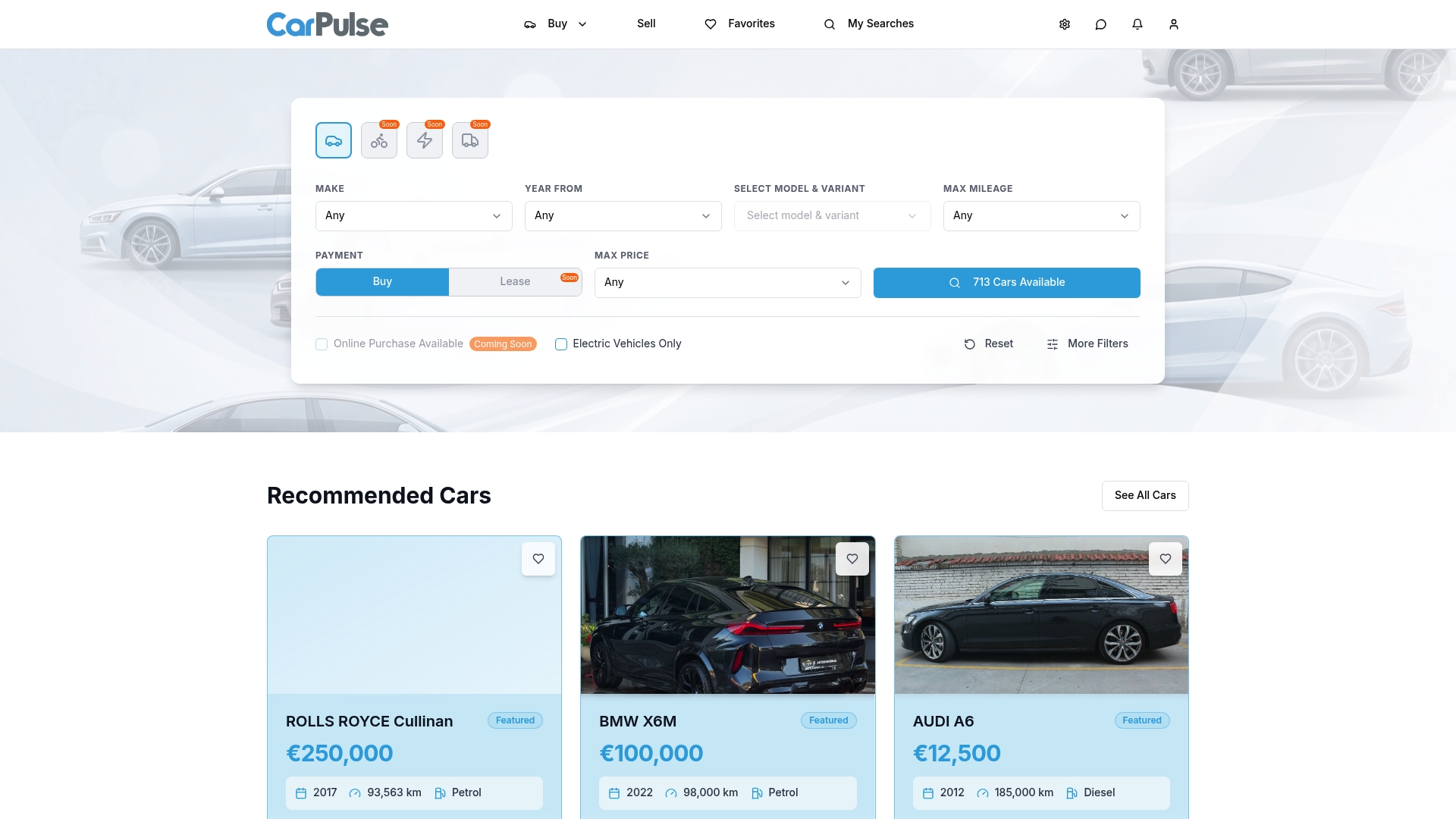
CarPulse is Albania’s largest car marketplace, connecting buyers with verified dealerships and private sellers across the country. When you browse listings on CarPulse, you get full vehicle details populated directly from the VIN, so you know exactly what you are looking at before you contact a seller. That transparency extends to warranty status. Verified dealers on the platform disclose coverage terms, giving you the information you need to compare not just price and mileage, but the protection that comes with each vehicle. Whether you are searching for a new car with full factory coverage or a used vehicle where a service contract makes sense, CarPulse gives you the tools to find verified cars and make a confident decision.
FAQ
What does a car warranty actually cover?
A car warranty covers mechanical failures and defects in parts or workmanship for a defined period or mileage. It does not cover accidents, routine maintenance, or normal wear items like tires and brake pads.
How is a car warranty different from car insurance?
A warranty covers repair costs from defects and mechanical failures. Car insurance covers accidents, theft, and liability. The two products address completely different risks and neither replaces the other.
When is the best time to buy an extended warranty?
Buy an extended warranty before the manufacturer’s factory coverage expires, and only if you plan to keep the vehicle for more than 3 years. Buying too early creates redundant coverage overlap.
Can I cancel an extended warranty after purchase?
Most states allow cancellation within 10 to 20 days for a full refund if no claims have been filed, with some states like Florida allowing up to 2 months. Check your state’s rules under the Service Contract Model Act.
How do I know if a warranty provider is legitimate?
Check the provider’s record with the Better Business Bureau and search for FTC complaints. The FTC’s action against CarShield, which resulted in $9.6 million in consumer refunds, shows that deceptive warranty marketing is a documented problem worth verifying against.
Recommended
- Pse të Blini Makina të Verifikuara? Besueshmëri, Vlerë… | CarPulse Albania
- Blej Makina në Shqipëri: Udhëzuesi i Plotë | CarPulse.al | CarPulse Albania
- Provë me Makinë të Përdorur: Udhëzues i Plotë për Shqipërinë | CarPulse Albania
- Si të provoni një makinë të përdorur: udhëzues i plotë… | CarPulse Albania