Guides
Why Regular Car Maintenance Boosts Safety and Value
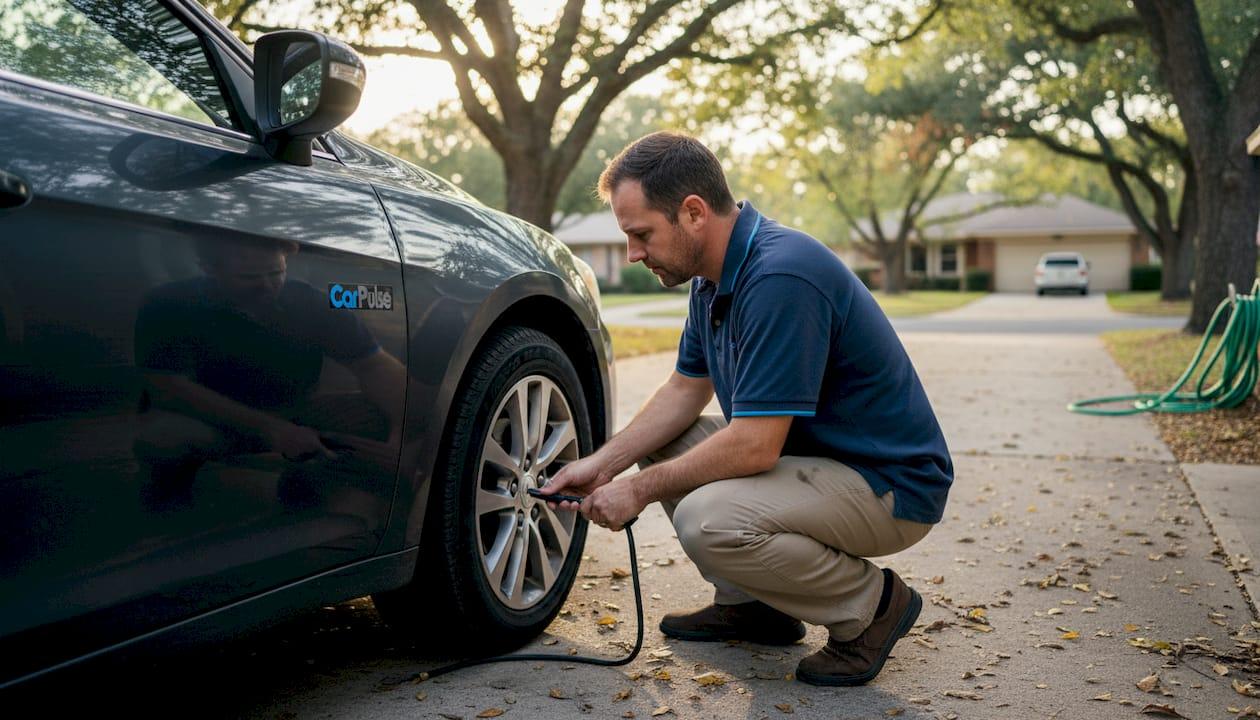
Why Regular Car Maintenance Boosts Safety and Value
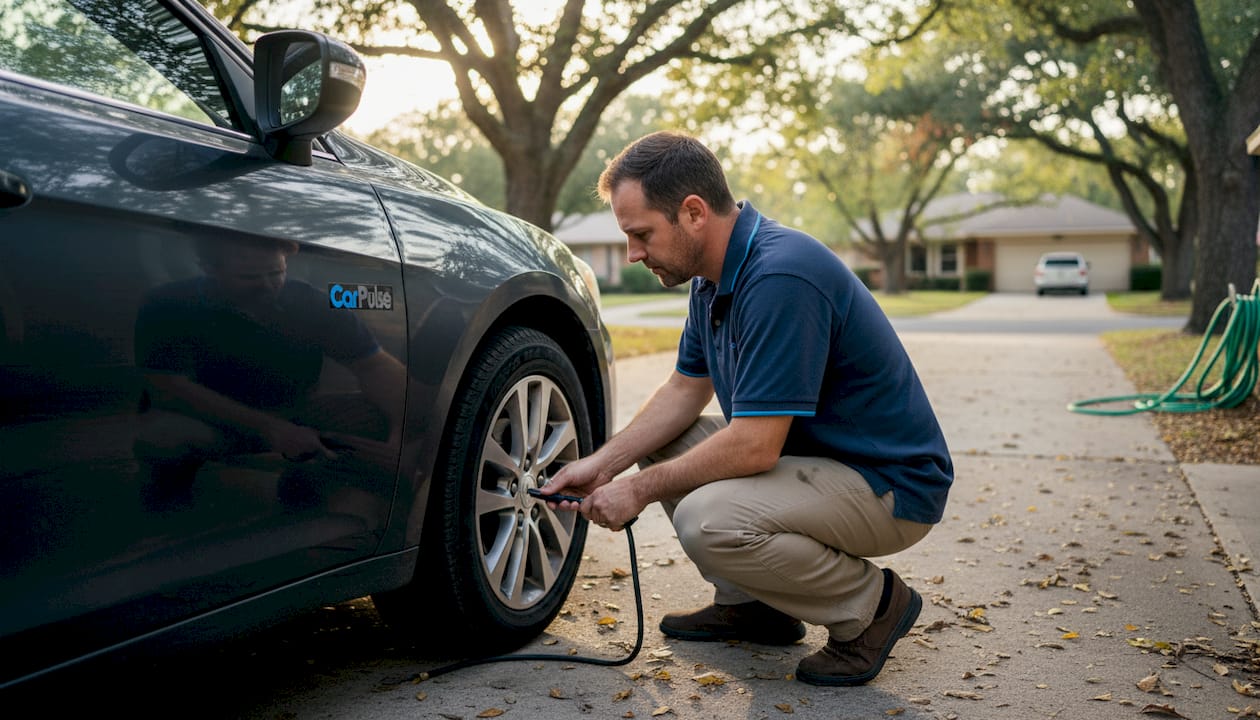
TL;DR:
- Regular maintenance enhances vehicle longevity, safety, and resale value in Albania.
- Severe driving conditions require more frequent servicing than standard schedules.
- Proper upkeep prevents costly repairs and ensures passing mandatory annual inspections.
Skipping routine car maintenance feels like saving money until your engine fails on a mountain road outside Elbasan and the repair bill hits 400,000 ALL. Most Albanian drivers underestimate how quickly small neglected issues compound into expensive emergencies. Add the reality of mandatory annual inspections, a high share of imported used vehicles with murky histories, and roads that punish cars harder than most of Europe, and the stakes get real fast. This article covers what regular maintenance actually involves, what you genuinely gain from it, the traps to avoid, and a practical framework for keeping your car running longer and safer on Albanian roads.
Table of Contents
- What does regular car maintenance involve?
- The real benefits: Longevity, safety, and cost savings
- Common pitfalls and Albanian-specific traps
- Key frameworks for smarter maintenance: Schedules and strategies
- Perspective: What most Albanian drivers overlook about maintenance
- Ready to protect your car’s value?
- Frequently asked questions
Key Takeaways
| Point | Details |
|---|---|
| Maintenance saves money | Regular upkeep prevents expensive repairs and gives a high return on investment. |
| Safety and reliability | Proper maintenance reduces breakdowns and helps pass Albanian vehicle inspections. |
| Customize your schedule | Albanian conditions may require more frequent service than standard schedules suggest. |
| Avoid unnecessary services | Stick to your owner’s manual and be cautious of upselling for non-essential extras. |
What does regular car maintenance involve?
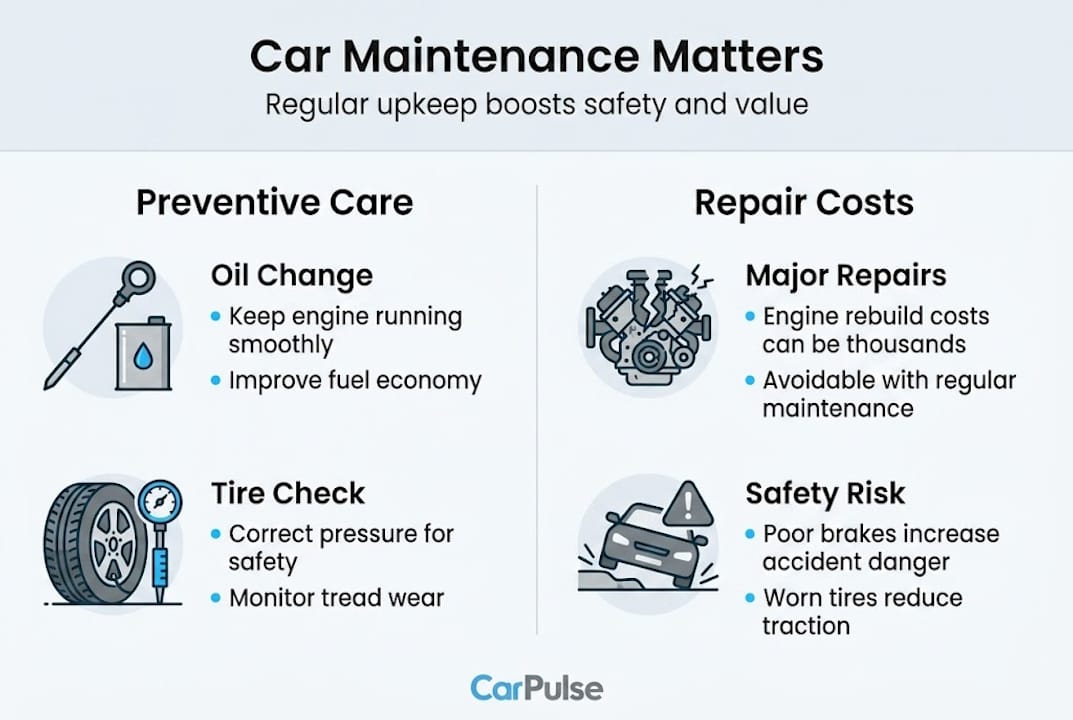
Maintenance is not one thing. It splits into three categories worth knowing. Preventive maintenance is scheduled work done before anything breaks: oil changes, filter swaps, tire rotations. Predictive maintenance uses observation and diagnostics to spot problems early, like noticing a brake pad is thin before it starts grinding. Routine maintenance is everything in between, from topping up fluids to checking tire pressure. Together, they form a system that keeps your car predictable and safe.
Schedules matter, and the numbers are straightforward. Manufacturer schedules call for oil changes every 5,000 to 10,000 miles, tire rotations every 5,000 to 8,000 miles, and brake inspections at every oil change. That is the baseline for normal driving conditions. Albania, however, is not a normal driving condition for most of its roads.
Dust from unpaved roads, steep mountain grades, stop-and-go city traffic in Tirana and Durrës, and short cold-start trips all push your car into what manufacturers call severe duty. Severe duty means your engine, brakes, and fluids degrade faster. You should be servicing closer to the lower end of every interval range, not the upper end. Check maintenance tips for Albanian roads to understand how local conditions change what your car actually needs.
Here is a quick reference for essential maintenance items:
- Engine oil and filter: Every 5,000 to 7,500 km under severe conditions
- Tire rotation: Every 8,000 to 12,000 km
- Brake inspection: Every oil change, more often if you drive mountain roads
- Air filter: Every 20,000 km, sooner in dusty areas
- Coolant flush: Every 60,000 km or per manufacturer spec
- Transmission fluid: Every 40,000 to 60,000 km depending on usage
- Spark plugs: Every 30,000 to 100,000 km depending on plug type
Pro Tip: Your owner’s manual lists two schedules: normal and severe. If you drive short trips, mountain routes, or unpaved roads regularly, always follow the severe schedule. It is not upselling. It is physics.
The real benefits: Longevity, safety, and cost savings
The financial logic of regular maintenance is hard to argue with. Preventive maintenance extends vehicle life and prevents breakdowns by catching small issues before they become engine or transmission failures. A $200 to $400 transmission fluid change is painful but manageable. A transmission replacement runs $3,000 to $9,000. That gap is where maintenance pays for itself.
Average annual maintenance costs run about $936 per vehicle. That figure sounds high until you price a single major repair. Staying current on maintenance does not just save money on repairs. It also directly improves your resale value, which matters even more in Albania where used car buyers are rightfully skeptical about vehicle histories.
| Maintenance item | Preventive cost | Repair cost if neglected |
|---|---|---|
| Transmission fluid change | $200 to $400 | $3,000 to $9,000 |
| Coolant flush | $100 to $150 | $1,500 to $3,000 (engine damage) |
| Brake pad replacement | $150 to $300 | $800 to $1,500 (rotor and caliper damage) |
| Timing belt replacement | $400 to $700 | $2,000 to $5,000 (engine failure) |
The safety argument is just as compelling. Worn brake pads extend stopping distances. Underinflated tires increase blowout risk. Faulty lights can result in fines during inspection. Each of these is a problem that regular maintenance catches and corrects before it puts you or someone else at risk on the road.
For Albanian car owners specifically, passing the annual vehicle inspection is not optional. A failed inspection means you cannot legally drive your car. Keeping your brakes, lights, tires, and emissions system in good condition is the most reliable way to pass without stress. Buyers also pay more for cars with documented maintenance records. If you plan to sell, a well-maintained car listed on a platform that highlights well-maintained cars and resale value gives you a real price advantage over similar cars with no history.
Key safety areas affected directly by maintenance:
- Brake system condition (pads, rotors, fluid)
- Tire tread depth and inflation
- Steering and suspension components
- Lighting and electrical systems
- Windshield wiper condition and washer fluid
Common pitfalls and Albanian-specific traps
Not every mistake comes from doing too little. Some come from doing too much, or paying for services you do not need. Unnecessary maintenance like frequent 3,000-mile oil changes on modern engines or unneeded fluid flushes can waste around $195 per year or more. Some garages recommend these services because they earn more, not because your car needs them.
Here are the most common pitfalls Albanian drivers fall into:
- Skipping essentials while paying for extras. Some owners buy unnecessary add-ons but skip brake inspections or air filter changes. Know your manual.
- Delaying maintenance to save money short-term. This is the most expensive habit. Small delays stack up into major failures.
- Buying imported cars without checking history. Albania imports heavily from Western Europe. 40,000 cars failed inspection in recent years, with 4,500 facing deregistration in 2025 alone. Many were used imports with hidden mileage or undisclosed damage.
- Trusting odometer readings alone. Mileage rollback is a known issue in imported vehicles. Always verify via VIN and service records.
- Ignoring warning lights. In Albania, it is surprisingly common to drive with a check engine light on for months. That light is a diagnostic flag, not decoration.
“A car that fails inspection is not just inconvenient. It is uninsured, unregistered, and illegal to drive. The cost of getting it to pass is almost always higher than the maintenance that would have prevented it.”
Pro Tip: Before buying any used car, especially an import, pull a full VIN history report and compare it against the physical condition of the vehicle. Look at Albanian road conditions maintenance tips to know what specific wear to inspect for in locally driven vehicles.
Key frameworks for smarter maintenance: Schedules and strategies
A generic maintenance schedule is a starting point, not a final answer. Your actual plan should factor in your car’s mileage, your driving environment, and your usage pattern. Here is how to think about it clearly.
The difference between normal and severe duty is significant:
| Service item | Normal schedule | Severe duty schedule |
|---|---|---|
| Engine oil | Every 10,000 km | Every 5,000 to 7,000 km |
| Tire rotation | Every 12,000 km | Every 8,000 km |
| Brake inspection | Every 20,000 km | Every oil change |
| Air filter | Every 25,000 km | Every 12,000 to 15,000 km |
| Transmission fluid | Every 60,000 km | Every 30,000 to 40,000 km |
For high-mileage car maintenance, meaning vehicles over 150,000 km, the rules change. High-mileage vehicles need high-mileage oil every 3,000 to 5,000 miles and transmission service every 30,000 miles. These oils contain conditioners that help aging seals and reduce oil burning. Using regular oil in a high-mileage engine is a false economy.
City driving in Tirana looks easier on a car than highway driving, but it is actually harder. Constant short trips mean the engine never fully warms up, which causes condensation buildup in the oil. Highway driving in contrast allows full thermal cycling, which is cleaner for the engine overall. If your driving is mostly urban, lean toward the more frequent end of every interval.
Practical tips for smarter maintenance in Albania:
- Match your schedule to the manufacturer-recommended service intervals first, then adjust for your conditions
- Keep a physical or digital log of every service done
- If you buy a used car with no records, treat it as if it has never been serviced and start fresh
- Budget monthly for maintenance rather than waiting for a big annual bill
- Use a trusted mechanic who explains what is needed and why, not one who just quotes a price
Perspective: What most Albanian drivers overlook about maintenance
Here is the uncomfortable reality: most car problems we see with Albanian vehicles are not caused by road conditions alone. They are caused by owners who apply generic Western European maintenance rules to vehicles driving Albanian roads. A car maintained on a 10,000 km oil change schedule that spends half its life on mountain gravel roads is a car being quietly neglected, even if the owner thinks they are doing it right.
The imported used car market adds another layer of risk. Many of these vehicles arrive with reset odometers, patched-up cosmetics, and no real service history. Buying on appearance alone and then following a standard schedule is almost always the wrong approach.
The owners who save the most money over time are not the ones who follow the tightest schedules. They are the ones who understand their specific vehicle and conditions well enough to know when to act. That means reading the manual, verifying history, and building a relationship with a mechanic who tells you the truth. For real reliability and peace of mind, knowledge beats routine every single time.
Ready to protect your car’s value?
Regular maintenance is the single most cost-effective investment you can make as a car owner in Albania. It protects your safety, keeps you legal during inspections, and maximizes what your car is worth when it is time to sell.
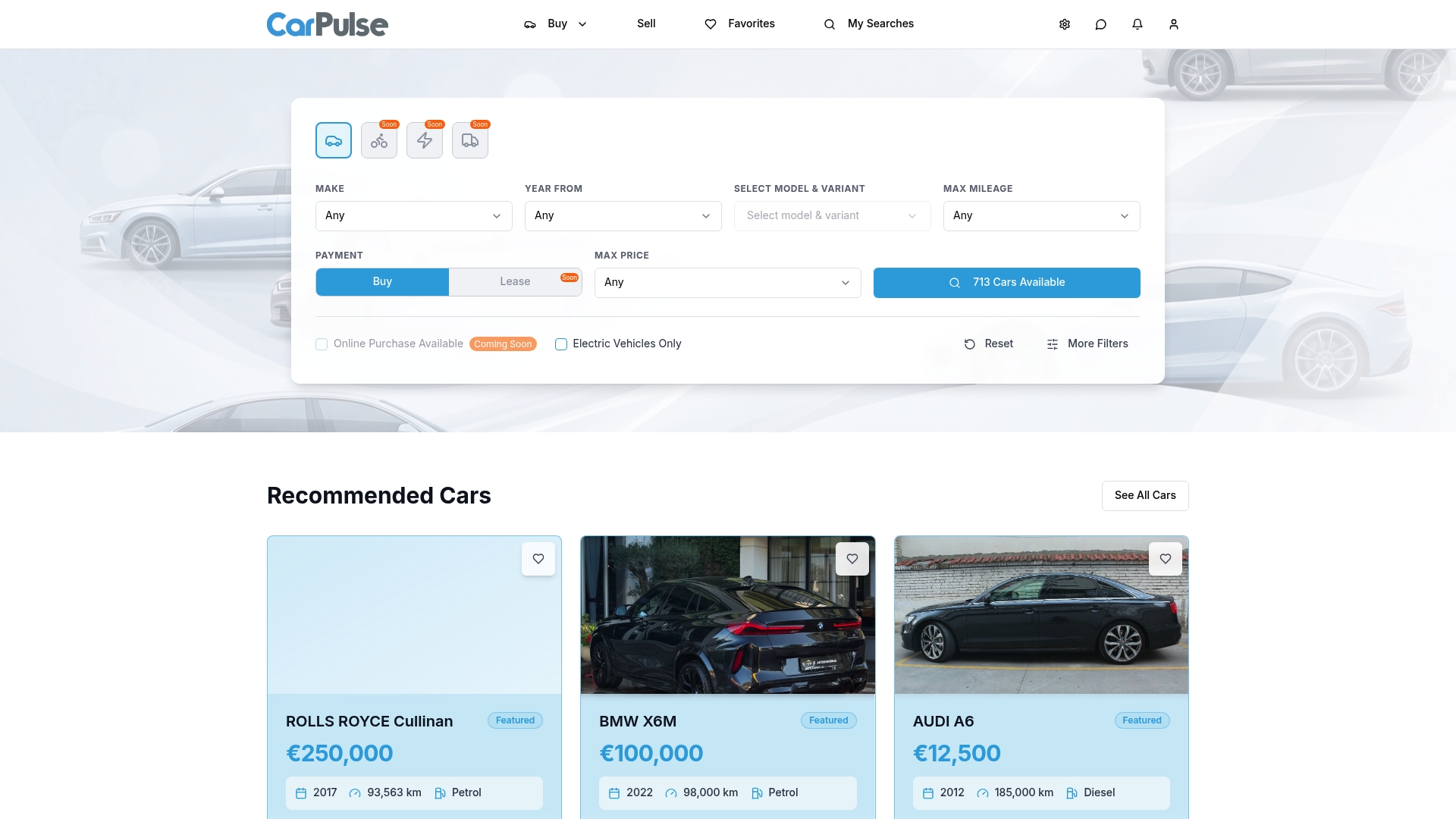
If you are looking for a car that already has a verified history and documented service records, CarPulse makes it easy. You can find verified cars in Albania using filters for make, model, mileage, and fuel type, all on one platform. Every listing from verified dealerships comes with VIN-based details, so you know exactly what you are buying. Read more about why buy verified cars before your next purchase and make a decision you will not regret.
Frequently asked questions
How much does regular maintenance save compared to major repairs?
Sticking to regular maintenance prevents repairs that cost 3 to 9 times more than the preventive service, with some studies showing up to 545% return on investment for proactive upkeep.
How often should I service my car if I mostly drive in Albanian mountains?
Mountain and dusty driving counts as severe duty, so you should increase service frequency by 30 to 50 percent compared to the standard manufacturer schedule.
Do I need high-mileage oil if my car has over 150,000 km?
Yes. High-mileage vehicles benefit from specialized high-mileage oil every 3,000 to 5,000 miles and should have transmission service completed every 30,000 miles to protect aging components.
What happens if my car fails the annual inspection in Albania?
A failed inspection means you cannot legally drive your vehicle until all cited issues are resolved. Failing inspection risks deregistration, as seen with 4,500 vehicles in 2025 alone.