
Guides
Pros and Cons of Leasing Cars: 2026 Buyer's Guide
Pros and Cons of Leasing Cars: 2026 Buyer’s Guide

TL;DR:
- Leasing a car involves paying for depreciation over a fixed period, typically 2 to 4 years. It offers benefits like lower monthly payments, reduced upfront costs, and continuous warranty coverage. However, leasing restrictions include mileage limits, wear and tear fees, and no ownership equity, making it suitable for drivers with predictable habits and short-term vehicle needs.
Car leasing is defined as paying for a vehicle’s depreciation over a fixed term, typically 2–4 years, rather than financing its full purchase price. That single distinction explains why leasing’s primary appeal is lower monthly payments. Drivers who want a newer model every few years, factory warranty coverage throughout the term, and reduced upfront costs find leasing worth serious consideration. The pros and cons of leasing cars are not one-size-fits-all, though. Your mileage habits, financial goals, and tolerance for contract restrictions determine whether leasing or buying makes more sense for you.
1. What are the main financial advantages of leasing a car?

Lease payments are lower because you pay only for the depreciation that occurs during your lease term, not the vehicle’s full value. That structure makes a significant difference in monthly cash flow compared to a traditional auto loan.
The benefits of car leasing from a financial standpoint include:
- Lower monthly payments. You finance the gap between the car’s current value and its residual value at lease end, not the full sticker price.
- Reduced upfront costs. Many leases require little to no down payment, freeing cash for other priorities.
- Warranty coverage. Leased vehicles stay under factory warranty for the entire lease term, which cuts unexpected repair bills significantly.
- Access to premium trims. Lower initial payments allow access to higher trim levels that would be unaffordable to finance outright.
One cost that surprises first-time lessees: lease signing costs include acquisition fees, taxes, and registration, which can add up to thousands of dollars at contract signing. Budget for these before you commit.
Pro Tip: Negotiate the capitalized cost (the vehicle’s agreed sale price within the lease) before discussing monthly payments. Dealers often focus your attention on the monthly figure, but a lower cap cost reduces every payment across the full term.
2. What are the key drawbacks and restrictions of leasing?
Leasing comes with real limitations that can turn a good deal into an expensive one if you ignore them. The most common disadvantages of leasing cars are structural, built into every lease contract.
- Mileage caps. Typical mileage limits run 10,000–15,000 miles annually, with per-mile penalties for every mile over the limit.
- Wear and tear fees. Excess damage beyond normal use triggers additional charges at lease return, assessed by the dealer or leasing company.
- No equity. You build no ownership or resale value at the end of a lease. You return the car and start over.
- Early termination costs. Termination fees can approach the full remaining lease payments, making it very expensive to exit a lease early.
- No modifications. Leased vehicles must be returned in original condition. Aftermarket wheels, tinted windows, or audio upgrades may need to be reversed at your cost.
- Continuous payments. Unlike a loan that ends when the car is paid off, leasing means you always have a monthly payment if you always lease.
The wear and tear standard deserves special attention. “Normal wear” is a subjective judgment made by the leasing company’s inspector. A small door ding that seems minor to you may generate a charge. Document the car’s condition with photos at lease signing and again at return.
Pro Tip: Track your actual annual mileage for three months before signing a lease. Multiply by four to get a realistic yearly figure. Then add a 10% buffer when negotiating your mileage allowance. Paying for extra miles upfront costs far less per mile than the penalty rate at lease end.
3. How does leasing compare to buying in long-term costs?
Buying and leasing serve different financial goals. Neither is universally better. The right choice depends on how long you keep vehicles, how much you drive, and whether ownership matters to you.
| Factor | Leasing | Buying |
|---|---|---|
| Monthly payment | Lower (depreciation only) | Higher (full vehicle price) |
| Upfront cost | Low to moderate | Higher (down payment typical) |
| Ownership at end | None. Return the car. | Full. Sell or keep it. |
| Equity buildup | Zero | Builds with each payment |
| Mileage freedom | Restricted (10,000–15,000 miles/year) | Unlimited |
| Modification freedom | Restricted | Unrestricted |
| Long-term cost | Higher if you always lease | Lower if you keep the car long-term |
| Tech obsolescence risk | Low. Lessor absorbs depreciation. | Higher. You absorb resale loss. |
Buying builds equity. Every loan payment moves you closer to owning an asset you can sell or trade. Leasing produces no asset. You pay for use, not ownership. Over a 10-year period, a buyer who keeps their vehicle after the loan ends drives payment-free. A lessee who rolls from one lease to the next never reaches that point.
That said, leasing transfers the risk of a vehicle losing value faster than expected. This matters most with electric vehicles. Leasing transfers resale value risk in fast-moving technology sectors to the lessor, not the driver. If you lease an EV and battery technology improves dramatically, you simply return the car and lease a newer model. If you bought that same EV, you absorb the depreciation hit when you sell.
For a deeper look at how vehicle financing works in Albania, including local loan and leasing structures, Carpulse’s financing guide covers the market in detail.
4. Which drivers benefit most from leasing?
Leasing suits drivers who prioritize low monthly payments and want to drive the latest models without committing to long-term ownership. The benefits of vehicle leasing are most pronounced for a specific type of driver.
Leasing works best for you if:
- You drive a predictable, moderate number of miles each year, well within the 10,000–15,000 mile annual cap.
- You want a new car every 2–4 years and dislike the hassle of selling or trading a vehicle.
- You value having warranty coverage at all times and want to avoid repair surprises.
- You are considering an electric vehicle and want protection against rapid technology changes.
- You prefer lower monthly payments over building ownership equity.
Leasing is a poor fit if:
- You drive more than 15,000 miles per year. Mileage penalties will erase the payment savings quickly.
- You want to modify your vehicle with aftermarket parts or a custom paint job.
- You plan to keep a car for 7–10 years. Long-term ownership is almost always cheaper than perpetual leasing.
- You need flexibility to exit the vehicle contract early without heavy financial penalties.
Leasing is sensible when you can predict your driving habits and want warranty coverage without resale risk. Unpredictable life changes, like a new job with a long commute, can turn a good lease into a costly one fast.
Understanding how engine condition affects car value is also worth knowing if you are weighing the long-term financial picture of ownership versus leasing.
Key Takeaways
Leasing a car costs less month to month but produces no ownership equity, making it the right choice only when your driving habits and financial goals align with its strict contract terms.
| Point | Details |
|---|---|
| Lower monthly payments | Lease payments cover depreciation only, not the vehicle’s full price. |
| No equity at lease end | You return the car and own nothing, unlike a paid-off loan. |
| Mileage limits matter | Exceeding 10,000–15,000 annual miles triggers costly per-mile penalties. |
| Leasing hedges EV risk | Lessors absorb depreciation if EV technology changes rapidly during your term. |
| Early exit is expensive | Termination fees can equal the full remaining balance on your lease. |
My honest take on leasing in 2026
I have watched drivers make the same mistake repeatedly. They see the lower monthly payment, sign the lease, and never read the mileage clause carefully. Two years later, they are staring at a $2,000 overage bill at lease return. The payment savings evaporated.
That said, leasing is not a bad deal. It is a specific deal. For drivers who want a new car every three years, stay under 12,000 miles annually, and value the peace of mind that comes with full warranty coverage, leasing delivers exactly what it promises. The math works cleanly for that profile.
Where I think leasing genuinely shines in 2026 is with electric vehicles. EV technology is moving fast. Battery range, charging speed, and software capabilities are improving year over year. Buying an EV today means absorbing whatever depreciation hits when a better model arrives. Leasing lets you hand the car back and step into the next generation without taking that loss. Leasing mitigates rapid EV obsolescence risks by shifting depreciation uncertainty to the lessor. That is a real financial advantage, not a marketing line.
Read the lease agreement in full before signing. Pay attention to the residual value, the money factor (the lease equivalent of an interest rate), and the exact wear and tear standards. Those three items determine whether your lease is a good deal or an expensive one.
— Henri
Finding the right vehicle on Carpulse
Deciding between leasing and buying starts with knowing what vehicles are actually available to you and at what price.
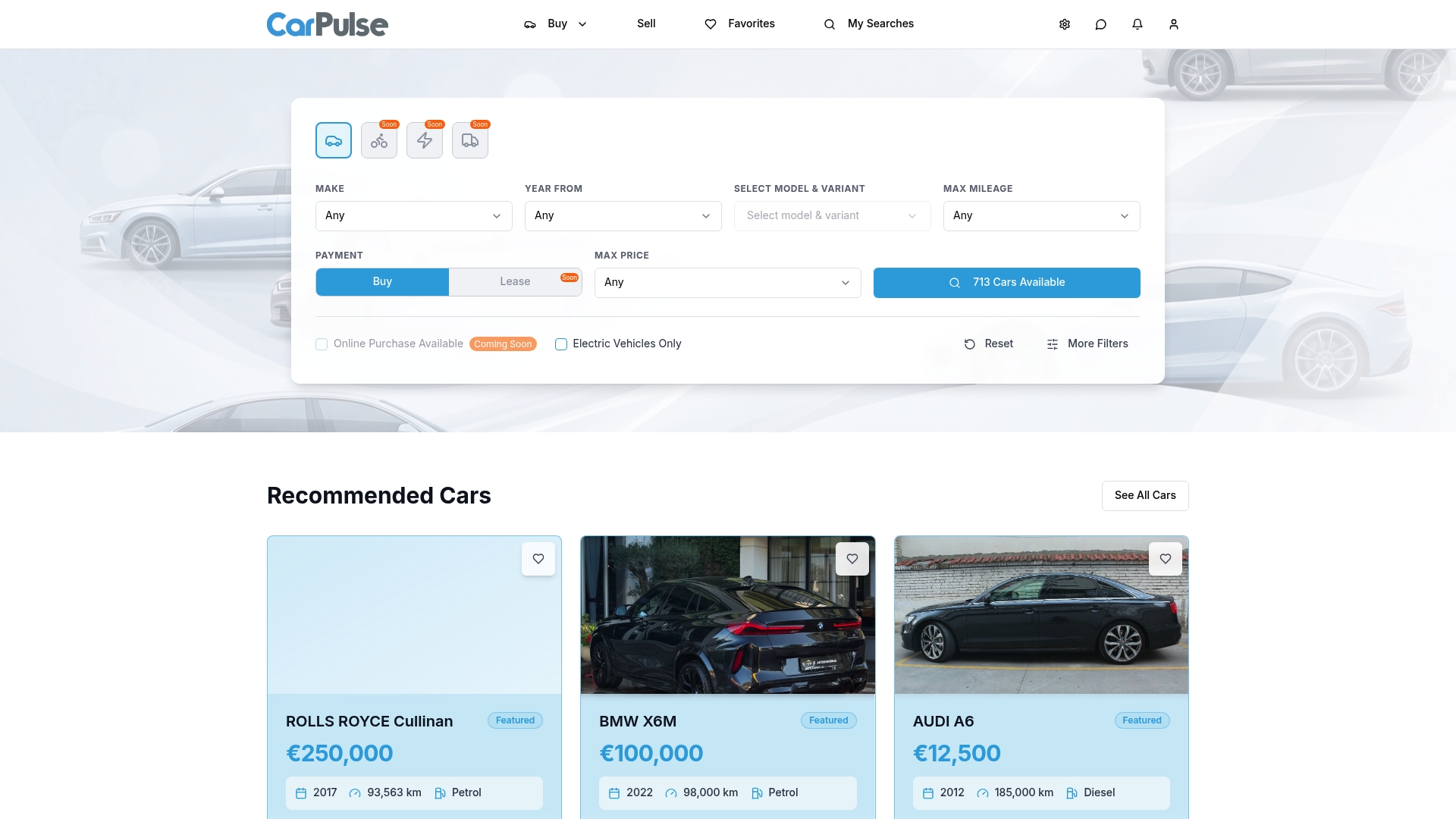
Carpulse is Albania’s largest car marketplace, connecting buyers with private sellers and verified dealerships on one platform. You can filter listings by make, model, year, mileage, price, and fuel type to find vehicles that fit a leasing budget or a purchase plan. Dealerships on Carpulse often offer flexible financing and leasing terms directly through their listings. Browse the full vehicle inventory on Carpulse to compare options, save your favorites, and contact sellers without leaving the platform. The mobile app for iOS and Android keeps your search going wherever you are.
FAQ
What is the main benefit of leasing a car?
The primary benefit is a lower monthly payment. Lease payments cover only the vehicle’s depreciation during the lease term, not its full purchase price, which makes newer and higher-trim vehicles more affordable month to month.
Is leasing a car worth it for high-mileage drivers?
Leasing is generally not worth it for high-mileage drivers. Standard mileage caps run 10,000–15,000 miles per year, and per-mile penalties for exceeding that limit can quickly cancel out the savings from lower monthly payments.
Do you build any equity when leasing a car?
No. Leasing builds zero equity. At the end of the lease term, you return the vehicle and own no asset, unlike a car loan where each payment moves you toward full ownership.
Can you exit a car lease early?
Exiting a lease early is possible but costly. Early termination fees can approach the full amount of remaining lease payments, making it one of the most expensive ways to end a vehicle contract.
Is leasing a good option for electric vehicles?
Leasing is a strong option for EVs specifically because it transfers depreciation risk to the lessor. If battery technology or range improves significantly during your term, you return the car and upgrade without absorbing the resale value loss.