
Guides
Key Factors Affecting Car Prices in 2026
Key Factors Affecting Car Prices in 2026
TL;DR:
- Car prices in 2026 are driven by supply shortages, vehicle history, economic costs, and technology expenses. Buyers should focus on vehicle condition, timing purchases carefully, and consider regional demand to get better deals. Understanding these factors helps buyers and investors make smarter car market decisions.
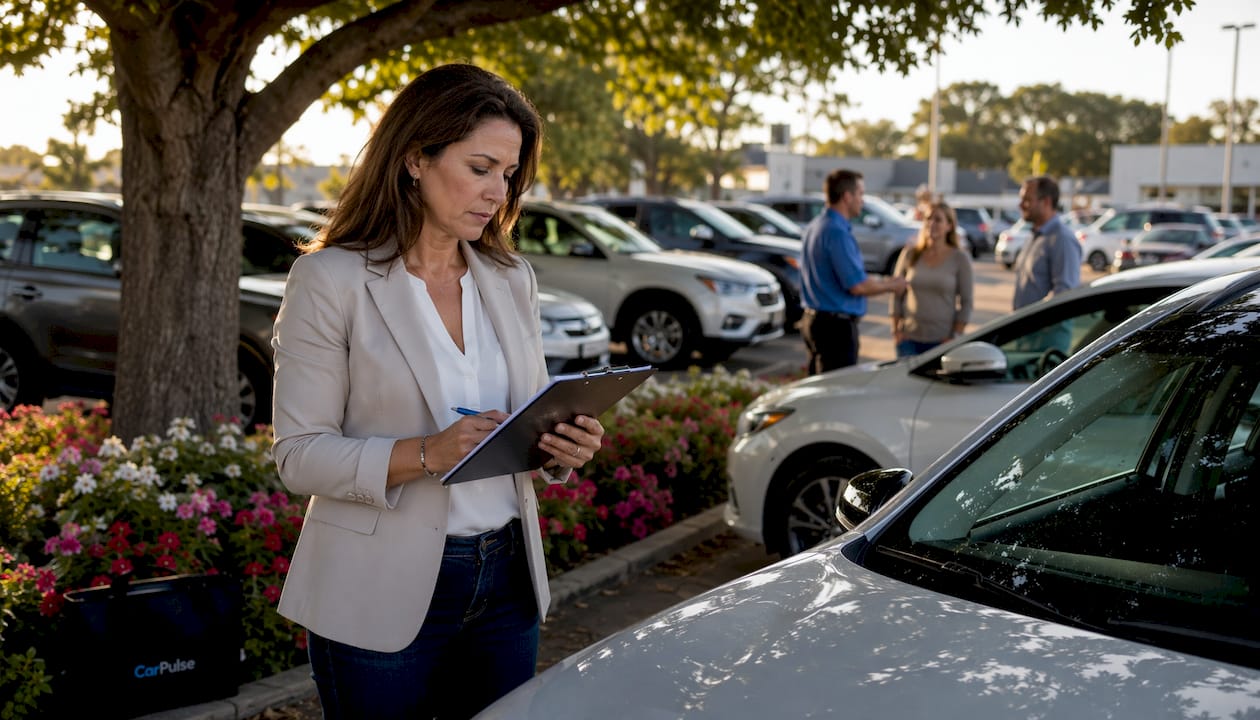
Car prices are determined by a combination of supply and demand, vehicle condition, macroeconomic forces, and technology costs. The average transaction price for a new vehicle reached $49,758 in june 2026, while used car listing prices climbed toward $27,000. Those numbers reflect a market shaped by chip shortage aftereffects, rising insurance costs, and shifting buyer preferences. Understanding the car price determinants at work today helps buyers, investors, and analysts make smarter decisions before signing anything.
1. How supply and demand drive car pricing
Supply and demand is the single biggest factor affecting car prices. When inventory is tight, sellers hold pricing power. When supply floods the market, prices fall.

The pandemic-era chip shortage from 2021 through 2023 removed millions of vehicles from production. That chip shortage created a scarcity of 2020–2022 model year vehicles that still pushes prices above historical norms in 2026. Buyers shopping for a three to five year old used car face the sharpest price pressure from this supply hole.
Consumer preferences compound the problem. Midsize SUV sales grew 16% year over year, with the average midsize SUV transaction price reaching $49,792. That demand concentration drives up prices in the most popular segments while leaving other categories with softer pricing.
Seasonal and regional demand also move prices. Convertibles and sports cars cost more in spring and summer. Trucks command premiums in rural markets. Four-wheel-drive vehicles spike in price before winter in northern regions.
Pro Tip: Shop for convertibles and sports cars in october or november, when seasonal demand drops and sellers are more willing to negotiate.
Algorithmic pricing has also changed how dealers set prices. Market-wide pricing algorithms now reflect real-time demand rather than individual dealer negotiation, which means the price you see online is closer to the true market rate than it was five years ago.
2. How vehicle condition, mileage, and history affect price
Vehicle condition and history are the most controllable car price determinants for individual buyers. Two cars of the same make, model, and year can differ by thousands of dollars based on these factors alone.
Mileage matters, but not in the way most buyers assume. The industry benchmark is 12,000–15,000 miles per year. A car with 90,000 miles on a ten-year-old vehicle is actually at average mileage. A well-maintained high-mileage car can retain more value than a poorly maintained low-mileage one. Raw mileage is a starting point, not a verdict.
Maintenance documentation is a stronger value signal than mileage alone. Service records directly affect resale price, with documented histories commanding premiums and selling faster. A complete service history tells the next buyer that the car was cared for, which reduces their perceived risk.
Accident history is equally decisive. A clean Carfax or AutoCheck report adds value. A reported collision, even a minor one, reduces resale price and can affect insurance rates for the new owner.
Trim level and factory options also create price variation within the same model. A base trim and a fully loaded version of the same vehicle can differ by $10,000 or more. Buyers often underestimate how much individual features, from sunroofs to premium audio systems, affect resale value.
Pro Tip: Always request a full service history before making an offer. A seller who cannot produce maintenance records is signaling higher risk, and the price should reflect that.
3. Economic factors shaping car prices in 2026
Macroeconomic conditions set the floor and ceiling for what buyers can afford and what sellers can charge. In 2026, several economic forces are pushing car prices higher simultaneously.
Inflation has increased the cost of raw materials, labor, and logistics. Those costs flow directly into new vehicle prices. Tariffs on imported parts and vehicles add another layer of cost that manufacturers pass on to buyers.
Insurance costs have surged sharply. Insurance premiums rose 46% in recent years, driven by advanced driver assistance systems, climate-related claims, and litigation inflation. That premium increase raises the total cost of ownership well beyond the sticker price.
Repair costs have followed the same trajectory. Repair costs increased 11.5% annually, partly because modern vehicles require specialized tools and trained technicians. A windshield replacement on an ADAS-equipped vehicle can cost $1,200–$2,400 instead of the $300 a basic replacement once cost.
“The true cost of owning a car in 2026 extends far beyond the purchase price. Insurance, repairs, and financing together can exceed the vehicle’s monthly payment, making total cost of ownership the most important number a buyer should calculate before committing.”
Interest rates also affect how much car a buyer can afford. Higher rates increase monthly payments on the same loan amount, which effectively reduces purchasing power. Buyers who financed at low rates in 2020 and 2021 are now facing significantly higher costs when they replace those vehicles.
| Economic factor | Effect on car prices |
|---|---|
| Inflation and tariffs | Raises new vehicle production costs |
| Insurance premium surge (+46%) | Increases total ownership cost |
| Repair cost increase (+11.5%) | Raises long-term ownership expenses |
| Higher interest rates | Reduces effective buying power |
| Tight used inventory | Keeps used car prices elevated |
4. How technology raises vehicle prices and ownership costs
Technology is one of the fastest-growing car price determinants in the current market. Advanced Driver Assistance Systems, commonly called ADAS, add $2,000–$5,000 per vehicle at the point of sale. That cost does not disappear after purchase.
ADAS sensors, cameras, and radar units require recalibration after even minor repairs. A windshield replacement that once cost a few hundred dollars now requires sensor recalibration that can quadruple typical repair costs. Insurance companies price that risk into premiums, which is a major reason for the 46% surge in insurance costs.
Electric vehicles carry their own pricing dynamics. EVs have higher upfront costs and higher insurance premiums than comparable internal combustion vehicles. Operating costs are lower, but the break-even point on total ownership cost depends heavily on driving patterns and local electricity prices.
Feature creep has effectively removed the entry-level new car from the market. No-haggle pricing and ADAS requirements have pushed nearly all new vehicles above $25,000. Buyers who need a new car under that price point are now forced into the used market.
Technology also affects value retention. Vehicles with well-integrated ADAS and infotainment systems hold value better in segments where buyers expect those features. Older vehicles without these systems depreciate faster as buyer expectations shift.
5. How regional conditions and timing affect what you pay
Location and timing are two of the most underestimated factors affecting car prices. The same vehicle can carry a meaningfully different price tag depending on where and when you buy it.
Regional demand patterns create persistent price gaps. Trucks and SUVs command higher prices in rural and suburban markets. Compact cars and hybrids price higher in dense urban markets where fuel costs and parking constraints matter more. Coastal markets often show different price floors than inland markets for the same models.
Timing within the calendar year creates predictable pricing windows:
- End of month: Dealers facing sales targets are more likely to accept lower offers in the final days of the month.
- End of year: December brings both year-end sales quotas and model changeovers, creating real pricing pressure on outgoing inventory.
- Model changeover: When a new model year arrives, the prior year’s vehicles drop in price quickly. Buying a current-year model in the fall often yields better value than buying the same vehicle in the spring.
- Seasonal demand cycles: Convertibles and sports cars peak in spring. Winter vehicles like AWD crossovers peak in fall. Buying off-cycle saves money.
Understanding used car price trends in Albania shows that these regional and timing dynamics apply in smaller markets too, where limited inventory makes timing even more critical.
Key takeaways
Car prices in 2026 are shaped by supply shortages, vehicle history, economic costs, and technology, and buyers who understand all four factors pay less and buy smarter.
| Point | Details |
|---|---|
| Supply shortage drives prices up | Chip shortage scarcity of 2020–2022 models keeps used car prices above historical norms. |
| Vehicle history outweighs mileage | Documented service records and clean accident history add more value than low mileage alone. |
| Total ownership cost has surged | Insurance up 46% and repair costs up 11.5% mean the sticker price understates true cost. |
| Technology raises the price floor | ADAS and feature creep have eliminated new vehicles priced below $25,000. |
| Timing and location create savings | Buying at end of month, end of year, or off-season can reduce what you pay significantly. |
What I’ve learned about reading the car market in 2026
The single biggest mistake I see buyers make is treating the sticker price as the whole story. It is not even close. When insurance premiums have risen 46% and a windshield replacement on a modern vehicle can run $2,400, the monthly payment on the loan is often the cheapest line item in the ownership budget.
The chip shortage effect is the part that catches most buyers off guard. People shopping for a reliable three to five year old used car in 2026 are walking into the most supply-constrained segment in the market. Those vehicles are scarce because they were never built in sufficient numbers. Prices in that range will stay elevated longer than most buyers expect.
My practical advice is to prioritize vehicle history over age or mileage. A well-documented service history is the closest thing to a guarantee you will get in a used car transaction. Pair that with smart timing, buying at end of year or off-season, and you recover real money.
Investors and analysts watching this market should track the Manheim Used Vehicle Value Index alongside new vehicle transaction prices from Cox Automotive. Those two data points together tell you more about where the market is heading than any single headline.
— Henri
Carpulse: Albania’s car market, all in one place
Buying or selling a car in Albania means navigating a market where inventory is tight and pricing moves fast. Carpulse brings the full Albanian vehicle market onto a single platform, with real-time listings filtered by make, model, year, mileage, price, and fuel type.
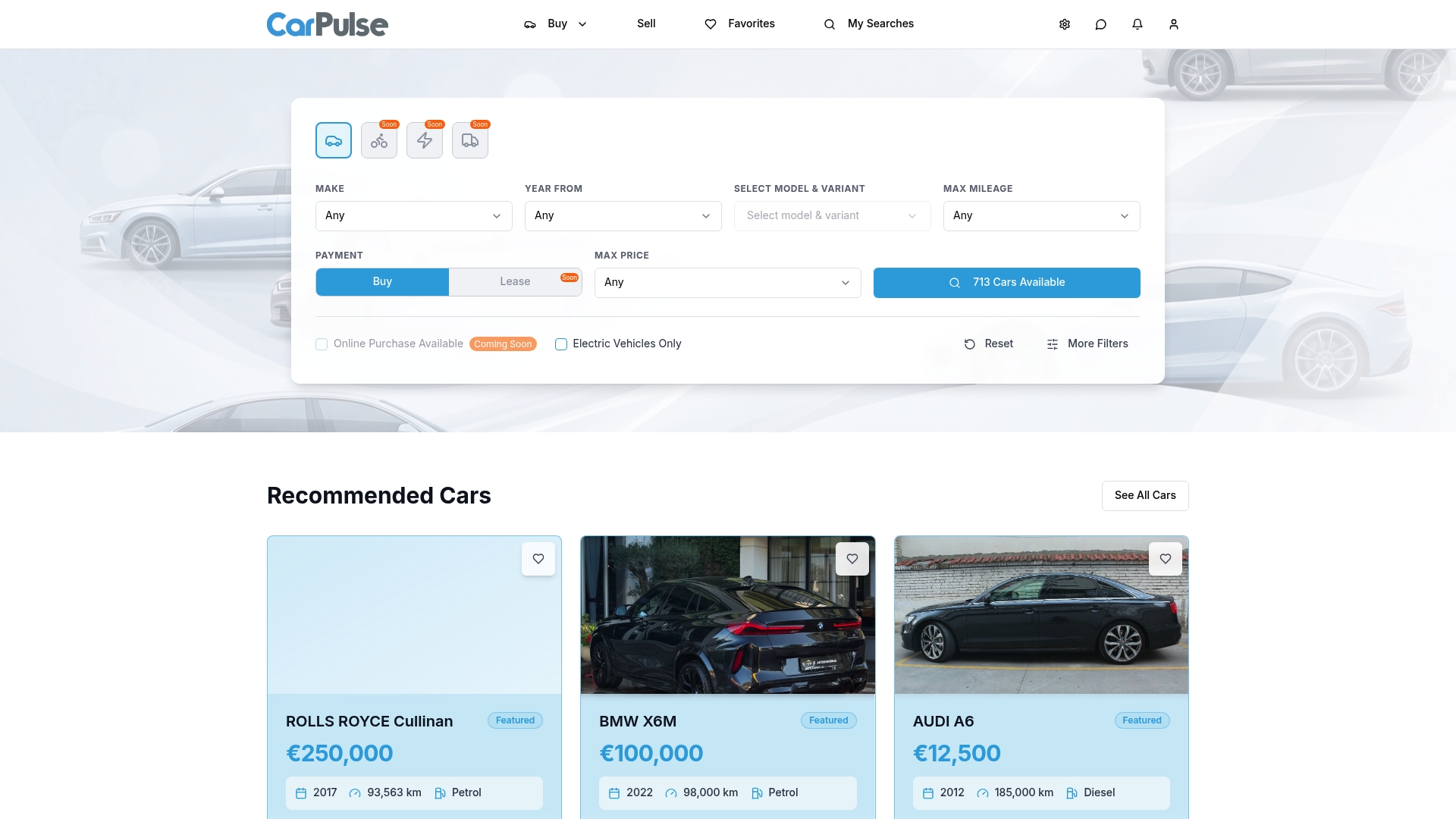
Whether you are a buyer applying the pricing insights from this article or a seller looking to price your vehicle accurately, browse current listings on Carpulse to see what the market is actually doing right now. Verified dealerships and private sellers list directly through the platform, including VIN-based listings that auto-populate vehicle details for accuracy. The Carpulse mobile app for iOS and Android keeps the market in your pocket.
FAQ
What is the biggest factor affecting car prices?
Supply and demand is the primary driver. Tight inventory, like the scarcity created by the 2021–2023 chip shortage, pushes prices up regardless of other conditions.
Why are used car prices so high in 2026?
The chip shortage reduced production of 2020–2022 vehicles, creating a lasting supply gap in the three to five year old segment. The Manheim Used Vehicle Value Index shows used wholesale prices up 2.1% year over year in june 2026.
Does vehicle history really affect resale price?
Yes. Documented maintenance records and a clean accident history command higher prices and faster sales. A missing service history signals risk, which buyers price into their offers.
How does ADAS technology affect car prices?
ADAS adds $2,000–$5,000 to new vehicle prices and significantly raises repair and insurance costs. Sensor recalibration after a windshield replacement alone can cost $1,200–$2,400.
When is the best time to buy a car for a lower price?
End of month, end of year, and off-season periods offer the best pricing. Dealers facing sales quotas and model changeovers are more likely to accept lower offers during those windows.
Recommended
- Çfarë ndikon në çmimet e makinave të përdorura në… | CarPulse Albania
- Çmimet e Makinave të Përdorura në Shqipëri: Faktorët Kyç… | CarPulse Albania
- Çfarë ndikon në çmimet e makinave të përdorura në Shqipëri? | CarPulse Albania
- Blerja e Makinave Online në Shqipëri: Rritja e EV-ve 2026 | CarPulse Albania