
Guides
How to test drive a used car: complete guide for Albania
How to test drive a used car: complete guide for Albania
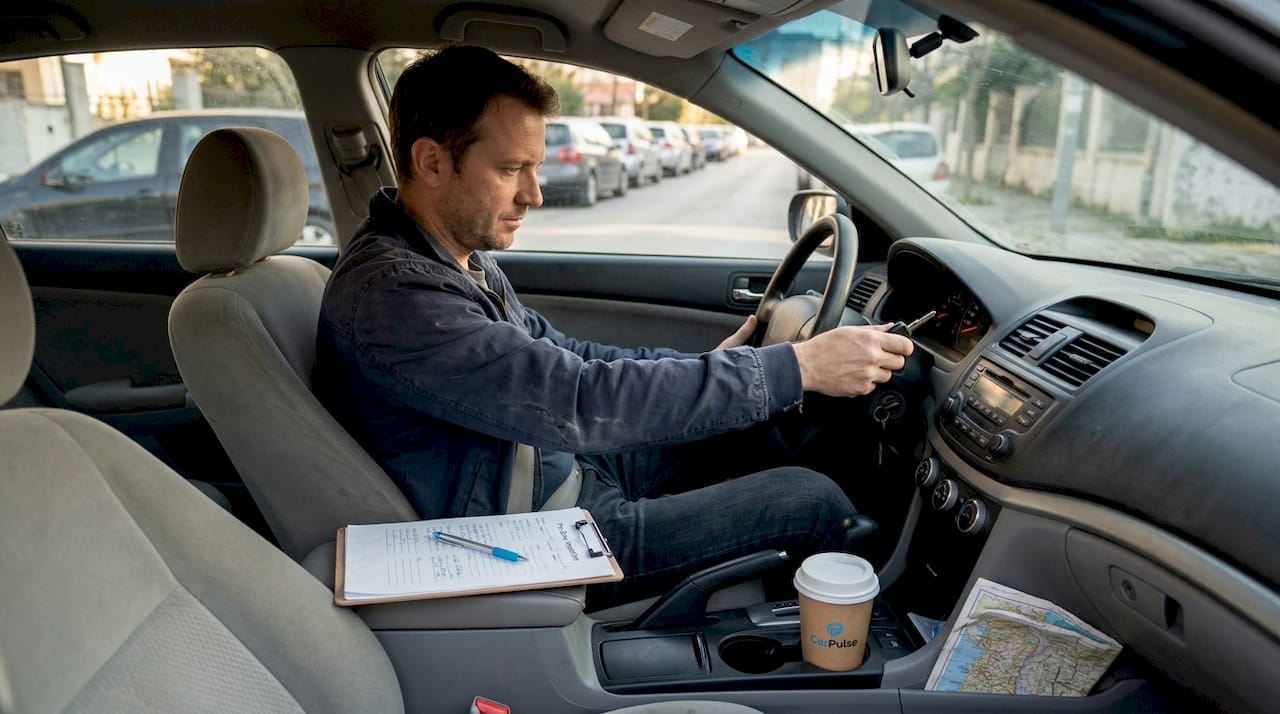
TL;DR:
- A thorough used car test drive in Albania should last at least 30 minutes on varied routes.
- Key checks include cold start engine sounds, brake responsiveness, steering response, and suspension quality.
- Red flags include unusual noises, steering pull, inconsistent brakes, burning smells, and rushed drives.
Buying a used car in Albania without a proper test drive is like buying shoes without trying them on. You might get lucky, but the odds are not in your favor. Many costly issues go undetected during short, superficial drives, leaving buyers stuck with expensive repairs they never saw coming. This guide walks you through every step of a thorough used car test drive, from preparation and cold start checks to spotting red flags that sellers hope you miss. Whether you’re shopping in Tirana, Durrës, or anywhere else in Albania, these strategies will protect your money and your peace of mind.
Table of Contents
- Preparing for your test drive
- Starting inspection: Initial checks and cold start
- Test driving: Evaluating ride, performance, and comfort
- Spotting red flags and common mistakes
- Our take: Why a thorough test drive is your best defense
- Find your next reliable used car with CarPulse Albania
- Frequently asked questions
Key Takeaways
| Point | Details |
|---|---|
| Plan a thorough route | Driving on city, highway, and rough roads helps uncover hidden issues during a used car test. |
| Cold start inspection | Starting and listening to the engine cold can reveal masked problems before you drive. |
| Ride and comfort evaluation | Compare acceleration, braking, handling, and seat comfort to ensure the car matches your needs. |
| Watch for warning signs | Pay attention to noises, vibrations, and rushed seller tactics that often signal trouble. |
| Trust your instincts | If something feels off during the test, it’s better to walk away than take a costly risk. |
Preparing for your test drive
A strong test drive starts before you ever turn the key. The groundwork you lay beforehand determines how much useful information you walk away with. Think of it as setting the stage for an honest conversation between you and the car.
First, plan your route carefully. A single loop around the block tells you almost nothing. You want a route that includes city streets with stop-and-go traffic, a stretch of highway for higher speeds, and at least one rough or uneven road. This variety forces the car to reveal itself under real conditions. A 30-minute drive on varied routes is essential because short drives under 15 minutes consistently hide major issues that only appear once the engine warms up or the suspension is stressed.
Next, gather your tools. You do not need to show up like a mechanic, but a few items make a real difference:
- A smartphone with a camera for photos and video
- An OBD2 scanner (a small plug-in device that reads engine error codes, available cheaply online)
- A printed or digital checklist of items to evaluate
- A trusted friend or family member who can listen and observe from the passenger seat
Scheduling matters too. Always insist on starting the car cold, meaning the engine has not been running for several hours. A warm engine can mask oil leaks, rough idle, and starting problems that a cold engine would expose immediately.
For context on what a complete buying process looks like, the buying and selling cars guide on CarPulse is a useful starting point before you even contact a seller. And if you want a model-specific example of test drive planning, that resource breaks down the process with practical detail.
Pro Tip: Ask the seller to keep the radio off during the entire drive. Sellers often turn up the music to drown out rattles, knocks, and squeaks that you absolutely need to hear.
| Preparation item | Why it matters |
|---|---|
| Cold start | Reveals starting issues and engine noises |
| OBD2 scanner | Reads hidden error codes |
| Varied route | Exposes handling, braking, and suspension flaws |
| Radio off | Lets you hear mechanical sounds clearly |
| Camera/phone | Documents condition and any concerns |
| Second person | Provides an extra set of ears and eyes |
Starting inspection: Initial checks and cold start
Once you arrive, resist the urge to jump straight into the driver’s seat. The moments before you drive are some of the most revealing of the entire visit. A methodical approach here can save you thousands.
Follow these steps in order:
- Walk around the exterior. Look for uneven panel gaps, mismatched paint, or signs of body filler, which can indicate past accident damage.
- Check under the hood. Look for oil residue around the engine, corroded battery terminals, cracked belts, and low or dirty fluid levels.
- Use your OBD2 scanner. Plug it into the diagnostic port (usually under the dashboard on the driver’s side) before starting the engine. Any stored error codes will appear immediately.
- Request the service history. A car with no maintenance records is a gamble. Documented oil changes and repairs are a strong positive sign.
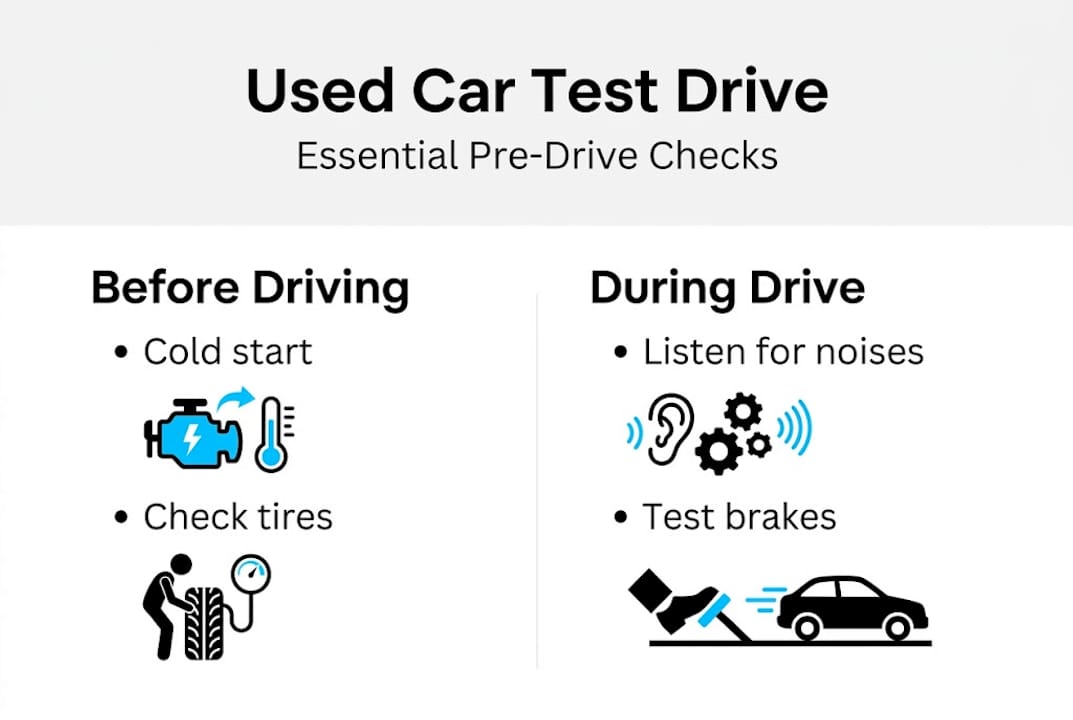
- Start the engine cold. Listen carefully during the first few seconds. A cold start reveals engine noises, rough idle, and issues that disappear once the engine warms up.
- Watch the exhaust. A small puff of white vapor on a cold morning is normal. Blue smoke means burning oil. Black smoke signals a fuel or air problem.
- Test the brakes in the parking lot. Before leaving, press the brake pedal firmly. It should feel solid, not spongy or pulsating.
For a broader look at what to check before and during a purchase, the used car buying guide on CarPulse covers the full process from search to signing. The full buying guide also includes Albania-specific advice that is worth reviewing before you commit.
Pro Tip: Never skip the parking lot brake and steering check. Driving onto a busy road without confirming the brakes work is a safety risk, not just an evaluation shortcut.
Safety reminder: Always perform your under-hood and parking lot checks in a safe, open area. Never lean over a running engine without keeping loose clothing clear of moving parts. If anything looks seriously wrong before the drive, it is completely reasonable to stop the evaluation right there.
Test driving: Evaluating ride, performance, and comfort
With the initial inspection done, you are ready to drive. This is where the car either earns your trust or loses it. Be systematic and deliberate, not passive.
Here is what to focus on during the drive:
- Acceleration: Merge onto a highway or find an open stretch. The car should accelerate smoothly without hesitation, jerking, or unusual engine sounds under load.
- Braking: At moderate speed, apply the brakes firmly. They should stop the car in a straight line without pulling to one side or vibrating through the pedal.
- Steering: On a straight road, briefly loosen your grip. The car should track straight without drifting. On curves, steering should feel responsive and precise, not vague or heavy.
- Suspension: Drive over speed bumps and rough patches deliberately. Listen for clunks, rattles, or banging that signal worn shocks or loose components.
- Comfort and visibility: Adjust the seat, mirrors, and steering column. Make sure you can see clearly in all directions and that the seating position feels natural after 20 minutes.
Comparing acceleration, braking, ride comfort, and steering feel against your current vehicle is one of the most practical ways to judge whether the used car represents a real upgrade or a lateral move. For a step-by-step breakdown of safe used car buying steps specific to Albania, that resource adds important local context. You can also check the reliable car checklist to understand what verified quality looks like.

| Performance area | What to feel for | Warning sign |
|---|---|---|
| Acceleration | Smooth, linear power | Hesitation, jerking, surging |
| Braking | Firm, straight-line stops | Pulling, vibration, sponginess |
| Steering | Responsive, centered feel | Vague, heavy, or drifting |
| Suspension | Quiet over bumps | Clunks, rattles, bouncing |
| Comfort | Natural seating, clear visibility | Cramped, poor sightlines |
Spotting red flags and common mistakes
Even a well-prepared buyer can miss warning signs if they are not actively watching for them. Albanian used car sellers, like sellers anywhere, sometimes use tactics that limit your ability to evaluate the vehicle honestly.
Here are the most important red flags to watch for:
- Unusual noises at speed: A hum or whine that grows louder as you accelerate often points to wheel bearing wear.
- Steering pull: If the car drifts consistently to one side, suspect alignment problems, uneven tire wear, or brake issues.
- Inconsistent braking: Brakes that feel different each time you press them suggest worn pads, warped rotors, or a hydraulic problem.
- Hesitation uphill: A car that struggles or stutters climbing a grade may have transmission, fuel, or engine issues.
- Burning smells: Any smell of burning rubber, oil, or plastic during or after the drive is a serious concern.
- Seller rushing the drive: A seller who pushes a quick test drive is a red flag in itself. Rushing limits your ability to detect intermittent problems that only appear after the car warms up or under sustained load.
If you spot any of these signs, do not ignore them or rationalize them away. Ask the seller directly what the cause is. If they cannot explain it, insist on having an independent mechanic inspect the car before you proceed. A pre-purchase inspection from a trusted mechanic in Albania typically costs far less than repairing a hidden problem after the sale. The used car buying guide outlines when and how to involve a mechanic in the process.
One mistake Albanian buyers make repeatedly is accepting a 10-minute city drive as sufficient. That is not a test drive. It is a seller-controlled preview designed to show you only what they want you to see.
Our take: Why a thorough test drive is your best defense
Here is something most car advice glosses over: the seller’s comfort should never be your priority. When a seller says “just take it around the block,” they are not being casual. They are managing your access to information. Short drives hide problems that a longer, varied route would expose, and experienced sellers know this.
We have seen buyers in Albania talk themselves out of perfectly valid concerns because the seller was charming or the price was attractive. That is the real trap. A great price on a car with a failing transmission is not a deal. It is a delayed expense.
Trust your instincts. If something feels off during the drive, even if you cannot name it, that feeling is data. Your body registers vibrations, sounds, and handling inconsistencies before your brain consciously processes them. Do not override that signal with optimism.
The buyers who get the best outcomes are the ones who treat the test drive as non-negotiable, not as a courtesy. Insisting on a full 30-minute drive on your chosen route is not being difficult. It is being smart. Check the verified car benefits resource to understand why verified listings add an extra layer of protection on top of your own due diligence.
Find your next reliable used car with CarPulse Albania
You now have the tools to walk into any test drive with confidence. The next step is finding the right car to evaluate in the first place.
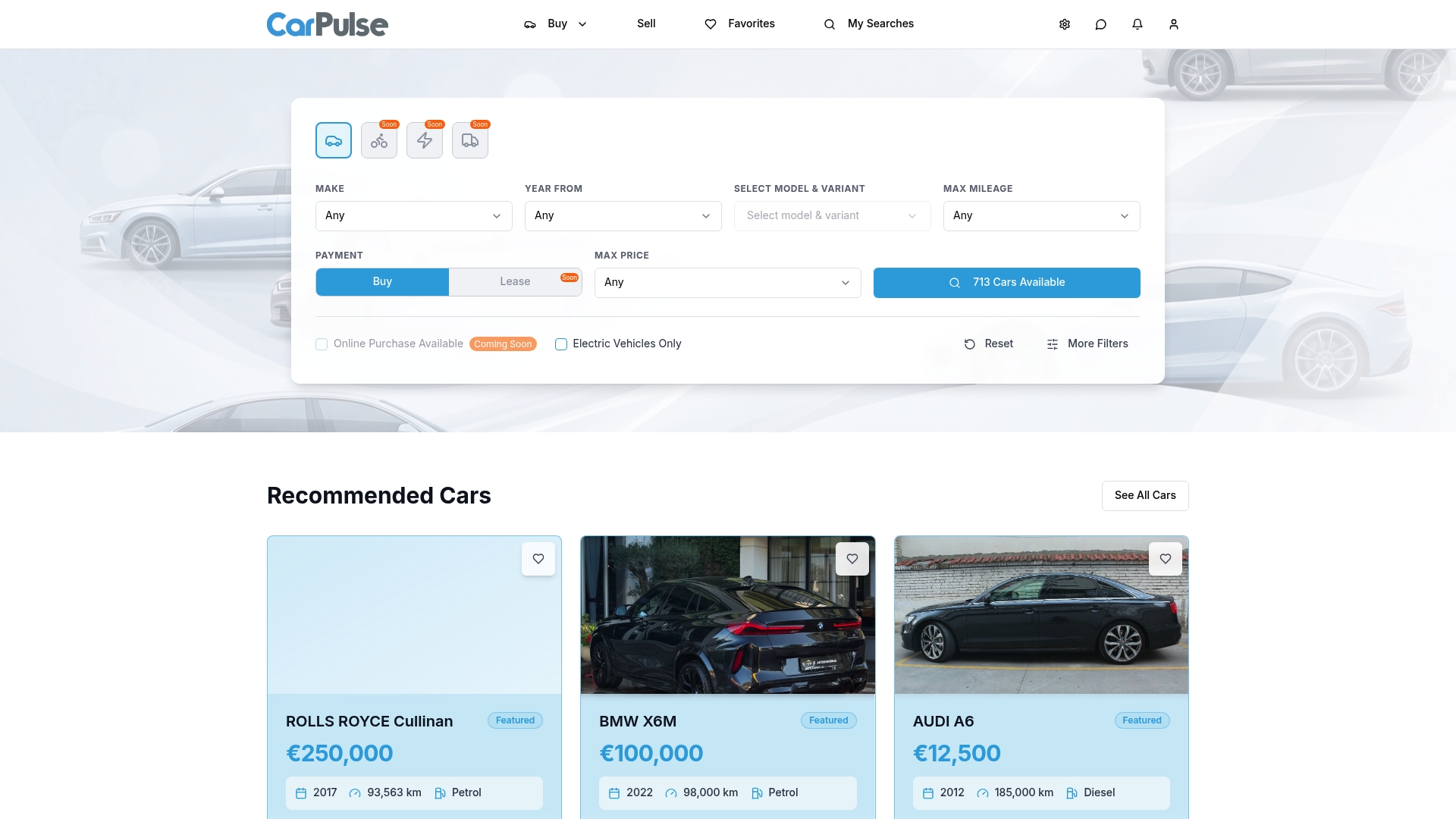
CarPulse is Albania’s largest car marketplace, connecting buyers with verified dealerships and private sellers across the country. Every listing includes detailed specs, photos, and VIN-based vehicle data so you know exactly what you are looking at before you ever schedule a test drive. If you are ready to move on from your current vehicle, you can sell your car easily through the platform in just a few steps. Browse listings, save your favorites, and contact sellers directly through the CarPulse app or website.
Frequently asked questions
How long should a used car test drive last?
A test drive should last at least 30 minutes and cover varied road surfaces and speeds to surface hidden issues. Anything shorter gives you an incomplete picture of the car’s true condition.
What are the most critical things to check during a test drive?
Listen for noises, check acceleration, and test braking, steering, and all major safety features including lights and emergency brakes. Doing this systematically ensures nothing important gets overlooked.
What do hidden problems sound or feel like?
Clunks over bumps, vibrations, burning smells, and hesitation during acceleration are the most common signs of hidden mechanical problems. Trust these signals even if the seller offers an innocent explanation.
Is it important to test drive with the radio off?
Yes. Keeping the radio off helps you catch subtle noises, rattles, and warning sounds that are easy to miss with background music playing. Make it a firm condition of the test drive.
What should I do if the seller rushes the test drive?
A seller rushing the drive is a red flag and should be treated as one. Insist on your full planned route or walk away from the deal entirely.