Guides
How to Negotiate Car Price: Albania Buyer's Guide
How to Negotiate Car Price: Albania Buyer’s Guide
TL;DR:
- Car price negotiation involves securing the lowest total purchase price before discussing financing or trade-ins. Preparation, including research, pre-approval, and written quotes, is essential to avoid overpaying and to establish a firm bargaining position. Using competing offers and sticking to an out-the-door price sequence enables buyers to negotiate confidently and avoid dealer tactics designed to inflate costs.
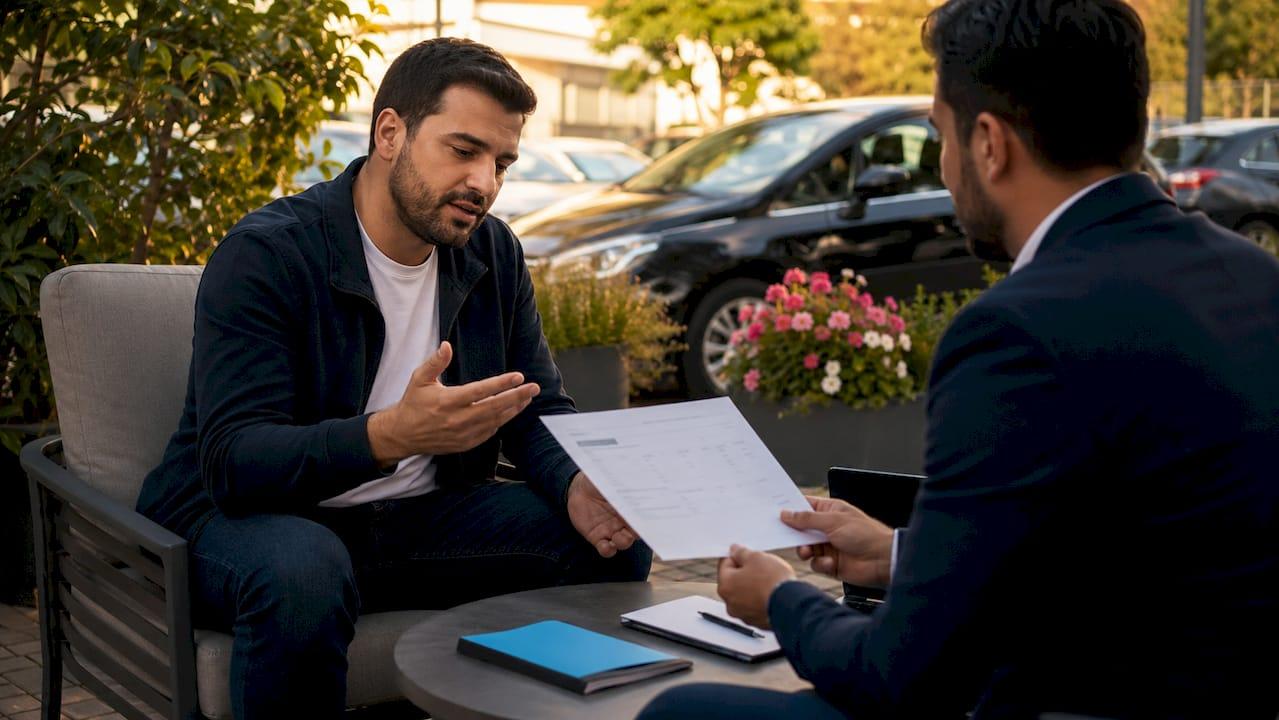
Car price negotiation is the process of strategically engaging dealers to secure the lowest transparent purchase price, including all taxes and fees, before discussing financing or trade-ins. Most Albanian buyers walk into a dealership without a target number, which immediately hands the dealer the upper hand. The good news: knowing how to negotiate car price changes that dynamic completely. This guide covers every step, from pre-visit research to walking out with a signed deal you can feel confident about.
How to prepare for negotiating a car price effectively
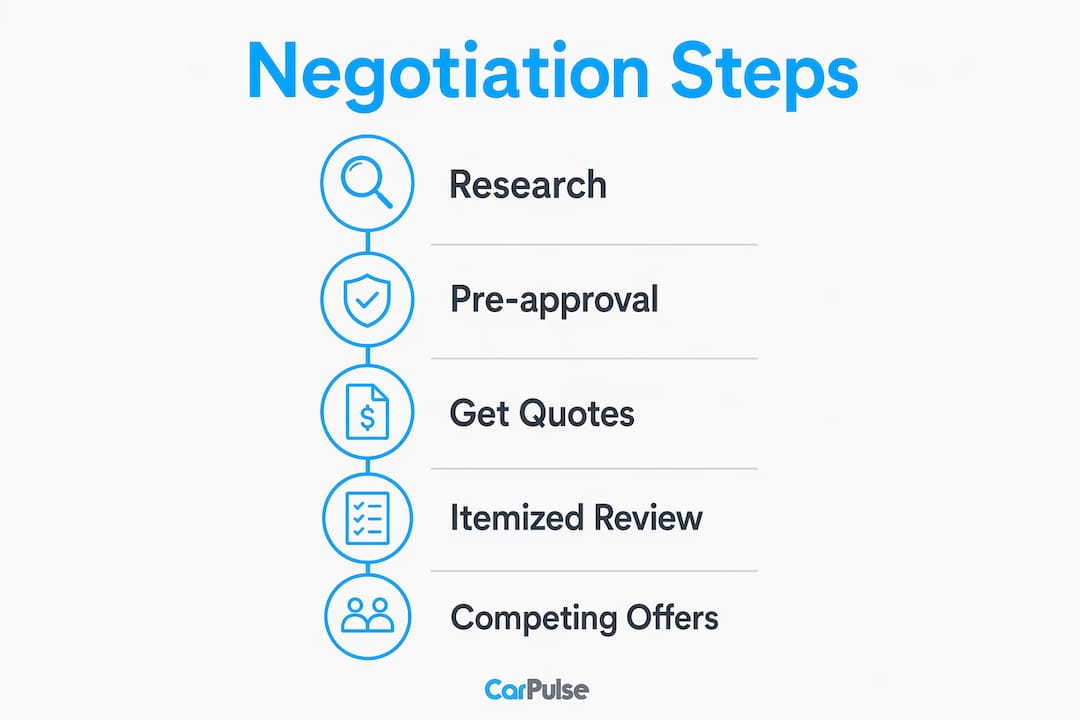
Preparation is the single biggest factor separating buyers who get a fair deal from those who overpay. Before you set foot in a dealership, you need three things: a precise target price, a pre-approved financing offer, and written quotes from at least two other dealers.
Start by researching the exact model, trim level, and configuration you want. Vague interest in “a Toyota RAV4” gives a dealer room to steer you toward a higher-margin variant. Knowing you want a specific trim and configuration locks the conversation to one comparable unit. Once you have the exact spec, look up recent local transaction prices, not the sticker price (MSRP) and not the invoice price. Transaction prices reflect what buyers in your market actually paid, which is your real anchor.
Next, get pre-approved for a car loan from a bank or credit union before visiting any dealer. Pre-approval gives you a concrete budget ceiling and removes the dealer’s ability to use financing as a negotiation lever. Albanian buyers can review vehicle financing options to compare loan and leasing terms before committing to any dealership offer.

Finally, understand all the costs that will appear on your final bill. In Albania, these typically include VAT, registration fees, and documentation fees. Your goal is to calculate your out-the-door (OTD) price, the single all-in number you will actually pay to drive the car home. Consumer Reports and PON recommend locking in this total before any other component of the deal is discussed.
Pro Tip: Request written price quotes via email from three dealers for the identical car before visiting any of them in person. Email creates a paper trail you can use as documented leverage during face-to-face negotiation.
Here is a quick reference for what to prepare before negotiating:
| Preparation step | Why it matters |
|---|---|
| Research local transaction prices | Sets a realistic, defensible anchor for your first offer |
| Get pre-approved financing | Removes dealer leverage over monthly payment framing |
| Calculate your OTD target | Prevents hidden fees from inflating the final bill |
| Collect 2-3 written dealer quotes | Turns negotiation into a documented comparison |
| Know Albania-specific fees | Lets you verify every line on the itemized worksheet |
How to negotiate the out-the-door price step by step
Walking into a dealership with a plan is the difference between a confident buyer and an easy target. Follow these steps in order, and do not skip ahead.
-
State your target price first. Open with a specific, research-backed number rather than asking the dealer what they want for the car. PON research shows that precise anchors are perceived as informed and firm, causing counterparts to concede more. Saying “I’d like to pay 2,450,000 ALL for this unit” lands differently than “What’s your best price?”
-
Negotiate the vehicle price before anything else. Do not let the dealer introduce trade-in values, financing rates, or add-on packages until you have a firm vehicle price agreed in writing. PON and Consumer Reports both recommend this sequential approach to lock in the lowest overall price before other components enter the conversation.
-
Shift to the OTD total. Once the vehicle price is settled, ask for a full itemized OTD worksheet showing the vehicle price, VAT, registration, documentation fees, and any add-ons. True Lane recommends insisting on this breakdown in writing to prevent dealers from adding unexpected fees after the price agreement.
-
Use competing offers as leverage. Present your lowest written quote from another dealer and ask the current dealer to match or beat it. Consumer Reports advises using competing quotes to force dealers into a documented comparison rather than subjective bargaining. This tactic works best when the quotes are for the identical model and trim.
-
Refuse to discuss monthly payments until OTD is locked. If a dealer asks “What monthly payment are you comfortable with?” redirect immediately. Bottom Line warns that dealers use low monthly payment framing to obscure higher total costs by extending loan terms or inflating the vehicle price.
-
Know your walk-away number and use it. Set a maximum OTD price before you arrive and treat it as a hard ceiling. Car and Driver highlights that the willingness to leave is one of the most powerful bargaining tools a buyer has. Dealers know a buyer who walks away may not return, which often triggers a better offer within 24 hours.
Pro Tip: Never sign anything until you have the full itemized OTD worksheet in hand. Review every line. If a fee was not discussed during negotiation, question it before signing.
Here is how OTD negotiation compares to the common but flawed monthly payment approach:
| Approach | What you control | Risk |
|---|---|---|
| OTD price negotiation | Total cost, all fees, transparency | Requires preparation and discipline |
| Monthly payment focus | Short-term cash flow only | Dealer can inflate total cost invisibly |
What dealer tactics should you watch out for?
Dealers are experienced negotiators. Recognizing their standard tactics is the fastest way to neutralize them.
-
Fee shifting after agreement. A dealer agrees to your vehicle price, then adds documentation fees, dealer prep charges, or accessory packages to the final bill. Counter this by demanding the itemized OTD worksheet before any handshake.
-
Monthly payment anchoring. The dealer opens with “We can get you into this car for X per month.” This reframes the entire deal around cash flow rather than total cost. Redirect every time: “I’m focused on the total out-the-door price first.”
-
Bundling the trade-in. Dealers often offer a generous trade-in value while quietly raising the vehicle price, or vice versa. Negotiate the purchase price of the new car completely before introducing your trade-in. Albanian buyers can review used car price factors to understand what their current vehicle is actually worth before any conversation with a dealer.
-
Urgency pressure. “This price is only good today” or “We have another buyer coming in this afternoon.” These statements are almost always false. A car sitting on the lot for 30 days will still be there tomorrow.
-
Delaying the itemized breakdown. Some dealers stall on producing the OTD worksheet until you are emotionally committed to the car. If a dealer cannot produce an itemized breakdown within minutes of your request, that is a signal to slow down.
Dealers aim to maximize profit on every transaction, so buyers must enter with firm rules and a clear out-the-door price target to avoid the fee bait-and-switch that inflates the final bill after a price is verbally agreed.
How do competing offers and your alternatives strengthen your position?
Your negotiating power is directly proportional to your alternatives. In negotiation theory, this is called your BATNA (Best Alternative to a Negotiated Agreement). For a car buyer, your BATNA is the best deal you already have in writing from another dealer. The stronger your BATNA, the less you need any single dealer to say yes.
Getting 2 to 3 written offers for the same model and trim before visiting your preferred dealer turns the conversation from subjective bargaining into a documented comparison. You are no longer asking a dealer to give you a discount. You are asking them to match a price that already exists on paper. That is a fundamentally different dynamic, and most dealers respond to it.
Send your quote requests by email. Email creates a written record, forces dealers to commit to a number, and gives you a document you can physically show during in-person negotiation. Verbal quotes disappear the moment you walk through the door.
- Collect written offers from at least two dealers for the identical vehicle spec
- Use the lowest offer as your opening position with your preferred dealer
- Ask directly: “Can you match or beat this price on the same car?”
- If the dealer refuses, your BATNA means you already have a deal worth taking
Pro Tip: Timing matters. Dealers are more motivated to negotiate at the end of the month when they are working toward sales targets. Visiting on the last weekend of the month gives you a structural advantage that has nothing to do with your negotiation skill.
Blending online and in-person methods also works well. Start the negotiation by email to establish a price anchor, then visit in person only to finalize the OTD worksheet and sign. This approach, supported by car buying strategies for 2026, reduces the time you spend in the dealership and limits exposure to high-pressure in-person tactics.
Key takeaways
Negotiating the best car price requires anchoring your first offer with real transaction data, locking in the out-the-door total before discussing payments or trade-ins, and using written competing offers to turn subjective bargaining into a documented comparison.
| Point | Details |
|---|---|
| Anchor with transaction data | Open with a precise, research-backed number rather than MSRP or a vague request. |
| Lock OTD price first | Agree on the all-in total before trade-ins, financing, or add-ons enter the conversation. |
| Collect written competing offers | Use 2-3 dealer quotes for the same model to create documented leverage. |
| Refuse monthly payment framing | Redirect every payment discussion back to the total out-the-door cost. |
| Know your walk-away number | Set a hard ceiling before you arrive and be genuinely prepared to leave. |
What I’ve learned negotiating car prices in Albania
Most buyers lose the negotiation before they say a single word. They walk in without a target number, without competing offers, and without a real willingness to leave. The dealer reads all of that within the first two minutes.
The discipline that matters most is keeping the deal in sequence. Price first. OTD total second. Trade-in third. Financing last. Every time a dealer tries to collapse those steps into one conversation, they are doing it to obscure the total cost. I’ve seen buyers in Albania agree to what felt like a good monthly payment and later realize they paid well above market for the car itself.
The other thing most buyers underestimate is the power of a precise first offer. Saying “2,450,000 ALL” signals research. Saying “somewhere around 2.4 million” signals flexibility. Those are not the same message. A number grounded in actual transaction data, not a round figure you invented, tells the dealer you know what the car is worth. That changes the entire tone of the conversation.
Patience is the last piece. The best deal I’ve seen Albanian buyers walk away with came after they left the dealership once, waited 48 hours, and returned. The dealer called first. That call is the clearest signal that your walk-away price was credible.
— Henri
Find your next car and build your negotiation leverage with Carpulse
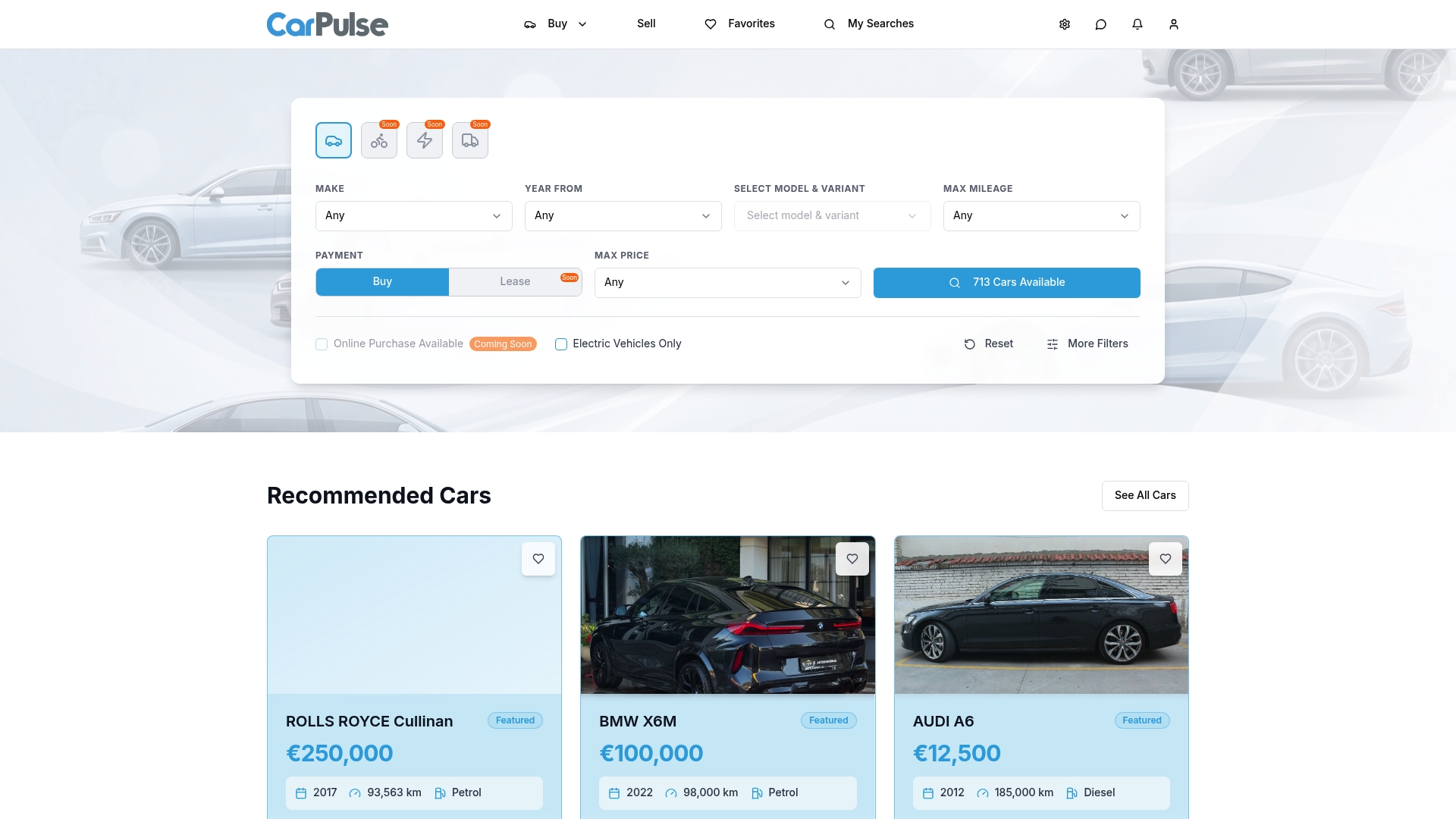
Carpulse is Albania’s largest car marketplace, giving you access to listings from verified dealerships and private sellers across the country. Before you negotiate, you need to know what the market looks like. Browsing Carpulse’s full vehicle catalog lets you compare prices across multiple dealers for the same model and trim, which is exactly the kind of market data that powers a strong first offer. You can filter by make, model, year, mileage, and fuel type, then contact multiple sellers directly to collect the written quotes your negotiation depends on. Download the Carpulse app for iOS or Android to track listings and respond to dealers on the go.
FAQ
What is car price negotiation?
Car price negotiation is the process of engaging a dealer to agree on the lowest total purchase price, including all taxes and fees, before signing any contract. The goal is to lock in a transparent out-the-door price rather than a vague vehicle price that excludes hidden costs.
What questions should you ask when buying a car?
Ask for the full itemized out-the-door price, a breakdown of every fee on the worksheet, and whether any add-ons are mandatory or optional. Also ask what the dealer’s best price is if you pay cash, which separates the vehicle price from financing incentives.
How do you lower a car price at a dealership?
Present a written competing offer for the identical model and trim, anchor your first offer below your target price using real transaction data, and refuse to discuss monthly payments until the total price is agreed in writing. Walking away when your ceiling is reached often triggers a better offer within 24 to 48 hours.
Should you negotiate before or after a test drive?
Test drive first to confirm the car meets your needs, but do not signal strong emotional attachment during or after the drive. Begin price negotiation only after the test drive, and keep your enthusiasm neutral throughout the process.
How much can you typically negotiate off a car price?
The amount varies by model, market conditions, and how long the car has been on the lot. Buyers who use competing written offers and anchor with transaction price data consistently achieve better outcomes than those who negotiate from MSRP without preparation.