Guides
How to Choose the Right Car: 2026 Buyer's Guide

How to Choose the Right Car: 2026 Buyer’s Guide

TL;DR:
- Choosing the right car requires calculating total ownership costs and matching your budget to practical needs.
- Pre-approvals, comparing out-the-door prices, and assessing vehicle types ensure better long-term value and satisfaction.
Choosing the right car means matching your budget, lifestyle, and long-term ownership costs to a specific vehicle before you ever set foot in a dealership. Most buyers focus on the sticker price and miss the bigger picture. Resources like Kelley Blue Book, Consumer Reports, and Edmunds exist precisely to close that gap. The total cost of ownership, including fuel, insurance, and maintenance, matters far more than the purchase price alone. Get that calculation right, and the rest of the process falls into place.
How to choose the right car budget first
Setting your budget is the single most important step in the car buying process. Most buyers underestimate what a car actually costs each month once you add everything up.
The standard rule is clear: keep total monthly transportation costs at or below 10–15% of your monthly take-home pay. That figure includes your loan payment, insurance premium, fuel, and routine maintenance. If you bring home $4,000 per month, your total car expenses should not exceed $600.
Before you visit a single dealership, get pre-approved for a loan. Pre-approval from multiple lenders gives you real negotiating power because you already know your rate and the dealer must compete with it. Banks, credit unions, and online lenders like LightStream or PenFed Credit Union are all worth checking.
One of the most effective negotiating tactics is focusing on the out-the-door price rather than the monthly payment. Hidden finance office fees can add $150–$500 per item, and dealers often bury them inside a monthly payment discussion. Negotiating the total out-the-door price keeps every cost visible and prevents surprises at signing.
- Calculate your monthly take-home pay and multiply by 0.15 to find your ceiling
- Get pre-approved from at least two or three lenders before shopping
- Request the out-the-door price in writing before discussing financing
- Factor in insurance quotes for specific models before committing
Pro Tip: Call your insurance provider and get a quote for the exact make, model, and trim you are considering before you sign anything. Insurance costs vary dramatically between vehicles and can shift your monthly budget by $100 or more.
For a deeper look at car financing in Albania, Carpulse has a complete guide covering loan structures, lender options, and negotiation strategies specific to the local market.
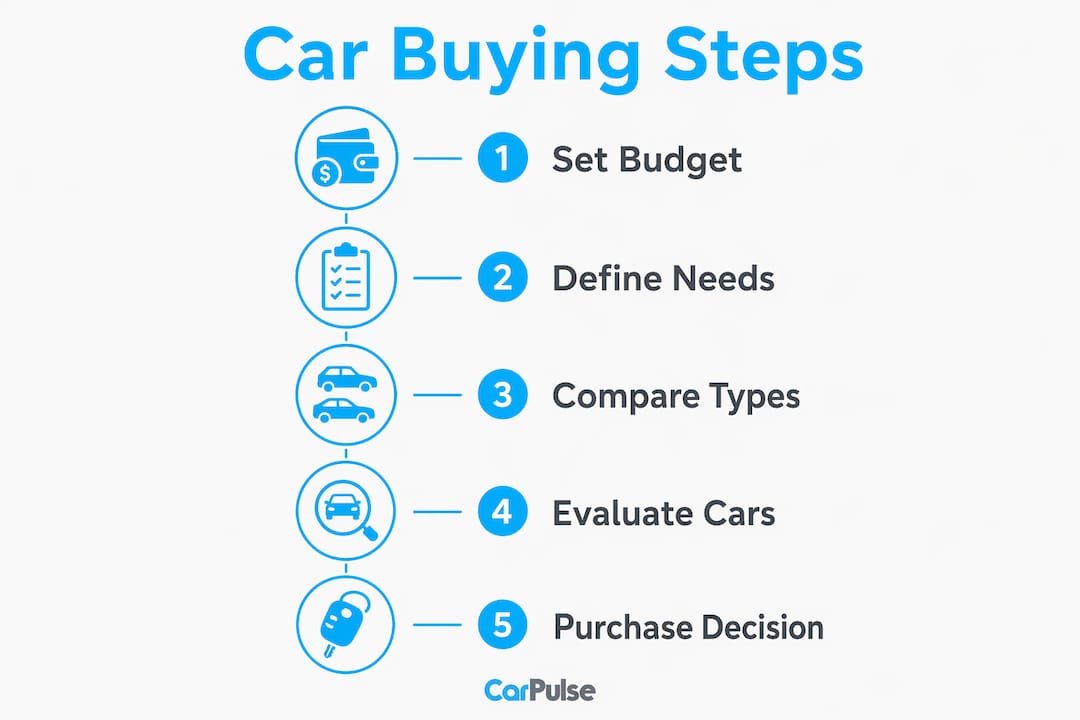
What vehicle type actually fits your life?
Defining your needs before you shop prevents the most common car buying mistake: buying what looks good instead of what works. Start with the basics of your daily life.
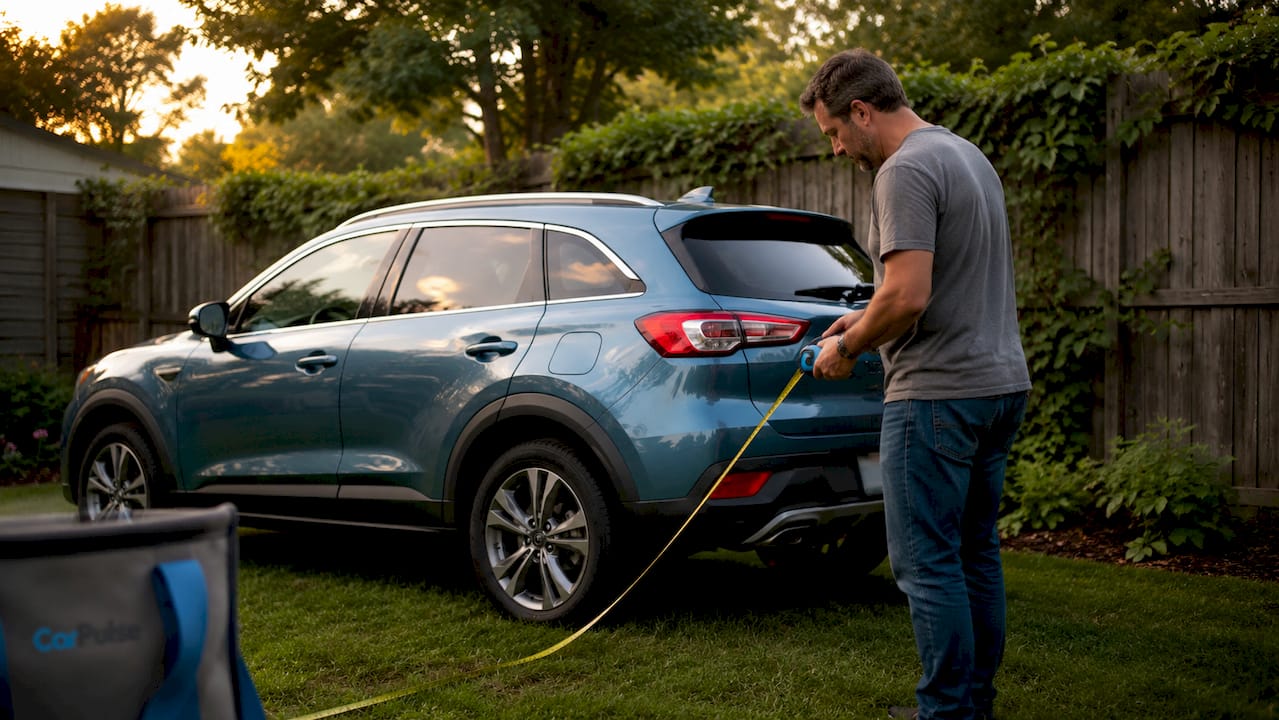
Think about how many people regularly ride with you. A family of five needs at minimum a midsize SUV or a minivan like the Chrysler Pacifica. A solo commuter covering 30 miles each way has very different priorities. Cargo space matters too. If you regularly haul gear, groceries, or sports equipment, a sedan trunk will frustrate you within weeks.
Your driving environment shapes the decision just as much as passenger count. City driving rewards smaller, more maneuverable vehicles with good fuel economy. Highway commuters benefit from a quieter cabin and better fuel efficiency at speed. Off-road or rural driving calls for higher ground clearance and available all-wheel drive.
- Sedan: Best for solo commuters and small families prioritizing fuel economy and parking ease
- SUV or crossover: Best for families needing cargo space, flexibility, and optional AWD
- Truck: Best for towing, hauling, or work use, though daily fuel costs are higher
- Hybrid or EV: Best for high-mileage commuters focused on long-term fuel savings
- Minivan: Best for larger families who prioritize interior space over style
Safety features deserve a dedicated check on your car buying checklist. Safety features vary by trim level, so a base model may lack the automatic emergency braking or lane-keeping assist that a higher trim includes. Always compare trim levels, not just models.
Pro Tip: Write down your three most common weekly trips, including distance, road type, and cargo. That list will immediately eliminate half the vehicles you are considering and save you hours of research.
If you plan to tow a trailer or boat, remember that towing should never exceed 80% of a vehicle’s maximum rated capacity. Exceeding that threshold accelerates drivetrain wear and creates real safety risks.
Gas, hybrid, or electric: which costs less over time?
Comparing vehicle types on purchase price alone leads to poor decisions. The smarter comparison is total cost of ownership across five years, which includes fuel, insurance, maintenance, and resale value.
| Vehicle Type | Avg. Purchase Price | Fuel Cost (Annual) | Reliability | Resale Value |
|---|---|---|---|---|
| Gas Sedan | Lower | Moderate | Good | Moderate |
| Hybrid Sedan | Moderate | Low | Excellent | Strong |
| Electric Vehicle | Higher | Very Low | Good | Variable |
| SUV (Gas) | Moderate–High | Higher | Good | Strong |
| Pickup Truck | High | Highest | Good | Very Strong |
Hybrid sedans consistently outperform non-hybrid counterparts in reliability, fuel economy, and owner satisfaction according to Consumer Reports data. That combination makes them the most practical choice for buyers who prioritize long-term value over short-term cost.
Electric vehicles like the Tesla Model 3 or Chevrolet Equinox EV carry higher upfront costs but dramatically lower fuel and maintenance expenses. The break-even point depends heavily on local electricity prices and how many miles you drive annually. For high-mileage drivers covering more than 15,000 miles per year, the math often favors an EV within three to four years.
Used cars under five years old represent a strong middle ground. Used models under five years old carry most of the technology and safety features of new vehicles at significantly lower prices. A 2022 Toyota Camry Hybrid, for example, delivers nearly identical features to a 2026 model at a fraction of the cost.
Use Consumer Reports, Edmunds, and Kelley Blue Book together. Consumer Reports gives you reliability and owner satisfaction data. Edmunds provides real transaction prices so you know what others actually paid. Kelley Blue Book anchors your trade-in and resale value estimates. No single source gives you the full picture.
How do you evaluate a car before you buy it?
Research narrows your list. A test drive and physical inspection close it. Skipping either step is how buyers end up with regret.
Follow this numbered checklist when you test drive any vehicle:
- Adjust everything before moving. Set the seat, mirrors, and steering wheel to your natural position. If you feel cramped or strained before the car moves, it will not improve.
- Test the touchscreen while parked. Touchscreen ergonomics and usability are the most overlooked factor in buyer satisfaction. A confusing interface becomes a daily frustration.
- Drive at highway speed. Wind noise, road vibration, and steering feel at 65 mph reveal issues that a parking lot loop never will.
- Test the brakes firmly. A single hard stop in a safe area tells you more about brake feel and pedal response than ten gentle stops.
- Check all blind spots. Sit in traffic or a parking lot and assess visibility in every direction, including over your shoulder.
For used cars, a pre-purchase inspection by an independent mechanic is non-negotiable. A $100–$150 inspection can surface transmission issues, rust, or deferred maintenance that would cost thousands to fix. Always request the vehicle history report through Carfax or AutoCheck and verify the service records match what the seller claims.
Pro Tip: Test drive the same model back to back at two different dealerships. The difference in how salespeople treat you during a test drive often predicts how they will treat you during negotiation.
Condition directly affects your negotiating position. Document every scratch, worn tire, or missing feature and use each one as a specific, factual reason to reduce the asking price. Vague complaints do not move dealers. Specific, documented issues do. For more on stress-free car buying strategies, the approach of preparing a written condition list before negotiating consistently produces better outcomes.
Key takeaways
Choosing the right car requires a structured process that starts with a realistic budget, defines your practical needs, compares total ownership costs, and ends with a thorough physical evaluation.
| Point | Details |
|---|---|
| Budget ceiling first | Keep total monthly car costs at or below 15% of take-home pay before shopping. |
| Pre-approve your loan | Secure loan pre-approval from multiple lenders before visiting any dealership. |
| Match vehicle type to lifestyle | Assess passenger count, cargo needs, and driving environment before choosing a body style. |
| Compare total ownership costs | Factor in fuel, insurance, maintenance, and resale value, not just the purchase price. |
| Test drive and inspect thoroughly | Evaluate touchscreen usability, visibility, and highway feel; get a mechanic’s inspection for used cars. |
The part most buyers get wrong
Every year I watch buyers walk into a dealership with a spreadsheet and walk out with a car that was not on it. The culprit is almost always the same: emotional attachment formed during a test drive overrides every practical calculation made beforehand.
I have seen buyers stretch their budget by $8,000 because a car “felt right.” I have seen people skip the mechanic inspection because the seller seemed trustworthy. Prioritizing long-term reliability over short-term style is the single habit that separates buyers who are satisfied two years later from those who are not.
My honest recommendation is to complete your research and set your non-negotiable limits before you ever sit in a car. Write down your maximum out-the-door price, your required features, and your deal-breakers. Bring that list to the dealership and treat it as a contract with yourself. The moment you start mentally negotiating against your own list, you have already lost the negotiation with the dealer.
The buyers I have seen make the best decisions treat the test drive as a verification step, not a discovery step. They already know what they want. The drive confirms it or rules it out. That mindset shift alone is worth more than any negotiating tactic.
— Henri
Find your next car on Carpulse
Ready to put this process into practice? Carpulse is Albania’s largest online car marketplace, where you can browse thousands of new and used listings filtered by make, model, year, mileage, price, and fuel type.
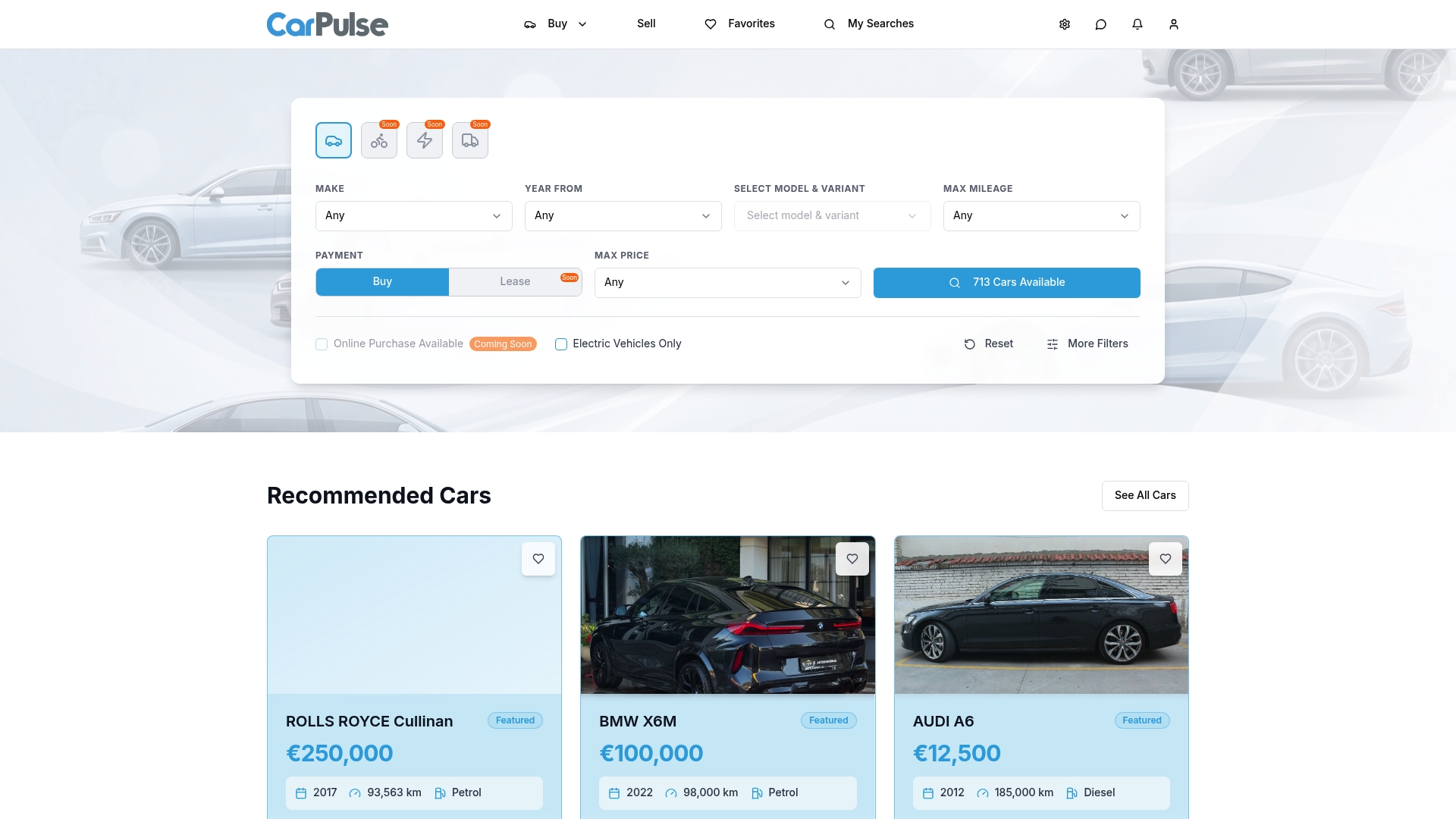
Every listing on Carpulse from a verified dealership goes through a structured verification process, so you know exactly what you are looking at before you contact a seller. You can save searches, bookmark favorites, and compare vehicles side by side from your phone or desktop. Whether you are buying your first car or upgrading to something that better fits your life, browse verified listings on Carpulse and start your search with real data behind every decision.
FAQ
What percentage of income should go toward a car?
Total monthly transportation costs should stay at or below 10–15% of your monthly take-home pay. This figure includes your loan payment, insurance, fuel, and maintenance combined.
Is it better to buy new or used?
Used cars under five years old offer most new-car features at significantly lower prices, making them the stronger value for most buyers. New cars make sense when long-term warranty coverage or specific new technology is a priority.
Should i get pre-approved before visiting a dealership?
Yes. Pre-approval from multiple lenders gives you a known interest rate and real negotiating leverage before the dealer presents financing options.
What is the out-the-door price and why does it matter?
The out-the-door price is the total you pay including taxes, fees, and dealer charges. Negotiating this number instead of the monthly payment prevents dealers from hiding add-on fees that can total hundreds of dollars per item.
How reliable are hybrid vehicles compared to standard gas cars?
Hybrid sedans consistently rank higher than non-hybrid models in reliability and owner satisfaction according to Consumer Reports. Their lower fuel costs and strong resale values make them a practical long-term choice for most buyers.