Guides
Examples of Hybrid Vehicles: 2026 Buyer's Guide

Examples of Hybrid Vehicles: 2026 Buyer’s Guide

TL;DR:
- Hybrid vehicles combine an internal combustion engine with electric motors to boost fuel efficiency and lower emissions. In 2026, full hybrids like the Toyota RAV4 Hybrid and Honda CR-V Hybrid remain reliable and popular options, especially without needing to plug in. Plug-in hybrids offer significant electric-only range, but may face resale and support challenges if the brand discontinues their PHEV models.
Hybrid vehicles are defined as cars that combine an internal combustion engine with one or more electric motors to improve fuel efficiency and reduce emissions. The best examples of hybrid vehicles in 2026 span a wide range of segments, from the iconic Toyota Prius hatchback to the family-ready Honda CR-V Hybrid and the performance-focused BMW X5 xDrive50e. Whether you want a compact commuter, a capable SUV, or a plug-in model that cuts your gas bill dramatically, the hybrid market has a specific answer for you. This guide breaks down the top models by type so you can compare specs, costs, and real-world value before you buy.
1. Examples of hybrid vehicles: full hybrids worth knowing
Full hybrids, also called HEVs (hybrid electric vehicles), run on gasoline and electric power but never need to be plugged in. The battery charges itself through regenerative braking and the engine. These are the most common hybrid car models on the market today.
Toyota RAV4 Hybrid
The Toyota RAV4 Hybrid is the best-selling hybrid SUV in its class. It delivers 43 mpg combined with all-wheel drive standard on most trims. That fuel economy figure is exceptional for a midsize SUV, and Toyota’s proven hybrid platform means long-term reliability is well established. The RAV4 Hybrid produces 219 horsepower, making it quicker than the standard gas version.

Pros: AWD standard, strong resale value, proven reliability Cons: Interior materials feel dated on base trims, no electric-only range
Honda CR-V Hybrid
The 2026 Honda CR-V Hybrid produces 204 horsepower and achieves around 40 mpg combined. That combination of power and efficiency puts it at the top of the compact hybrid SUV segment. Honda’s two-motor hybrid system gives the CR-V a smooth, refined driving feel that many buyers prefer over the RAV4’s more utilitarian character. It also offers a spacious cargo area and a well-designed interior.
Pros: Refined driving experience, strong fuel economy, practical cargo space Cons: Slightly lower towing capacity than RAV4 Hybrid, no PHEV option currently
Lexus NX Hybrid
The Lexus NX Hybrid targets buyers who want luxury without sacrificing efficiency. It shares Toyota’s hybrid platform and delivers competitive fuel economy in the premium compact SUV segment. The NX Hybrid adds a quieter cabin, premium materials, and a 14-inch touchscreen as standard. Resale value is strong, and Lexus dealership service is consistently rated among the best in the industry.
Pros: Premium interior, quiet ride, strong resale Cons: Higher starting price, smaller cargo area than mainstream rivals
Pro Tip: If you drive in snowy or wet conditions regularly, prioritize hybrid SUV models with AWD as standard equipment rather than as a paid upgrade. The Toyota RAV4 Hybrid and Lexus NX Hybrid both include AWD without an upcharge on key trims.
2. Popular plug-in hybrid electric vehicles (PHEVs) to consider
Plug-in hybrid electric vehicles, or PHEVs, add a larger battery that you charge from an outlet. They can drive on electric power alone for 20 to 51 miles depending on the model. That range covers most daily commutes without burning a drop of gasoline. When the battery depletes, the car operates like a standard hybrid. You can read a full breakdown of PHEV technology to understand how charging and range interact before you commit to a model.
Toyota RAV4 Prime
The Toyota RAV4 Prime is the plug-in version of the RAV4 Hybrid and one of the most practical PHEVs available. It offers around 42 miles of electric-only range and 302 combined horsepower. That power output makes it quicker than most non-hybrid SUVs in its price range. Buyers who charge at home daily can go weeks without visiting a gas station.
BMW X5 xDrive50e
The BMW X5 xDrive50e delivers 64 miles of electric range, which is among the highest in the PHEV SUV segment. It combines a turbocharged inline-six engine with a powerful electric motor for a total output that competes with performance SUVs. The X5 xDrive50e proves that efficiency and performance are not mutually exclusive. Its price is significantly higher than mainstream PHEVs, but the electric range justifies the premium for high-mileage drivers.
Kia Sorento PHEV
The Kia Sorento PHEV offers three rows of seating and a competitive electric range at a price well below European luxury rivals. It targets families who need space but want to reduce fuel costs. Kia’s 10-year powertrain warranty adds meaningful peace of mind for buyers concerned about long-term costs.
PHEV advantages:
- Electric-only driving eliminates fuel costs on short trips
- Better acceleration and cabin quietness than standard hybrids
- Eligible for charging infrastructure at home and public stations
PHEV limitations:
- Higher purchase price than equivalent full hybrids
- Cost-effectiveness depends heavily on your driving patterns and electricity rates
- Charging access is a key factor; without home charging, fuel savings shrink considerably
Pro Tip: If your daily commute is under 40 miles and you have a garage or dedicated parking with an outlet, a PHEV will almost certainly save you more money over three years than a standard full hybrid.
3. Mild hybrid vehicles: what they are and when they make sense
Mild hybrids, or MHEVs, use a small starter-generator system to assist the engine during acceleration and improve stop-start efficiency. Mild hybrids cannot drive on electric power alone. That is the most important distinction to understand before you shop. The fuel economy gains are real but incremental compared to full hybrids. You can review a detailed explanation of mild hybrid systems to see exactly how the technology differs from full and plug-in hybrids.
Common mild hybrid examples include certain Ford F-150 PowerBoost configurations and several European models from Audi, Volvo, and Mercedes-Benz that integrate 48-volt starter-generator systems. These systems reduce engine strain at low speeds and recover energy during braking, but the driver never experiences a fully silent electric mode.
When mild hybrids make sense:
- You want a fuel economy improvement without paying the premium for a full hybrid
- You drive mostly highway miles where stop-start efficiency matters less
- You prefer a vehicle type (like a full-size truck) where full hybrid options are limited
Pro Tip: Do not buy a mild hybrid expecting the same fuel savings as a Toyota Prius or Honda CR-V Hybrid. Mild hybrids are a step above a conventional engine, not a replacement for a proper hybrid system.
4. How do different hybrid types compare?
Choosing between hybrid types comes down to your driving habits, budget, and access to charging. The table below puts the key specs side by side so you can make a direct comparison.
| Model | Type | Fuel Economy | Electric Range | Starting Price (approx.) |
|---|---|---|---|---|
| Toyota RAV4 Hybrid | Full hybrid | 43 mpg combined | None | ~$32,000 |
| Honda CR-V Hybrid | Full hybrid | 40 mpg combined | None | ~$33,000 |
| Toyota RAV4 Prime | PHEV | ~38 mpg (gas mode) | ~42 miles | ~$43,000 |
| BMW X5 xDrive50e | PHEV | ~50 mpg-e | ~64 miles | ~$87,000 |
| Kia Sorento PHEV | PHEV | ~34 mpg (gas mode) | ~32 miles | ~$46,000 |
| Lexus NX Hybrid | Full hybrid | ~36 mpg combined | None | ~$42,000 |
| Ford F-150 (mild hybrid) | Mild hybrid | ~24 mpg combined | None | ~$35,000 |
City driving: Full hybrids like the RAV4 Hybrid and CR-V Hybrid shine in stop-and-go traffic where regenerative braking keeps the battery topped up. PHEVs are even better if you charge overnight.
Long-distance driving: Full hybrids win here. PHEVs revert to standard hybrid mode once the battery depletes, and mild hybrids offer only marginal gains on the highway.
Budget buyers: The Toyota RAV4 Hybrid delivers the best combination of fuel economy, reliability, and price in the hybrid SUV segment. The hybrid SUV market continues to grow as buyers recognize the long-term savings over gasoline-only models.
Luxury buyers: The BMW X5 xDrive50e and Lexus NX Hybrid both deliver premium experiences with meaningful efficiency gains. The BMW’s 64-mile electric range makes it the stronger choice for buyers who charge regularly.
Key takeaways
The Toyota RAV4 Hybrid remains the strongest all-around choice for most buyers, combining 43 mpg, AWD, and proven long-term reliability at a competitive price.
| Point | Details |
|---|---|
| Full hybrids need no plug | Models like the RAV4 Hybrid and CR-V Hybrid charge through regenerative braking alone. |
| PHEVs reward home chargers | Buyers with home charging access can cover most daily trips on electricity only. |
| Mild hybrids are not full hybrids | MHEVs improve stop-start efficiency but cannot drive on electric power alone. |
| Electric range varies widely | PHEV electric range spans 20–64 miles depending on the model and battery size. |
| Brand matters for resale | Toyota and Lexus hybrids hold value better than discontinued PHEV lines from other brands. |
The hybrid market in 2026: what I actually think buyers should do
The hybrid market in 2026 is more mature than most buyers realize. The technology is no longer experimental. Toyota has been refining its hybrid platform for nearly three decades, and that experience shows up in reliability data and resale prices.
What concerns me is the confusion around PHEVs right now. Several brands, including Alfa Romeo, Chrysler, Dodge, and Jeep, discontinued their PHEV models for 2026. That matters for parts availability and long-term support. Buyers who choose a PHEV from a brand that has already walked away from the technology are taking a real risk on resale value and service.
Federal tax credits that once made PHEVs more attractive have largely expired or changed by 2026. That shift makes the cost math favor traditional full hybrids for many buyers, especially those without home charging. The transition toward electrification is real, but hybrids remain the most practical bridge for buyers who are not ready to commit to a full EV.
My honest recommendation: if you have home charging, buy a Toyota RAV4 Prime or Kia Sorento PHEV and charge it every night. If you do not have home charging, buy the Toyota RAV4 Hybrid and do not look back. Stick with manufacturers that have a long track record in hybrid technology. The savings and reliability are not worth gambling on a brand that treats hybrids as a side project.
— Henri
Carpulse makes finding your hybrid easier
Buying a hybrid in Albania means comparing models across dozens of listings, and that process gets complicated fast. Carpulse is Albania’s largest online car marketplace, and it lists both new and used hybrid vehicles with full filtering by fuel type, price, mileage, and year.
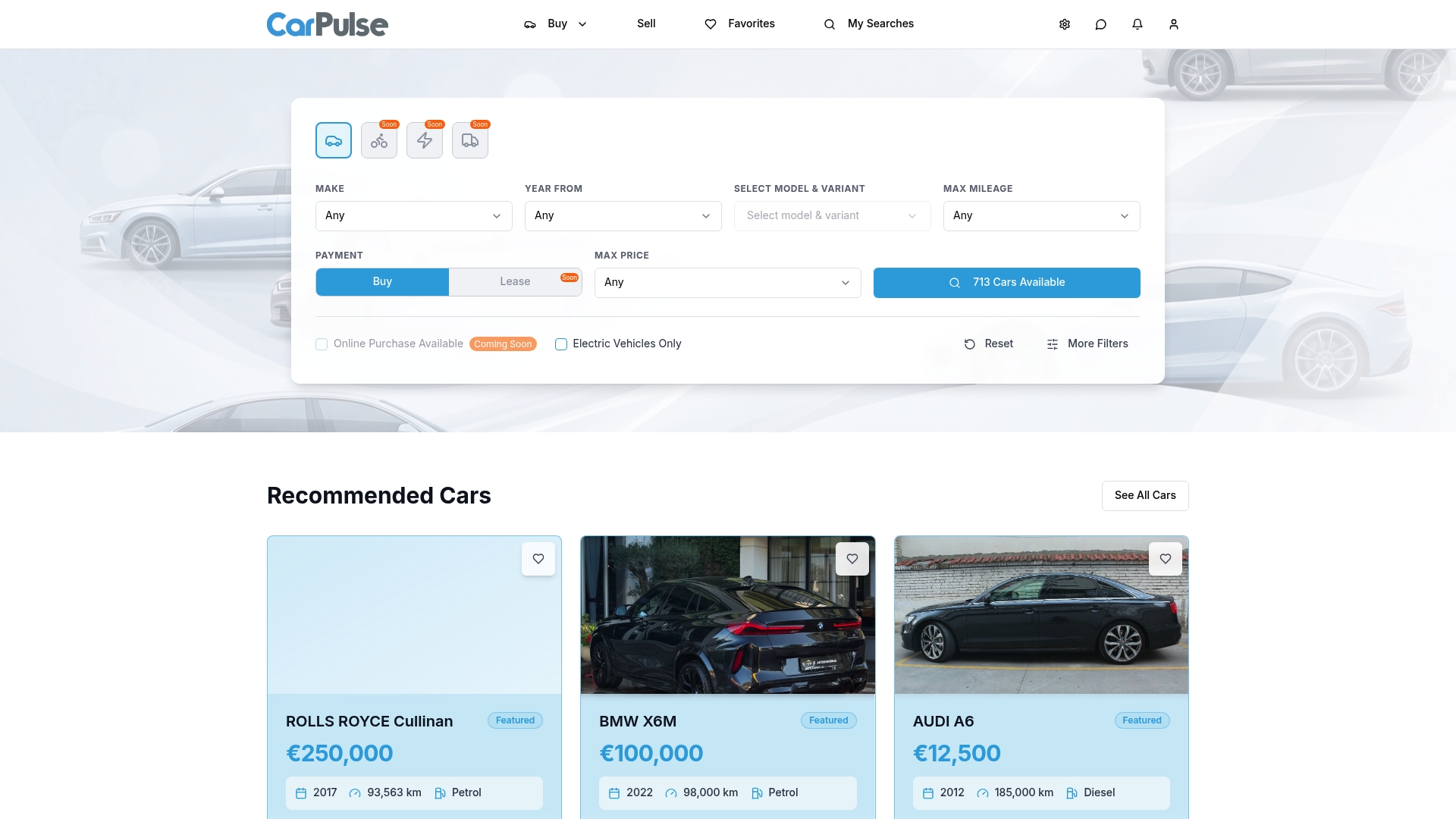
You can search specifically for hybrid SUVs, filter by budget, and contact verified dealerships directly through the platform. Carpulse’s VIN-based listing system means every vehicle detail is accurate from the start, so you are not wasting time on incomplete listings. The mobile app for iOS and Android lets you browse and save favorites from anywhere. Whether you are comparing a Toyota RAV4 Hybrid to a Honda CR-V Hybrid or looking for a used PHEV at a specific price point, browse hybrid listings on Carpulse to find verified options across Albania. If you are also planning to sell your current vehicle, the sell your car feature makes listing fast and accurate.
FAQ
What is the most fuel-efficient hybrid SUV in 2026?
The Toyota RAV4 Hybrid leads the segment with 43 mpg combined and standard AWD. The Honda CR-V Hybrid follows closely at 40 mpg combined.
How far can a plug-in hybrid go on electric power alone?
PHEVs offer electric-only ranges from roughly 20 to 64 miles depending on the model. The BMW X5 xDrive50e leads the segment with 64 miles of electric range.
Do mild hybrids save as much fuel as full hybrids?
Mild hybrids deliver incremental fuel savings but cannot drive on electric power alone. Full hybrids like the Toyota Prius and Honda CR-V Hybrid save significantly more fuel, especially in city driving.
Are PHEVs worth buying without home charging access?
Without home charging, a PHEV’s electric range goes largely unused. In that case, a full hybrid like the RAV4 Hybrid delivers better real-world value at a lower purchase price.
Which hybrid brands have the best long-term resale value?
Toyota and Lexus consistently lead hybrid resale value rankings. Buyers should avoid discontinued PHEV lines from brands that have exited the plug-in hybrid segment for 2026.