
Guides
Car Resale Value: What It Is and How to Maximize It
Car Resale Value: What It Is and How to Maximize It

TL;DR:
- Car resale value is the estimated market price a vehicle can fetch when sold or traded in after use. It depends on factors like age, mileage, condition, and demand, and varies in a range rather than a fixed number. Maintaining proper records and choosing colors with steady demand can maximize resale outcomes.
Car resale value is the estimated market price a vehicle can fetch when sold or traded in after use, shaped by factors like age, mileage, condition, and buyer demand. This figure differs from market value, which reflects the immediate negotiated price between two parties, and from residual value, which is a leasing term for projected worth at contract end. Knowing what is car resale value gives you a real advantage whether you are selling next month or buying with an exit strategy in mind. The difference between a well-informed seller and an unprepared one often comes down to thousands of dollars.
What factors affect car resale value?
Resale value is a conservative, data-backed projection used by insurers and industry guides. It reflects what a vehicle is realistically worth on the open market, not what the owner hopes to get. Several forces push that number up or down.
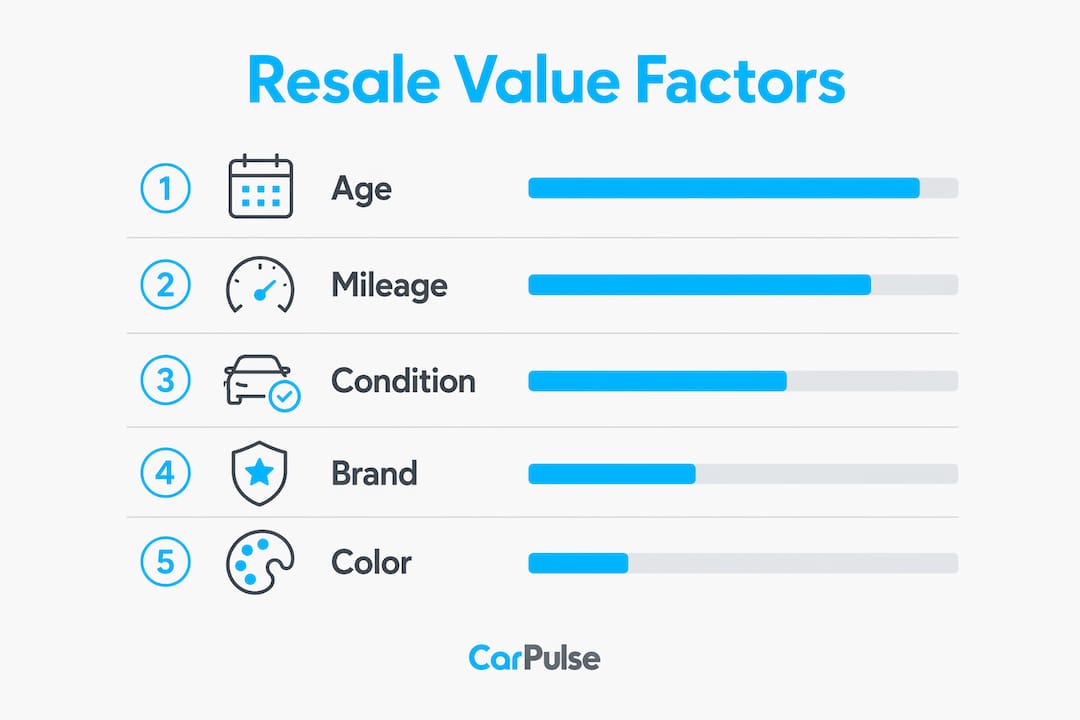
Age and mileage are the two most predictable drivers of depreciation. A car loses value fastest in its first three years. High annual mileage accelerates that decline because it signals wear on the engine, transmission, and suspension.
Brand reputation and reliability carry more weight than most sellers expect. Brand reliability and a detailed maintenance history are the primary determinants of long-term resale value, outranking color and minor features. A Toyota or Honda with full service records consistently commands a premium over a comparable vehicle with a spotty history.
Condition and maintenance records tell buyers what they cannot see. A full service record signals that the owner cared for the vehicle. Gaps in that record raise red flags and give buyers leverage to negotiate down.

Accident history and title status can cut value sharply. A salvage title, for example, signals that an insurer once declared the car a total loss. Even a repaired vehicle with a clean title loses value if a Carfax or AutoCheck report shows prior collision damage.
Car color resale value is a real factor, though smaller than most people think. Yellow cars lost only 24% of their value after three years, while gold cars lost 34.4%, against an average loss of 31%. That is a difference of more than 10 percentage points between the best and worst colors. Rare colors like yellow and orange hold value better because supply is low and demand from enthusiasts is steady. Common colors like black and white depreciate faster because the market is flooded with them.
Pro Tip: If you are buying a vehicle you plan to resell, choose a less common but broadly appealing color. White and black are safe aesthetically but weak for resale. Yellow, orange, and certain shades of blue tend to hold value better.
Local market demand and seasonal trends also shift the number. Convertibles sell for more in spring and summer. Fuel-efficient vehicles spike in value when gas prices rise. The Albanian market, like any regional market, has its own demand cycles that affect used car prices in ways that national averages do not capture.
How to calculate and estimate car resale value
Accurate estimation starts with gathering the right vehicle data. You need the make, model, year, trim level, mileage, condition rating, and VIN. Each detail changes the output. A base trim and a fully loaded version of the same model can differ by thousands.
The most trusted valuation sources are Kelley Blue Book, Edmunds, and J.D. Power. Each uses its own methodology, so results vary. Cross-checking multiple sources gives a realistic picture and prevents overpricing or underselling. Use at least two before settling on a price.
The process works like this:
- Gather your vehicle details. Pull the VIN from the dashboard or door jamb. Note the exact trim, mileage, and any added packages.
- Run a VIN-based lookup. VIN-based valuations outperform general year, make, and model searches because they capture exact factory options, recalls, and specifications. This is the most precise method available.
- Select your condition rating honestly. Kelley Blue Book and Edmunds use ratings like excellent, good, fair, and poor. Most vehicles fall into “good,” not “excellent.” Overrating your condition produces an inflated estimate that will not survive a buyer’s inspection.
- Compare trade-in, private sale, and dealer retail values. These three numbers are always different. Trade-in is the lowest. Private sale is higher. Dealer retail is the highest because it includes reconditioning and profit margin.
- Check local listings. Search for similar vehicles in your area. National averages do not always reflect what buyers in your market will actually pay.
Pro Tip: Run your VIN through at least two valuation tools before listing. If the results differ by more than 10%, dig into why. The gap usually comes from condition rating or unreported options.
Common misconceptions about car resale value
The biggest mistake sellers make is treating resale value as a fixed number. Resale value is a range, not a single price. Where your vehicle lands in that range depends on condition, channel, timing, and negotiation.
“Most owners overstate the condition of their vehicle when using online valuation tools, causing unrealistic price expectations and failed negotiations. Honest and accurate condition reporting, aligned with clear rating criteria, improves valuation accuracy and leads to faster, more successful sales.”
Several other misconceptions trip up sellers and buyers alike:
- Trade-in value equals private sale value. It does not. Trade-in offers are lower because dealers factor in reconditioning costs and their own profit margin. A private sale takes more effort but typically returns more money.
- Color does not matter. Color matters, but less than brand and history. Buyers prioritize trust in vehicle condition above aesthetics.
- Resale value is stable year-round. Seasonal demand shifts value. Timing your sale to local market cycles, such as selling a convertible in spring, can meaningfully improve your return.
- A clean exterior means a high condition rating. Valuation tools assess mechanical condition, service history, and interior wear, not just how the car looks from the curb.
Pro Tip: Before you list, have an honest look at your car through a buyer’s eyes. If a stranger would rate it “fair,” do not list it as “excellent.” Overpricing based on inflated condition ratings wastes time and damages your credibility with serious buyers.
Practical tips to maximize your car’s resale value
Protecting resale value starts long before you decide to sell. The choices you make as an owner compound over time.
- Keep complete service records. Every oil change, brake job, and tire rotation should be documented. A full service history is one of the strongest signals of a well-maintained vehicle and consistently signals higher value to buyers.
- Address cosmetic issues before listing. Small dents, cracked trim, and worn floor mats are cheap to fix and disproportionately affect a buyer’s first impression. A detail and minor touch-up often return more than they cost.
- Fix mechanical problems you know about. Selling a car with a known issue and disclosing it is honest, but it invites low offers. Fixing it first usually costs less than the discount buyers will demand.
- Time your sale strategically. Trucks and SUVs sell well in fall and winter. Convertibles and sports cars peak in spring. Fuel-efficient vehicles gain value when gas prices spike. Watch local demand before setting your date.
- Use multiple valuation tools. Kelley Blue Book, Edmunds, and J.D. Power each produce slightly different numbers. The overlap between them is your realistic target range.
- Prepare your paperwork. Title, service records, warranty documents, and the original window sticker all add credibility. Buyers pay more when they feel confident in the transaction. If you are trading in, knowing how to trade in a car before you walk into a dealership puts you in a stronger negotiating position.
Pro Tip: If you bought a vehicle with resale in mind, keep the original floor mats, spare tire, and owner’s manual. Missing items from the original package reduce perceived value more than their replacement cost would suggest.
Key Takeaways
Car resale value is a data-backed range, not a fixed price, and the sellers who understand its drivers consistently walk away with more money.
| Point | Details |
|---|---|
| Resale value is a range | Your vehicle’s worth depends on condition, channel, timing, and local demand, not one fixed number. |
| VIN lookups are most accurate | Use your VIN with trusted guides like Kelley Blue Book or Edmunds for the most precise estimate. |
| Trade-in pays less than private sale | Dealers deduct reconditioning and margin; private sales return more but require more effort. |
| Color affects depreciation | Rare colors like yellow lose less value over three years than common colors like black or white. |
| Service records protect value | A complete maintenance history is the single most persuasive document you can show a buyer. |
What I have learned about resale value after years of watching the market
Most people treat resale value as something that happens to them rather than something they manage. That is the wrong frame. Resale value is dynamic. It shifts with fuel prices, seasonal demand, and local inventory levels. Sellers who check the market once and assume the number holds are often surprised six months later.
The other thing I have seen consistently is that condition honesty is where deals fall apart. A seller who rates their car “excellent” and then watches a buyer walk away after a test drive has wasted everyone’s time. Realistic condition assessment, backed by a pre-sale inspection, closes deals faster and at better prices than wishful thinking ever does.
My honest advice: treat your car like an investment from day one. Keep the records, fix the small things, and watch the market. When you are ready to sell, cross-check at least two valuation sources and price to the realistic middle of the range. Convenience has a cost. Trading in is easier than a private sale, but that ease comes out of your pocket. Know what you are giving up before you decide it is worth it.
— Henri
Carpulse makes buying and selling cars simpler
Knowing your vehicle’s resale value is only half the work. Finding the right buyer or the right car at a fair price is the other half.
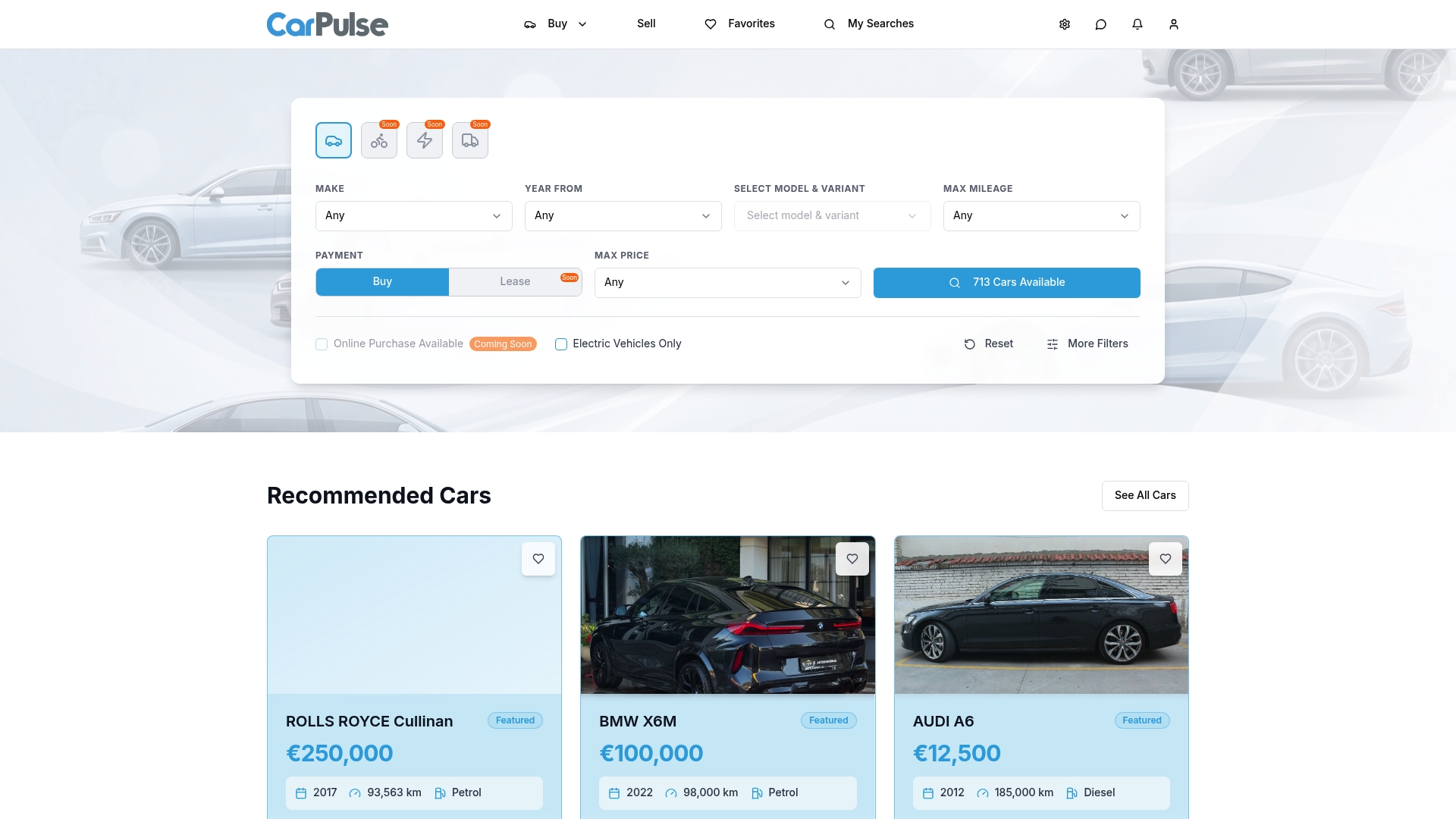
Carpulse is Albania’s largest car marketplace, connecting private sellers, verified dealerships, and buyers on one platform. Listings include detailed vehicle information, and sellers can use VIN-based listing to populate specs automatically, reducing errors and saving time. Buyers can filter by make, model, year, mileage, price, and fuel type to find vehicles that match their budget and resale expectations. Whether you are selling a car you have maintained carefully or browsing verified listings to find a vehicle with strong long-term value, Carpulse gives you the data and the audience to make a confident decision.
FAQ
What is car resale value, exactly?
Car resale value is the estimated price a vehicle can fetch when sold or traded in after use. It is based on age, mileage, condition, and market demand, and it differs from the immediate negotiated price between buyer and seller.
How do I calculate my car’s resale value?
Enter your VIN, mileage, condition, and trim level into trusted guides like Kelley Blue Book or Edmunds. Cross-check at least two sources to get a realistic price range rather than a single number.
Why is my trade-in offer lower than my car’s listed value?
Trade-in offers are lower because dealers factor in reconditioning costs and profit margin. Private sales typically return more money but require more time and effort from the seller.
Does car color really affect resale value?
Yes. Yellow cars lost only 24% of their value after three years, compared to 34.4% for gold cars, against an average of 31%. Rare colors hold value better because supply is limited and enthusiast demand stays steady.
What is the single best thing I can do to protect resale value?
Keep a complete, documented service history. A full maintenance record consistently signals higher value to buyers and is the most persuasive document you can present during a sale or trade-in.