Guides
Car Pricing Guide for Buyers and Sellers in Albania

Car Pricing Guide for Buyers and Sellers in Albania

TL;DR:
- Effective vehicle pricing in Albania combines KBB, NADA, and local market data to establish a defensible price range for listings. Sellers should list 3% to 5% above their minimum acceptable price and adjust based on overall condition to maximize negotiation room. Understanding regional demand and timing listings in spring improves the chances of a quick sale at a fair value.
Setting a fair car price is defined by three data points: Kelley Blue Book private-party value, NADA Guides dealer ceiling, and local market comparisons within your region. This guide to setting car prices gives buyers and sellers in Albania a practical framework for determining accurate vehicle values, negotiating with confidence, and avoiding the costly mistakes that come from guessing. Whether you are listing a used sedan in Tirana or shopping for an SUV in Durrës, the same core principles apply. Accurate pricing is not luck. It is preparation, data, and knowing when to hold your position.
How to use pricing tools to determine vehicle value
Car value determination starts with three sources, and the most effective approach is to use all three together rather than relying on any single one. Kelley Blue Book (KBB) gives you the private-party value, which is the realistic price a private seller can expect from a private buyer in the current market. NADA Guides, calibrated for dealer transactions, runs 5% to 8% higher than KBB. That gap exists because dealers carry overhead costs that private sellers do not. NADA is best treated as a ceiling, not a target.
Local market comparisons are the third leg of this triangle. Search active listings within a 50-mile radius of your location and note what comparable vehicles are actually listed for, not just what sellers hope to get. Triangulating KBB, NADA, and local comps gives you a defensible pricing range rather than a single number you have to defend alone. That range is your negotiating foundation.
How vehicle condition changes your number
Condition tiers have a bigger impact on price than most sellers expect. The difference between “Good” and “Very Good” condition on a $16,000 vehicle is roughly $900 to $1,100. That is a meaningful gap, and sellers routinely overestimate their vehicle’s condition, which is one of the most common reasons listings stagnate. Be honest about scratches, mechanical issues, tire wear, and interior condition before you assign a tier.
Use the table below to understand how condition tiers map to pricing adjustments:
| Condition tier | Typical price adjustment | What it means |
|---|---|---|
| Excellent | Full KBB private-party value | Like-new, low miles, no visible defects |
| Very Good | KBB value minus 3% to 5% | Minor wear, well maintained, no mechanical issues |
| Good | KBB value minus 8% to 12% | Normal wear, may need minor repairs |
| Fair | KBB value minus 15% to 20% | Visible damage or mechanical issues present |
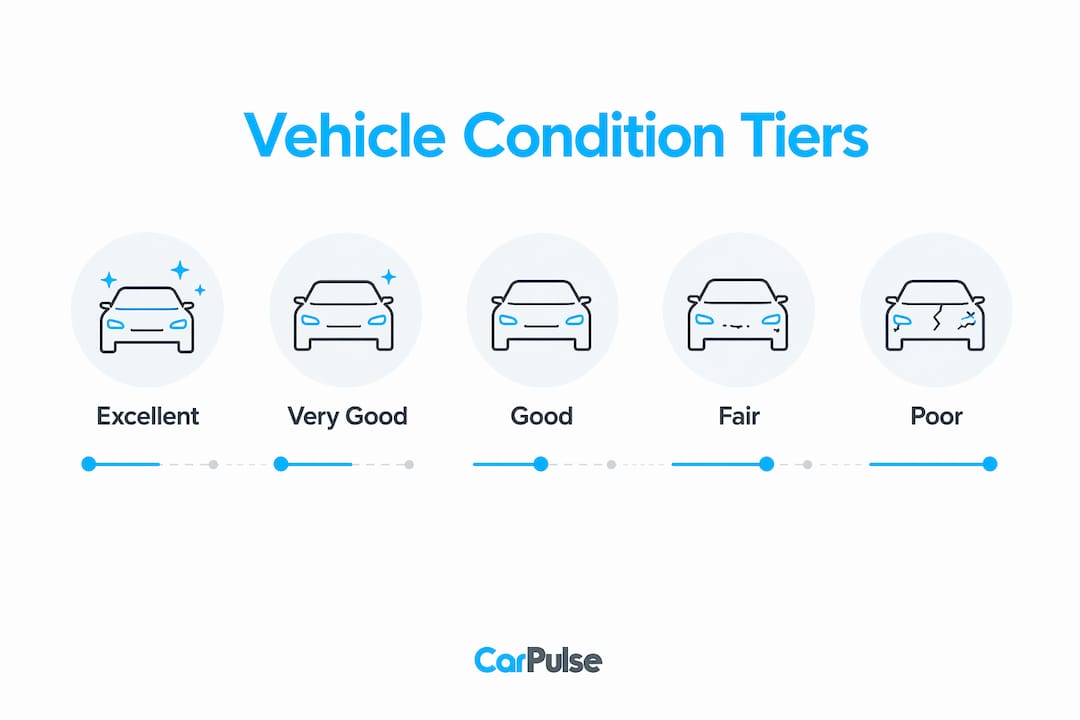
Once you have your condition tier locked in, average your KBB figure with the local comps you gathered and use the NADA value as your upper boundary. That three-point average is your target listing price. For classic or specialty vehicles, valuation methods that factor in rarity and restoration history add another layer of precision.
Seller strategies: how to price, list, and negotiate
Effective car pricing strategy for sellers begins before you post a single photo. The standard practice is to list your vehicle 3% to 5% above your actual floor price. This gives you room to negotiate without dropping below what you need. Listing above your floor is not deception. It is how every experienced seller protects their position while still appearing open to discussion.
Once your listing is live, watch the response rate closely. Here is a practical timeline to follow:
- Post your listing at your calculated price with clear photos and an accurate condition description.
- Monitor inquiries for 48 to 72 hours. Serious interest within that window confirms your price is competitive.
- If no serious inquiries arrive within 5 days, reduce your price by 4% to 5%. This reset typically restores buyer interest without signaling desperation.
- When offers come in, counter with your data. Reference your KBB figure, your NADA ceiling, and what comparable vehicles are listed for locally.
- Avoid rigid anchoring. Sellers who refuse any movement on price often lose buyers who were genuinely interested but needed to feel they negotiated something.
The most common seller mistake is overestimating condition and then refusing to adjust. A listing priced in “Excellent” condition that shows wear in the photos loses credibility immediately. Buyers notice, and they either walk away or open with an insultingly low offer.
Pro Tip: Before posting, run your vehicle through both KBB and NADA, then search Carpulse for three to five comparable listings in Albania. Average those numbers and add 4%. That is your opening price.
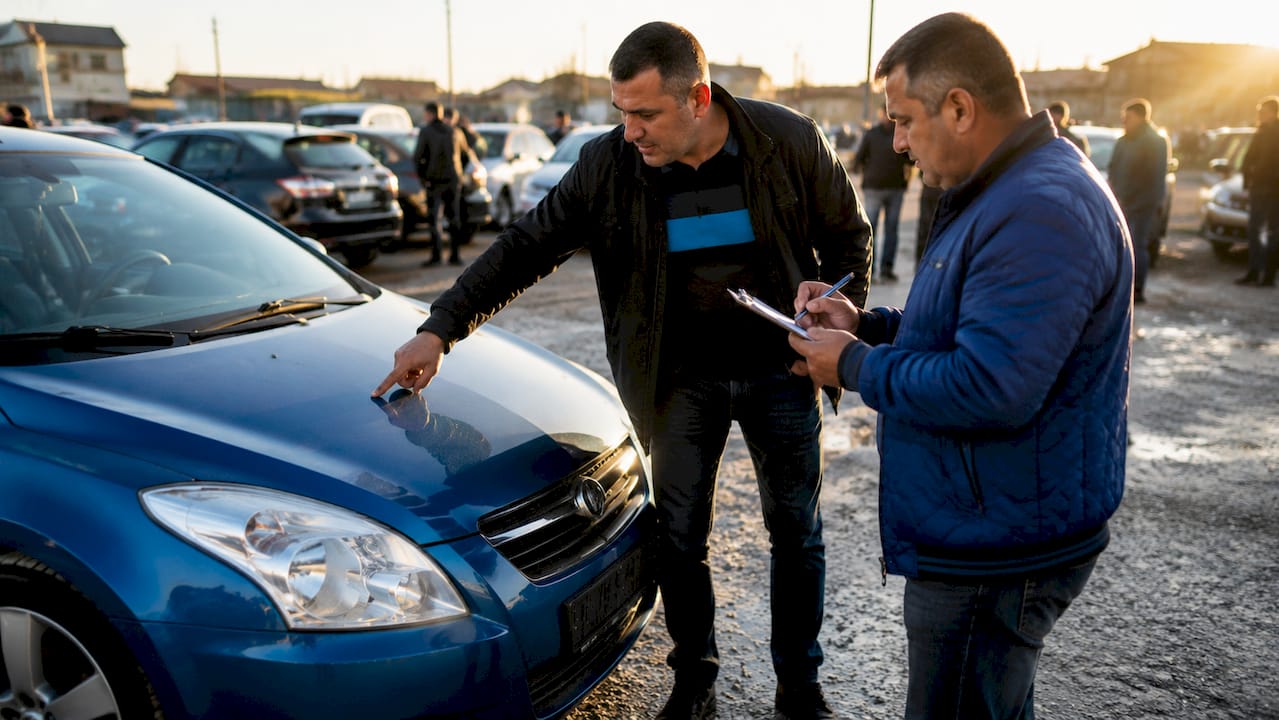
Presenting multiple pricing sources during negotiation is one of the most effective ways to hold your position. When a buyer pushes back, you can point to KBB, NADA, and local comps as independent confirmation of your price. That is harder to argue with than a number you pulled from instinct.
Buyer strategies: negotiating out-the-door price and avoiding hidden fees
Buyers make one consistent error: they negotiate the monthly payment or the sticker price instead of the total out-the-door cost. The out-the-door price is the only number that matters. It includes taxes, registration fees, documentation charges, and any dealer add-ons. Negotiating total out-the-door price prevents hidden fees from inflating your final cost after you have already agreed on a base number.
Watch for these common dealer fees that inflate the final bill:
- Documentation fees: Charged for processing paperwork. These are often negotiable or can be reduced.
- Preparation fees: Presented as cleaning or inspection costs. Ask for an itemized breakdown before agreeing.
- Dealer add-ons: Accessories or protection packages added to the vehicle without your request. You can decline most of these.
- Advertising fees: Some dealers pass their marketing costs to buyers. This is not standard and should be challenged.
Pro Tip: Never reveal your payment method early in the negotiation. Dealers profit from financing arrangements, and knowing you plan to pay cash may cause them to raise the vehicle price to compensate for lost financing income. Discuss payment only after you have agreed on the total price.
Walking away is the most underused tool in any buyer’s kit. Salespeople frequently drop prices when a buyer genuinely leaves the negotiation. This works because it demonstrates you are not emotionally attached to that specific vehicle. Bring printed or digital quotes from competing listings on Carpulse or other sources. A documented competing offer is far more persuasive than a verbal claim. For additional time-saving tactics before you even enter a dealership, car buying strategies that front-load your research can cut hours off the process.
How local market conditions in Albania affect vehicle pricing
Albania’s car market has specific characteristics that global pricing tools do not fully capture. Regional demand varies significantly between Tirana, Durrës, Shkodër, and smaller cities. A vehicle that sells quickly in Tirana may sit for weeks in a smaller market simply because the buyer pool is smaller. Understanding where demand concentrates helps you time your listing and set realistic expectations.
The table below compares key factors that influence pricing outcomes in Albania’s local market:
| Factor | High-demand scenario | Low-demand scenario |
|---|---|---|
| Location | Tirana, Durrës urban centers | Rural or smaller cities |
| Season | Spring and early fall | Winter months |
| Fuel type | Diesel and hybrid vehicles | High-displacement gasoline engines |
| Mileage | Under 100,000 km | Over 150,000 km |
| Vehicle age | 5 to 10 years old | Over 15 years old |
Seasonal timing matters more than most sellers acknowledge. Spring listings in Albania tend to attract more buyers because families are planning summer travel and buyers feel financially optimistic after the winter period. Listing in January or February typically means a longer time on market and more pressure to accept lower offers.
Psychological pricing thresholds also play a real role in how buyers perceive value. Mileage cutoffs at 75,000 and 100,000 kilometers are significant perception barriers. A vehicle at 98,000 km feels meaningfully different to a buyer than one at 102,000 km, even though the mechanical difference is negligible. If your vehicle sits just above one of these thresholds, price it to reflect that perception rather than fighting it. Choosing the right platform for your listing also affects exposure. Carpulse gives sellers access to Albania’s largest active buyer base, which directly improves the speed and quality of inquiries you receive. You can review how to list cars online in Albania to get your listing in front of the right audience quickly.
Key takeaways
Accurate vehicle pricing in Albania requires triangulating KBB, NADA Guides, and local market data, then applying condition adjustments and negotiation tactics specific to your role as buyer or seller.
| Point | Details |
|---|---|
| Triangulate three sources | Average KBB, NADA, and local comps to build a defensible price range. |
| Condition tier accuracy | Overestimating condition is the leading cause of stagnant listings; be honest about wear. |
| Seller listing buffer | List 3% to 5% above your floor price to preserve negotiation room. |
| Buyer out-the-door focus | Negotiate total cost including all fees, not just the base vehicle price. |
| Local market timing | Spring listings in Albania attract more buyers; mileage thresholds affect perceived value. |
What I have learned pricing cars in Albania’s market
After watching hundreds of transactions play out in Albania’s car market, the pattern is consistent. Sellers who overprice based on emotional attachment to their vehicle spend months negotiating down to where they should have started. Buyers who walk in without data get steered toward monthly payment conversations that obscure the real cost. Both groups would do better with thirty minutes of preparation than with hours of back-and-forth at the table.
The most underrated skill in any car transaction is patience. A seller who can genuinely wait two weeks for the right buyer will almost always net more than one who needs to close this weekend. A buyer who is willing to walk away from a deal and come back three days later often finds the price has moved. The data matters, but your ability to stay calm and let the other party feel the pressure of time is what actually closes deals at the right number.
Albania’s market is also more relationship-driven than many Western markets. Sellers who are transparent about a vehicle’s history and honest about its condition build trust faster, and trust closes deals. Buyers who show up prepared with printed comps and a clear budget signal that they are serious, which often prompts sellers to skip the opening theater and get to real numbers faster. Use the buying and selling guide for Albania as a reference before your next transaction.
— Henri
Find your next car or list yours on Carpulse
Carpulse is Albania’s largest online car marketplace, built specifically for buyers and sellers who want accurate pricing and real market exposure. Every listing on Carpulse reflects current local demand, giving you live comparable data to validate your pricing before you commit to a number.
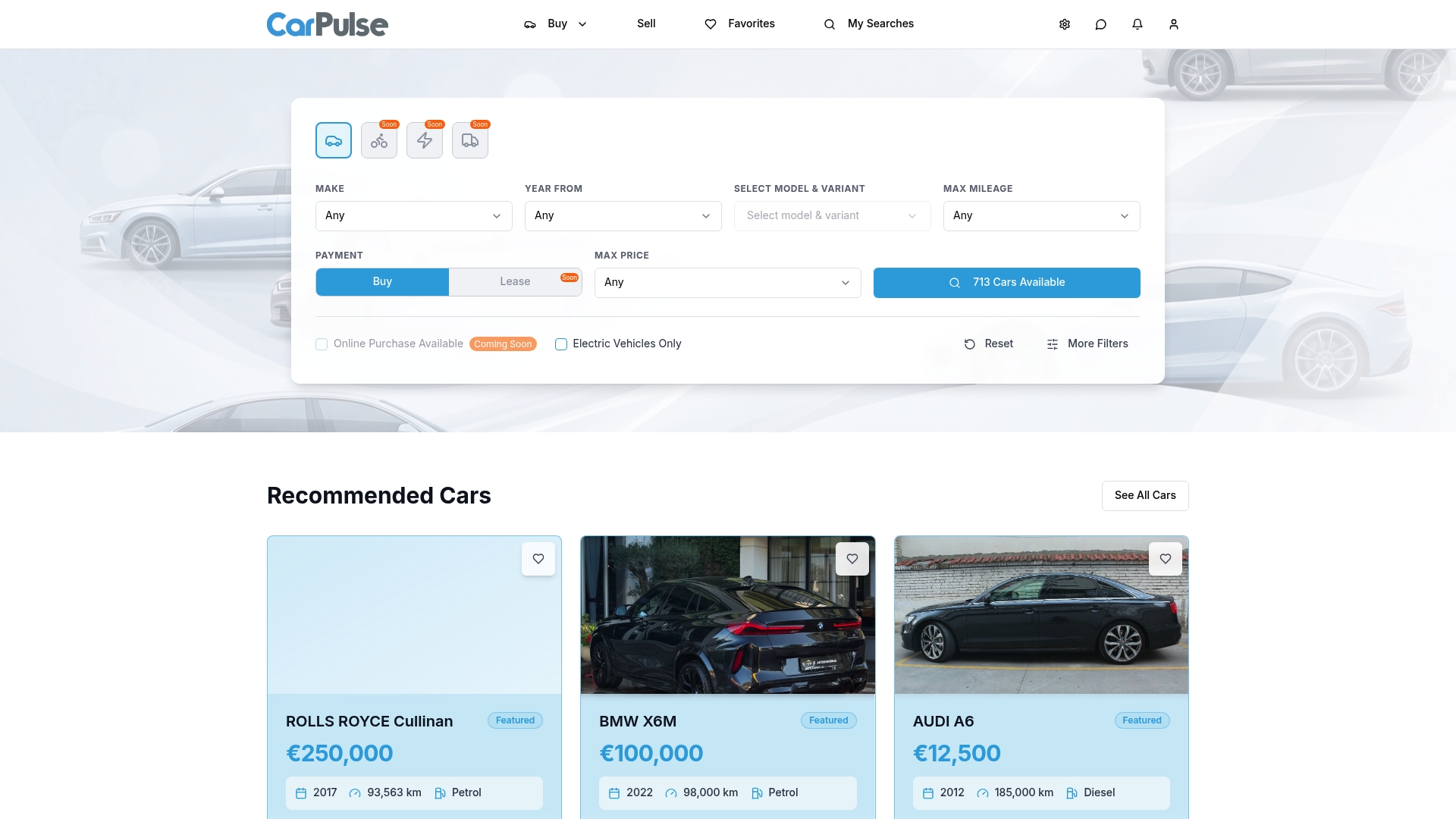
Sellers can create listings using VIN-based entry, which auto-populates vehicle details and reduces errors. Buyers can filter by make, model, year, mileage, fuel type, and price to find exactly what they need. Whether you are implementing the pricing strategies from this guide or searching for your next vehicle, browse the Albanian car market on Carpulse to see what the market is actually doing right now. The Carpulse mobile app for iOS and Android keeps you connected to new listings and inquiries wherever you are.
FAQ
What is the best way to price a used car for private sale?
Average your Kelley Blue Book private-party value, local market comparisons within your region, and NADA Guides as a ceiling. Then adjust down based on your vehicle’s honest condition tier and list 3% to 5% above your minimum acceptable price.
How do I know if my listing price is too high?
If you receive no serious inquiries within 48 to 72 hours of posting, your price is likely above market. A price reduction of 4% to 5% after five days without offers typically resets buyer interest.
What fees should buyers watch for when buying from a dealer?
Focus on the total out-the-door price, which includes documentation fees, preparation fees, dealer add-ons, and taxes. These charges can add hundreds to the base price if you negotiate only the sticker number.
Does vehicle mileage affect price perception in Albania?
Yes. Mileage thresholds at 75,000 and 100,000 kilometers are significant psychological barriers for Albanian buyers. Vehicles just above these cutoffs should be priced to reflect that perception, not priced as if the threshold does not exist.
When is the best time to sell a car in Albania?
Spring is the strongest selling season in Albania. Buyer activity increases as families prepare for summer and financial confidence rises after winter. Listings posted in January or February typically take longer to sell and face more price pressure.
Recommended
- Makina në Shitje: Udhëzuesi i Plotë Blerje/Shitje në… | CarPulse Albania
- Blej Makina në Shqipëri: Udhëzuesi i Plotë | CarPulse.al | CarPulse Albania
- Çmimet e Makinave të Përdorura në Shqipëri: Faktorët Kyç… | CarPulse Albania
- Çfarë ndikon në çmimet e makinave të përdorura në Shqipëri? | CarPulse Albania