Guides
Car Lease Tips for Beginners: What You Need to Know

Car Lease Tips for Beginners: What You Need to Know

TL;DR:
- Leasing a car involves understanding key terms, costs, and end-of-lease options rather than just focusing on monthly payments. First-time lessees should negotiate the capitalized cost, estimate real mileage needs, and check their credit score to obtain favorable terms. Proper planning, including inspecting the vehicle before return and comprehending lease end costs, ensures a successful leasing experience.
Leasing a car sounds simple until you’re staring at a contract full of terms you’ve never seen before. If you’re in Albania and considering your first lease, the good news is that car lease tips for beginners don’t have to be complicated. Leasing, formally called a vehicle operating lease, lets you pay for the portion of a car you use rather than its full value. That makes monthly payments lower than a loan. But it also comes with rules, fees, and traps that catch first-timers off guard. This guide breaks it all down clearly so you can sign with confidence.
Key Takeaways
| Point | Details |
|---|---|
| Know your numbers first | Check your credit score and set a realistic monthly budget before talking to any dealer. |
| Understand the terminology | Learn terms like money factor, residual value, and capitalized cost before reading any lease offer. |
| Negotiate the selling price | Lowering the vehicle’s capitalized cost reduces your monthly payment more than any other single factor. |
| Plan your mileage honestly | Mileage overages cost $0.12 to $0.30 per mile, so estimate conservatively and build in a buffer. |
| Know your lease-end options | At term end, you can return the car, buy it out, or start a new lease. Plan ahead to avoid surprise fees. |
1. Understand car lease basics before anything else
The most important car lease tips for beginners start with understanding what leasing actually is. When you lease a vehicle, you are not buying it. You are paying for the depreciation that occurs during the contract period, plus a financing charge. At the end of the term, the car goes back to the dealer unless you choose to buy it.

Lease terms typically run 24 to 36 months. Your monthly payment covers what the car loses in value during that window, not any ownership equity. That distinction matters. You will never own this car outright unless you pay the agreed residual value at the end.
For Albanian readers exploring leasing for the first time, it helps to read the full Carpulse guide on vehicle financing in Albania to understand how local leasing contracts differ from standard loans.
2. Check your credit score before approaching dealers
Your credit score has a direct impact on the quality of lease terms you will be offered. Better credit scores qualify you for a lower money factor, which is the leasing equivalent of an interest rate. A weak score can result in a noticeably higher monthly payment, even for the same car.
Pull your credit report before visiting any dealership. If your score needs work, spend two to three months paying down balances before applying. A few points can make a real difference in what you’re offered.
Pro Tip: If you have a strong credit history, ask the dealer directly whether your credit score qualifies you for a security deposit waiver. Security deposits often equal one to two months of payments, and waiving them saves you cash upfront.
3. Estimate your real annual mileage needs
Mileage is where many first-time lessees lose money. Most leases cap annual mileage between 10,000 and 15,000 miles. Go over that cap, and you pay for every extra mile at the end of the contract.
Overage fees range from $0.12 to $0.30 per mile. At the high end, just 1,000 extra miles adds $300 to your final bill. Drive 5,000 miles over and you’re looking at up to $1,500 in surprise charges.
Track how much you currently drive per year using your existing car’s odometer or a simple driving log. Then add a buffer of 10 to 15 percent. It is always cheaper to negotiate a higher mileage allowance upfront than to pay overage penalties later.
Pro Tip: If you’re unsure about your driving habits, choose car leasing basics that offer flexible mileage packages, which some dealers in Albania provide on request.
4. Set a realistic budget including upfront costs
Most beginner guides focus on the monthly payment. That is a mistake. Your true cost includes several upfront items that can catch you off guard if you haven’t planned for them.
Here is what to budget for before signing:
- First month’s payment due at signing
- Acquisition fee, charged by the leasing company, typically $400 to $900
- Security deposit (one to two months of payments, sometimes waivable)
- Drive-off fees, which cover registration and documentation
- Down payment if you choose to make one to lower monthly costs
Not all upfront fees are negotiable, but some are. The acquisition fee is usually fixed. The security deposit and down payment often have room. Read the Carpulse guide on financing a car in Albania for a fuller breakdown of what fees typically appear in Albanian lease agreements.
5. Learn the key leasing terms
You cannot negotiate what you don’t understand. Here are the terms you must know before signing any lease contract:
- Capitalized cost: The agreed selling price of the vehicle. This is the number you want to negotiate down.
- Residual value: The car’s projected worth at the end of the lease. A higher residual value means lower monthly payments because you’re covering less depreciation.
- Money factor: The financing cost expressed as a small decimal, such as 0.0023. Multiply by 2400 to convert to an interest rate equivalent. So 0.0023 × 2400 = 5.52 percent.
- Mileage cap: The maximum miles you can drive per year without penalty.
- Gap insurance: Covers the difference between what you owe on the lease and the car’s actual market value if it gets totaled or stolen.
On that last point: not all leases include gap insurance automatically. Some contracts leave this out entirely. If yours does, you are exposed to significant financial risk if the car is a total loss. Always check, and always get it in writing if it’s included.
Pro Tip: Ask the dealer to confirm in writing whether gap insurance is already bundled into your lease. If not, add it. The cost is minimal compared to the protection it provides.
6. Shop multiple dealers and compare offers in writing
One of the strongest pieces of first car lease advice is this: never accept the first offer. Dealers expect negotiation. Walking in without competing quotes puts you at a disadvantage immediately.
Contact at least three dealers by email. Email creates a written record of every number they give you, which you can reference later. Comparing multiple written quotes gives you real leverage when negotiating.
Here is a quick comparison of what you should be looking at across dealer offers:
| Factor | What to compare |
|---|---|
| Capitalized cost | The vehicle’s agreed selling price before deductions |
| Money factor | The financing rate (lower is better) |
| Residual value | The car’s projected end value (higher is better for you) |
| Mileage allowance | Annual miles included without penalty |
| Upfront fees | Total drive-off costs including deposits and acquisition fees |
Do not let a dealer rush you. Pressured deadlines are a tactic. “This offer expires tonight” almost never means what it sounds like. Take the time you need.
7. Negotiate the capitalized cost, not just the monthly payment
Here is the single most common mistake beginners make. They walk in focused on getting the monthly payment under a certain number. Dealers know this and use it. A dealer can lower your monthly payment by extending the term or inflating the residual value, without actually giving you a better deal.
What you should negotiate is the capitalized cost, which is the selling price. Negotiating the selling price directly reduces what you’re financing, which lowers your payment legitimately. Treat the lease like a purchase negotiation first. Get the price down, then talk about lease structure.
You can also negotiate the money factor. Ask the dealer what the buy rate is (the rate the leasing company offers) and compare it to what you’re being quoted. Any markup on the money factor goes straight into the dealer’s pocket.
8. Understand end-of-lease options and costs
Lease end is where many first-timers encounter costs they weren’t expecting. Exceeding mileage limits or returning a car with excessive wear leads to fees that can run into hundreds of dollars.
Wear and tear standards vary by leasing company, but generally:
- Small scratches and minor scuffs are acceptable
- Dents, cracked windshields, damaged tires, and interior stains are not
- Worn tires or missing parts will be charged back to you
About 60 to 90 days before your lease ends, schedule an independent inspection. Many dealers offer pre-return inspections for free. Use that time to repair anything that would cost more to leave for the dealer to fix. A small windshield chip costs far less at a repair shop than on your final bill.
At lease end, you have three choices. Return the car and walk away. Buy the car at the agreed residual value. Or start a new lease on a different vehicle. Early termination is expensive and should be a last resort. Plan to complete your full term from the start.
My take on what beginners actually get wrong
I’ve seen a lot of first-time lessees in Albania make the same mistakes repeatedly, and most of them come down to one thing: underestimating how binding a lease really is.
People focus on getting into the car and not on what happens 30 months later. In my experience, the readers who lease successfully are the ones who plan backward. They think about lease end before they sign. What will my mileage actually be? What condition will this car be in? Can I afford the buyout if I fall in love with the vehicle?
The other thing I’d push back on is the idea that leasing is always cheaper than buying. Lower monthly payments are real, but the true cost of a lease often lives in the gap between how you actually use the car and what the contract assumes. Get that gap wrong and the savings evaporate.
My honest advice: slow down, read the contract line by line, and never treat a dealership’s urgency as your urgency. You can also pair your lease research with reliable car maintenance cost planning to make sure your total budget holds up across the full lease term.
— Henri
Find your next leased vehicle on Carpulse
Ready to put this beginner leasing knowledge to work? Carpulse is Albania’s largest car marketplace, connecting you directly with verified dealerships and private sellers across the country.
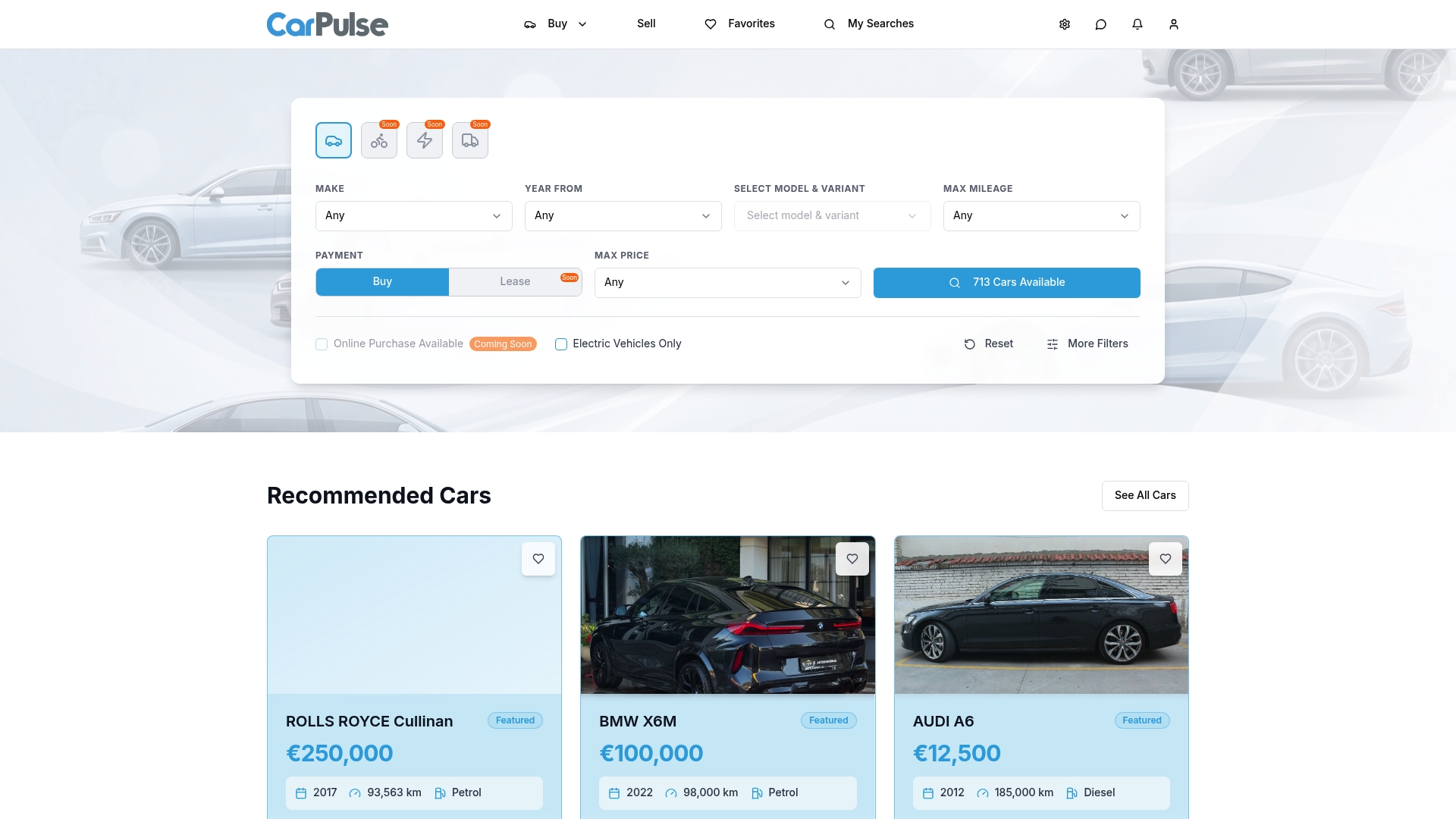
Browse new and used listings filtered by make, model, price, and fuel type. Save favorites, compare dealer offers side by side, and contact sellers without leaving the platform. Whether you’re ready to negotiate your first lease or still comparing options, Carpulse gives you the tools and the inventory to make a confident, informed decision. Download the app on iOS or Android and take Albania’s biggest car market with you.
FAQ
What is the typical length of a car lease?
Most car leases run 24 to 36 months. Payments cover the vehicle’s depreciation during that period plus a financing charge, not any ownership equity.
How does the money factor affect my lease payment?
The money factor is the financing cost on a lease. To see it as a standard interest rate, multiply by 2400. A lower money factor means lower financing charges and a lower monthly payment.
What happens if I drive over my mileage limit?
Overage fees typically run from $0.12 to $0.30 per mile. Driving 1,000 miles over your annual cap can cost up to $300 at the high end, billed at lease termination.
Is gap insurance always included in a lease?
No. Some lease contracts omit gap insurance entirely. Always verify in writing whether it is included. If not, purchase it separately to protect yourself if the car is totaled or stolen.
Can I negotiate a car lease like a purchase?
Yes, and you should. Start by negotiating the vehicle’s selling price (capitalized cost) before discussing lease terms. A lower capitalized cost directly reduces your monthly payment more than any other single factor.