Guides
Car dealer accreditation for safe buying in Albania

Car dealer accreditation for safe buying in Albania

TL;DR:
- Car dealer accreditation should come from independent bodies or automakers that verify a dealership’s standards and practices. Many Albanian dealerships claim certification without external verification, risking misleading claims and limited buyer protection. Verifying both dealership accreditation and individual vehicle history ensures a safer and more informed car purchase.
Buying a car in Albania can feel like navigating a maze, especially when every dealership seems to wave the same “certified” or “accredited” badge. The hard truth is that not all accreditations carry the same weight, and some are little more than marketing language dressed up to look official. Understanding what dealer accreditation actually means, who stands behind it, and how to verify it can be the difference between a smart purchase and a costly regret. This article breaks down exactly what to look for, what questions to ask, and how to protect yourself as an Albanian car buyer.
Table of Contents
- What is car dealer accreditation?
- Why accreditation matters for car buyers
- Types of accreditation and what to look for in Albania
- How to verify a dealer’s accreditation
- Why not all ‘accredited’ dealers are equal: What Albanian buyers should really know
- Find trusted, accredited dealers easily with CarPulse
- Frequently asked questions
Key Takeaways
| Point | Details |
|---|---|
| Accreditation meaning | It means a dealership meets independent standards for quality and customer protection but not all accreditations are equal. |
| Buyer protection | Accredited dealers often offer better consumer protection and clear dispute resolution pathways. |
| No national standard | In Albania, expect to find various dealer and third-party programs instead of one official accreditation. |
| Verify claims | Always check who accredits a dealer, what standards are involved, and if there is genuine coverage. |
| Dealer vs. car certification | Dealership accreditation and individual car certification are not the same and both need verification. |
What is car dealer accreditation?
The word “accreditation” sounds authoritative, but its meaning shifts depending on who’s using it. Before you trust any badge on a dealership wall or website, you need to understand where it actually comes from.
At its core, car dealer accreditation means an independent body or automaker verifies that a dealership meets defined standards, follows a code of practice, and qualifies for membership or approval. Notice the key word: independent. Genuine accreditation is not something a dealership awards itself. It comes from a third party that has set clear rules and checks whether the dealer follows them.
Who can grant accreditation? Three main sources exist:
- Government agencies: Regulatory bodies that license businesses and enforce consumer protection laws.
- Automakers (OEMs): Brands like Mercedes-Benz, Toyota, or Volkswagen often run their own dealer approval programs. A dealership authorized to sell their vehicles must meet specific training, facility, and service standards.
- Independent certification bodies: Organizations like The Motor Ombudsman in the UK set codes of practice and allow consumers to escalate complaints when disputes remain unresolved.
The distinction between genuine accreditation and a generic dealer claim matters enormously. Many car dealerships in Albania advertise themselves as “certified” or “approved” without specifying who certified them or what that certification actually required. A self-proclaimed badge is simply a marketing claim, not a verified standard.
“Car-dealer accreditation generally means an independent body or the automaker verifies that a dealership meets defined standards and follows a code of practice, then grants membership or approval to qualified businesses.” — The Motor Ombudsman
Key attributes that distinguish a genuinely accredited dealer include transparent complaint procedures, documented inspection standards, ongoing compliance reviews (not just a one-time check), and clear consumer rights in the event of a dispute.
Why accreditation matters for car buyers
Accreditation is not just a technical label. For you as a buyer, it translates into real, practical protection that can save you money and stress.
Here are the core benefits, in order of importance:
- Consumer protection standards: An accredited dealership has agreed to follow specific rules about how vehicles are presented, priced, and sold. This reduces the risk of misleading descriptions or hidden defects being passed off as acceptable.
- Dispute resolution pathways: If something goes wrong after the sale and you cannot resolve the issue directly with the dealer, accreditation gives you an escalation route. A key buyer benefit of accreditation schemes is exactly this: consumer protection through defined standards and a clear escalation path when disputes can’t be resolved at the dealer level.
- Warranty and coverage programs: Many manufacturer-accredited dealers offer certified pre-owned (CPO) programs with extended warranties. These programs are typically tied to accredited status and carry more legal weight than a verbal promise.
- Accountability and recourse: When a dealer is accredited, there is a body above them that can sanction or remove their accreditation if they behave badly. That threat keeps most accredited dealers operating honestly.
For Albanian buyers specifically, the stakes are high. The used car market in Albania includes vehicles imported from across Europe, and the absence of a unified national framework makes it easy for bad actors to operate. Understanding safe used car buying in Albania is essential because the risks are not hypothetical. Odometer fraud, undisclosed accident histories, and misrepresented ownership records are real concerns in the Albanian market.
Pro Tip: Before visiting any dealership, search for consumer reviews on multiple platforms, not just the dealer’s own website. A pattern of unresolved complaints is often more revealing than any certification logo.
A useful data point to keep in mind: studies on used car markets across Southeast Europe consistently show that buyers who verify dealer credentials before purchasing report significantly fewer post-sale disputes than those who rely on first impressions alone. Trust, but verify.
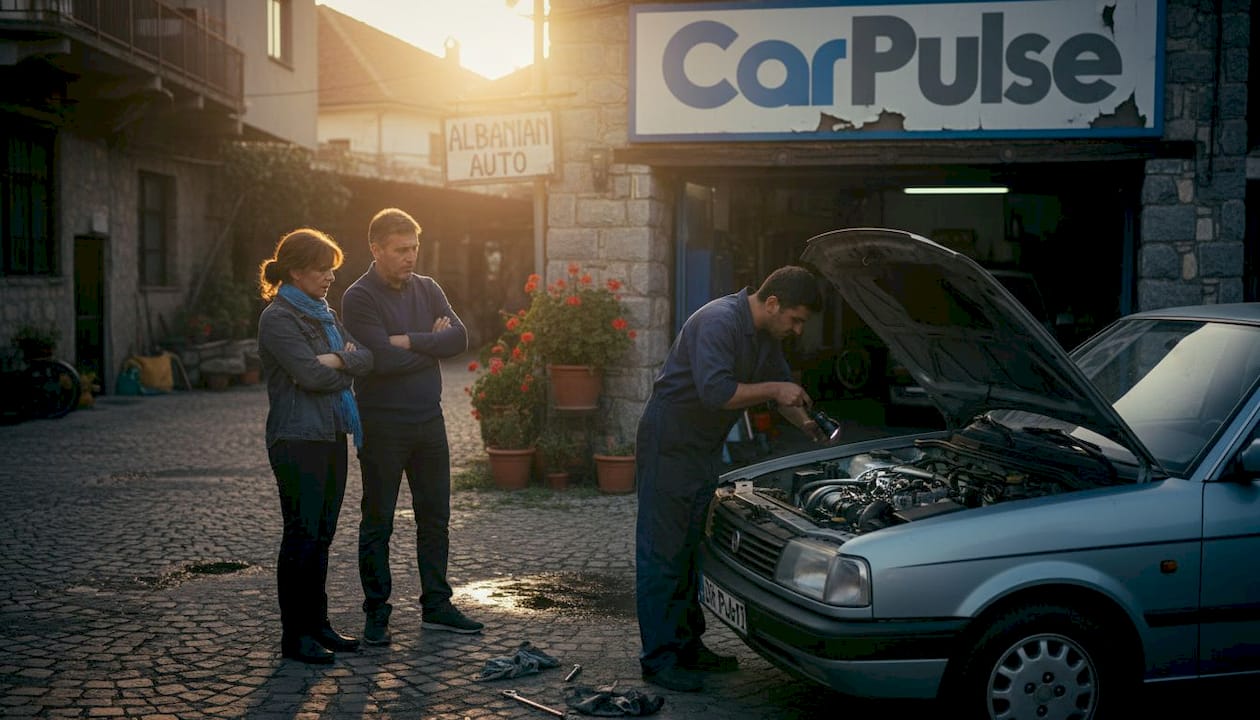
Types of accreditation and what to look for in Albania
Albania does not yet have a single, standardized national accreditation program for car dealerships. That means when you walk into a showroom and see a certificate or badge, you need to do extra work to understand what it actually represents.
In practice, buyers in Albania may encounter a mix of OEM network approval, distributor or manufacturer programs, and third-party warranty or inspection schemes. The practical approach is to verify the exact credential behind any “accredited,” “approved,” or “certified” wording a dealership uses.
Here is a comparison of the main types you might encounter:
| Accreditation type | Who grants it | What it covers | Dispute process |
|---|---|---|---|
| OEM/manufacturer approval | Car brand (e.g., Toyota, BMW) | Sales, service, and facility standards | Escalation to the manufacturer |
| Distributor program | Regional importer or distributor | Meets importer’s resale requirements | Through the distributor |
| Third-party certification | Independent inspection/warranty firm | Vehicle inspection, sometimes warranty | Defined by that firm’s terms |
| Self-proclaimed “certified” | The dealer itself | Nothing verifiable externally | None |
The table above makes one thing very clear: the last row offers you nothing beyond the dealer’s own word. Yet this is the type of “certification” most commonly advertised by smaller dealerships across Albania.
When evaluating any accreditation claim, look specifically for these elements:
- The full name of the accrediting body, not just a logo
- A membership or registration number you can look up
- The date the accreditation was last renewed
- Whether the accreditation covers service and repairs in addition to sales
- What happens to your rights if the dealer loses their accreditation
A good complete car buying guide for Albania will always recommend verifying credentials independently rather than accepting a dealer’s word at face value.
Pro Tip: Ask the dealer to show you their accreditation certificate in person and give you the contact details for the accrediting body. A legitimate dealer will do this without hesitation. Reluctance or vague answers are red flags.
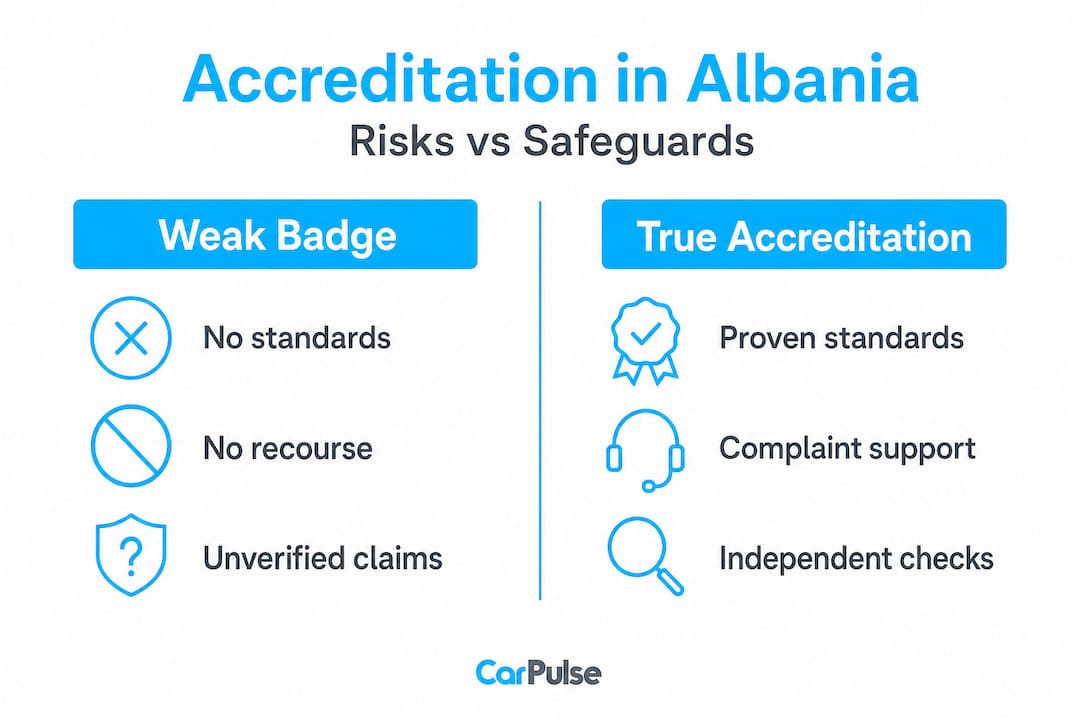
Relying on a weak or purely marketing-based certification carries real risks: no enforceable standards, no recourse if something goes wrong, and no independent oversight of the dealer’s claims about any vehicle they sell.
How to verify a dealer’s accreditation
Spotting a badge is easy. Confirming it’s real takes a few deliberate steps, but the effort is absolutely worth it for a purchase as significant as a vehicle.
Here is a practical, numbered checklist to follow before committing to any Albanian dealership:
- Ask who accredits them. Get the full name of the accrediting entity and verify independently that the entity exists and is credible.
- Request the standards document. What specific standards must the dealer meet? How often are they audited? A vague answer here suggests the accreditation may not be meaningful.
- Confirm coverage scope. Does the accreditation cover the entire dealership, specific sales, or only after-sales service? This distinction matters significantly.
- Ask about the dispute process. If you have a problem after buying, who do you contact? What is the escalation path if the dealer doesn’t resolve it?
- Check expiry. Accreditations are renewed periodically. Confirm the current credential is active, not expired.
- Look for independent verification online. Search the dealer’s name alongside the accrediting body’s name. Real accreditation programs typically publish member lists.
In practice, buyers should treat “accreditation” as a checkable claim by asking what entity accredits the dealer, what exact standards and inspection steps are involved, what coverage or warranty exists, and what complaint or dispute process applies.
Here is a quick reference table to use during your dealer visit:
| Element to check | Questions to ask | Green flag | Red flag |
|---|---|---|---|
| Accrediting entity | Who certified you? | Named, verifiable body | Vague or self-described |
| Standards | What rules must you follow? | Written, specific standards | “We have high standards” |
| Coverage | Does this cover this car? | Explicit vehicle coverage | Operational only |
| Dispute process | How do I escalate if needed? | Named body with contact info | “Talk to us directly” |
| Renewal | When was this last reviewed? | Recent date, regular cycle | Old or never renewed |
When listing cars safely online in Albania, reputable sellers also understand that transparency builds trust. The same logic applies in reverse: a trustworthy dealer is transparent about their credentials without being asked twice.
Red flags that should prompt you to walk away:
- The dealer cannot name the accrediting body clearly
- No written documentation of the accreditation is available
- The accreditation expired and has not been renewed
- The dealer claims their accreditation covers the vehicle’s history but cannot provide a third-party vehicle report
- Pressure tactics that discourage you from taking time to verify claims
Why not all ‘accredited’ dealers are equal: What Albanian buyers should really know
Here is where most buyers make their biggest mistake. They see an accreditation badge, feel reassured, and stop asking questions. The reality is that passing an accreditation check says a lot about a dealership’s processes and very little about the specific car parked in their lot.
Think of it this way: a restaurant can have a perfect hygiene certificate and still serve you a bad meal. The certificate covers the kitchen’s cleanliness standards, not the quality of every dish. Dealer accreditation works similarly.
Accreditation may apply to the dealership’s operations, including processes, dispute handling, and workshop standards, rather than to the specific vehicle you want to buy. The car itself may have a distinct certification or inspection, such as a certified pre-owned (CPO) program, with its own standards entirely separate from the dealership’s operational accreditation.
This is a critical distinction. An accredited dealer selling a vehicle with an undisclosed prior accident is not necessarily violating their operational accreditation. Unless the accreditation program specifically requires vehicle-level disclosure and inspection, the accreditation offers you limited protection on that particular car.
So what should you do? Verify both layers:
- Layer one: The dealership’s accreditation (who, what standards, dispute process)
- Layer two: The individual vehicle’s certification, inspection history, and documentation
For used cars specifically, always request a third-party vehicle history report and an independent pre-purchase inspection. These steps give you car-level protection that the dealership’s badge simply cannot provide on its own.
When considering car financing in Albania, lenders often require proof of vehicle condition, which reinforces why individual car documentation matters as much as dealer credentials. Don’t let a polished showroom or a well-designed logo short-circuit your due diligence on the actual vehicle.
The smartest buyers in the Albanian market are the ones who treat both the dealership and the vehicle as separate things to be verified independently. That dual verification mindset is the real protection, not a badge on the wall.
Find trusted, accredited dealers easily with CarPulse
Now that you know what to look for, here’s how you can put this knowledge to work right away.
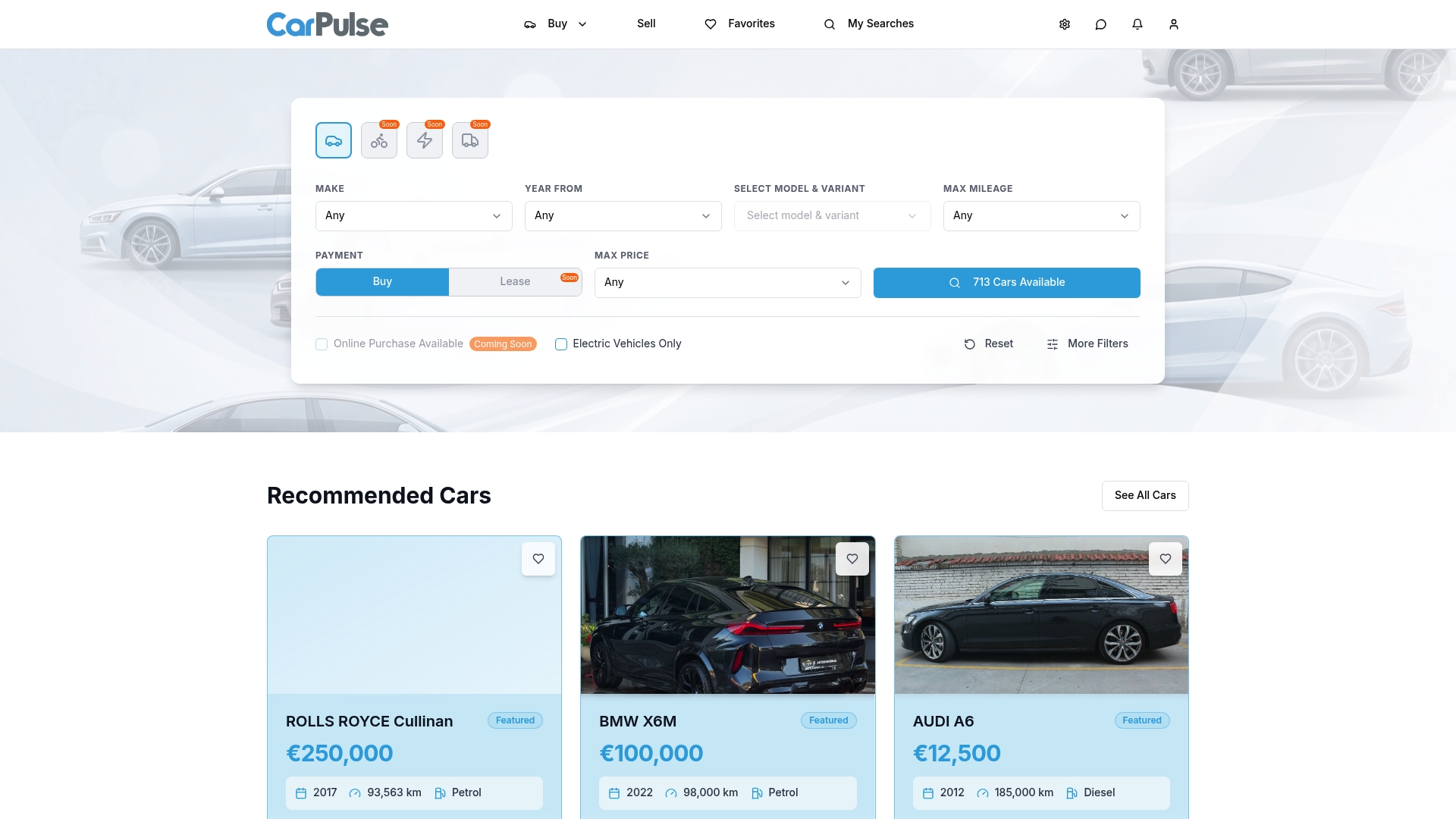
CarPulse is Albania’s online car marketplace, built specifically to make this process simpler and safer. When you find accredited dealers on CarPulse, you’re browsing a platform that connects buyers with verified dealerships and private sellers in one place. You can filter listings by make, model, year, price, mileage, and fuel type, making it straightforward to compare options without being pressured. Dealerships on CarPulse use VIN-based listings, which automatically populate accurate vehicle details, reducing the risk of misleading descriptions. Whether you’re ready to buy or looking to sell your car in Albania, CarPulse provides a transparent environment where credentials and listings are clearly presented. Learn more about CarPulse and see why more Albanian buyers and sellers are choosing a smarter way to transact.
Frequently asked questions
What does dealership accreditation really guarantee?
Accreditation verifies that a dealer meets defined standards and offers a structured dispute resolution process, but it does not automatically guarantee the quality or condition of every individual car they sell.
Is there a national accreditation for car dealers in Albania?
No single, standardized national accreditation exists in Albania; buyers are likely to encounter a mix of manufacturer approvals, distributor programs, and third-party inspection schemes depending on the dealership.
Should I trust a dealer just because they say they’re ‘certified’?
Always treat accreditation as a checkable claim: ask who certified them, what specific standards apply, and how you can independently confirm those credentials before trusting the label.
Does accreditation cover the used car or only the dealership?
Typically, accreditation covers dealership operations such as processes and dispute handling, while vehicle-level certification (like a CPO program) is a separate layer that covers the individual car; you should verify both before purchasing.