
Guides
Essential car buying checklist for smart buyers in Albania
Essential car buying checklist for smart buyers in Albania
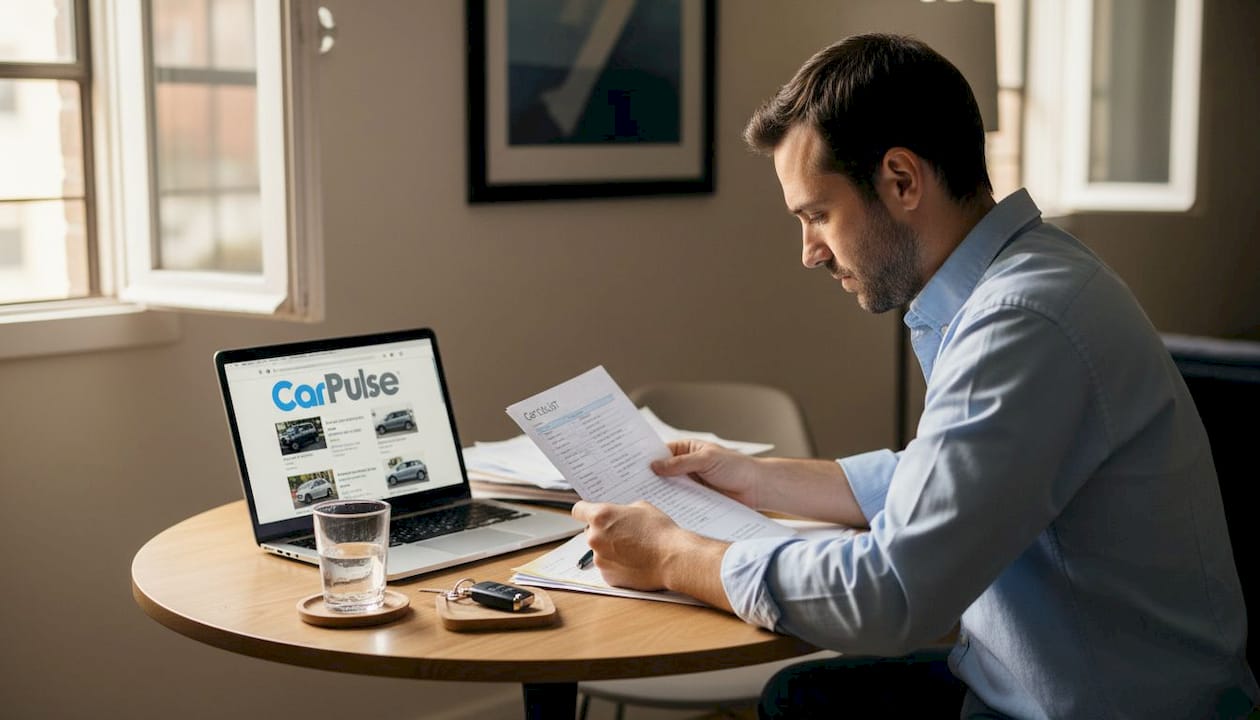
TL;DR:
- Thoroughly inspect and verify all paperwork to avoid hidden damages and ownership issues.
- Follow a step-by-step process including inspection, test drive, and legal transfer to ensure safety.
- Avoid shortcuts and urgency tactics; patience leads to smarter, more secure car purchases.
Buying a car in Albania can feel overwhelming, especially if it’s your first time. The market mixes new dealership vehicles with thousands of used imports, and the risks of overpaying, getting scammed, or missing hidden damage are very real. Most buyers rush the process because they’re excited or pressured, and that’s exactly when costly mistakes happen. This checklist walks you through every critical stage, from setting your budget to signing the final paperwork, so you can approach any purchase with confidence and make a decision you won’t regret.
Table of Contents
- Define your car needs and budget
- Inspecting the car: What to check physically
- Test drive essentials: How to evaluate performance
- Verifying car history: Records, ownership, and red flags
- Finalizing the purchase: Negotiation, payment, and paperwork
- Our take: Why most car buyers in Albania make risky shortcuts
- Find your next car with confidence on CarPulse
- Frequently asked questions
Key Takeaways
| Point | Details |
|---|---|
| Know your needs | Clarify your car’s purpose and budget before you start the hunt. |
| Inspect thoroughly | Careful inspection and test drives spot issues often missed in photos. |
| Verify all records | Always check ownership, history, and documents before buying. |
| Close deals legally | Follow official steps and never skip the legal transfer process. |
| Use expert resources | Rely on checklists and guides to avoid common mistakes in Albania. |
Define your car needs and budget
Before you look at a single listing, get clear on why you need a car and how you’ll use it. A young professional commuting in Tirana has very different needs from a family doing weekend trips or a contractor hauling equipment. Write down your primary use case first, then build your criteria around it.
Split your wishlist into two columns: must-haves and nice-to-haves. Must-haves might include fuel type, seating capacity, or automatic transmission. Nice-to-haves could be a sunroof, heated seats, or a specific color. This exercise prevents you from falling in love with a car that doesn’t actually fit your life.
Researching market prices in Albania takes some time, but it’s worth every minute. Browse active listings across multiple platforms and note the price range for the exact make, model, year, and mileage you want. Setting a budget helps buyers avoid overspending and narrows choices quickly, which saves you from endless scrolling and decision fatigue.
Your total budget must go beyond the sticker price. Factor in:
- Registration and transfer fees
- Road tax and annual vehicle tax
- Mandatory third-party insurance (TPL)
- First-year maintenance and potential repairs
- Fuel and running costs
If you’re considering a loan, explore your car financing options early so you know your real ceiling before negotiating.
Pro Tip: Always reserve at least 10% of your total budget for unexpected costs. A car that seems perfectly priced can quickly become expensive once you add insurance, registration, and that first service appointment.
Inspecting the car: What to check physically
Once your criteria and budget are set, it’s time to see cars in person and start the inspection. Never rely only on photos, no matter how good they look online.
Here’s a step-by-step inspection sequence to follow every time:
- Walk around the exterior and look for uneven panel gaps, mismatched paint, or bubbling that signals rust underneath.
- Check all four tires for tread depth, uneven wear (which can indicate alignment or suspension issues), and matching brands.
- Open the hood and look for oil leaks, corrosion on battery terminals, and any signs of recent repairs that weren’t disclosed.
- Inspect the undercarriage if possible, checking for rust, bent components, or evidence of a previous collision.
- Sit inside and test every feature: windows, air conditioning, infotainment, seat adjustments, and all dashboard warning lights.
For used vehicles specifically, look for overspray on rubber seals around doors and windows. That’s a telltale sign of a repaint after accident damage. New cars aren’t immune either. Check for transport scratches, dents, or missing accessories that should be included.
“A thorough physical check highlights major defects and safeguards your investment. Never skip this step, even if the seller seems trustworthy.”
If you’re not mechanically confident, bring someone who is, or pay for a professional pre-purchase inspection. It costs far less than a surprise repair bill.
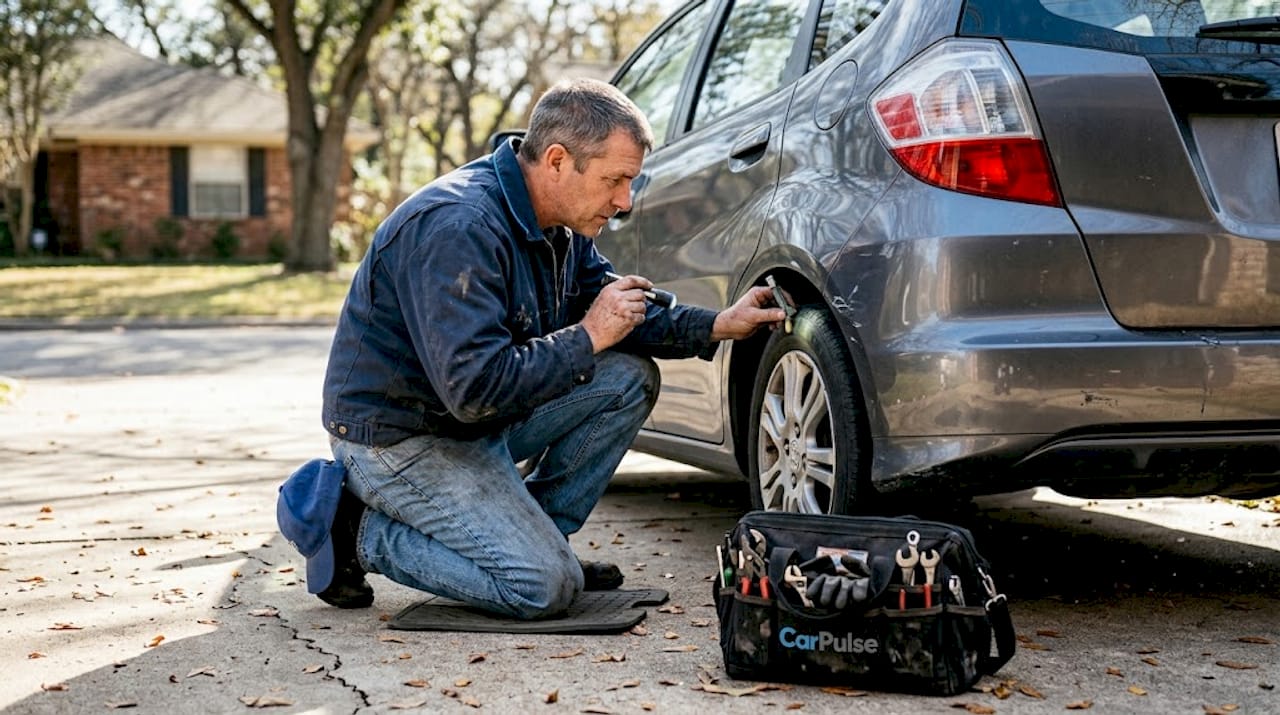
Pro Tip: Always inspect a car in daylight and in dry conditions. Wet paint hides scratches, and poor lighting makes it nearly impossible to spot dents or color mismatches.
For more detailed guidance, the test driving used cars guide covers what to look for before you even start the engine.
Test drive essentials: How to evaluate performance
With your first visual check complete, it’s crucial to get behind the wheel and properly evaluate how the car performs. A car can look perfect and still have serious mechanical problems that only reveal themselves when moving.
Before you drive, ask the seller for the service records and confirm the car is insured for a test drive. Bring your driver’s license and plan a route that includes city streets, a stretch of faster road, and at least one parking maneuver.
Follow these steps during the drive:
- Cold start: Arrive early and ask that the car hasn’t been warmed up. Cold starts reveal engine hesitation, unusual smoke, or warning lights that disappear once the engine is hot.
- Acceleration: Merge onto a main road and accelerate firmly. The car should respond smoothly without hesitation, jerking, or unusual sounds.
- Braking: Test the brakes at moderate speed. They should feel firm and straight, with no pulling to one side or vibration through the pedal.
- Steering: Drive in a straight line and briefly release the wheel. The car should track straight. Check for vibration or looseness in the steering.
- Comfort and noise: Listen for rattles, squeaks, or wind noise that shouldn’t be there. These can signal loose trim or poor seals.
A test drive can reveal issues impossible to spot while stationary, especially in used cars. Don’t cut it short.
“If a seller refuses a test drive, walk away. No legitimate seller with a roadworthy vehicle will deny you this basic right.”
If you’re considering a popular model like a Golf, the VW Golf buying tips guide covers model-specific things to watch for during your drive.
Verifying car history: Records, ownership, and red flags
After thoroughly inspecting and testing the car, ensure you check the paperwork to verify history and legal status before any payment. This step is where many Albanian buyers get burned.
Checking records reduces the risk of buying a car with hidden problems, outstanding loans, or disputed ownership. Always request the following documents:
- Vehicle registration certificate (leja e qarkullimit)
- Proof of ownership and a clear chain of title
- Service book showing maintenance history
- Valid insurance and any previous insurance records
- Import documentation for vehicles brought in from abroad
| Document | New vehicle | Used vehicle |
|---|---|---|
| Registration certificate | Issued at purchase | Must be current and match VIN |
| Service history | Starts fresh | Should show consistent records |
| Accident report | Not applicable | Request if available |
| Import documents | From dealer | Essential for imported cars |
| Outstanding finance check | Dealer confirms | Buyer must verify independently |
Red flags to watch for:
- Gaps in the service history with no explanation
- VIN numbers that don’t match across the dashboard, door frame, and paperwork
- A seller who is vague about previous owners or refuses to share documents
- Prices that are significantly below market value for no clear reason
Pro Tip: Always verify the VIN physically on the car and compare it to every document. A mismatch is an immediate dealbreaker, no exceptions.
For a deeper look at what makes a car trustworthy before you buy, the full buy/sell guide covers the full ownership verification process.
Finalizing the purchase: Negotiation, payment, and paperwork
Once you’ve confirmed the car’s history, it’s time to wrap up the deal and get the car legally and safely in your name.
Negotiation in Albania often involves an initial asking price that has room built in. Sellers expect some back-and-forth. Come prepared with comparable listings as evidence for your offer, and never show desperation or urgency. If you’ve found any issues during inspection or the test drive, use them as leverage for a lower price or ask the seller to fix them before closing.
Safe ways to handle payment:
- Bank transfer is the safest and most traceable option
- Cash is common but always get a signed receipt
- Never pay a deposit without a written agreement that specifies what happens if the deal falls through
- Avoid wire transfers to accounts you can’t verify
The legal transfer process in Albania requires both buyer and seller to visit a notary. You’ll need the original registration, proof of identity, and a signed sales contract. Understanding the legal transfer process protects buyers from scams and ownership issues that can take months to resolve.
| Cost item | Approximate range |
|---|---|
| Notary fee | 3,000 to 6,000 ALL |
| Registration transfer fee | 2,500 to 5,000 ALL |
| Annual road tax | Varies by engine size |
| TPL insurance (first year) | 8,000 to 20,000 ALL |
Before you drive away, confirm that the new registration is in your name and that your insurance is active. These two items are non-negotiable.
Our take: Why most car buyers in Albania make risky shortcuts
Here’s the uncomfortable truth: most buyers in Albania already know they should follow a checklist. They skip steps anyway.
We’ve seen it repeatedly. A seller creates urgency by saying another buyer is coming tomorrow. A friend vouches for the car. The price is too good to question. So the buyer skips the document check, skips the independent inspection, and signs quickly. Three months later, they’re dealing with a seized engine or a car that legally still belongs to someone else.
The most commonly skipped steps are the VIN verification and the independent mechanical inspection. Both feel unnecessary when the car looks clean and the seller seems honest. But looks and impressions are not facts.
Slow down. A safer buying process is not about being paranoid. It’s about recognizing that urgency is almost always a sales tactic, not a real constraint. Any legitimate seller will give you 24 to 48 hours to complete your due diligence. If they won’t, that tells you everything you need to know.
The buyers who regret their purchases almost always say the same thing afterward: “I knew something felt off, but I didn’t want to lose the deal.” Trust that feeling. The right car will still be there after a thorough check.
Find your next car with confidence on CarPulse
Armed with your checklist, here’s where CarPulse can help you put it to use with complete confidence.
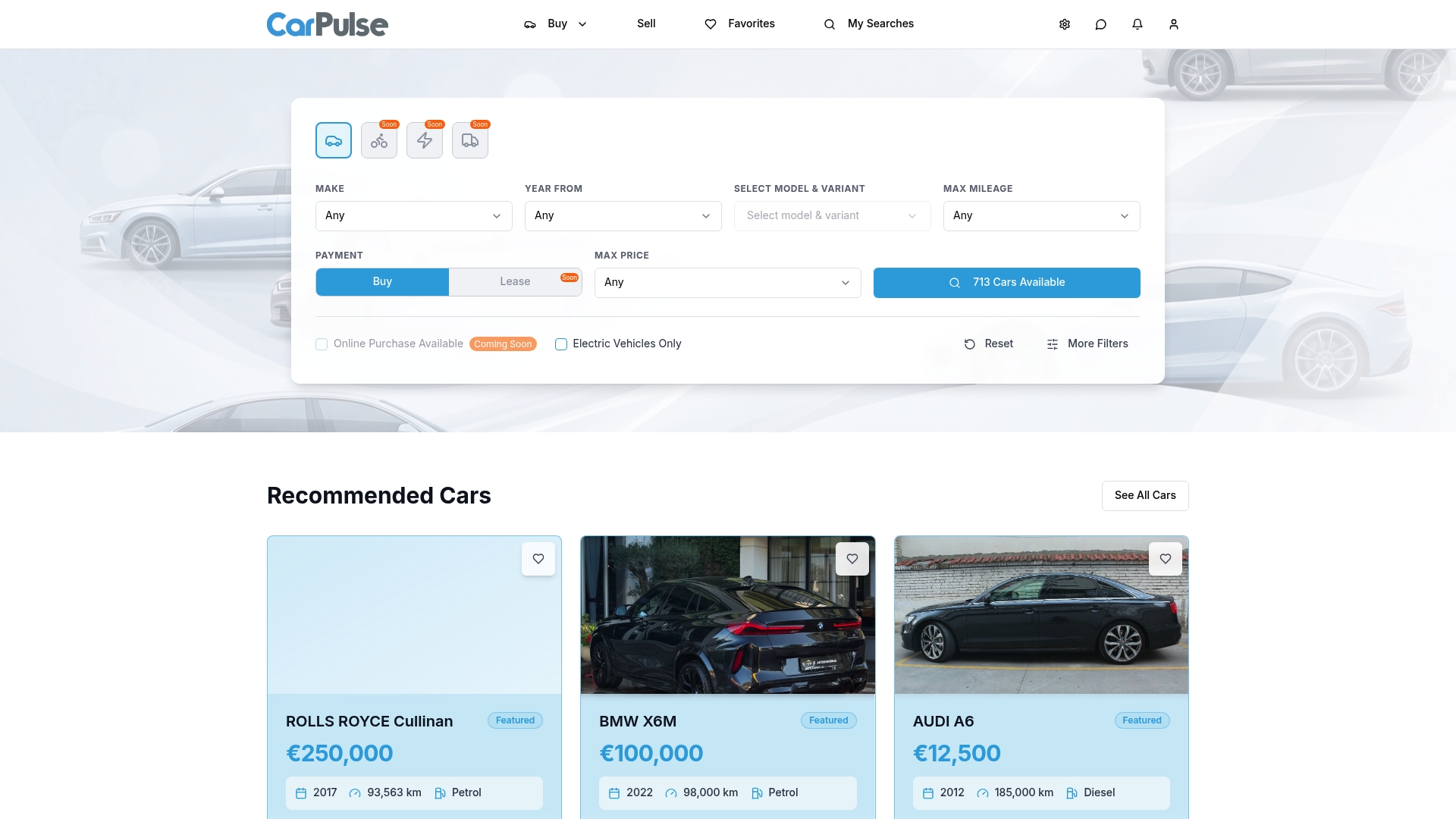
CarPulse is Albania’s dedicated car marketplace, built to support every stage of this checklist. You can view cars for sale with filters by make, model, year, mileage, price, and fuel type, so finding your shortlist takes minutes, not hours. Verified dealership listings give you an added layer of trust, and VIN-based listings mean the vehicle details are accurate from the start. If you want to go deeper before buying, the car buying guide Albania walks you through every decision point with local context. Browse, compare, and buy smarter with CarPulse.
Frequently asked questions
What documents do I need when buying a used car in Albania?
You’ll need the vehicle registration, proof of ownership, service history, and valid insurance to finalize your purchase. Essential documents also include import paperwork for vehicles brought in from abroad.
How can I tell if a used car in Albania has been in an accident?
Check for inconsistencies in body panels, paint color, and rubber seal overspray, and always review the car’s accident and service history. Accident records can reveal hidden issues that aren’t visible during a casual inspection.
Is a test drive important before buying a car?
A test drive is crucial to spot performance or mechanical issues that aren’t visible during a stationary inspection. Test drives reveal issues not obvious when the car is parked, especially in used vehicles with hidden wear.
What extra costs should I expect when buying a car in Albania?
Expect to pay for registration, taxes, insurance, and sometimes inspection or transfer fees in addition to the car’s price. Typical final costs can add 10 to 15 percent on top of the vehicle’s sticker price.