Reviews
Used Opel Corsa: what to check before buying — complete guide 2026
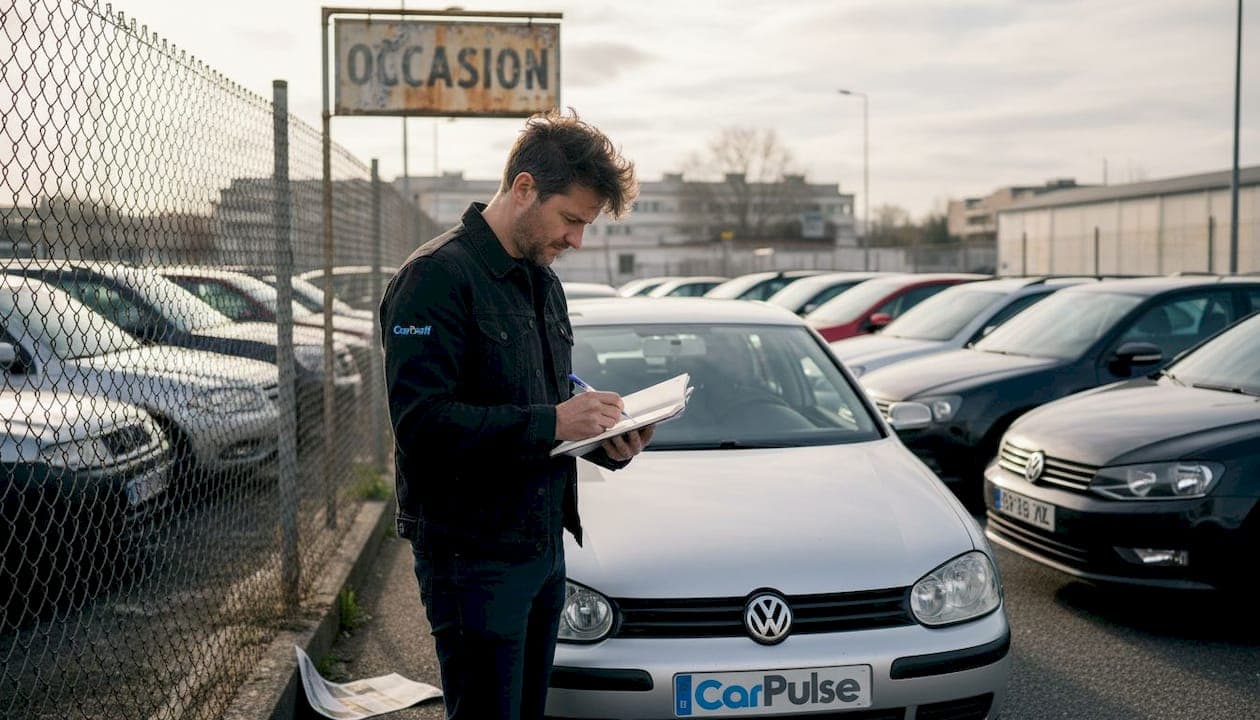
Used Opel Corsa: what to check before buying — complete guide 2026
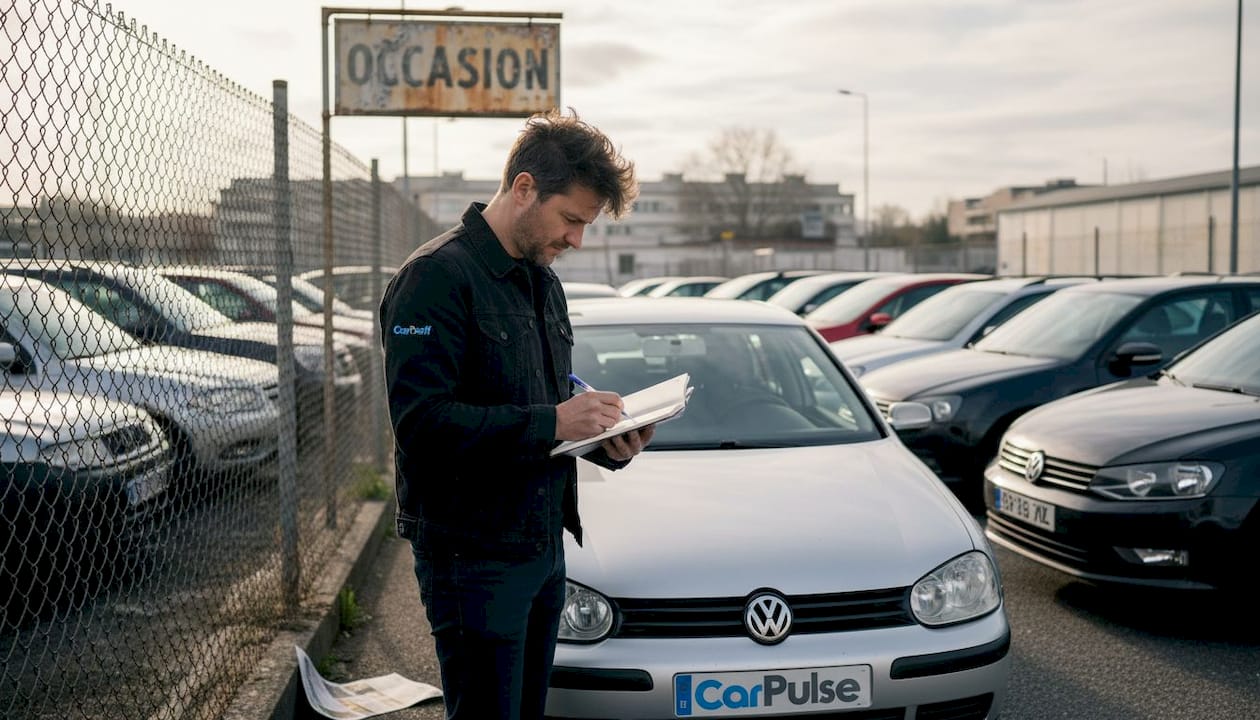
Summary:
- The Opel Corsa spans four distinct generations (D, E, F, G) with very different reliability profiles and price brackets — matching the right generation to your budget is the first decision to get right.
- Rust, timing belt neglect, and diesel DPF/EGR faults are the most expensive surprises on older Corsas; a thorough pre-purchase inspection and a visura PRA at ACI can save you from serious financial pain.
- Before signing anything, run the plate on CarPulse.it price valuation tool to confirm the asking price reflects actual market value in Italy.
The Opel Corsa is one of the best-selling city cars in Italian history. Millions of examples have changed hands on the peninsula over the past three decades, which means supply on the used market is exceptional — but quality varies enormously. Whether you are looking at a battered Generation D for €1,500 or a near-new Generation G PureTech for €20,000, the pitfalls are real and the due-diligence steps are non-negotiable. This guide walks you through everything: generations, known faults, what to physically inspect, Italian-specific paperwork, running costs, and where to find trustworthy listings. To get started right away, browse verified used Opel Corsas on CarPulse.it — every ad comes with provenance data so you can compare properly.
Generations and specifications
The Corsa has been sold in Italy under the Opel badge (and briefly as Vauxhall Corsa in parallel markets) since 1982, but the generations most commonly found in the Italian used-car market today are D, E, F, and G.
Generation D (1993–2006)
The D-series is the "classic" Corsa: boxy, practical, and extremely cheap to buy. In Italy you will find petrol variants of 1.0, 1.2, and 1.4 litres alongside 1.5 and 1.7 diesel engines. Prices on the private market range from roughly €1,500 to €4,000 depending on mileage, revision status, and condition. This is the generation to consider if your budget is tight, you need a first car, or you want the lowest possible insurance and bollo outlay.
The main structural risk with a D-series is rust. Italian road salt on northern motorways and coastal humidity in the south both attack the wheel arches, sills, and underbody floor. Any D-series must be inspected on a lift or at minimum with a torch and a screwdriver probing suspicious bubbles. Surface rust is cosmetic; perforated sills or a compromised floor pan are structural and will fail the Italian revisione (periodic roadworthiness test).
Generation E (2006–2014)
The E-series modernised the Corsa with a smoother body, updated interiors, and improved safety ratings. The most common engines in Italy are the 1.2 and 1.4 petrol units and the 1.3 CDTi diesel — a Fiat-sourced MultiJet engine also used across the PSA and GM alliance. Prices range from €4,000 to €9,000.
Key known issues on the E-series:
- Petrol models — timing belt: The 1.2 and 1.4 Z-family engines use a rubber timing belt that Opel recommends changing every 100,000 km or 8 years, whichever comes first. An E-series with undocumented or high-interval service history almost certainly needs an imminent belt change. Budget €250–400 at an Italian officina, and factor in the water pump and tensioners at the same time.
- Diesel models — EGR valve: The 1.3 CDTi's exhaust gas recirculation valve is notorious for clogging, especially on short-distance urban cycles common in Italian city use. Symptoms include rough idle, reduced power, and a check-engine light. Cleaning is cheap (€80–120); replacement is more expensive (€200–350).
- Diesel models — DPF and turbo: Diesel particulate filter regeneration requires sustained motorway driving at temperatures above 500 °C. City-only Italian use often results in a blocked DPF (€300–600 to clean, €800–1,500 to replace). Turbocharger wear is also common on high-mileage 1.3 CDTi units where oil changes have been skipped.
Generation F (2014–2019)
The F-series brought a sharper design, a proper touchscreen infotainment option, and improved passive safety. Petrol buyers will find the 1.4 Turbo (90–150 hp) and naturally aspirated 1.4; diesel is again the 1.3 CDTi. Price range: €8,000–14,000.
Key known issues on the F-series:
- DPF (diesel): Same short-cycle city-driving problem as the E-series CDTi — even more acute because buyers of the F-series in Italy often use it as a commuter in Milan, Turin, or Rome rather than motorway driving.
- Timing chain on the 1.4T at high mileage: Unlike the belt-driven smaller engines, the 1.4 Turbo uses a chain, which in theory is "lifetime." In practice, oil change neglect above 120,000 km can cause chain stretch, leading to rattling on cold start and eventual timing failure. Always listen carefully at cold start during the test drive.
- Infotainment software: Early Intellilink units developed screen freeze and Bluetooth pairing issues. Opel issued OTA and dealer updates; check the unit works cleanly before purchase.
Generation G (2019–present)
The G-series is built on PSA's CMP platform (shared with the Peugeot 208 and DS 3). It is a fundamentally different car from its predecessors. Petrol buyers choose between the 1.2 PureTech in 75, 100, or 130 hp tune. The fully electric Corsa-e (136 hp, 50 kWh battery, ~330 km WLTP) is also widely available. Prices: €12,000–22,000 petrol, €15,000–28,000 electric.
Key known issues on the G-series:
- Corsa-e 12V auxiliary battery: Early production cars (2019–2020) saw failures of the auxiliary 12V battery, which can prevent the main traction battery from delivering power — effectively stranding the car. Check for an updated battery and whether the car has the relevant software patch applied.
- 1.2 PureTech oil consumption: The PureTech 1.2 unit has a known history of elevated oil consumption in high-temperature conditions. Check the dipstick and ask for oil-top-up records. PSA/Stellantis improved piston ring sealing in later production runs, so prefer post-2021 examples where budget allows.
- Software and infotainment bugs: The multimedia system occasionally requires dealer resets. Minor annoyance, not a structural concern.
Prices in the Italian market
Italian used-car pricing is influenced by the annual bollo (road tax, calculated on kilowatt output and region), insurance history via the classe di merito system, and regional demand. Northern cities like Milan and Turin generally push prices higher than southern regions.
| Generation | Year range | Typical price range (Italy) |
|---|---|---|
| D | 1993–2006 | €1,500–4,000 |
| E | 2006–2014 | €4,000–9,000 |
| F | 2014–2019 | €8,000–14,000 |
| G (petrol) | 2019–present | €12,000–22,000 |
| G (Corsa-e) | 2019–present | €15,000–28,000 |
Always cross-check any asking price against the CarPulse.it price valuation tool before negotiating. The tool aggregates live Italian market data so you know whether a seller is asking a fair price, a premium, or leaving room for negotiation.
Known problems by generation
Here is a consolidated reference of the most common faults reported by Italian owners and workshops:
- Gen D: Structural rust (arches, sills, floor); aging electrical connectors; worn suspension bushes on high-mileage examples.
- Gen E petrol: Timing belt interval neglect; thermostat failure causing overheating; ABS sensor corrosion.
- Gen E diesel: EGR clogging; DPF blockage on city use; turbocharger wear from missed oil changes; injector wear above 150,000 km.
- Gen F petrol (1.4T): Timing chain rattle at cold start on high-mileage units; throttle body fouling on naturally-aspirated variants.
- Gen F diesel: All E-diesel issues persist; additionally, DPF removal (illegal in Italy) is surprisingly common on older examples — check for tampering.
- Gen G (Corsa-e): 12V auxiliary battery failure; occasional main BMS software faults; brake wear accelerated by regenerative braking calibration on early firmware.
- Gen G (petrol): 1.2 PureTech oil consumption; occasional DCT (dual-clutch transmission) jerkiness at low speed — most resolved by software update.
What to check before buying
Use this checklist on every used Corsa, regardless of generation:
1. Revisione (Italian roadworthiness test)
Every Italian-registered car must pass the revisione (equivalent to the UK MOT) every two years after four years from first registration. Check the sticker on the windscreen and ask to see the certificato di revisione. A car that is past its revisione date is illegal to drive on Italian roads. Do not accept verbal assurances — the physical certificate is mandatory.
2. Real mileage via OBD
Odometer fraud (truffa contachilometri) is common in Italy, especially on diesel models in the €4,000–10,000 bracket. Connect an OBD-II reader to read ECU-stored mileage logs and compare against the dashboard. A discrepancy of more than 5% warrants serious investigation. Alternatively, pay an independent perito (automotive assessor) for a €50–80 vehicle history check.
3. Service history — tagliandi
Ask for the full libretto dei tagliandi (service booklet). Opel dealership stamps are ideal; authorised workshop stamps are acceptable; handwritten entries with no stamps are a red flag. For diesel models, verify the DPF regeneration history and any injector work. For petrol models with a timing belt, confirm the last belt replacement date and mileage.
4. Visura PRA at ACI
The visura PRA (Public Automotive Registry search) at any ACI (Automobile Club d'Italia) office or online via the PRA portal confirms the car's legal ownership history, whether it has any outstanding loans secured against it (ipoteche), whether it has been reported stolen, and whether there are any administrative holds (fermi amministrativi) that would legally prevent the transfer. This costs approximately €10–15 and is non-negotiable before any private purchase. If the seller resists, walk away.
5. Rust inspection
Even on F- and G-series cars, check the wheel arch liners, underbody seam welds, and the spare-wheel well in the boot. On Generation D and E examples, take a torch under the car and probe the inner sills with a screwdriver. Any give or hollow sound indicates rust penetration.
6. Timing belt/chain status
On E-series 1.2/1.4 petrol: ask when the belt was last changed. If the seller cannot produce proof, budget for an immediate replacement and factor this into your offer. On F-series 1.4 Turbo: start the car from cold and listen for a rattling sound in the first 3–5 seconds. A rattle that disappears once the engine is warm can indicate chain stretch.
7. Test drive — clutch, brakes, electronics
On the test drive: check clutch biting point (very high biting point = worn clutch), brake pedal feel (sponginess = air in lines or worn pads/discs), steering for pulling to one side (alignment or tyre wear), and all electronic functions including air conditioning, electric windows, central locking, and — on G-series — the infotainment and charging port.
8. Italian documents to verify
- Carta di circolazione: The vehicle registration document issued by the Motorizzazione Civile. Confirm VIN and engine number match the car.
- Certificato di proprietà (CDP): Proves the seller is the legal registered owner. From 2020, this has been replaced by a digital record accessible via the visura PRA.
- Passaggio di proprietà: The legal transfer of ownership must be completed at an ACI office, a delegazione ACI, or through a licensed agenzia pratiche auto. Budget approximately €300–400 in registration fees and taxes. Never hand over cash before this process is formally initiated.
Running costs
The Corsa is one of Italy's most cost-efficient city cars to run, but costs vary significantly by engine and region.
Bollo (road tax)
The Italian bollo auto is calculated on kilowatt output multiplied by a regional rate. A typical 1.2 petrol (51 kW) in Lombardia costs approximately €120–140/year. A 1.4 Turbo (88 kW) costs €200–240/year. Electric vehicles (Corsa-e) are exempt from the bollo for the first five years after first registration, then pay a reduced rate — a meaningful saving in high-bollo regions like Lombardia and Piemonte.
RCA insurance
Third-party liability insurance (RCA) for the Corsa is among the cheapest of any car in Italy, thanks to its low power output, broad spare-parts availability, and low repair costs. A first-time driver in the 1st classe di merito will pay more, but an experienced driver with 10+ years of bonus-malus history can insure a petrol Corsa for €300–500/year in northern Italy (higher in Naples and Palermo where fraud rates inflate premiums).
Fuel consumption
- 1.2 petrol (Gen E/F): 6.0–7.5 L/100 km in city driving; 5.0–5.8 on motorway.
- 1.4 Turbo (Gen F): 6.5–8.0 L/100 km city; 5.5–6.5 motorway.
- 1.3 CDTi diesel: 4.5–5.5 L/100 km city; 3.8–4.5 motorway — the most economical option for high-mileage drivers.
- 1.2 PureTech (Gen G): 5.8–7.2 L/100 km city; 4.8–5.5 motorway.
- Corsa-e: 14–17 kWh/100 km real-world; at Italian average residential electricity of €0.25–0.28/kWh, this equates to €3.50–4.80/100 km — roughly one-third the cost of the petrol equivalents.
Why use CarPulse.it for your search
CarPulse.it is the platform built specifically for buyers who want verified data alongside the listing — not just a photo and a phone number. Every Corsa listed on the platform includes provenance information, and the integrated valuation engine flags listings priced above or below the current Italian market average so you can negotiate with confidence.
Whether you are comparing a 2010 E-series diesel at €5,500 against a 2017 F-series petrol at €11,000, the data is there to make an informed decision. Search used Corsas on CarPulse.it and filter by generation, fuel type, region, and mileage to build your shortlist.
Frequently Asked Questions
Is the used Opel Corsa reliable for everyday Italian city driving?
Yes, broadly speaking. The petrol variants — especially the 1.2 and 1.4 naturally aspirated engines — are among the most reliable small-car powertrains on the market when basic service intervals are respected. The diesel 1.3 CDTi is also robust, but suffers from DPF blockage if used exclusively in city traffic. For pure city use in Italy, a petrol E-series or a G-series PureTech is a better choice than any CDTi.
What is the best generation of used Opel Corsa to buy in Italy in 2026?
For buyers on a tight budget (under €7,000), a well-maintained E-series 1.4 petrol with a documented timing belt change represents the best value. For buyers with €10,000–15,000, the F-series is the sweet spot: modern enough to have current infotainment and Euro 6 emissions compliance (important for ZTL access in Italian cities), but old enough to have depreciated significantly. For maximum long-term economy and ZTL immunity, the G-series Corsa-e is compelling if you have home charging.
Do I need a visura PRA when buying from a dealer rather than a private seller?
A reputable dealer should provide a clean visura as part of the sale documentation. However, it is always worth running your own independent check regardless of who is selling. The €10–15 fee is trivial compared to the risk of inheriting a car with outstanding finance or a lien you were not told about. Run the check yourself, always.
Can I drive a used Opel Corsa diesel into ZTL (restricted traffic zones) in Italian cities?
It depends on the Euro emissions rating of the specific car and the rules of the municipality in question. Milan's Area B excludes pre-Euro 5 diesels permanently. Rome's ZTL has its own set of restrictions. An E-series CDTi registered before 2011 is typically Euro 4 and will be excluded from the most restrictive zones. An F-series CDTi (2014–2019) is Euro 6 and generally permitted. Always verify the specific car's homologation on the carta di circolazione and check the local municipality's current ZTL rules before purchasing a diesel for city use.
Conclusion
The used Opel Corsa remains one of the most sensible used-car purchases available in Italy in 2026. The supply is enormous, the parts network is well-established, and repair costs are genuinely low. The risks are equally well-documented — rust on older generations, timing belt neglect on E-series petrol, DPF problems on city-use diesel, and early Corsa-e software quirks — which means an informed buyer who does the homework can avoid them entirely.
The formula is simple: choose the right generation for your budget, verify every document with ACI, run the PRA check, inspect for rust in person, and confirm service history before any money changes hands. Price-check the asking figure against live Italian market data so you negotiate from a position of knowledge, not guesswork.
Ready to find your next car? Search used Corsas on CarPulse.it — verified listings, market-price data, and the provenance tools you need to buy with confidence.