Guides
How to Take the Right Photos to Sell Your Car Fast in 2026
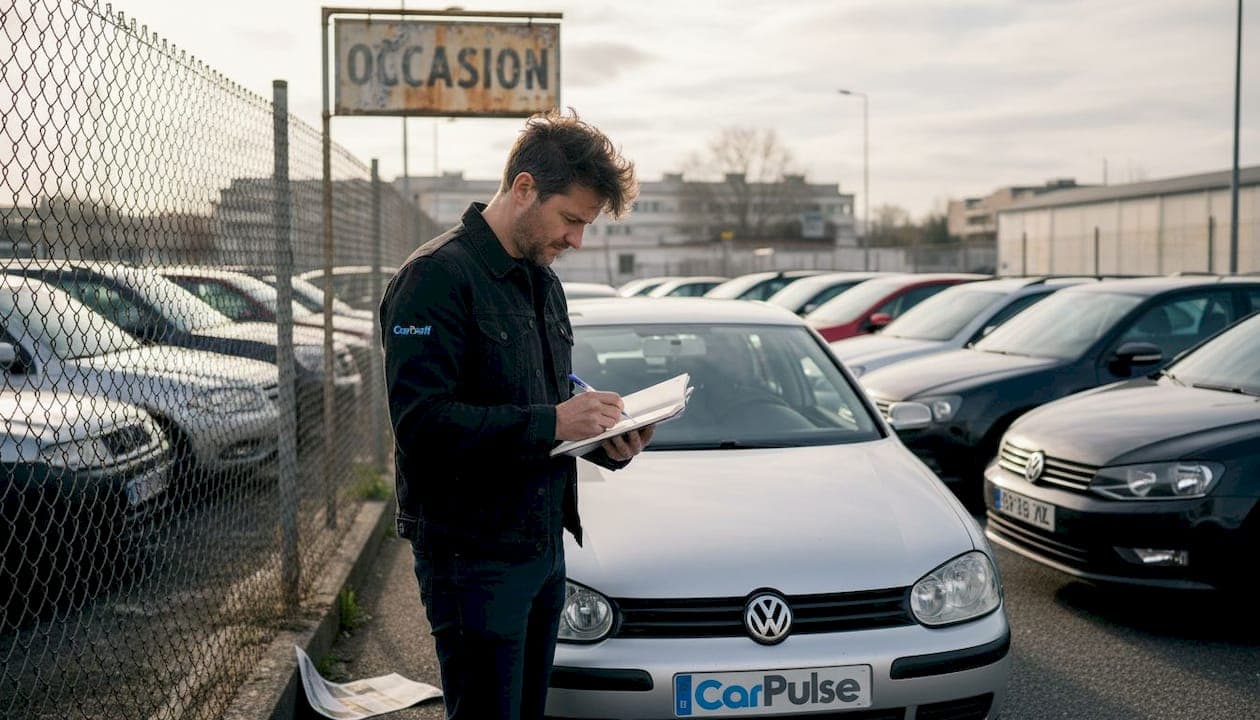
How to Take the Right Photos to Sell Your Car Fast in 2026
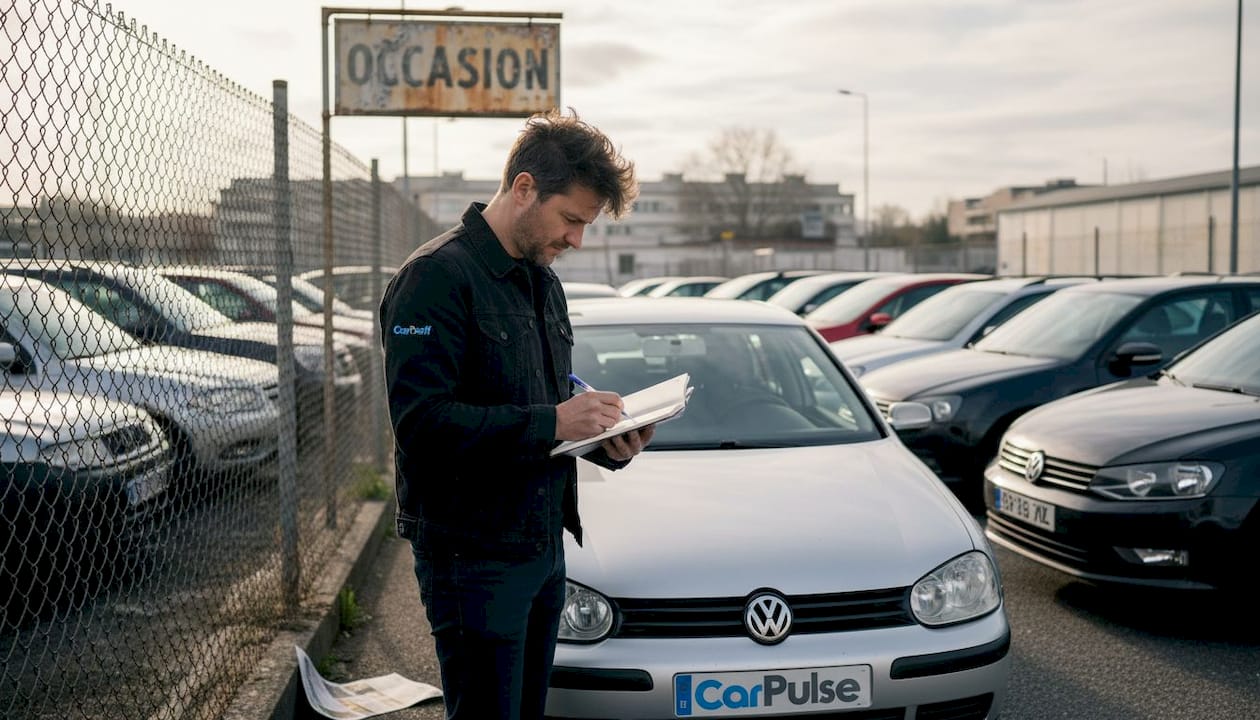
Summary:
- A listing with quality photos receives up to three times more enquiries than one with rushed or sparse images.
- Clean the car, choose the right light, and use a neutral background — these three steps matter more than any filter.
- Show defects honestly: transparency builds trust and speeds up the deal.
You've decided to sell your car and you want to do it quickly, at the right price, and without spending weeks fielding enquiries from tyre-kickers. The good news is that the single biggest factor in how fast your listing converts isn't the make, the mileage, or the asking price — it's the photos. A listing with clear, complete, and honest images generates up to three times more qualified enquiries than one with blurry or incomplete pictures. This guide walks you through everything you need to shoot your car like a professional, even with a smartphone. When you're ready, list your car for free on CarPulse.it and reach thousands of verified buyers in minutes.
Prepare the Car Before You Shoot
Photos hide very little. A layer of dust on the bodywork, crumb-covered seats, or a streaky windscreen can make a well-maintained car look neglected. Before picking up your smartphone, spend an hour on:
- A full exterior wash — ideally by hand or at a car wash with a blow-dry. Remove every trace of dust, insects, and bird droppings.
- A quick wax — a spray wax pass restores shine to the paint and makes the car look newer than it is.
- Interior cleaning — vacuum carpets and seats, wipe down the dashboard, interior mirrors, and side windows. Clear out the glove box and boot.
- Tyre pressure check — a flat-looking tyre in photos signals neglect. Make sure the wheels are mud-free too.
- Remove personal items — stickers, air fresheners, child seats, GPS adapters. The car should look ready for anyone.
You don't need to visit a bodyshop before shooting. The goal isn't to conceal defects, but to present the car as cleanly as possible so that real defects are clearly distinguishable from mere dirt.
Lighting and Time of Day: the Secret Dealers Know
Light is everything in photography. Harsh noon sun creates hard shadows and glare that washes out the bodywork. A direct sunset produces unpleasant orange flares. Professionals choose the so-called golden hour — the first hour after sunrise or the last before sunset — or a mildly overcast day: diffused light brings out colours without distracting reflections.
Practical tips:
- Avoid tree or building shadows cutting across the bodywork.
- Position the car so the sun lights the side you're shooting, but isn't directly in the lens.
- If shooting indoors or in a covered car park, use diffused LED lights and avoid direct flash.
- Don't over-edit in post-production: buyers expect to see real colours when they arrive.
Neutral Background and Location: Where to Position the Car
The background is underrated, but it's decisive. A car parked in front of a skip, next to other vehicles, or on a busy pavement looks cluttered and distracts the eye. The best backgrounds are:
- A large empty car park, preferably grey asphalt or neutral concrete.
- A country road or private driveway with no distracting elements.
- An industrial yard with a uniform backdrop.
Avoid colourful backgrounds, graffiti-covered walls, untidy gardens, or busy urban scenes. The car must be the absolute protagonist of the image. Before shooting, check the preview on screen: if anything distracts the eye, move the car a few metres.
The Shots You Must Not Skip
A strong listing in 2026 should include at least 15–20 photographs. Here is the complete shot list:
Exterior
- Front three-quarter left — the hero shot, most often used as the cover image. Frame the car at 45° from the driver's side, showing the front and the flank.
- Rear three-quarter right — same angle from the back, passenger side.
- Full left side — parallel, full length, wheels visible.
- Full right side — same as above, opposite side.
- Straight-on front — shows the grille, badge, and headlights.
- Straight-on rear — shows the tail lights, plate (cover it if you prefer), and design details.
- Relevant bodywork details — grille, alloys, any scratches or dents (see the honesty section).
Interior
- Dashboard with the odometer reading — engine off, key in accessory position to display the real mileage.
- Front seats — frame both from the back seat.
- Rear seats — space and upholstery condition.
- Headliner view — useful for panoramic roofs, leather headliners, stains.
- Infotainment / satnav — switched on, showing the main screen.
Mechanical and Detail Shots
- Engine bay — clean, bonnet open, shot from above. Show there are no visible leaks.
- Tyres — close-up of at least two wheels (front left and rear right) to show tread depth.
- Open boot — boot space dimensions and condition, including the floor.
- Spare wheel (if present) — show it exists and is in good condition.
Show Defects: Honesty Speeds Up the Sale
It might seem counterintuitive, but photographing defects is one of the smartest moves you can make. Here's why:
- It filters out time-wasters — people who call already know what they'll find. You don't waste time with buyers who back out in person.
- It builds trust — a seller who shows faults appears credible. The buyer is more willing to close the deal.
- It reduces post-sale disputes — if everything was visible in the listing, there are no nasty surprises.
So photograph clearly: scratches on the paintwork, small dents, a scuffed alloy, a cracked dashboard trim, a stain on the upholstery. Use the macro mode on your smartphone for close-up details. Briefly describe each defect in the caption or in the listing text. Before publishing, use the CarPulse.it price valuation tool to understand how defects affect market value and to set a realistic price from day one.
Common Mistakes to Avoid
Years of analysing listings show that these are the most frequent pitfalls:
- Blurry or motion-blurred photos — use a light tripod or rest the phone on a stable surface. Hold your breath at the moment of shooting.
- Too few photos — fewer than 10 images and the listing gets ignored by algorithms and buyers alike.
- No interior shots — the buyer's first question is always: "What's it like inside?"
- Direct flash at night — creates horrible white reflections on the bodywork. Always shoot in daylight.
- Vertical (portrait) photos — always shoot in landscape orientation. Online platforms display these better and give the car more room.
- Chaotic backgrounds — already covered: move even 50 metres to find a cleaner spot.
- Heavy filters — buyers expect real colours; a filter that shifts the hue can lead to complaints on arrival.
- Third-party agency watermarks — if selling privately, don't use logos that confuse buyers about whether they're dealing with a dealer.
How Many Photos and in What Order
The recommended minimum is 15 photos. A listing with 20–25 optimal shots performs better in search and earns more buyer consideration. The ideal upload order:
- Front three-quarter left (cover shot)
- Rear three-quarter right
- Full left side
- Full right side
- Straight-on front
- Straight-on rear
- Dashboard with odometer
- Front seats
- Rear seats
- Infotainment screen
- Engine bay
- Tyres (2 shots)
- Boot open
- Any defects (as many as needed)
Follow this sequence: buyers scan photos in the order you upload them, and this sequence mirrors their mental journey — first they grasp the overall shape, then the details, then they make up their mind.
Frequently Asked Questions
Can I use a smartphone, or do I need a professional camera?
A modern smartphone — even a mid-range one — is more than enough. Current sensors handle natural light well; portrait mode isn't needed for cars. Use the standard camera in automatic mode. What matters is light, cleanliness, and the right angles, not sensor resolution.
Should I show the number plate in the photos?
It's not mandatory. Many sellers prefer to blur the plate in post-production to avoid it being indexed by search engines. It's a personal choice; the plate will be shared with any serious buyer at the time of inspection and ownership check.
How many photos are enough for an effective listing?
The recommended minimum is 15, with the sweet spot between 20 and 25. Fewer than 10 photos and many buyers won't even open the listing. More complete, honest photos mean fewer repetitive questions during negotiations.
Is it better to photograph inside or outside the garage?
Outside in diffused natural light is always preferable. A garage works only if you have good LED lighting with no hard shadows. Avoid direct flash: it creates reflections on the bodywork that hide the true condition of the paint.
Conclusion
Selling your car quickly isn't luck: it's the result of a well-crafted listing, starting with the photos. Clean the car, pick the right light, use a neutral background, capture every angle on this list, and don't hide the faults. This honest, professional approach cuts selling time, filters in serious buyers, and protects you from disputes down the line. When your photos are ready, post your free listing on CarPulse.it — it takes five minutes to reach thousands of verified buyers across Italy. Not sure what price to ask? Start with a free valuation on CarPulse.it and walk into negotiations with the numbers on your side.