Guides
Buying a Used Car in Rome: Complete Guide & Local Tips
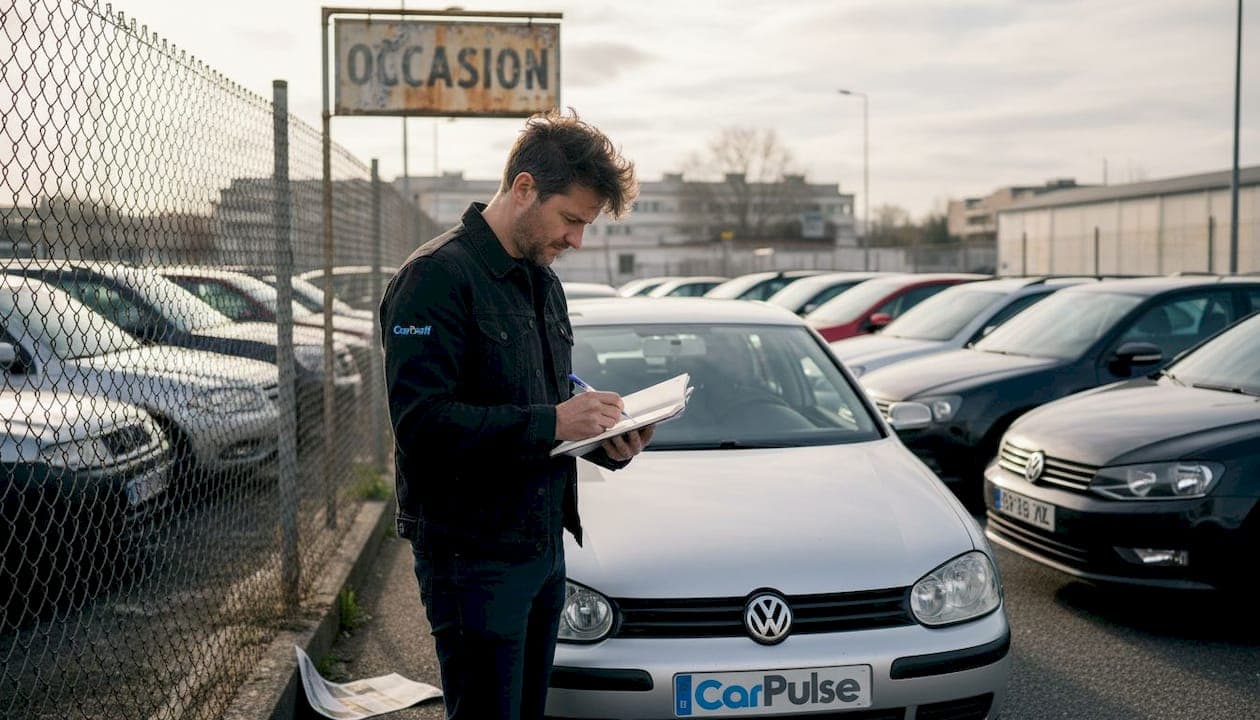
Buying a Used Car in Rome: Complete Guide & Local Tips
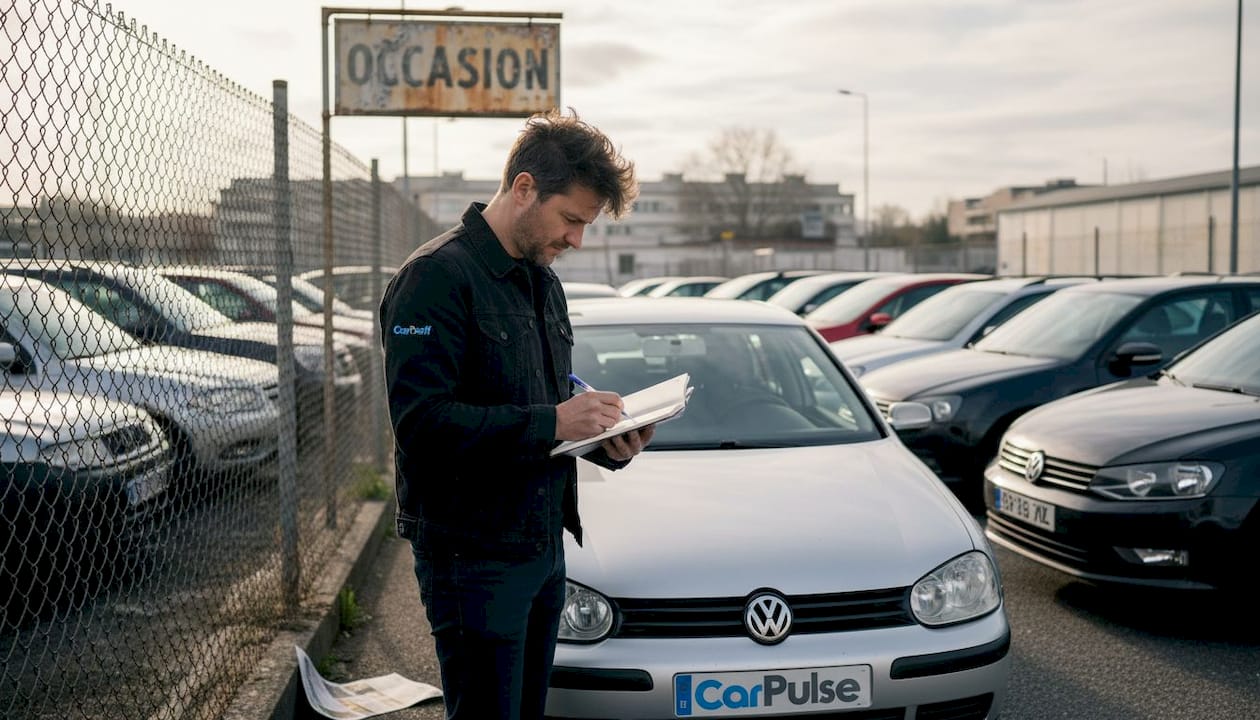
Summary:
- Rome's ZTL and Fascia Verde restrictions make Euro 4 diesel vehicles a risky buy — check emission compliance before anything else.
- The Roman used-car market is large and competitive; prices are negotiable and vary significantly by zone, platform, and vehicle age.
- Ownership transfer (passaggio di proprietà) involves specific tax and documentation steps — knowing them in advance saves time and money.
Buying a used car in Rome is both an exciting opportunity and a potential minefield if you don't know the local rules. Italy's capital has one of the most complex urban traffic restriction systems in Europe, a large and active secondary car market, and its own administrative procedures for changing vehicle ownership. Whether you're a resident planning your first local purchase or an expat navigating Italian bureaucracy for the first time, this guide covers every angle — from choosing the right emission class to closing the deal at a dealer or STA office. CarPulse.it aggregates thousands of verified used car listings across Rome and all of Italy, making it the fastest starting point for any serious search.
Understanding Rome's Used Car Market
Rome is Italy's largest city by population and geographic footprint, and its used-car market reflects that scale. At any given time you'll find tens of thousands of vehicles listed across private and dealer channels. Unlike Milan, where new-car culture is stronger and the second-hand market skews premium, Rome's market is broader and more price-mixed — you'll find everything from well-maintained nearly-new SUVs to high-mileage city runarounds at entry-level prices.
One pattern worth knowing: prices in Rome tend to run slightly higher than in southern Italian cities like Naples or Palermo, but meaningfully lower than Milan. That makes Rome a reasonable place to buy mid-range vehicles without overpaying. Negotiation is standard practice — both private sellers and independent dealers expect it. A typical opening offer 5–10% below asking price is entirely normal, and sellers often have 3–8% room built into their prices from the start.
The market is also active year-round, with a slight seasonal uptick in spring (March–May) as buyers prepare for summer and sellers clear out winter inventory. Listings cycle quickly for popular models — a well-priced Fiat 500 in good condition rarely stays available for more than a week.
ZTL and Fascia Verde: The Most Important Thing to Check First
Before you fall in love with any used car in Rome, you need to understand the city's traffic restriction ecosystem. Rome operates two overlapping systems that can render certain vehicles practically unusable for daily urban driving.
ZTL (Zona a Traffico Limitato): Rome has multiple ZTL zones — Centro Storico, Trastevere, Testaccio, Prati, Tridente, and others — each with its own operating hours. The Centro Storico ZTL, for example, applies on weekdays and Saturday mornings. Entering without a permit triggers an automatic fine via camera, and repeat offences can accumulate quickly. Residents can apply for permits, but non-residents face strict limitations.
Fascia Verde: This is the more consequential restriction for most buyers. The Fascia Verde is a large environmental restriction zone covering much of the city — far broader than any individual ZTL. As of 2026, the following vehicles are banned from circulating within the Fascia Verde during restricted hours (generally weekdays, 7:30–20:30):
- Petrol/LPG/CNG vehicles Euro 2 and below
- Diesel vehicles Euro 4 and below
- On high air-pollution days (declared by Rome's environmental authority), diesel Euro 5 vehicles may also face temporary bans
What this means practically: if you're considering a diesel car to save on fuel costs, a Euro 4 diesel is nearly unusable for everyday driving in Rome. You would be paying fines every time you drive through the Fascia Verde perimeter during operating hours, which covers most of the routes anyone actually uses. A cheap Euro 4 diesel priced at 6,000€ can become a money-losing proposition within a year. The safest choices for Rome's restrictions are petrol Euro 5 or 6, diesel Euro 6, or any hybrid/electric vehicle. Always cross-check the vehicle's emission class against Rome's current Fascia Verde rules before making an offer.
Where to Find Used Cars in Rome
Rome's used-car ecosystem is spread across three main channels:
Dealer strips: The city has several well-known corridors where dealerships cluster. Via Salaria (northeast, toward the GRA) has a long stretch of multi-brand used-car dealers. Via Tiburtina and Via Cristoforo Colombo (southeast toward the sea) are similarly dense with dealer forecourts. These areas make comparison-shopping efficient — you can visit five or six dealers in an afternoon. Dealers on these strips often accept trade-ins and arrange financing, though their prices tend to be 5–10% higher than equivalent private listings.
Private sellers: Rome has a healthy private seller market. The main platforms are Subito.it (Italy's largest classifieds site, heavy on private listings), AutoScout24 (stronger for slightly newer and higher-value vehicles), and CarPulse.it — browse verified used cars in Rome with clean filtering by emission class, fuel type, and price range. Private sellers typically price lower than dealers but the car comes with no warranty and you bear full due-diligence responsibility.
Auctions and fleet disposals: Less visible to casual buyers, but worth knowing: rental companies (Hertz, Avis, Europcar) and corporate fleets periodically sell used vehicles through auction platforms. These cars are typically well-documented, often relatively low-mileage relative to age, and Euro 6 compliant since most fleets have already turned over their older stock.
Price Ranges in Rome (2026)
Here's a realistic breakdown of what to expect across common vehicle segments in Rome's current market:
- City cars (Fiat Panda, Fiat 500, Toyota Aygo): 5,000–12,000€ depending on year and mileage. A 2018 Fiat Panda with 60,000 km in good condition typically lists around 8,000–9,500€.
- Compact hatchbacks (VW Polo, Ford Fiesta, Opel Corsa): 8,000–18,000€. Euro 6 examples from 2019 onward start around 12,000€.
- Mid-size family cars (VW Golf, Toyota Corolla, Alfa Romeo Giulia): 12,000–28,000€. Clean Euro 6 Golfs from 2018–2020 cluster around 16,000–22,000€.
- Compact SUVs (Jeep Renegade, Renault Captur, Fiat 500X): 14,000–28,000€ for Euro 6 examples from 2017–2021.
- Family SUVs and crossovers (Volkswagen Tiguan, Toyota RAV4, Hyundai Tucson): 18,000–38,000€ depending on year, spec, and fuel type.
- Hybrid and mild-hybrid: Command a 10–20% premium over equivalent petrol equivalents, but pay back through fuel savings and zero Fascia Verde risk.
Use the free price valuation tool on CarPulse.it to check the current market value of any specific model, year, and trim before you negotiate. Having an objective benchmark in hand is one of the most useful levers a buyer can bring to a negotiation.
Key Due Diligence Steps Before You Buy
Once you've identified a car you like, these are the checks that matter most in Italy:
Revisione (roadworthiness test): Italy requires all vehicles to pass a roadworthiness inspection every two years (first after four years from initial registration). Before buying any used car, verify that the revisione is current — it should be noted on the vehicle's libretto (logbook). An expired or soon-to-expire revisione is not necessarily a dealbreaker, but factor the cost of inspection (typically 60–100€) and any required repairs into your offer.
Service history: Ask for the tagliando (service booklet) or equivalent dealer service stamps. A car with documented regular servicing is worth more and carries less risk. Pay particular attention to timing belt replacement records on diesel engines — skipping this service is a common hidden cost that can lead to expensive engine damage.
Visura (vehicle history check): You can run a formal visura automobilistica through the ACI (Automobile Club d'Italia) or PRA (Pubblico Registro Automobilistico) to verify ownership history, any outstanding loans or liens (fermi fiscali), and reported accidents. This typically costs 10–20€ and takes minutes online. Do not skip this step for private purchases.
Fascia Verde compliance check: Confirm the exact emission class from the libretto (look for the Euro rating) and cross-reference with Rome's current Fascia Verde rules on the Roma Mobilità website before committing.
Independent mechanical inspection: For any car above 10,000€, consider paying a trusted independent mechanic (meccanico di fiducia) for a pre-purchase inspection. This typically costs 80–150€ and can surface issues invisible to a test drive.
Ownership Transfer: How It Works in Italy
Buying a car in Italy involves a formal ownership transfer process (passaggio di proprietà) that differs from most northern European systems. Here's what to expect:
The transaction requires two documents from the seller: the carta di circolazione (vehicle registration document) and the Certificato di Proprietà Digitale (CdPD), which since 2020 is stored digitally in the national PRA database. The old paper libretto has been largely phased out.
The transfer is handled at a STA office (Sportello Telematico dell'Automobilista), an ACI delegazione, or a licensed auto agency (agenzia pratiche auto). Most buyers use a private agency because they handle all the paperwork, know the local requirements, and can complete the process in a single visit. Expect to pay:
- IPT (Imposta Provinciale di Trascrizione): Provincial transfer tax, calculated based on vehicle kilowatt rating and the province of registration. For Rome (province of Roma), rates vary by kW; a typical mid-size car will incur IPT of 150–350€.
- ACI emoluments: Fixed registration fee, approximately 32€.
- Marca da bollo: Government stamp duty, currently 16€.
- Agency fee: Typically 50–100€ for handling all paperwork.
Total transfer cost for an average vehicle typically falls between 250–500€, paid by the buyer. Factor this into your total budget. Once complete, the new ownership is reflected in the PRA system within 48–72 hours.
Why Use CarPulse.it for Your Rome Search
Rome's used-car market is large enough that searching manually across multiple platforms wastes significant time. CarPulse indexes listings from across Italy with structured filtering that lets you narrow by emission class (critical for Fascia Verde compliance), fuel type, price band, mileage, and location. Every listing is verified and cross-referenced, so you're working with accurate, current data rather than stale or duplicated ads.
The platform also surfaces market value context alongside each listing — so you can see immediately whether a particular car is priced fairly, above, or below the current market rate. For buyers new to the Italian market, this kind of real-time price anchoring is genuinely useful. You can also list your own car for sale if you're trading out of an existing vehicle before buying.
Frequently Asked Questions
Can I drive a Euro 4 diesel in Rome?
Not during restricted hours within the Fascia Verde, which covers most of the city. As of 2026, Euro 4 diesel vehicles are banned during weekday operating hours (generally 7:30–20:30). If you live or work inside the Fascia Verde perimeter, a Euro 4 diesel is effectively unusable for daily driving. Stick to petrol Euro 5/6, diesel Euro 6, or hybrid/electric vehicles to avoid fines.
How long does the ownership transfer (passaggio di proprietà) take in Rome?
If you use a licensed agenzia pratiche auto, the paperwork is typically submitted the same day. The PRA database updates within 48–72 hours. You'll receive a temporary registration certificate immediately, so you can drive the car legally while the full transfer processes. The total elapsed time from signing to full PRA registration is usually 2–3 business days.
Is it safe to buy a used car from a private seller in Rome?
Yes, provided you do proper due diligence. Always run a visura automobilistica to check for liens or fiscal holds on the vehicle before paying. Verify the seller's identity matches the name on the carta di circolazione. Avoid cash payments before paperwork is signed, and never hand over the full amount before the ownership transfer is confirmed. Using a platform like CarPulse.it with verified listings adds an additional layer of confidence.
What are the best areas to find used car dealers in Rome?
The highest concentrations of multi-brand used-car dealers are along Via Salaria (northeast of the city toward the GRA), Via Tiburtina (east-northeast), and Via Cristoforo Colombo (southeast toward Ostia). These corridors allow you to visit multiple dealers in a single trip and compare prices directly. For private listings, Subito.it, AutoScout24, and CarPulse.it are the dominant online platforms.
Conclusion
Buying a used car in Rome requires a bit more homework than purchases in cities with simpler traffic rules, but the market is large, prices are competitive, and good deals are genuinely available. The single most important rule: always verify the emission class before making an offer, and run it against the current Fascia Verde regulations. A car that looks like a bargain on paper can become a liability if it can't legally circulate in the city where you need it most. Do the visura, check the revisione, budget for transfer costs, and negotiate confidently — the Roman market rewards buyers who come prepared. Start your search on CarPulse.it — search Rome listings to browse verified vehicles filtered by emission class and price range, and make your next purchase with full confidence.